IN Brief:
- Switzerland's Federal Roads Office has allocated development sites across three procurement lots.
- Fastned and Milence have each secured 11 locations for dedicated commercial vehicle charging facilities.
- The programme complements investment in electric truck charging infrastructure across neighbouring European markets.
Switzerland’s Federal Roads Office (FEDRO) has selected three charging infrastructure operators to develop 32 facilities for electric heavy goods vehicles at motorway rest areas and vehicle inspection centres along the country’s national road network.
Fastned Switzerland has secured the first development lot, covering 11 locations, with French charging infrastructure provider Obornes awarded the second and Dutch operator Milence selected for the third. Milence will also develop 11 sites under the programme.
The allocations follow a competitive procurement process launched in January 2026, with the first stations expected to become operational in 2030.
Switzerland’s investment follows an increase in the adoption of battery-electric commercial vehicles. Figures from automotive industry association auto-schweiz, cited by Fastned, identify 847 new registrations of battery-electric heavy-duty vehicles weighing more than 3.5 tonnes during the first nine months of 2026.
Although depot charging can accommodate much of the electricity consumption associated with commercial vehicles operating predictable daily routes, longer journeys depend on the availability of suitable facilities beyond their operating bases. International freight movements also require compatible infrastructure across national borders, where differences in charging availability can constrain the routes operators are able to electrify.
Developing charging facilities for heavy goods vehicles introduces considerably different electrical requirements from those associated with passenger cars. Commercial vehicles generally incorporate larger battery packs, while the time available for charging is often determined by delivery schedules and statutory driver rest periods.
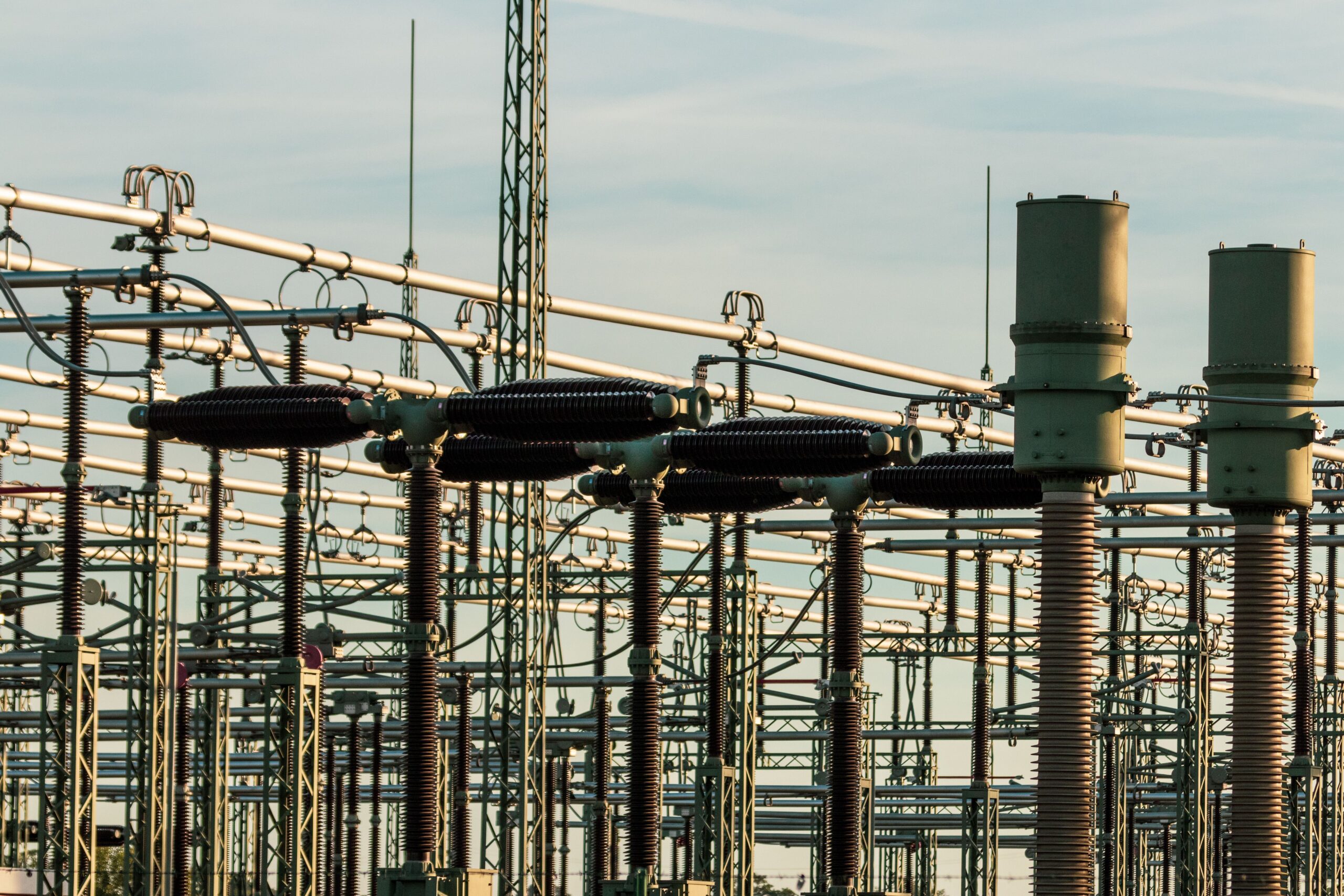
Supplying several high-power charging points simultaneously can require a dedicated medium-voltage electricity connection, transformers, switchgear, and protection equipment. A facility operating six charging points at 500 kW, for example, would require up to 3 MW of power for simultaneous charging, excluding electrical conversion losses and auxiliary consumption.
The connection capacity agreed with the electricity network operator establishes the sustained import capability available to an installation. Where that capacity is lower than the combined rating of the chargers, the operator must manage the amount of electrical power allocated to individual vehicles.
Dynamic power allocation can distribute available electricity between connected vehicles according to their charging requirements. As batteries approach higher states of charge and their charging rates decrease, the system can redirect available power towards other vehicles without increasing the total electricity demand of the installation.
Battery storage offers an additional means of accommodating short periods of particularly high demand. Stored electricity can supplement the grid connection when several vehicles require charging simultaneously, before the battery is replenished during periods of lower utilisation.
The viability of that approach depends on the frequency and duration of demand peaks. A battery can temporarily increase the power available to the chargers, but sustained consumption above the site’s import capacity will eventually exhaust its stored energy. Network connection sizing must therefore reflect anticipated vehicle throughput rather than charger ratings alone.
FEDRO’s selection of existing rest areas and vehicle inspection centres will also require charging equipment to be integrated into infrastructure with established traffic flows and operational functions.
Articulated vehicles need sufficient space to enter, occupy, and leave charging bays without obstructing other vehicles. Equipment positioning, cable management, and access to electrical distribution infrastructure must accommodate those movements while allowing maintenance personnel to isolate and service equipment safely.
Modular charging architectures can limit the operational consequences of individual equipment faults by allowing affected conversion modules or charging points to be isolated independently. The extent of that resilience depends on whether other components, including transformers and distribution equipment, represent common dependencies across the installation.
Switzerland’s programme is developing alongside substantial regulatory changes in neighbouring EU markets. The Alternative Fuels Infrastructure Regulation requires dedicated heavy-duty vehicle charging facilities along the core trans-European transport network to provide at least 3.6 MW of aggregate power by the end of 2030, generally with a maximum separation of 60 km in each direction of travel.
Those facilities must include at least two individual charging points rated at 350 kW or above, subject to the applicable exceptions and derogations. Although Switzerland is outside the EU and is not directly subject to those provisions, the development of charging infrastructure across neighbouring countries will influence the viability of international electric freight routes passing through its territory.
Milence, established by Daimler Truck, the TRATON GROUP, and Volvo Group, specialises in charging infrastructure for heavy commercial vehicles. Fastned has also been extending its network beyond passenger vehicle charging, including dedicated truck facilities in Belgium and the Netherlands.
The three successful operators will now advance their allocated Swiss locations through development, electrical connection planning, equipment procurement, and construction. Confirming the electricity capacity available at individual sites will be central to determining how many vehicles each facility can accommodate when the first stations enter service in 2030.