IN Brief:
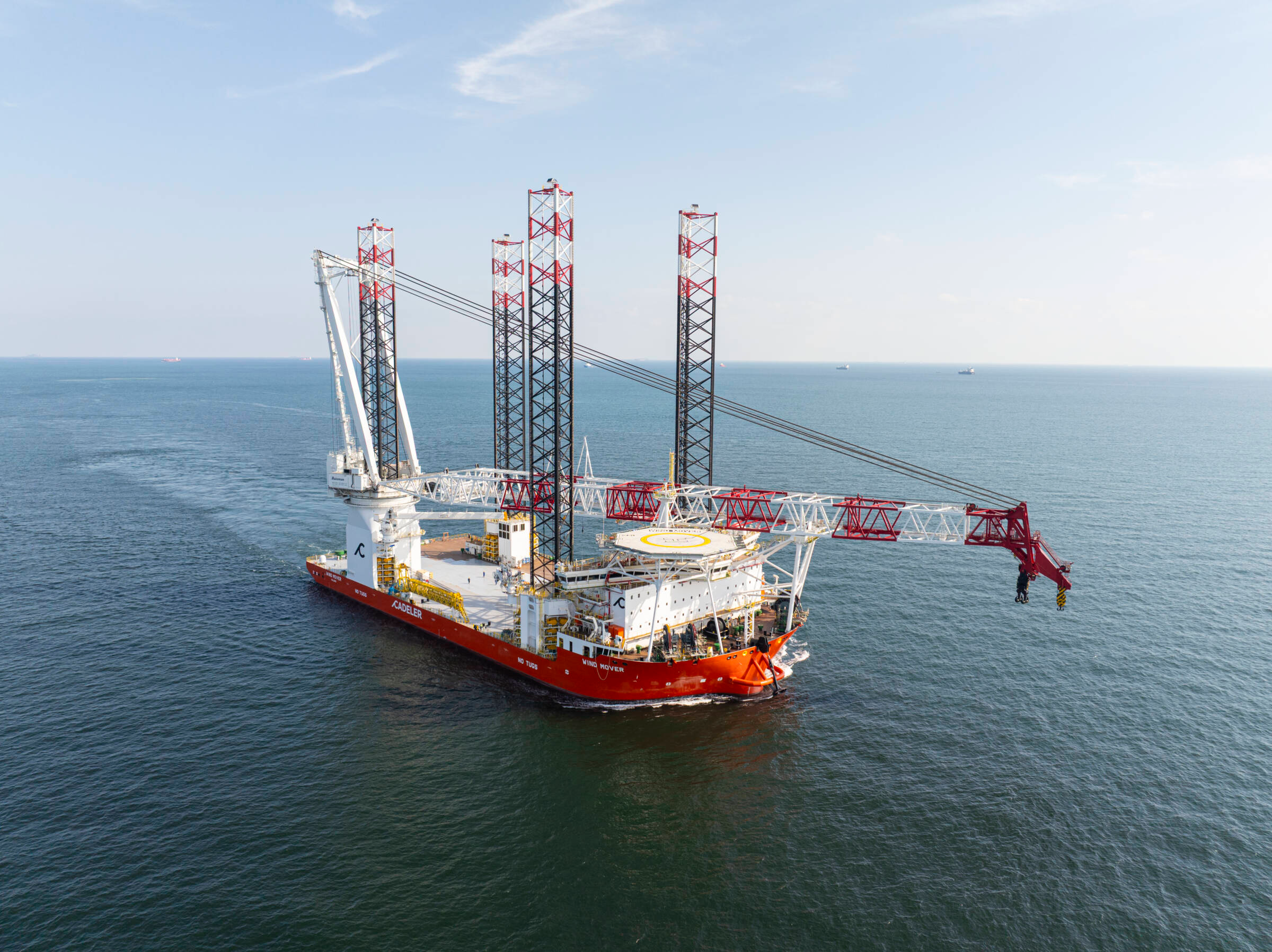
- The first components for Inch Cape’s Vestas V236-15.0 MW turbines have departed Dundee aboard Cadeler’s Wind Mover.
- The offshore project plans 72 turbines with a combined nameplate rating of 1,080 MW.
- Installation, array cabling and electrical testing must progress before the wind farm reaches full operation.
Components for the first Inch Cape offshore wind turbines have departed Dundee aboard Cadeler’s jack-up installation vessel Wind Mover, beginning the transport of large turbine assemblies to the Scottish North Sea development. Inch Cape Offshore plans to install 72 Vestas V236-15.0 MW machines across the approximately 1.1 GW project. The departure confirms the start of the turbine shipment campaign; it does not establish that a machine has been erected, connected or brought into generation.
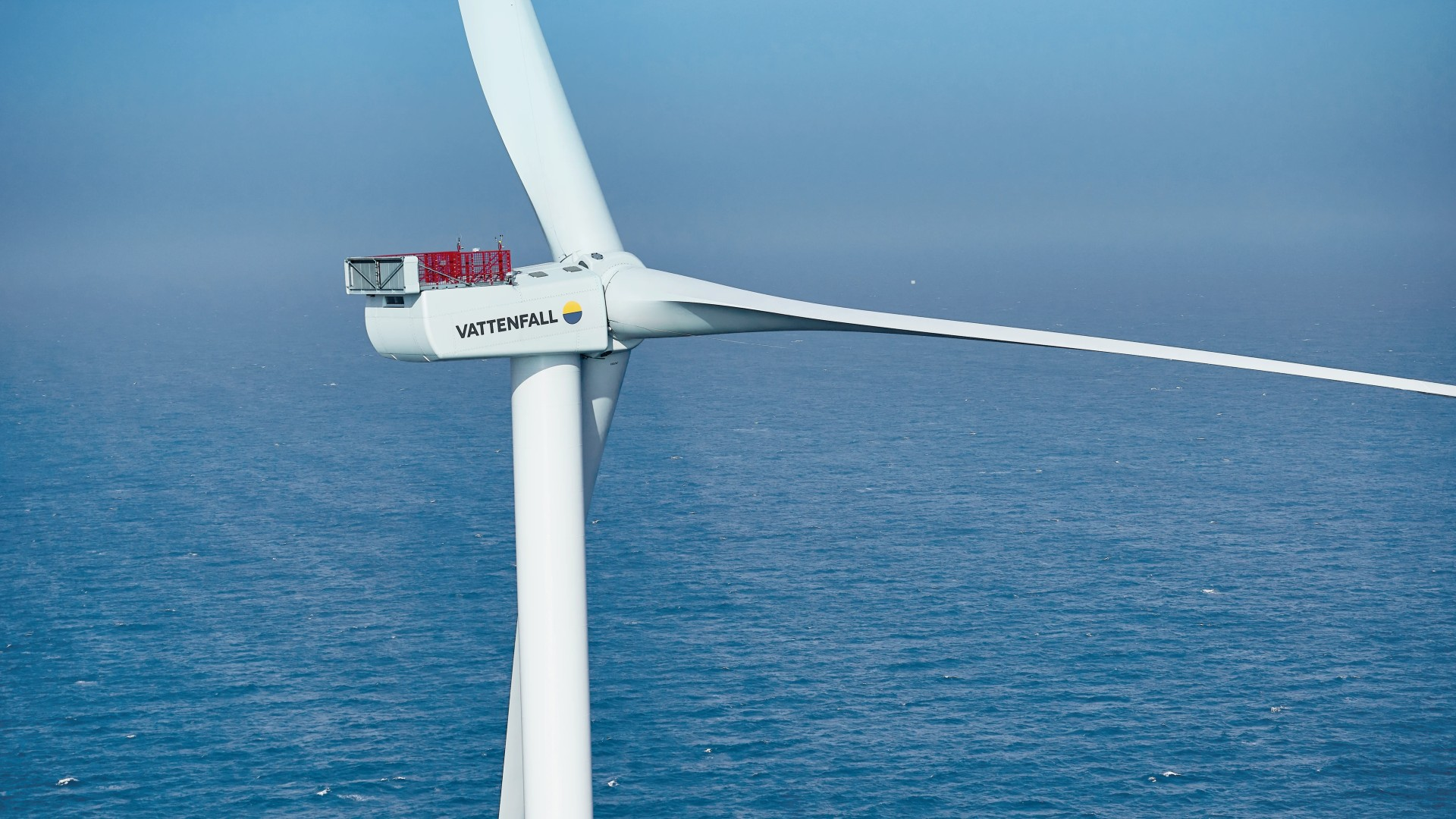
Each V236 turbine has a nominal electrical rating of 15 MW, requiring substantial tower sections, nacelles and blades to be marshalled and loaded before offshore transport. Dundee is serving as the turbine assembly and dispatch port, allowing inspections and staging to take place ahead of the offshore lifting sequence. The vessel’s first departure follows earlier foundation and electrical construction activity, but turbine installation introduces different lifting, alignment and commissioning dependencies.
Cadeler’s Wind Mover is a jack-up vessel, meaning it can lower legs to the seabed and raise its working platform above sea level for installation operations. That arrangement provides a more stable lifting position than a floating ship for work involving very large turbine structures. The vessel’s use does not remove weather constraints: transit conditions, lifting windows, crane operation and positioning near completed foundations all influence the rate at which turbines can be installed.
The project previously indicated that Wind Mover would transport turbines in batches of four. The number planned per voyage is not, however, confirmation of four complete commissioned turbines on the first trip. Components must be installed on the prepared foundations and checked before the individual electrical machines can be connected into the array. Dundee’s marshalling arrangements support repeated loading cycles, while the actual sequence offshore will depend on vessel access, lift conditions and the readiness of each installation position.
Inch Cape’s offshore works have already passed several distinct milestones. According to the developer’s construction record, installation of 54 monopile foundations was completed in June 2026, and transition piece installation followed in August. Jacket foundations and associated pin piles form part of the broader foundation programme. These structures provide the physical interfaces on which the turbines and offshore electrical equipment must be installed, but they are separate work packages from the turbine campaign now under way.
The offshore electrical system is advancing on a separate schedule. A Siemens Energy offshore transformer module and its supporting jacket were installed in 2025, while export cables have been placed along routes connecting the site with land. The developer’s construction record says the second export cable was installed in three sections and burial continued in 2026. Completion of individual turbine lifts will therefore need to be matched by cable terminations, inspection and energisation tests elsewhere in the system before power can be exported.
At Cockenzie, Siemens Energy has been carrying out work on the onshore substation and its interface with the Scottish electricity network. The developer recorded delivery of super grid transformers and shunt reactors in 2025. Transformers provide the necessary voltage transformation between parts of the system; shunt reactors help manage the reactive power effects associated with long high-voltage cable circuits. Protection and control testing must also coordinate equipment offshore and onshore before unrestricted operation is possible.
Turbine installation therefore runs alongside, rather than replaces, the need to complete the electrical chain. The output of each turbine must pass through its own power conversion and switching equipment, the inter-array cable network and the offshore substation before export. Cable continuity, insulation, protection settings and commissioning sequences all have to be checked before the completed system can operate as intended. The public project information does not yet provide a date for energisation of the first newly installed turbine.
The installed rating of 72 turbines at 15 MW apiece is 1,080 MW, consistent with the project’s rounded 1.1 GW description. Actual electrical output will vary with wind speed, available machines, grid constraints and losses in the export system. The distinction is important during commissioning, when mechanical installation, individual generator tests and full electrical availability occur at different points. The project has not confirmed that this first shipment has produced electricity or established a new operational capacity figure.
The Port of Dundee is only one element of a construction programme distributed across eastern Scotland and the offshore site. Separate activities include foundation handling through Leith, export cable handling through Blyth and a future operations and maintenance base at Montrose. That geographic spread requires marine scheduling, material traceability and coordination of contractors whose work becomes interdependent at commissioning. A vessel departure is visible progress, but the overall schedule is governed by the slowest incomplete critical work package.
The published project programme targets the completion of turbine installation and commissioning during 2027, followed by full commercial operation. Installation vessels, array cabling and the onshore grid interface must be ready in a coordinated sequence for those milestones to hold. With the first components now moving from Dundee, the next verifiable progress points will be completed offshore lifts, connections into the inter-array network and first generation, rather than the departure of additional shipments alone.