
Features
—
-

Q3 extended the grid, storage and equipment pressures already visible. Connection reform, battery deployment, transformer investment and higher-density data-centre power systems showed how the sector is responding.
-
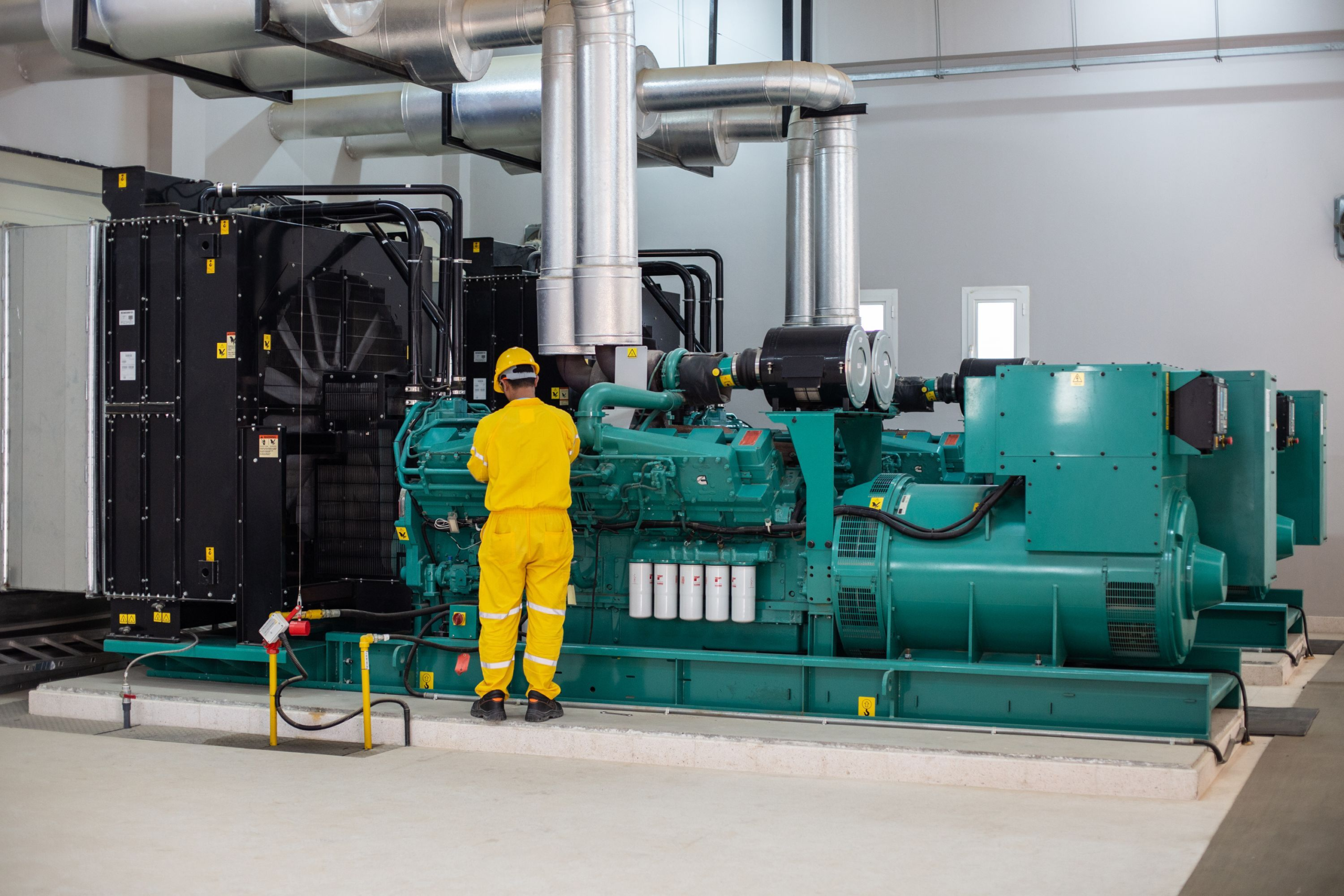
Backup power testing can strengthen resilience across critical water infrastructure. Andrew Keith, division director at Power Prove, explains how realistic load testing can expose generator weaknesses before mains disruption threatens treatment continuity.
-
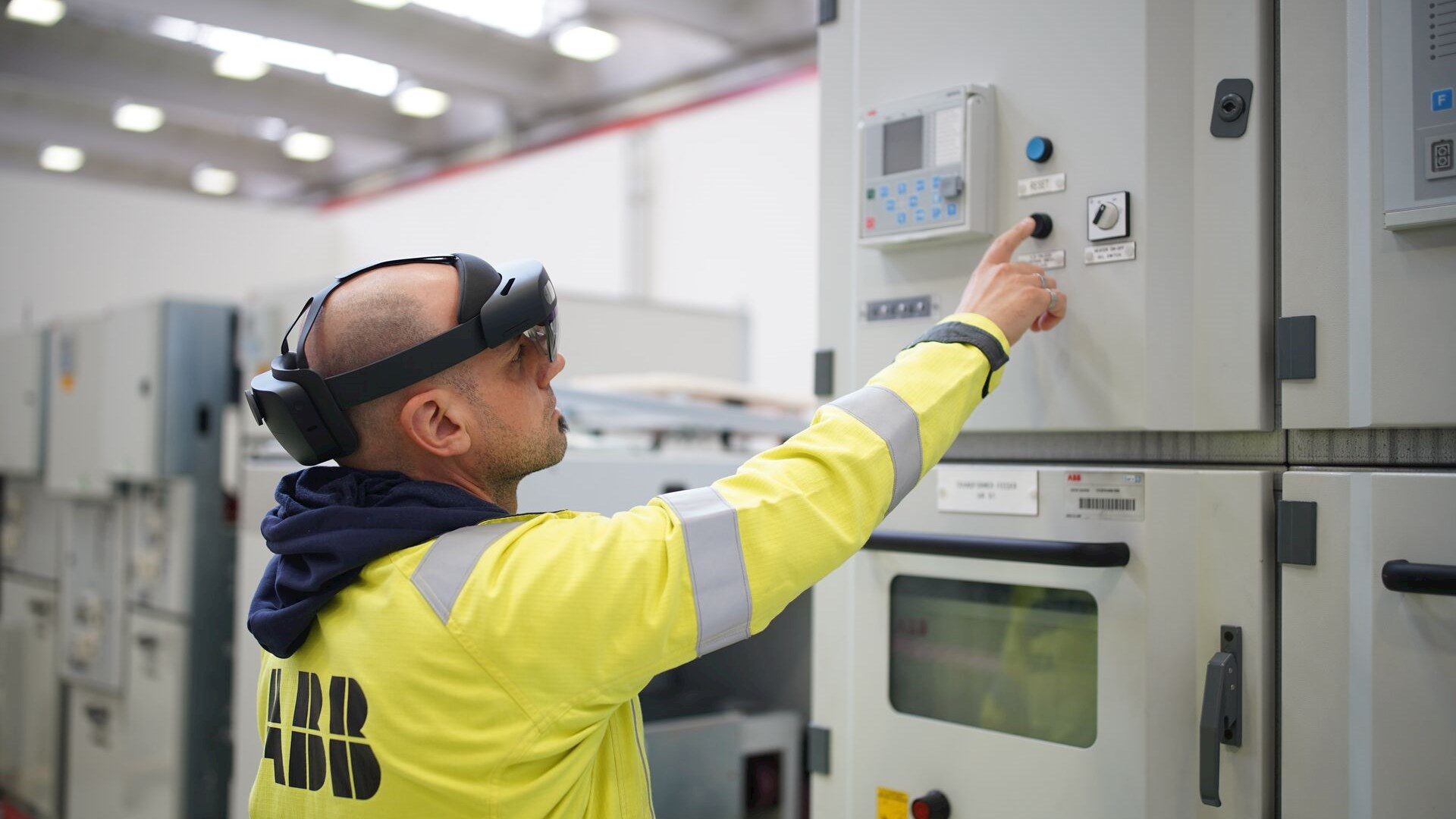
SF6-free switchgear should improve performance as well as compliance. Andrea Estrada-Hein, EVP, Global Business Line – Switchgear at ABB, examines how familiarity, access, visibility and maintainability can shape a more practical medium voltage transition.
-
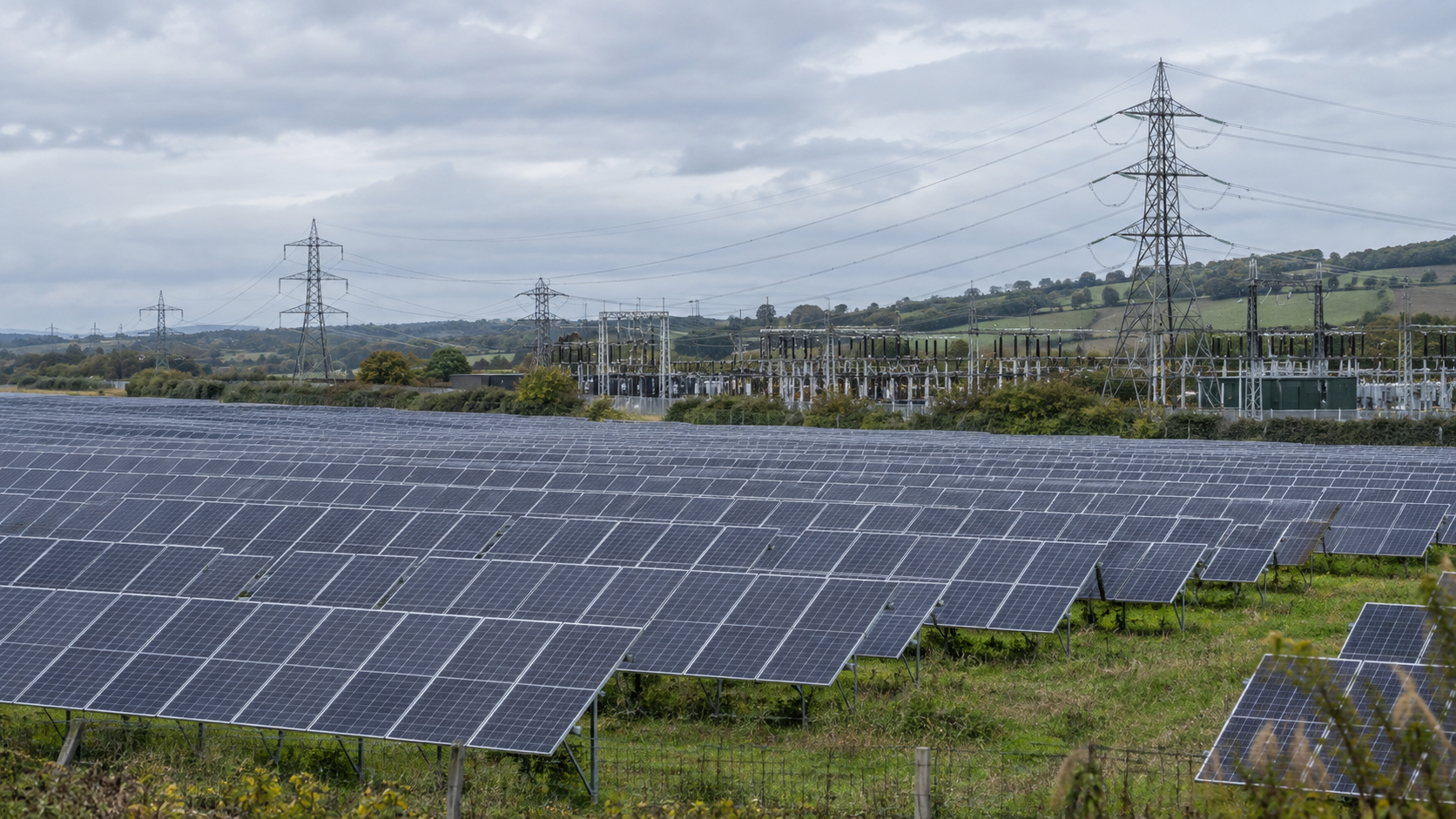
Derril Water’s curtailment highlights a sequencing problem for UK renewables. Elliott Meighan, Energy Solutions Consultant at Equity Energies, explains why behind-the-meter solar and storage face a fundamentally different risk profile.
-
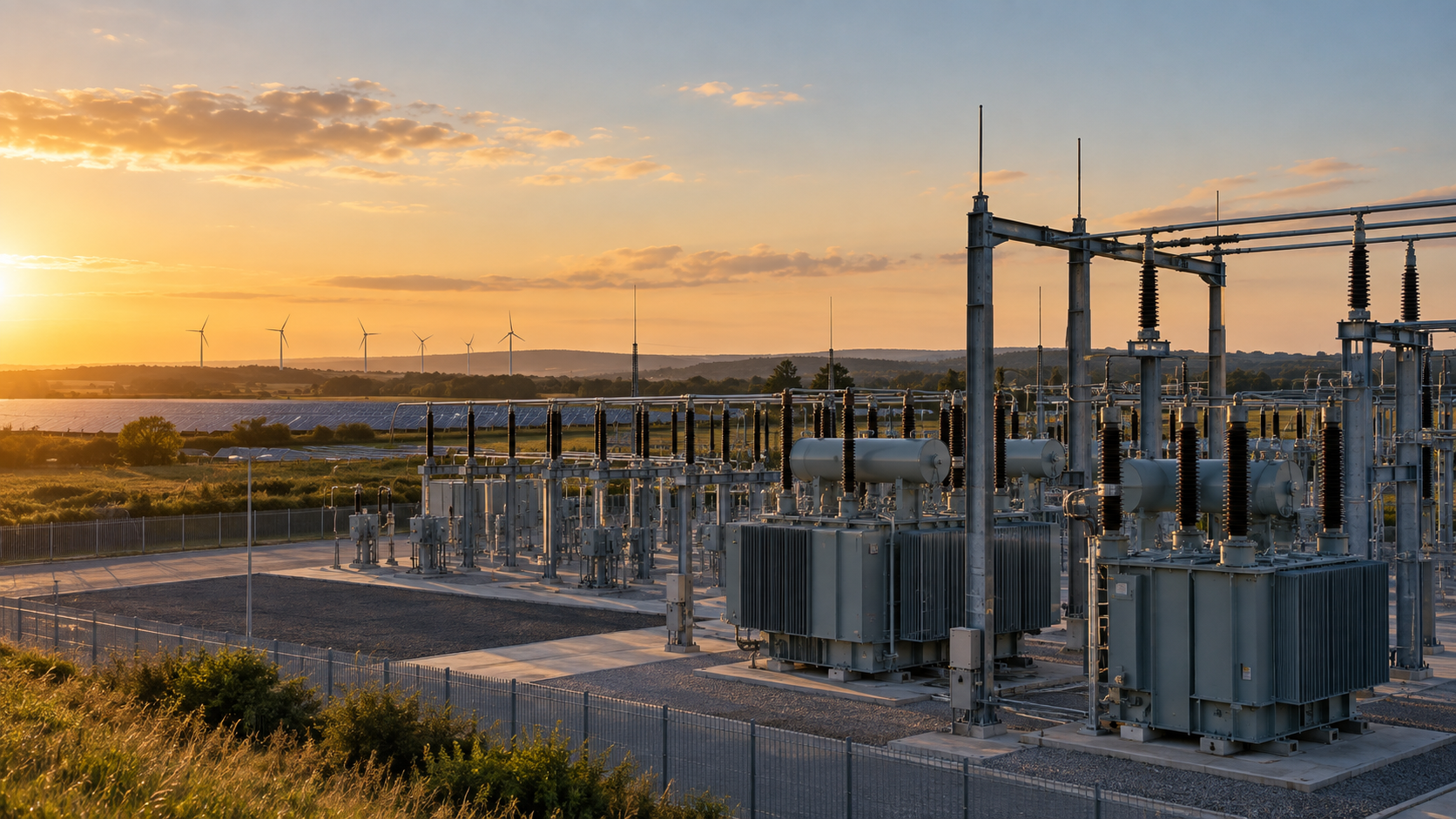
Modern grid infrastructure will determine whether net zero ambitions succeed. David Grall, VP for Sustainability & Corporate Transformation at Nexans, argues that resilient electrical networks must advance alongside renewable generation.
-
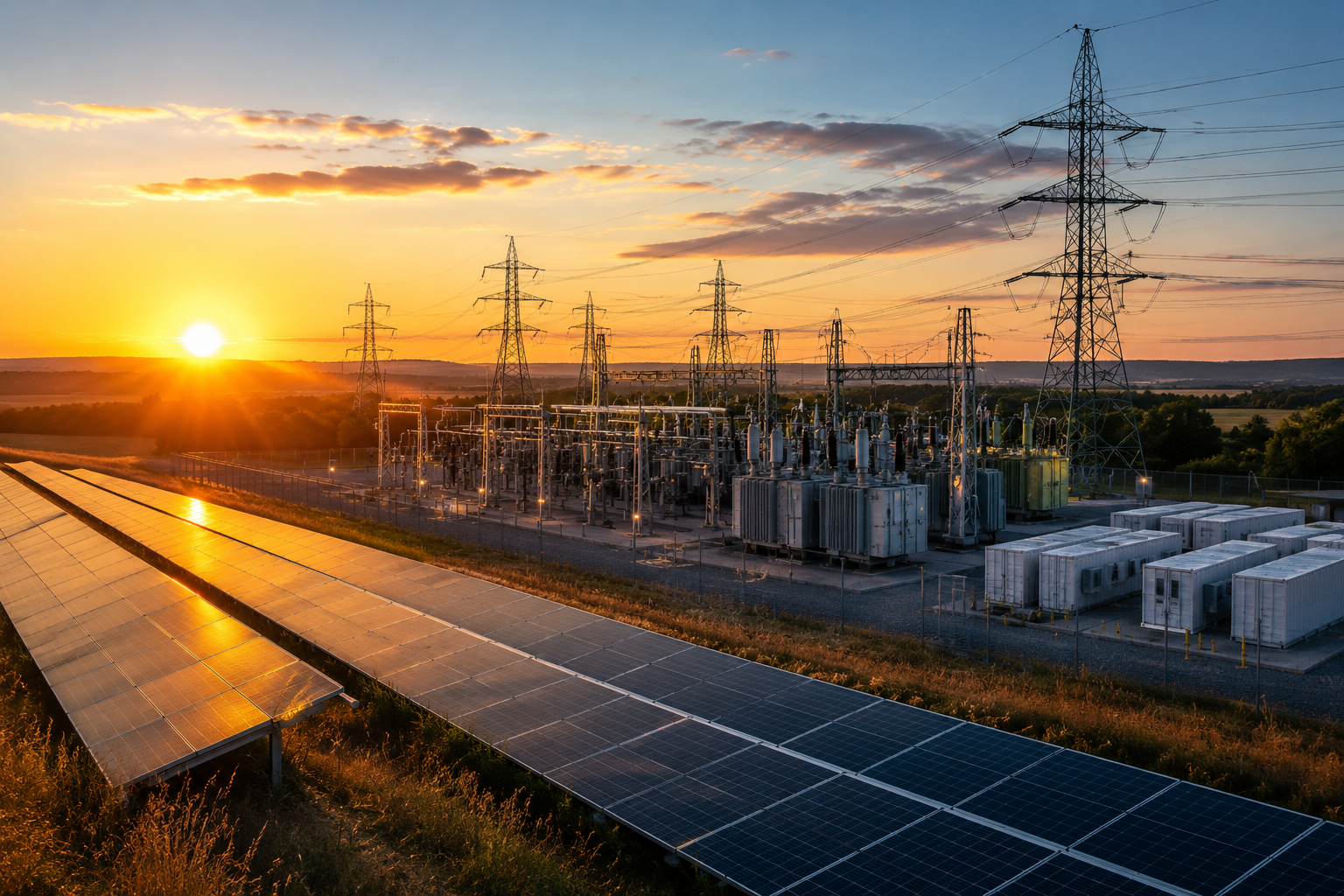
Summer operating conditions are becoming harder for Britain’s electricity system. Record solar output, heat driven demand, and sharper evening ramps are expanding the range NESO must manage each day.
-
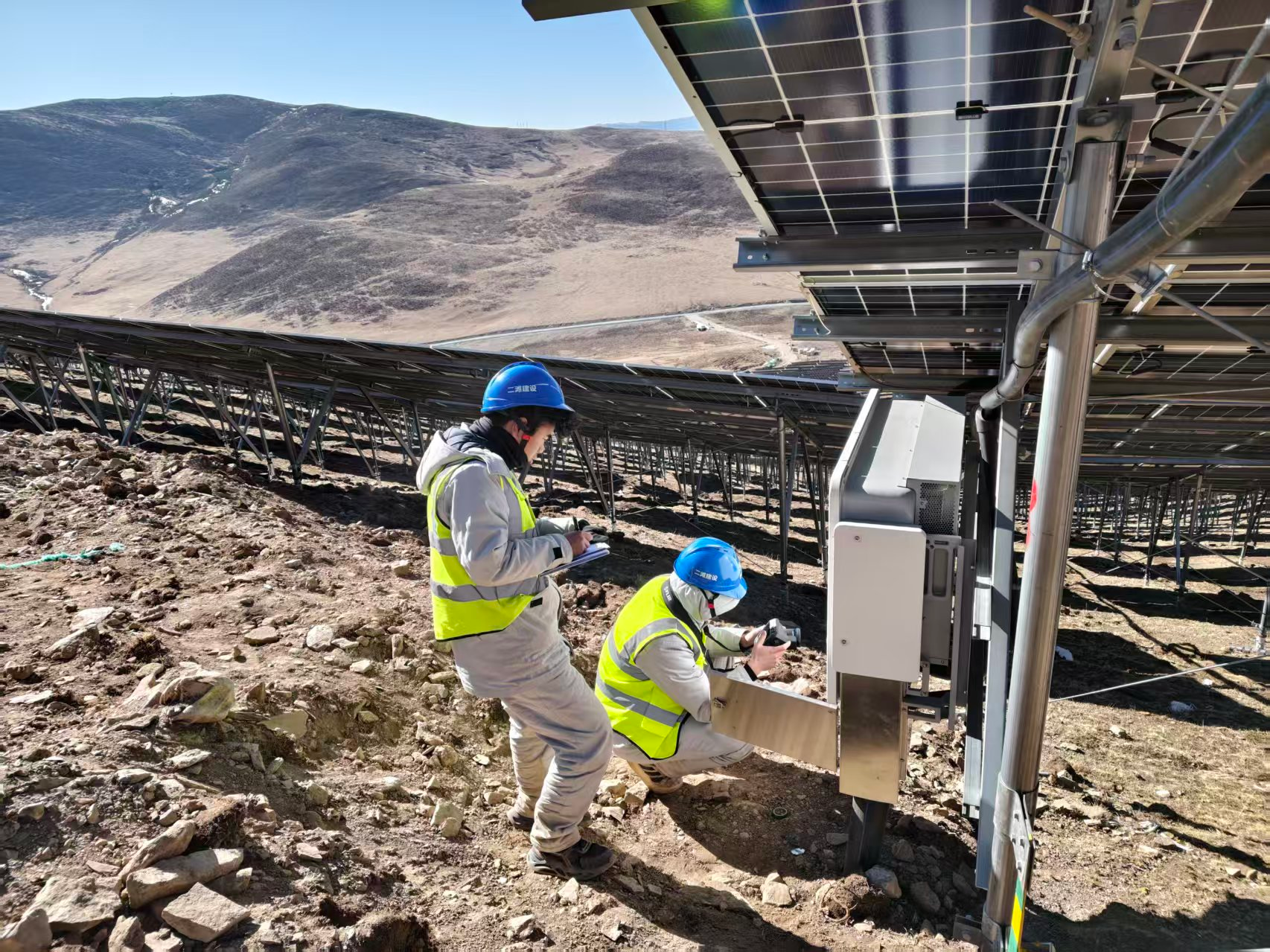
Flir’s Chinese field case applies thermal imaging across photovoltaic maintenance. The feature examines defect detection, inspection safety, and the limits of supplier-reported results.
-

IN Power Issue 3 examines electrification beyond headline generation figures. The complete summer magazine is free to read, covering microgrids, grid resilience, conductor materials, and industrial power quality.
-

Q2 advanced Britain’s connections, storage, standards, and transmission programmes further. Renewable growth continued, while fuel-price volatility and inverter controls kept system resilience central to energy engineering.
-
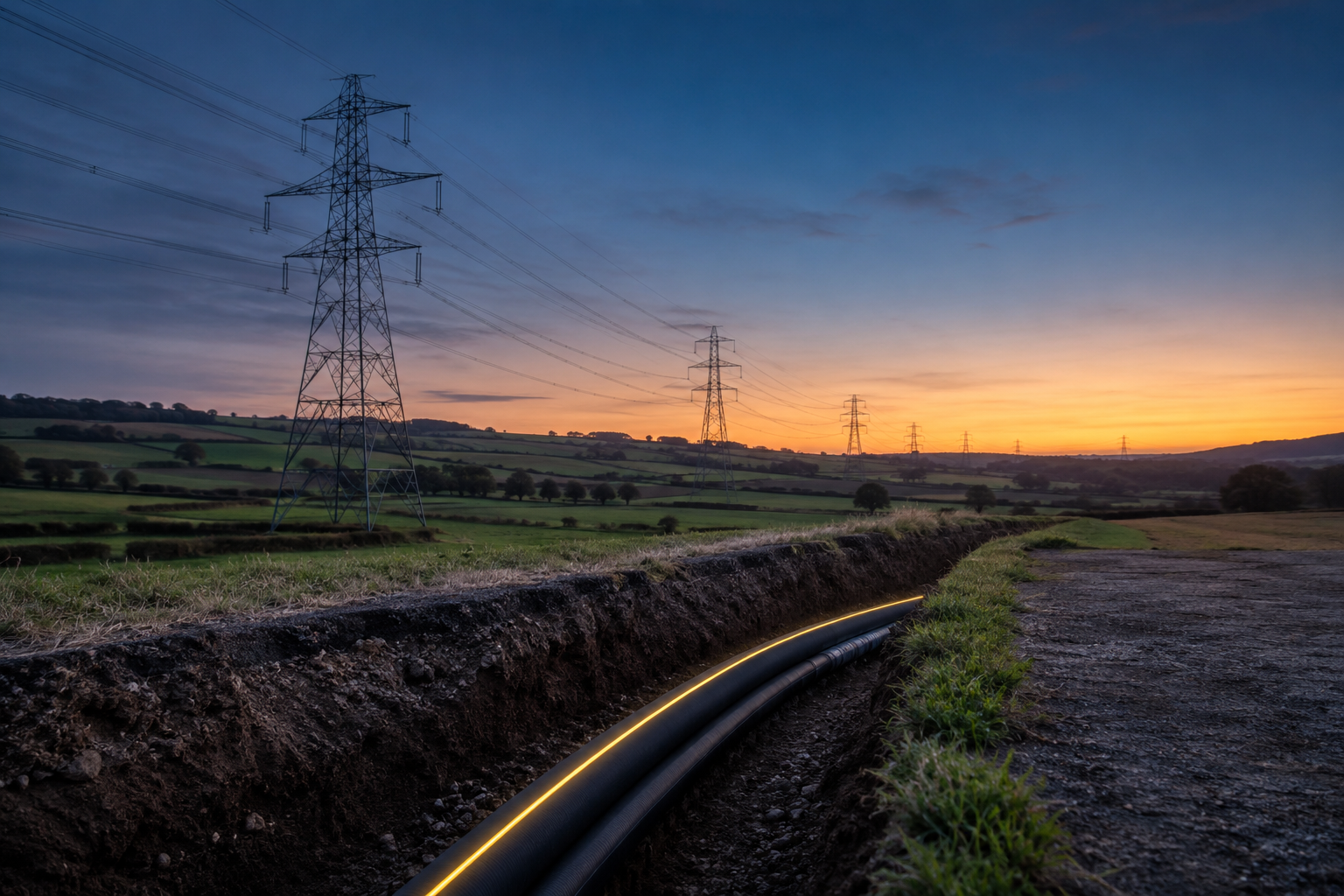
Britain already buries cables, but not across every voltage level. As transmission projects advance, the pylon debate now turns on cost, capacity, landscape impact, repairability, soil disruption, and how communities share the burden of national infrastructure.