
Generation
—
-
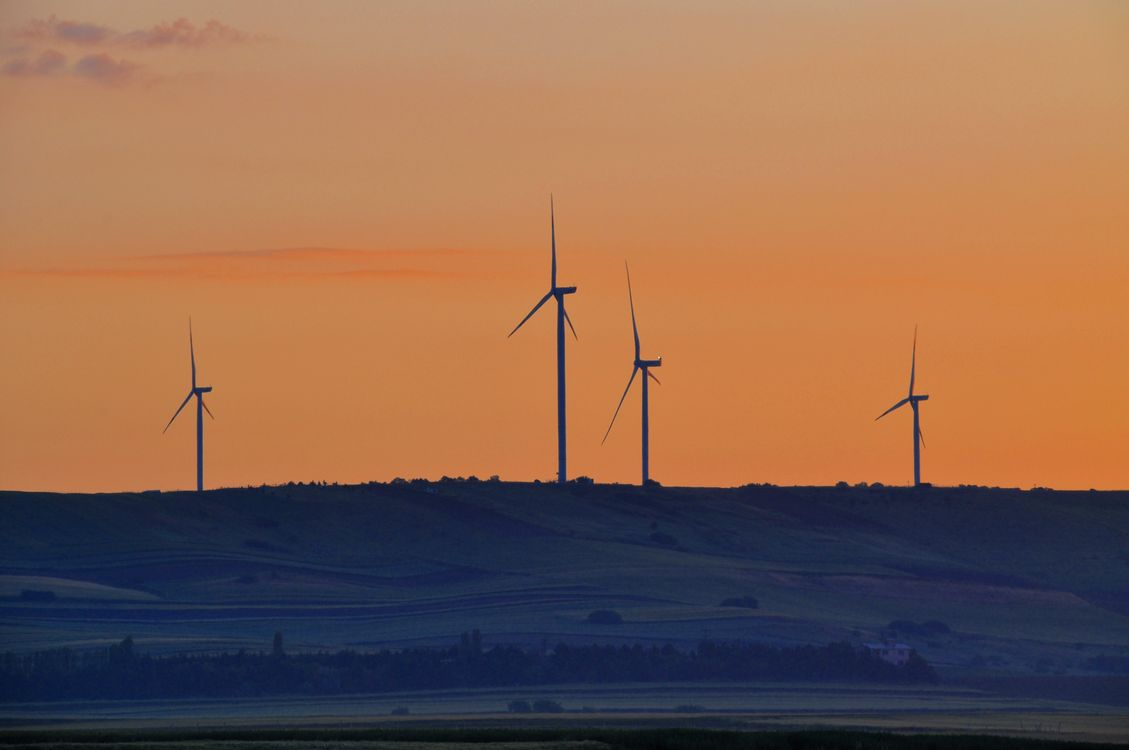
Three partners have formalised plans for large-scale Québec wind development. Innergex will coordinate development and construction in the Wocawson area, which has estimated generating potential of approximately 1 GW.
-
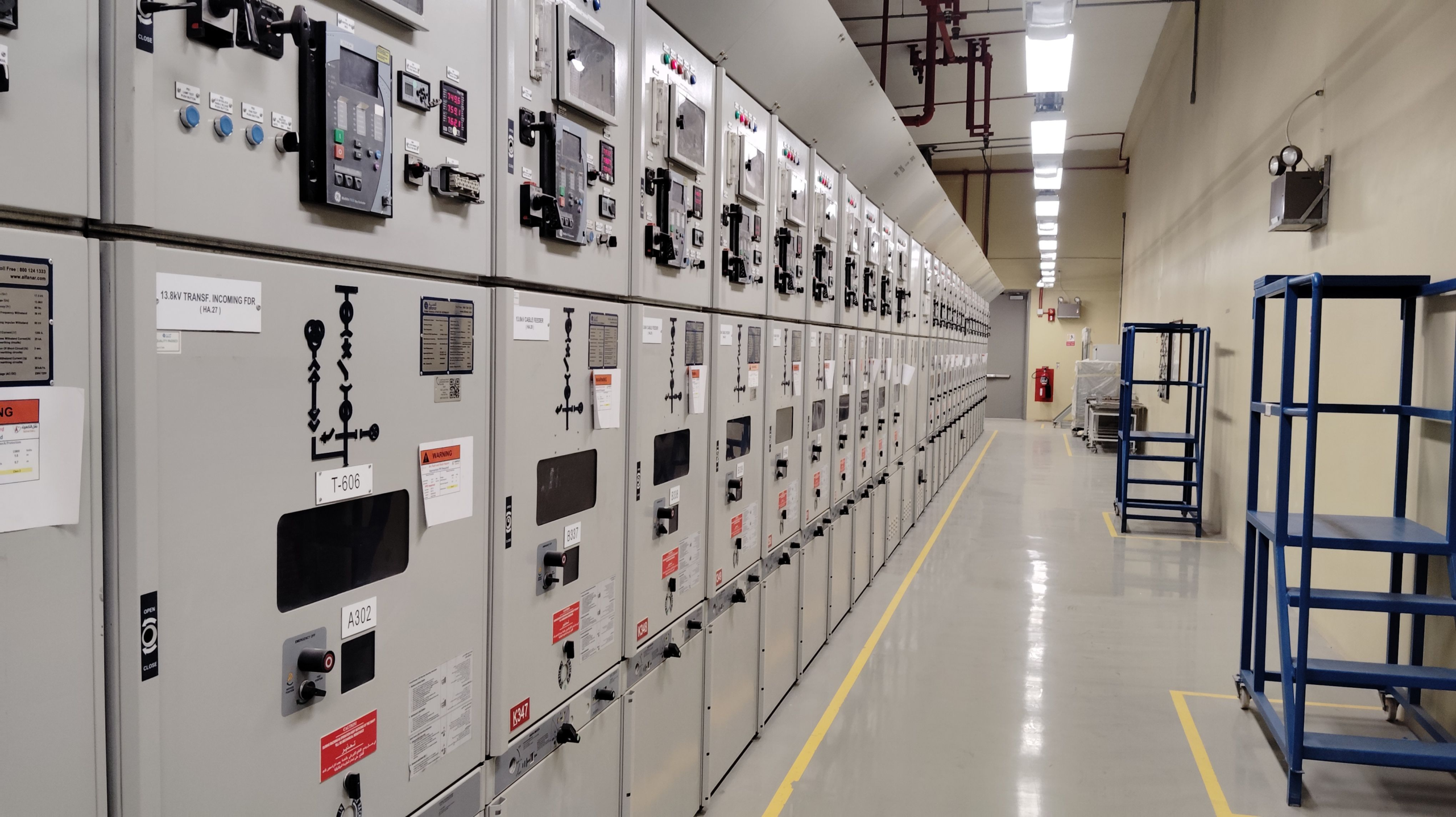
AVK is integrating critical power systems at a European campus. Its initial 120 MW data centre project incorporates more than 50 gas generators, modular switchgear assemblies, two battery systems, and coordinated controls.
-
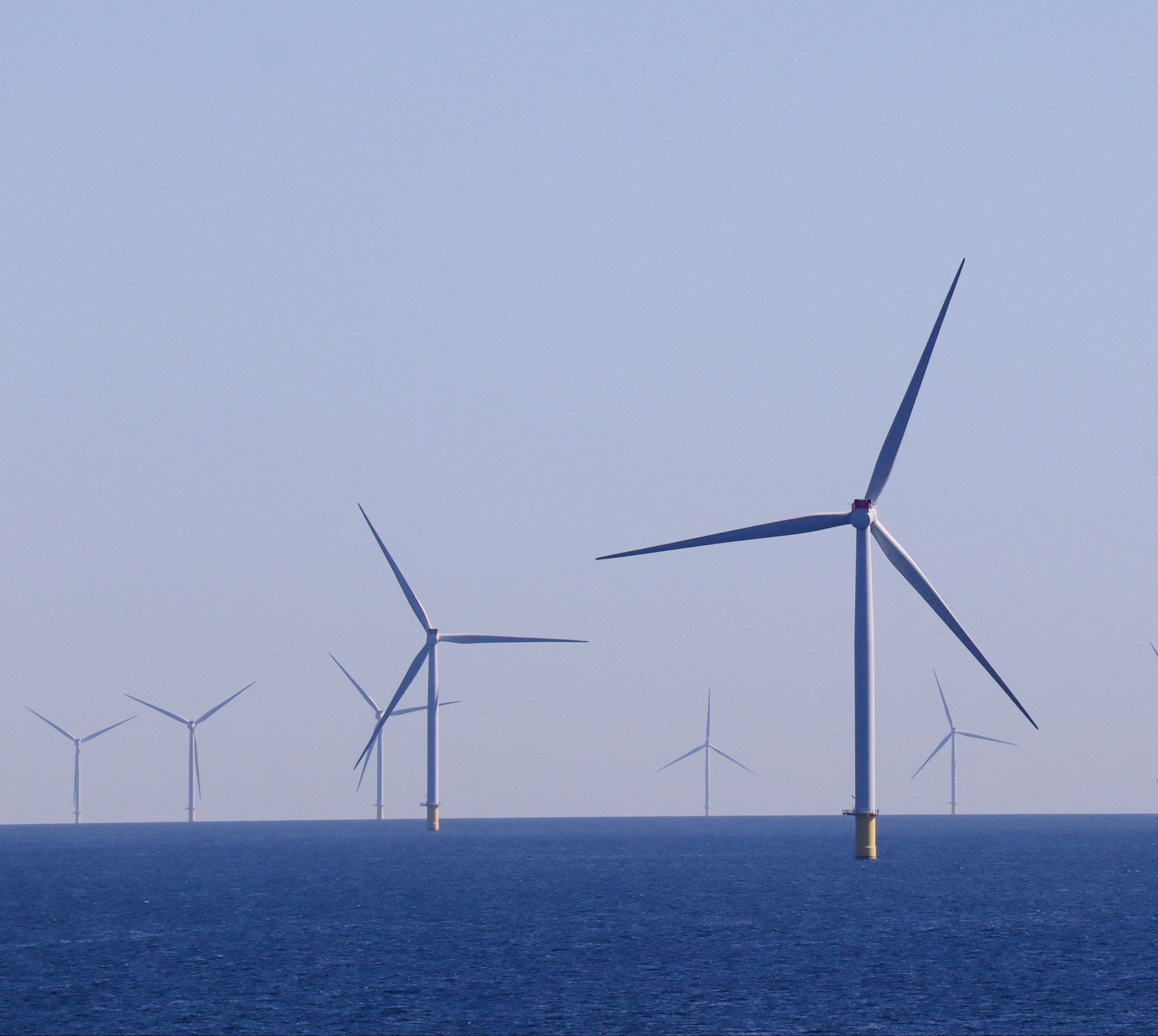
Xodus has identified substantial variations in offshore wind decommissioning provisions. Its research covers 37 operational UK wind farms, finding that financial allowances for removing turbines of comparable capacity can differ tenfold.
-
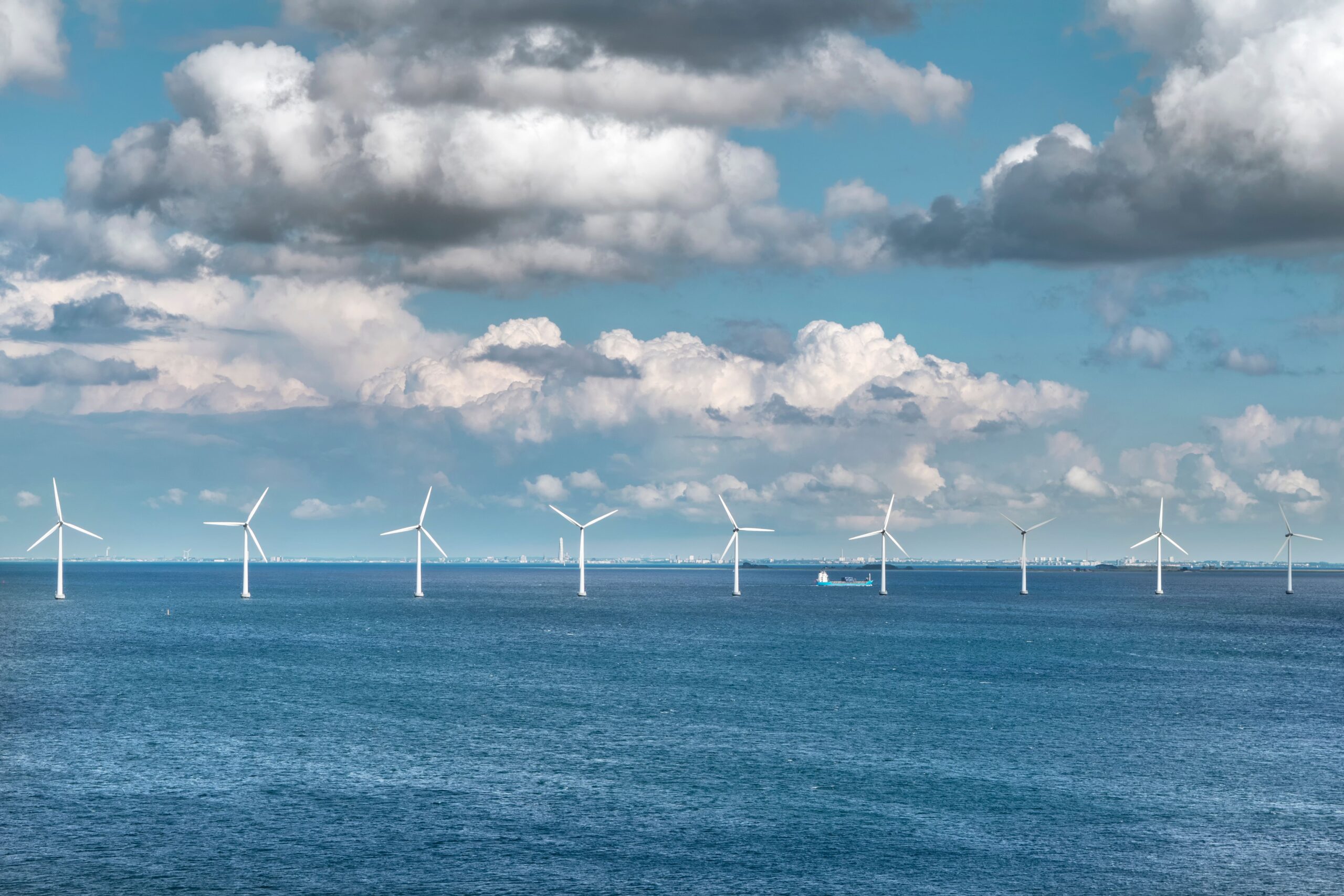
SmartestEnergy has secured two major British offshore wind purchasing agreements. The 20-year contracts cover 25% of the electricity generated by the combined 2.8 GW Norfolk Vanguard East and West developments.
-
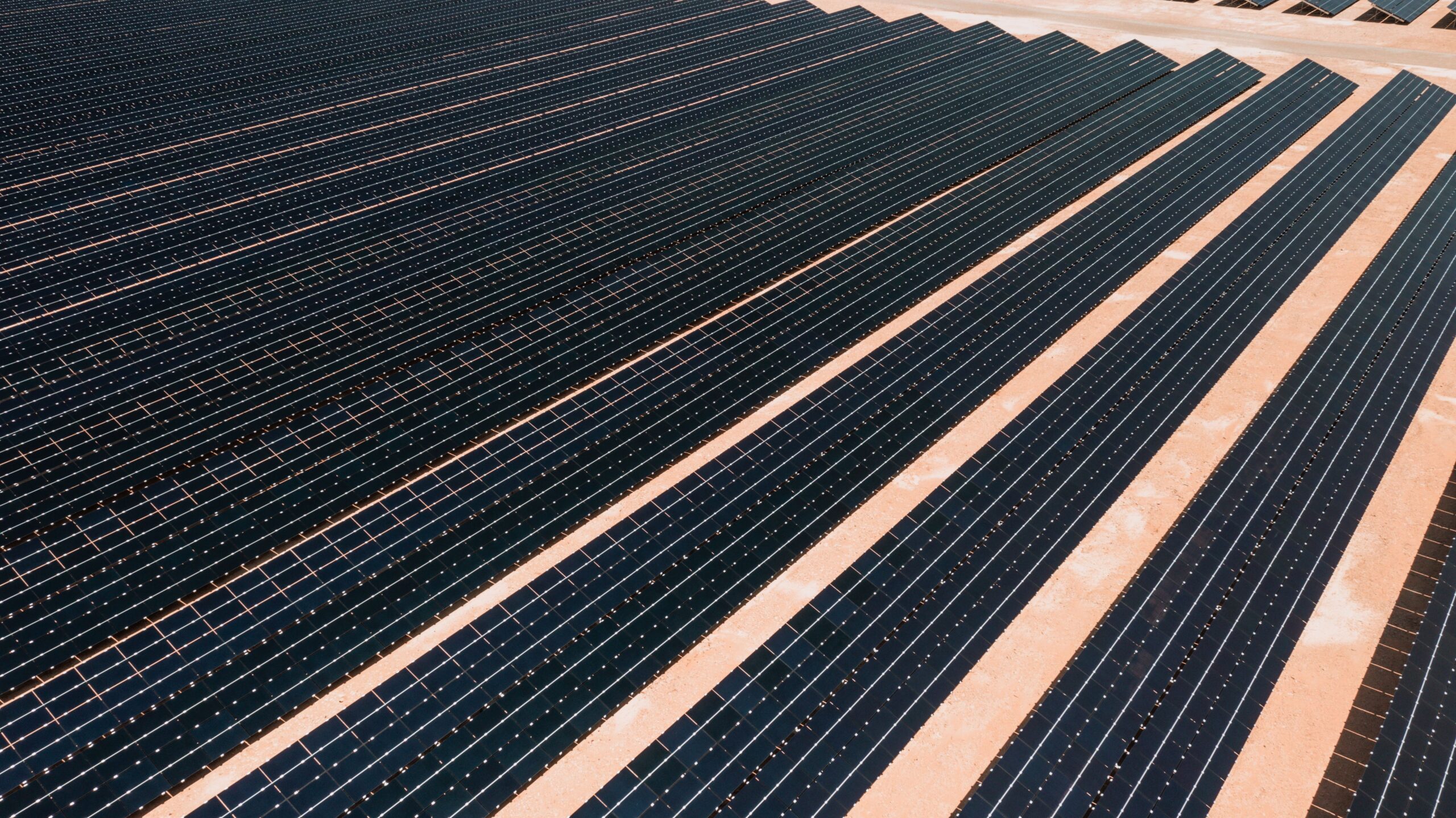
Zenith Energy has expanded its Italian photovoltaic project development pipeline. A further proposed 4 MWp photovoltaic installation in Pavia takes the portfolio to approximately 242 MWp, exceeding its year-end target.
-
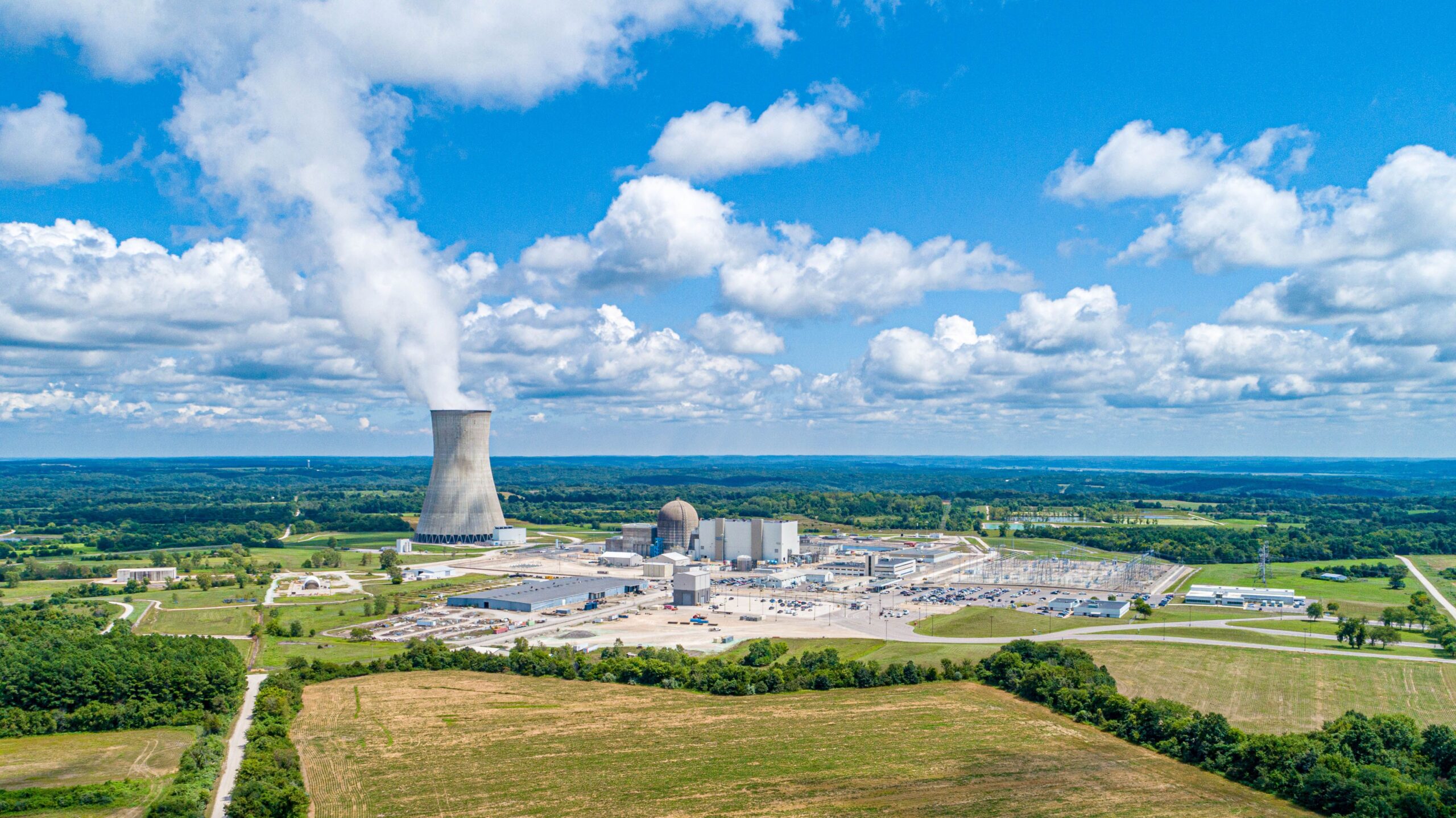
Framatome has opened a dedicated French nuclear reactor manufacturing workshop. The nearly €100 million investment at Le Creusot expands capacity for manufacturing and assembling reactor pressure vessel internals for the planned EPR2 fleet.
-
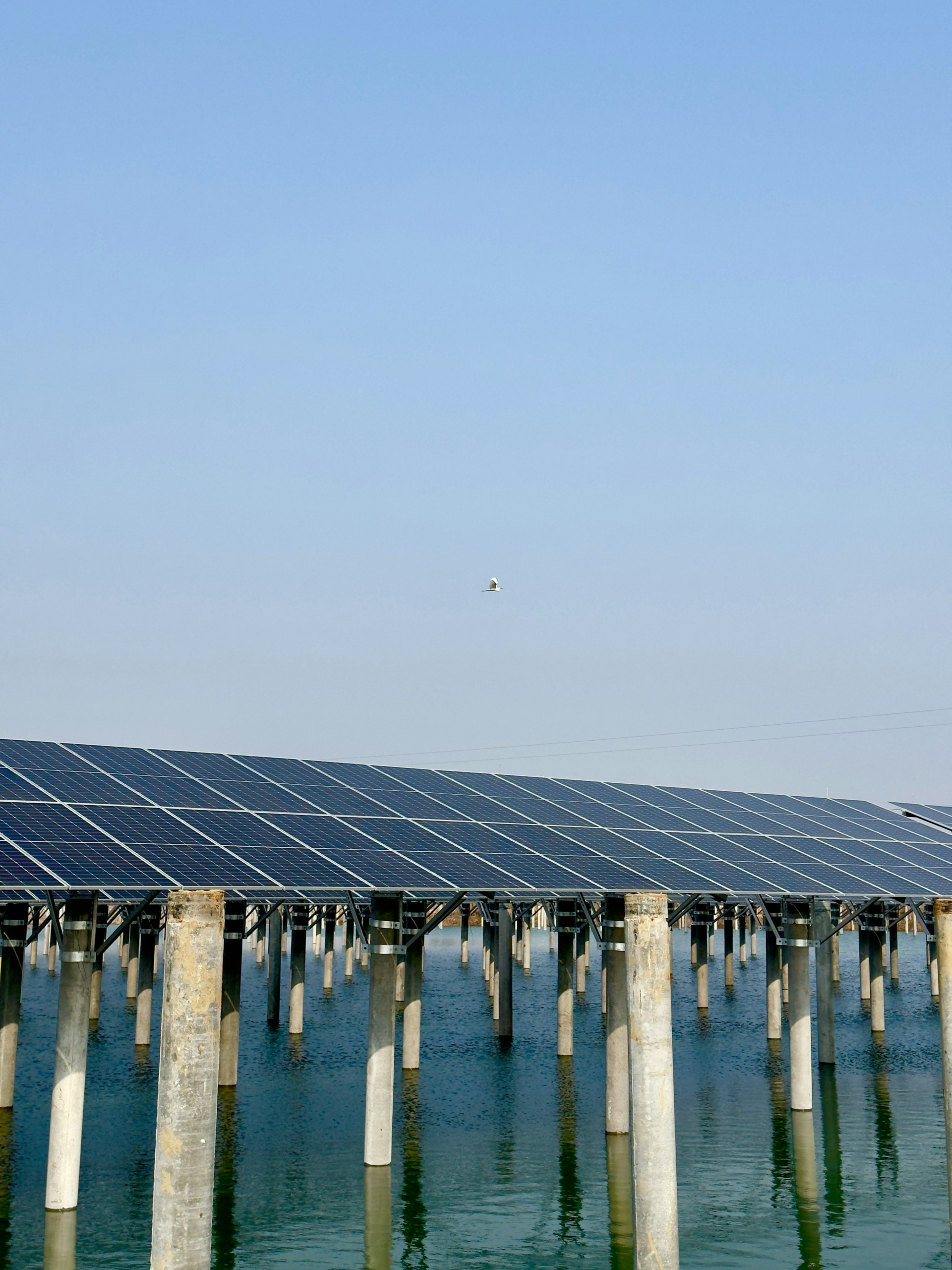
Kyrgyzstan’s first utility-scale floating solar project has secured ADB financing. The development will provide 15 MW of generating capacity at an existing hydropower reservoir, supported by $22.02 million of combined financing.
-
Standard Nuclear has advanced regulatory approvals for two American facilities. The company has submitted final safety documentation for its Tennessee and Idaho nuclear fuel production sites, targeting federal operating authorisation in February 2027.
-
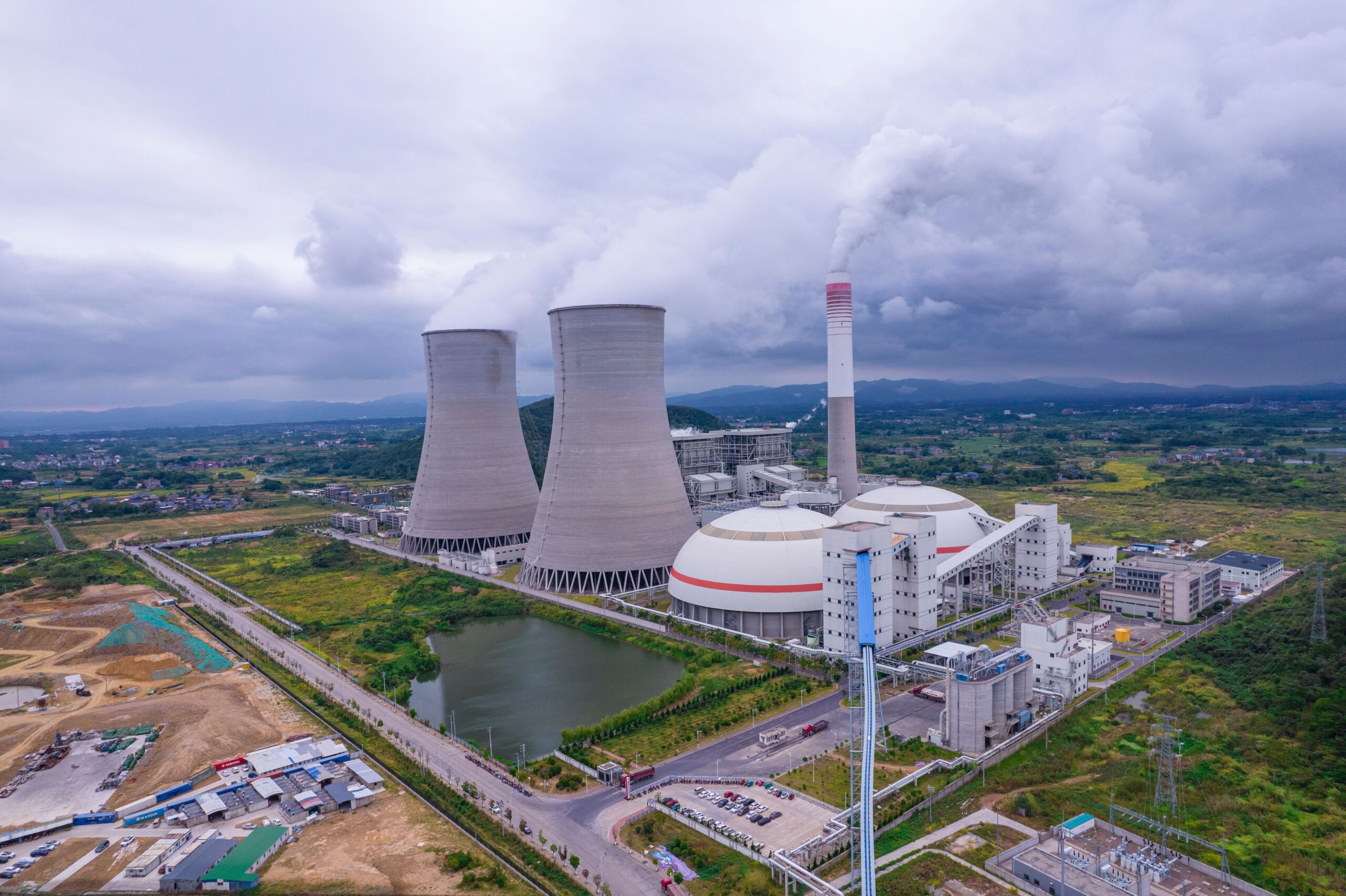
Two Indian nuclear reactors have reached significant start-up programme milestones. Kaiga Unit 1 has achieved criticality following refurbishment, while Rajasthan Unit 8 has received regulatory permission for its first approach to criticality.
-
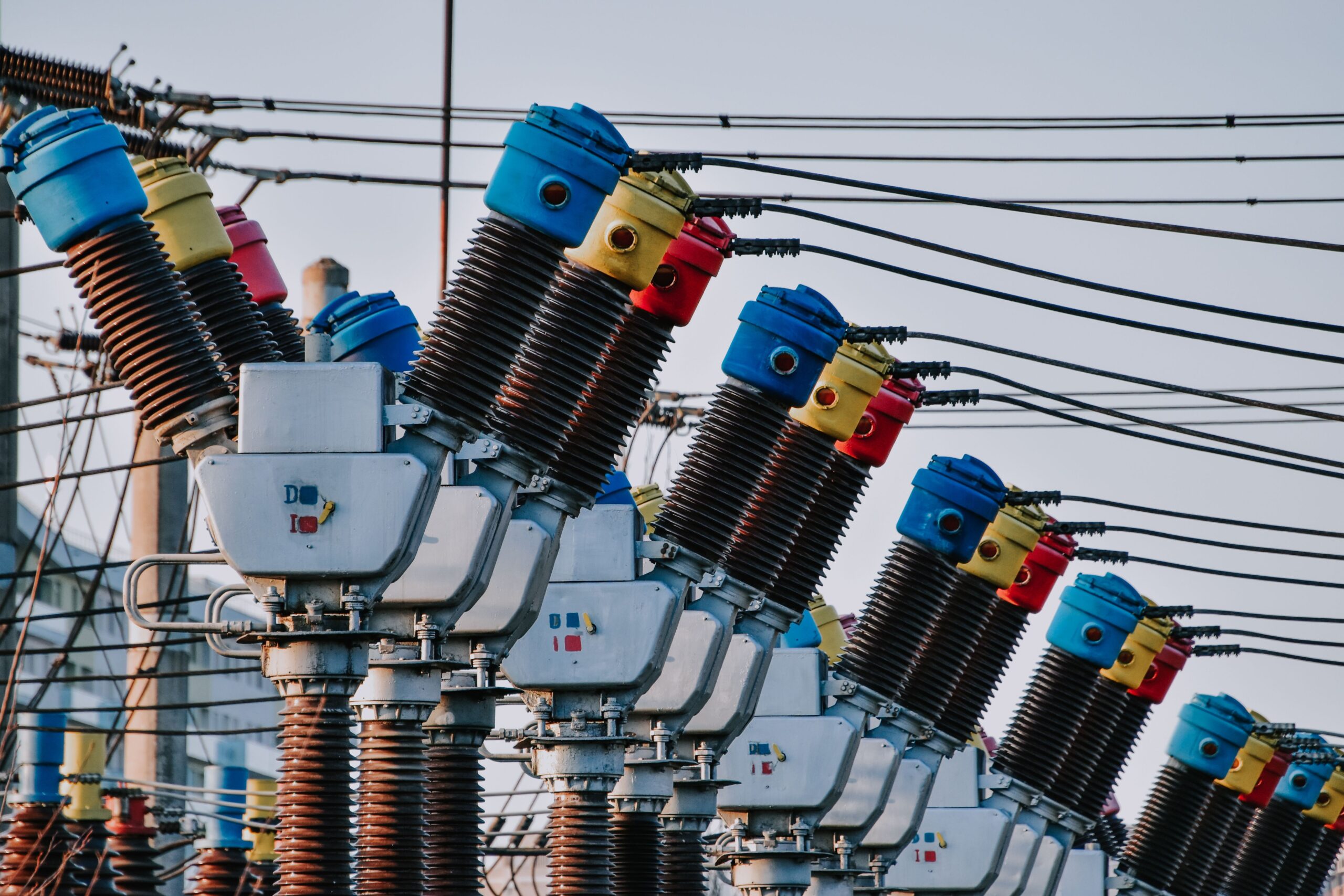
Britain’s electricity balancing costs reached record levels during October 2026. NESO’s latest performance figures put monthly expenditure at £745 million, taking financial year-to-date costs beyond £2.7 billion amid reports of additional Treasury financing.