IN Brief:
- UK Power Networks has taken first place in the 2026 Best Companies Big Company to Work For ranking.
- The operator employs about 6,500 people, recruits approximately 50 apprentices a year and reports 486 employees with 40 or more years of service.
- The award measures employee engagement; network service performance is assessed separately.
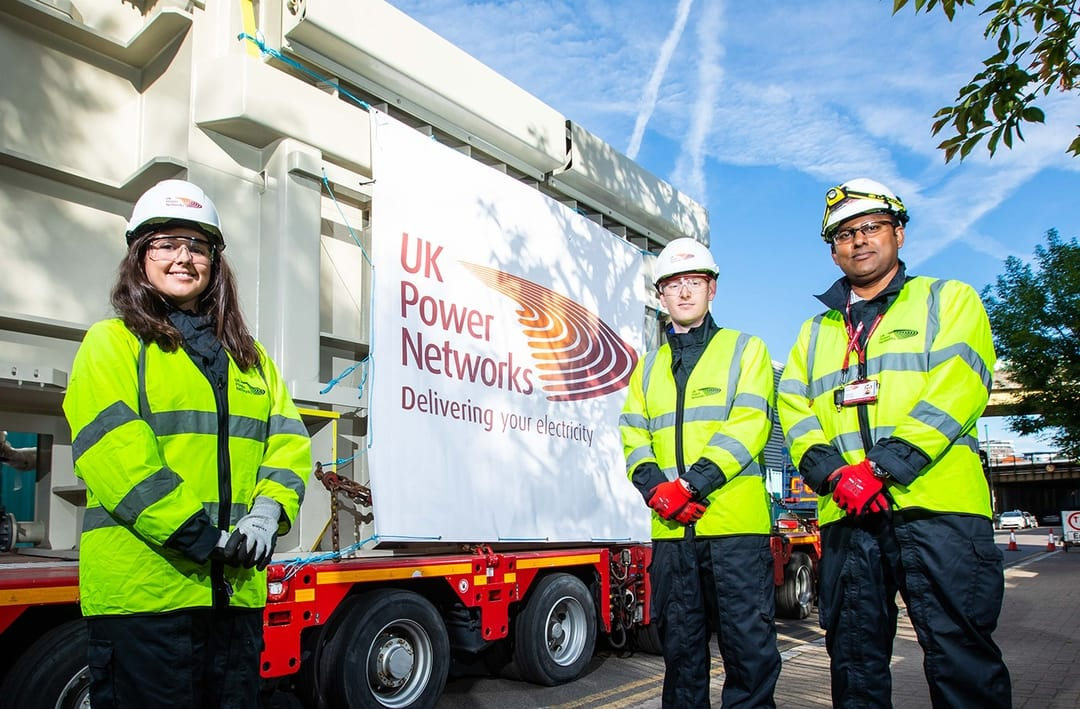
UK Power Networks has been ranked Britain’s Best Big Company to Work For in the 2026 Best Companies awards. The electricity distribution operator employs around 6,500 people across London, the East of England and the South East, and has highlighted apprenticeships, staff development and long service alongside its latest employee engagement ranking.
The result was announced at the Best Companies Big Reveal on 19 November and confirmed by UK Power Networks the following day. The organisation’s offices and operational locations include London, Ipswich, Bury St Edmunds, Crawley and Maidstone. The company reports electricity supply reliability of 99.99%, although that operational figure is separate from the employee survey on which the workplace award is based.
Best Companies ranks participating employers through its employee engagement assessment, rather than by electricity network engineering results. The award recognises how staff experience their workplace and management, while network reliability is judged through separate operational and regulatory measures. UK Power Networks operates infrastructure serving millions of customers, where recruitment, supervision and staff competence remain essential to the delivery of maintenance, reinforcement and new connections.
Around 50 apprentices are recruited by the operator each year. Electrical network apprenticeships combine formal qualifications with supervised work on equipment and procedures that cannot be learned safely through classroom instruction alone. Substation fitters, cable jointers and overhead-line workers need competence in identifying hazards, isolating equipment, proving it dead and following the relevant permit and authorisation arrangements. Their progression into productive network roles depends on practical assessment as well as completion of the training programme.
UK Power Networks also reports 486 members of its 40+ Club, each with at least four decades of service. Experienced employees retain knowledge of asset condition, historical network modifications and the local conditions affecting repair work. Those insights can support fault investigation and the training of newer colleagues, although long service is not itself a measure of current technical competence. Protection systems, digital monitoring and changed operating practices require continuing assessment for established staff as well as new entrants.
The company’s development arrangements include paid training and leadership programmes. Best Companies’ published profile identifies a Leadership Academy and accredited learning undertaken by managers. Management development sits alongside technical qualifications, because supervisors must organise safe systems of work, allocate resources and oversee contractors operating close to energised infrastructure. The employer ranking does not quantify how particular training programmes have affected interruption rates or project delivery.
A work-experience programme has also helped former military personnel obtain permanent roles in the energy sector, according to the company. The scheme offers an additional recruitment route for people with experience in technical operations and procedural controls. Previous service experience does not replace the authorisations required in electricity distribution, where each worker must demonstrate competence for the relevant equipment, voltage and task before undertaking operational duties.
Andrew Pace, director of HR at UK Power Networks, said: “Supporting our people to grow and develop is essential.” He linked the company’s approach to learning, wellbeing and leadership development. Jonathan Austin, chief executive of Best Companies, said the distributor had maintained its employee engagement work over 13 years, particularly by listening to staff and acting on feedback. Both statements concern workforce development rather than a new engineering investment commitment.
UK Power Networks also holds Platinum-level Investors in People accreditation and says it has won Utility of the Year five times. Those recognitions operate under different criteria and should be considered separately. Ofgem assesses distribution network performance using measures that include customer interruptions and customer minutes lost, distinguishing the frequency of supply failures from the duration of outages. A workplace engagement award cannot substitute for those service measures.
The operator’s reported 99.99% reliability rests on a combination of equipment condition, protection, fault location, switching and restoration processes. Remote monitoring and remotely operated network assets can help teams isolate a fault and restore supplies, but field engineers are still needed for repairs, inspections and safe reconnection. The interplay between equipment and workforce capability is especially relevant as network operators add connection capacity and accommodate more variable electricity flows.
Greater demand from electric transport, low-carbon heating and commercial connections is increasing the range of work that distribution companies must coordinate. Network planners, design engineers, jointers, linespeople, protection specialists and project managers bring different qualifications to those tasks. UK Power Networks has not announced an additional recruitment target or a larger annual apprentice intake as a consequence of the award, so the existing figures should not be read as a new workforce expansion programme.
The 2026 ranking confirms UK Power Networks’ first place in the Best Companies big-employer category, following years of participation in its engagement assessments. Its continuing training programmes and reported retention figures provide concrete context for the result. Future progress on network delivery will remain measurable through recruitment outcomes, safety performance and electricity service data, independently of workplace awards.