
Digitalisation
—
-
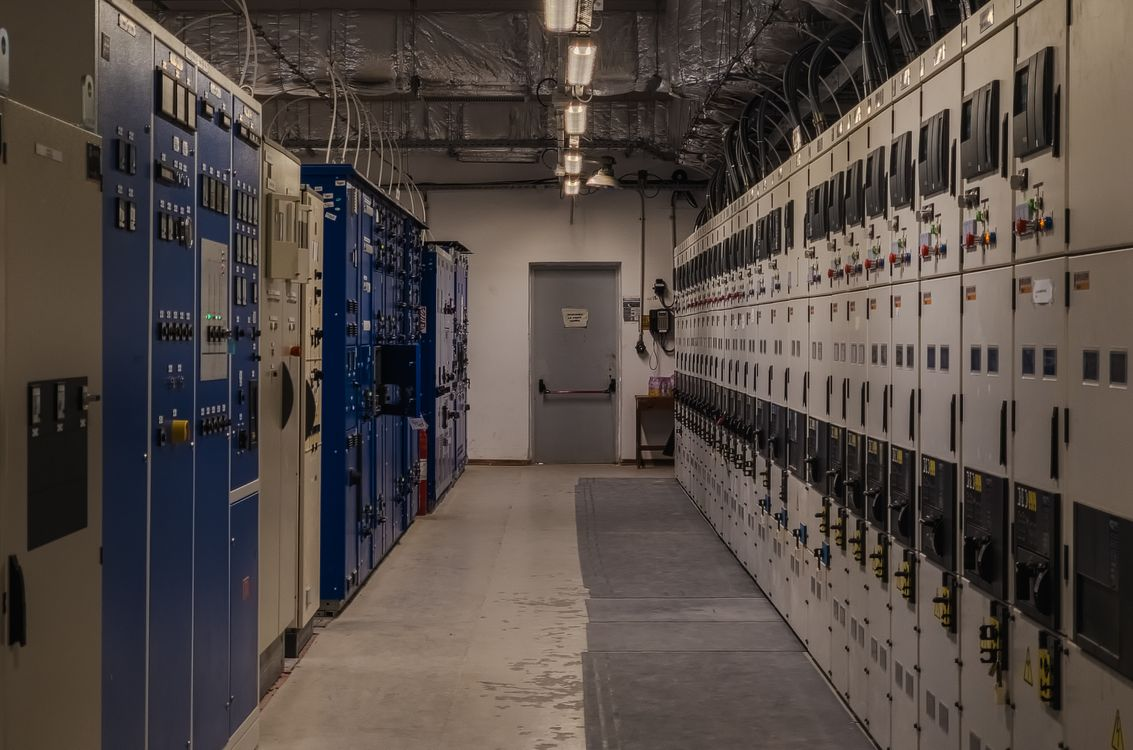
Ofgem has proposed shared registration arrangements for distribution network assets. Its Central Asset Register consultation examines how information should be maintained, exchanged and accessed to support network planning and distributed energy flexibility.
-
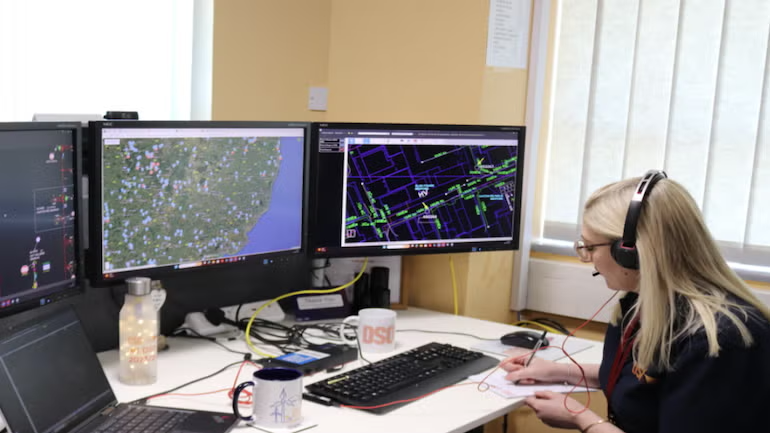
1KOMMA5° has raised fresh capital for its energy software platform. The funding round exceeds €70m and will support investment in Heartbeat AI, which coordinates more than 1GW of distributed electricity flexibility.
-
Linux Foundation has launched OpenGrid for interoperable electricity grid planning. The initiative will create shared schemas, APIs, and translation tools while allowing existing commercial and open source modelling software to remain in use.
-
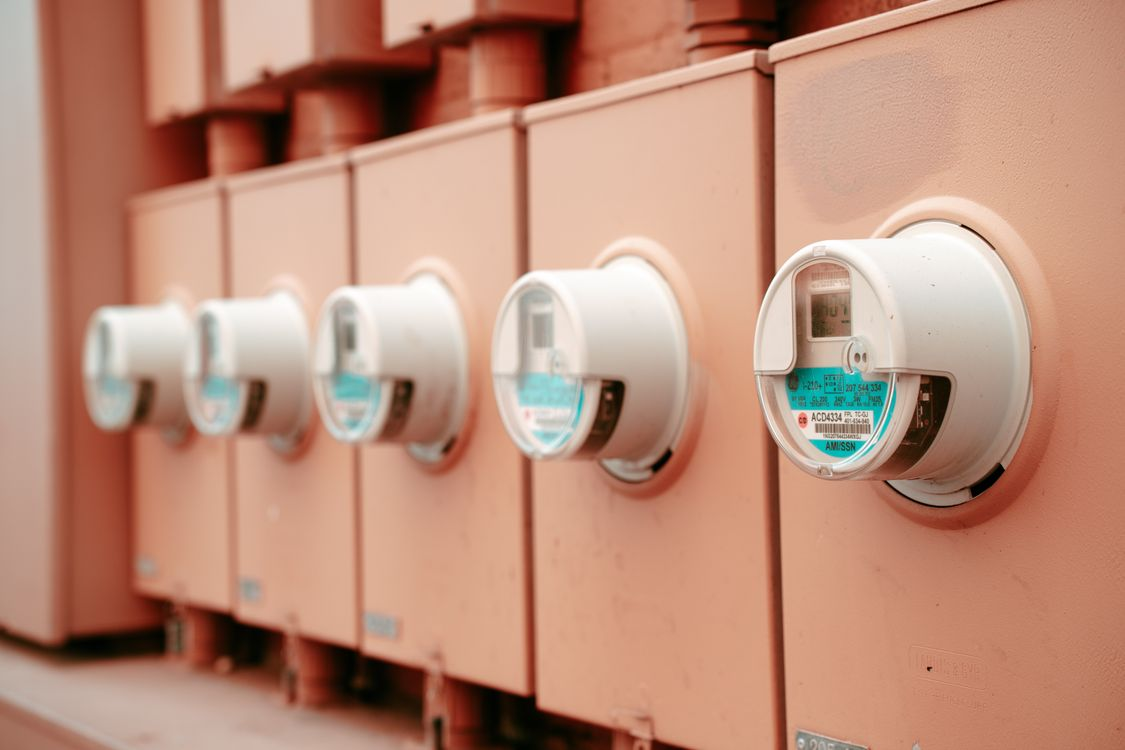
Ofgem has approved enhanced smart meter communications during service disruptions. Selected network information and supported prepayment functions will remain available when the core data service cannot operate normally.
-
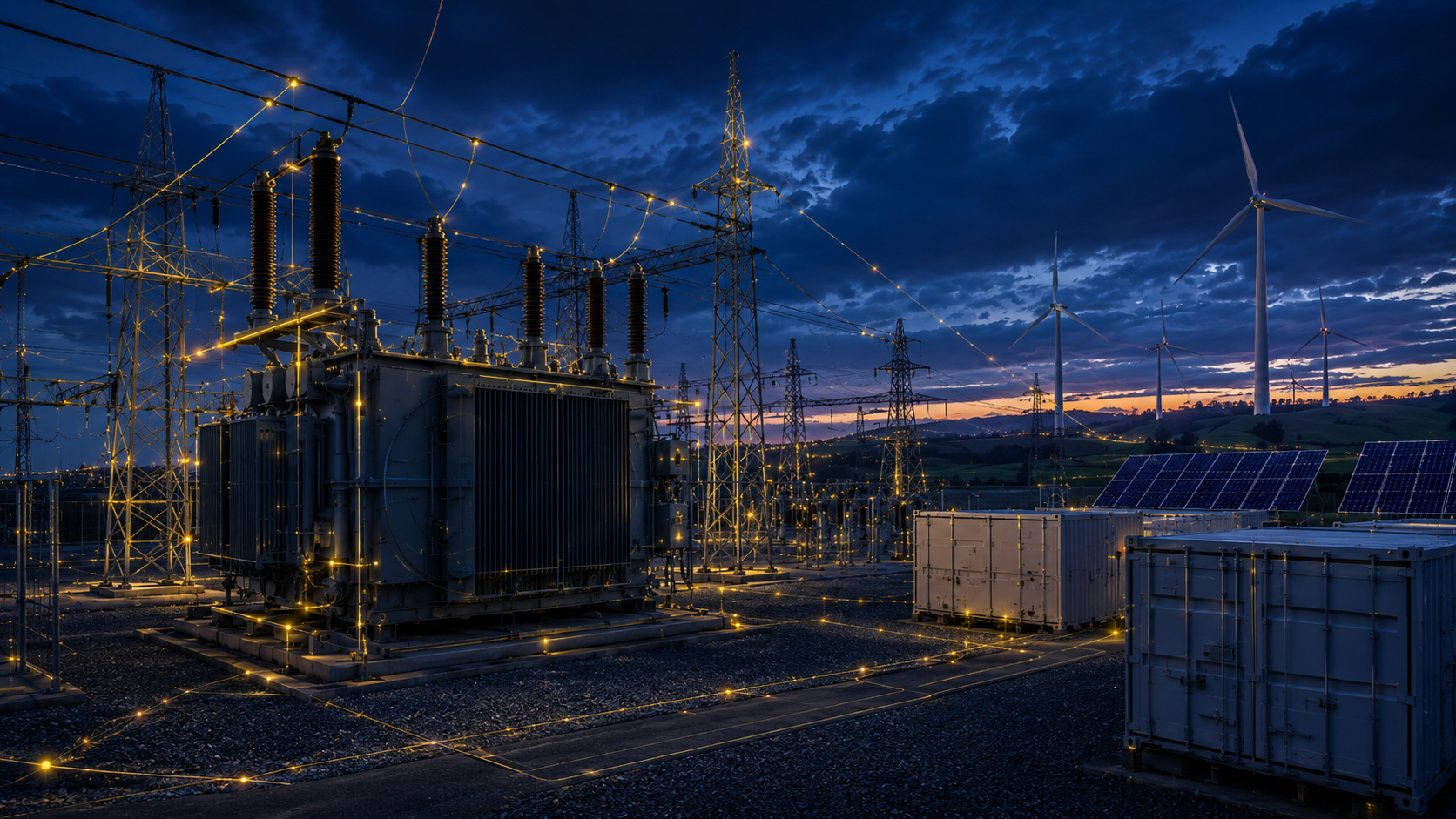
Researchers found thousands of exposed systems across European renewable sites. The study identified 8,547 systems across 35 countries, including administration and control interfaces associated with operating wind and solar assets.
-
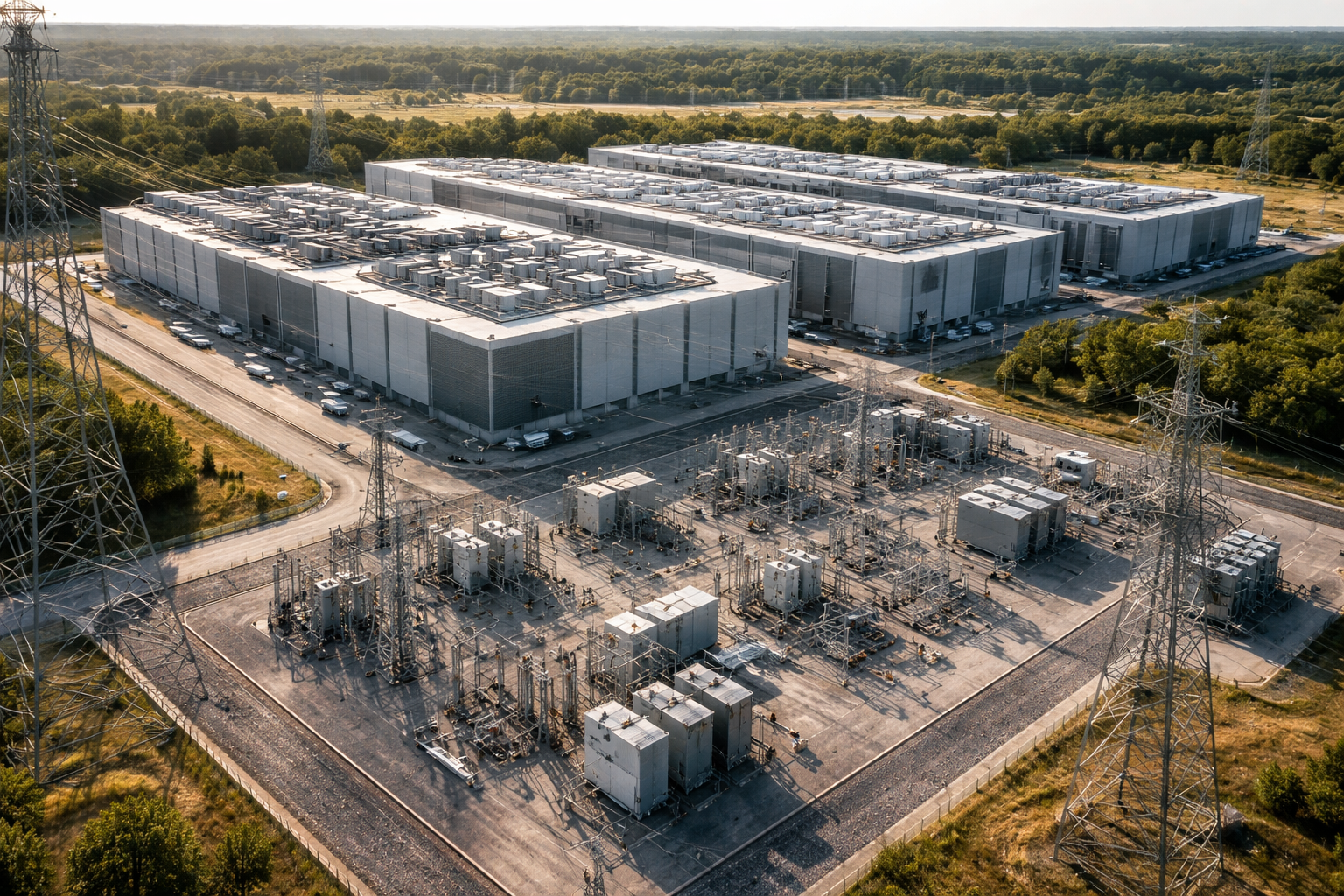
Applied Digital has secured access to potential Finnish power capacity. The planned AI data centre campus could scale towards 1GW from 2028, although the announcement concerns potential future capacity rather than an energised connection.
-
atNorth has secured initial power for its Salo data centre. The Finnish campus starts with a 75MW connection and has a route to 230MW as Fingrid manages rapidly growing demand.
-
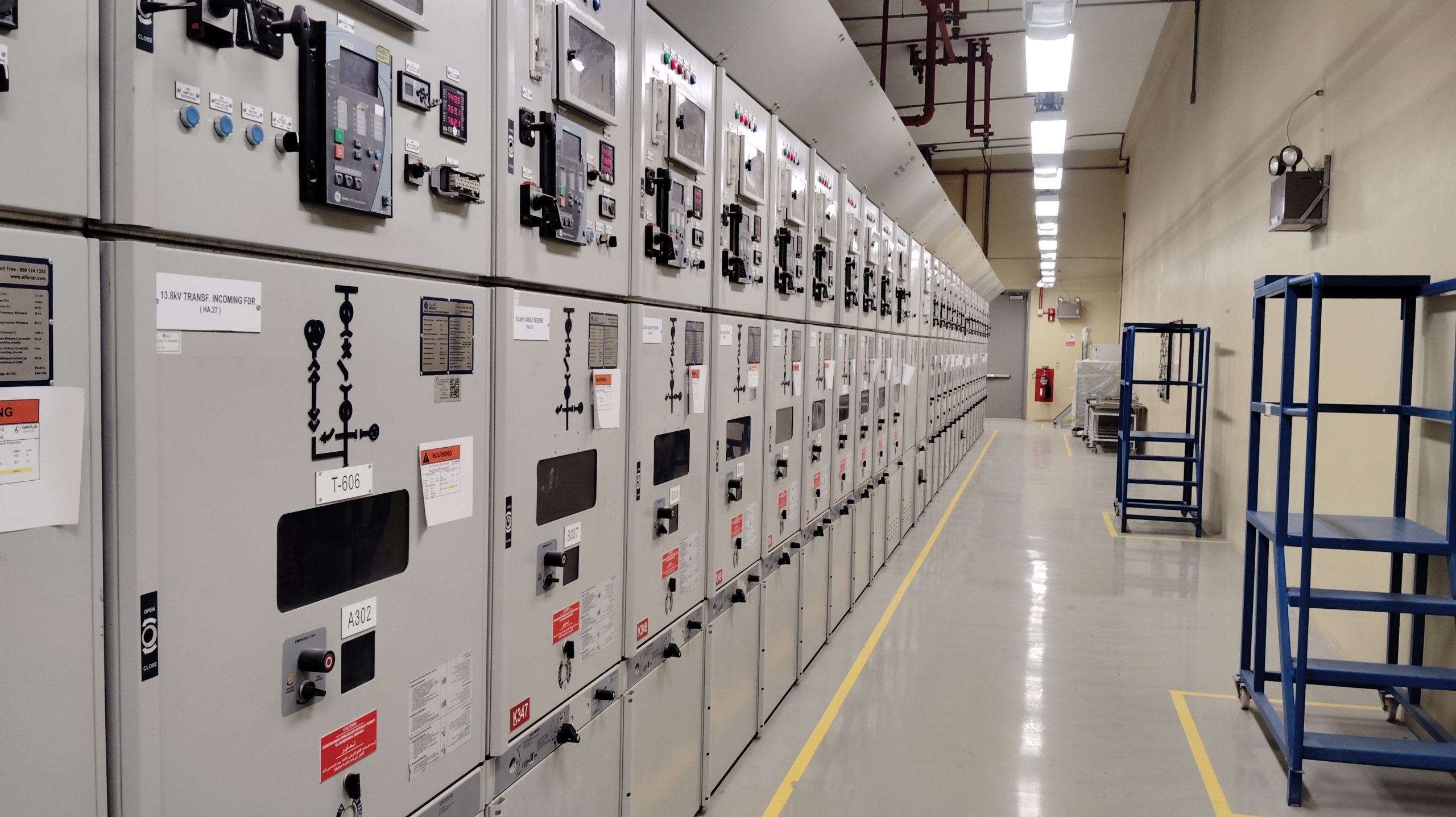
Doble and Megger have completed their electrical asset management merger. The combined ESCO Technologies business brings together portable testing, substation diagnostics, continuous monitoring, software and engineering services.
-
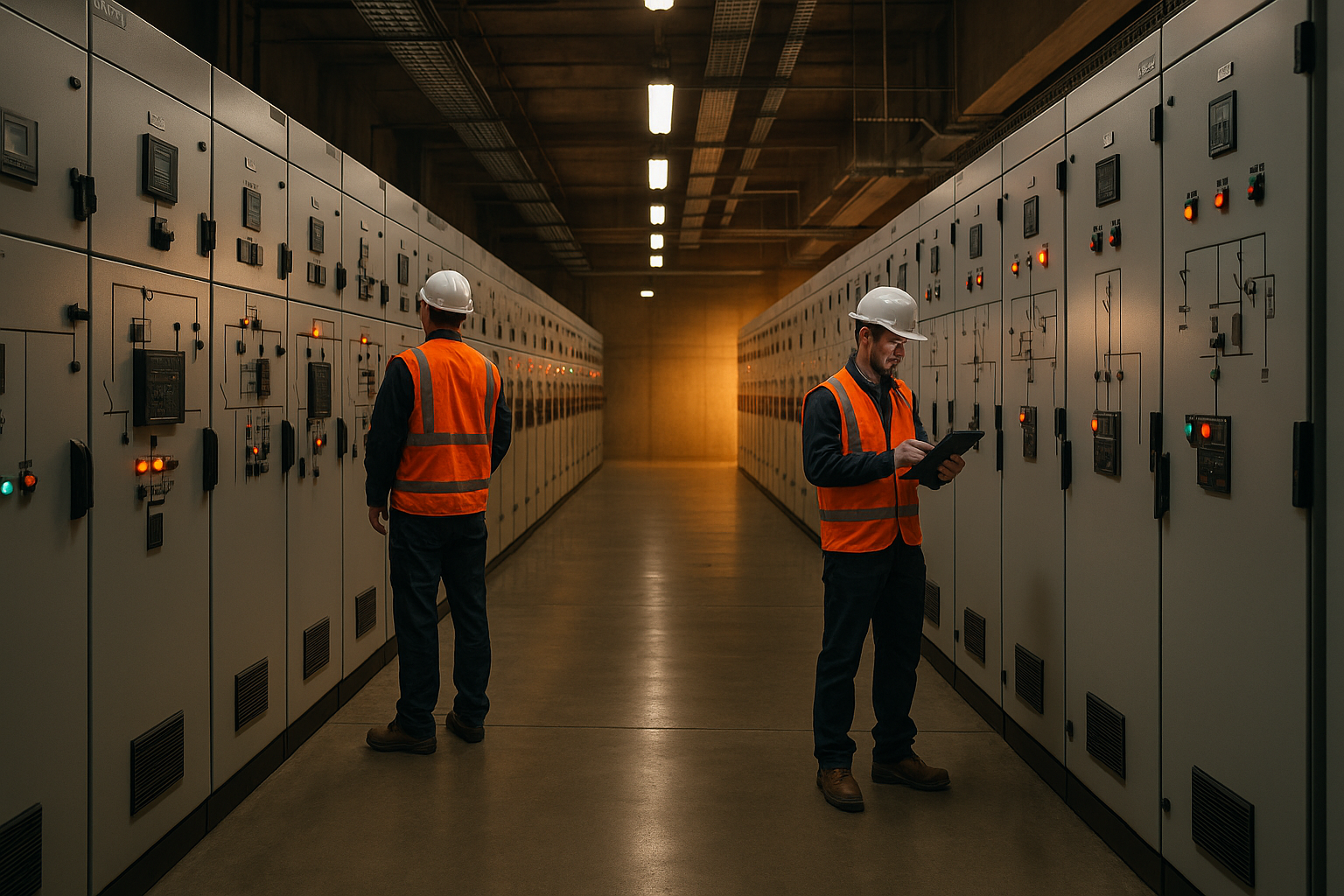
COPA-DATA will demonstrate software-defined grid automation at Enlit Europe 2026. Zenon 16 will span IEC 61850 substations, virtualised control, DMS, renewable assets, cybersecurity, and IIoT services across mixed-generation infrastructure.
-
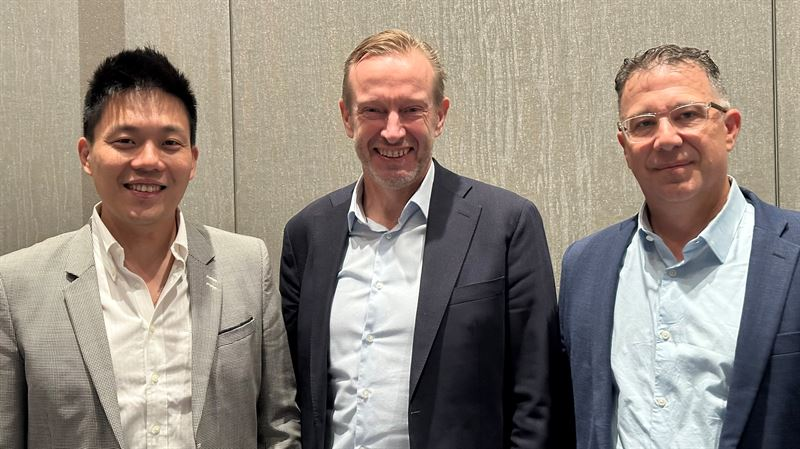
Three partners have aligned US data centre power delivery systems. Wärtsilä, Schneider Electric, and Stanley Consultants are combining onsite generation, electrical infrastructure, automation, engineering, and project execution around high-density AI loads.