
Renewable energy
—
-
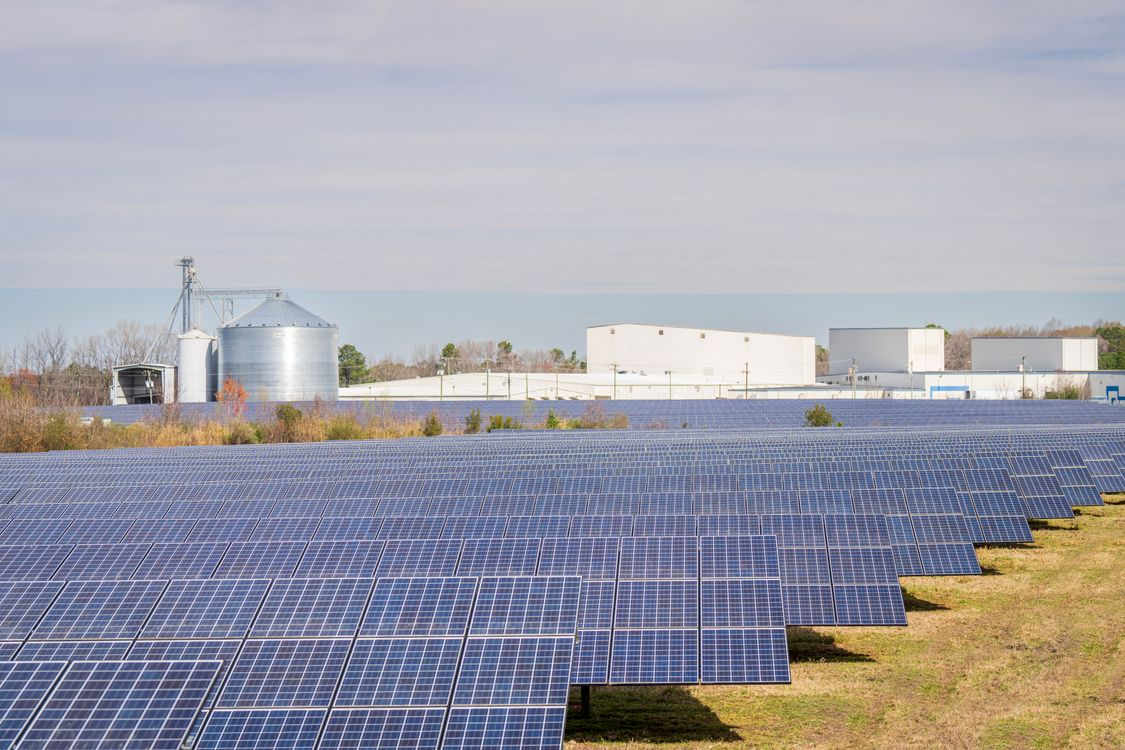
WIRSOL is developing new solar and battery infrastructure near Göttingen. The Parensen project comprises 39 photovoltaic systems and approximately 15MWh of battery capacity, with staged commissioning scheduled into 2027.
-
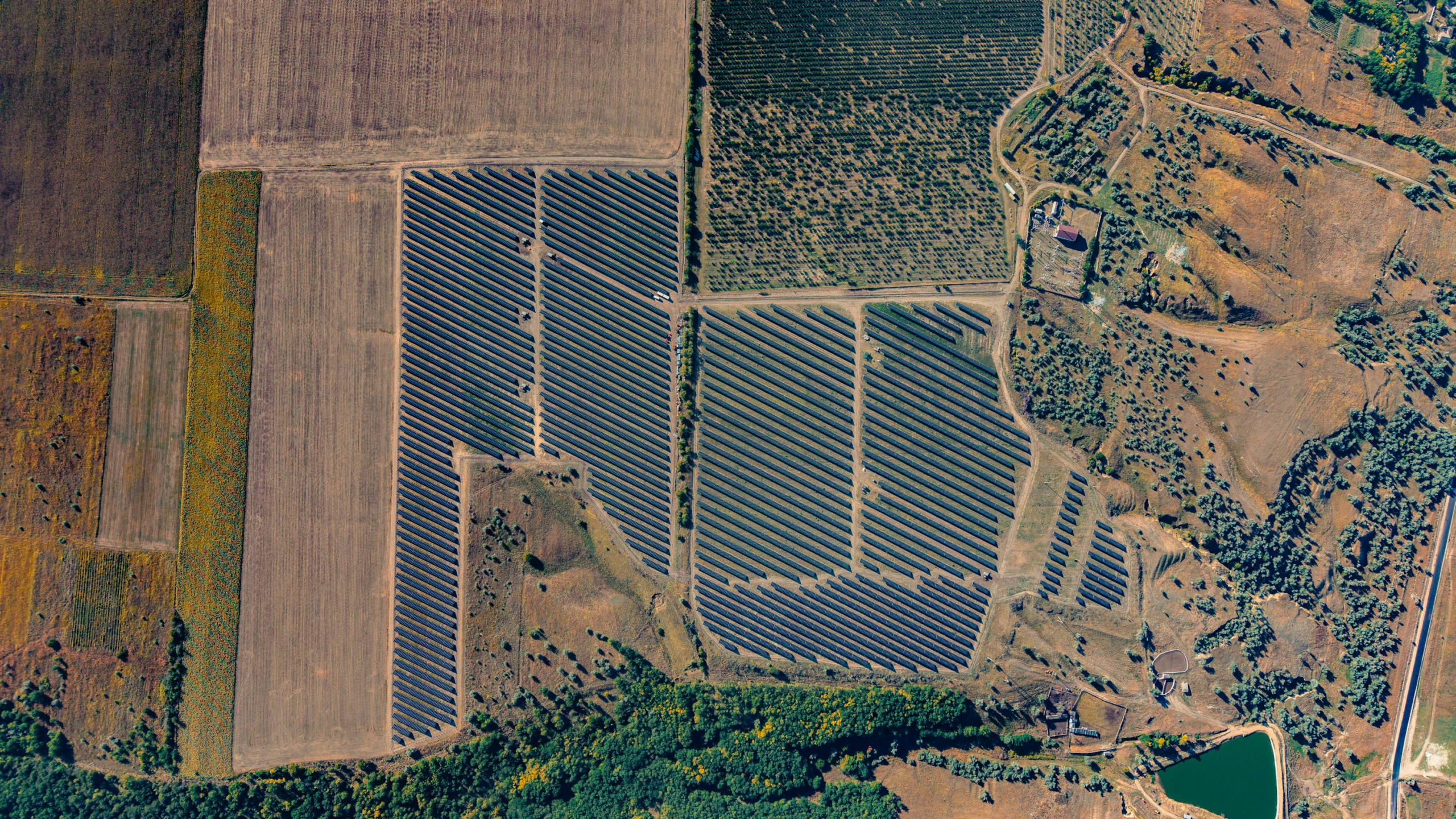
Doral has completed construction of three Mammoth Solar expansion phases. The additional 900MWac is nearing commercial operation and will join the existing 400MW Mammoth North facility in Indiana, raising the complex to approximately 1.3GWac.
-
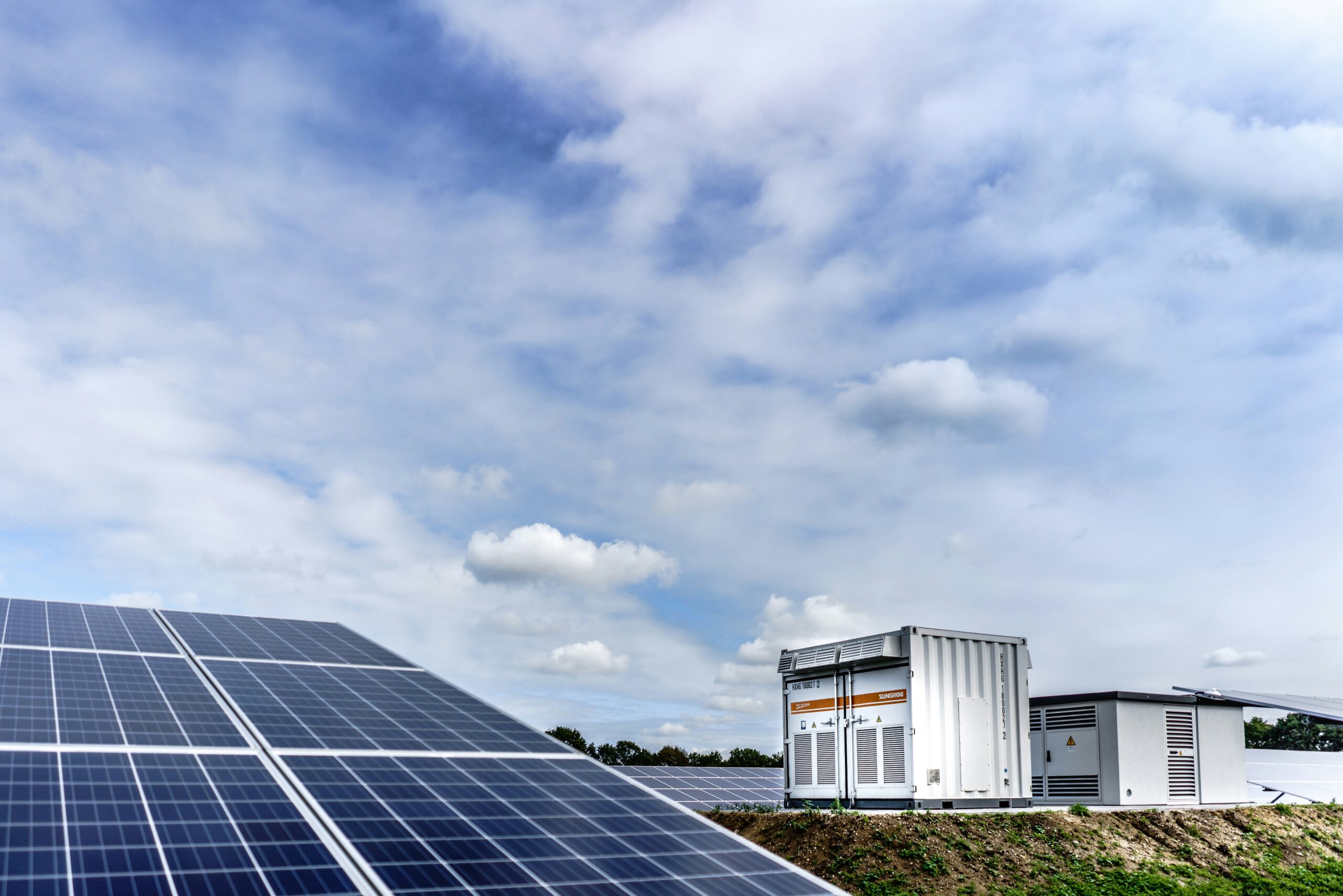
Enery has opened its Knizhovnik hybrid power plant in Bulgaria. The 122MWp photovoltaic plant incorporates 200MWh of storage, alongside a new physical electricity supply agreement with Coca-Cola HBC Bulgaria.
-
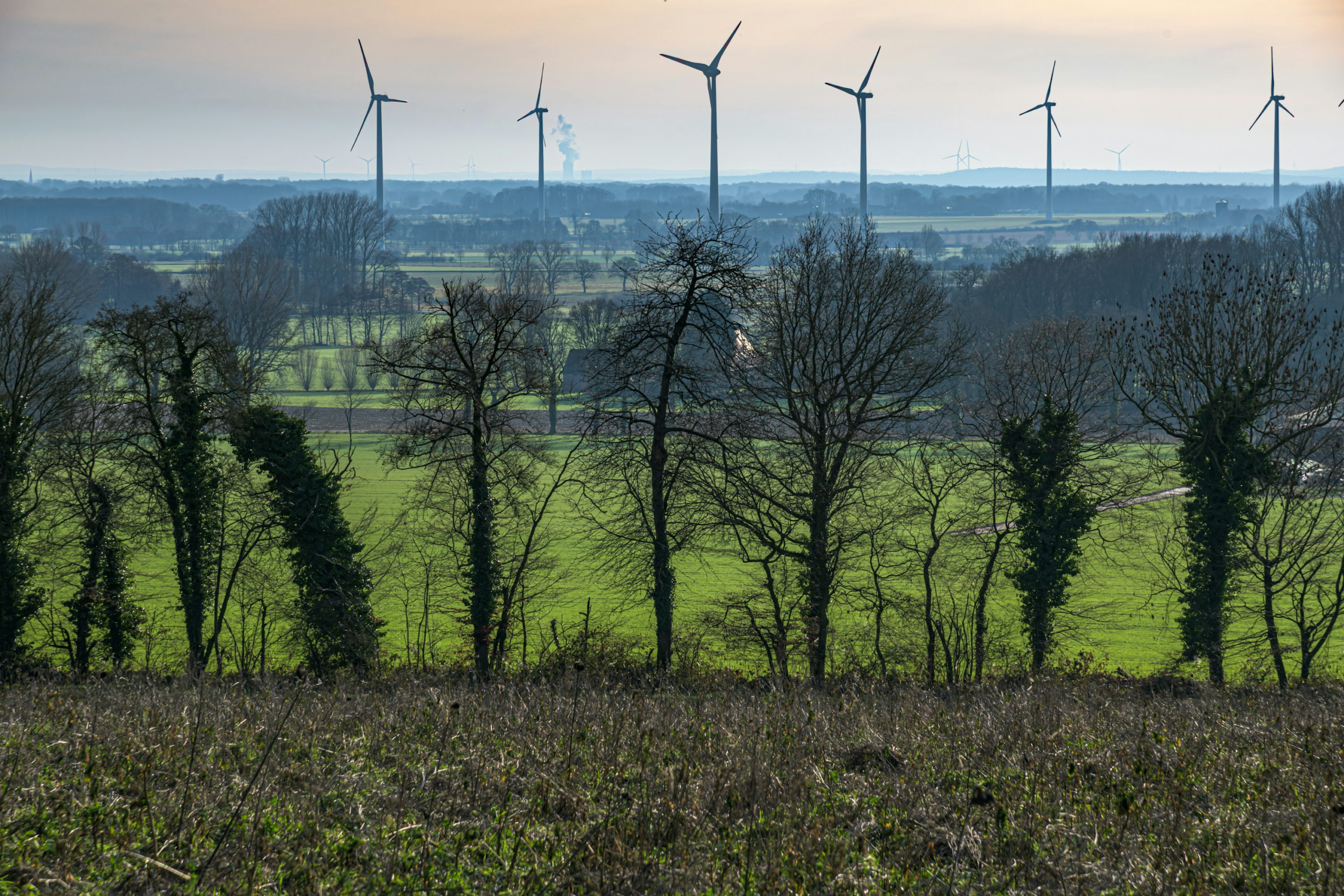
Greenvolt has secured €284m to finance construction at Gurbănești, Romania. The 253.1MW wind project is already under construction, with 42 turbines planned and commercial operation targeted for late 2027.
-
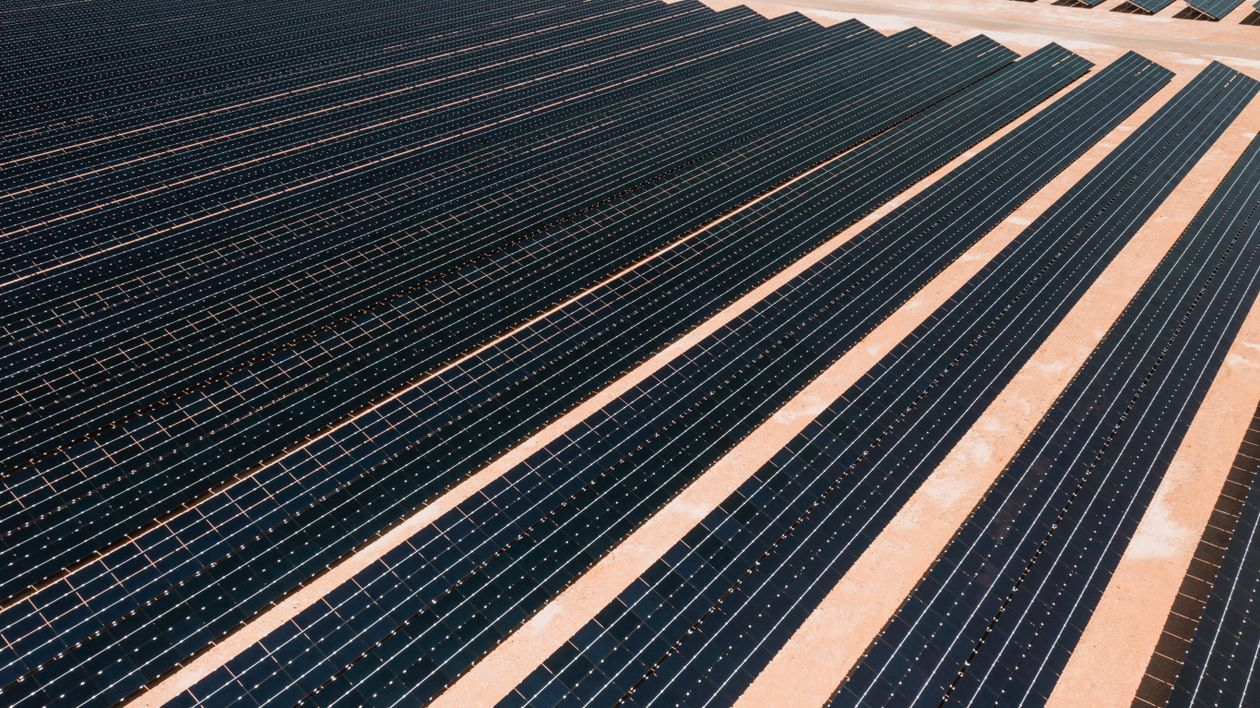
Parapet has completed Alerion’s 32MWp Romanian photovoltaic plant at Dănești. The project covers 51 hectares and uses about 50,000 solar modules, with estimated annual generation of 52GWh.
-
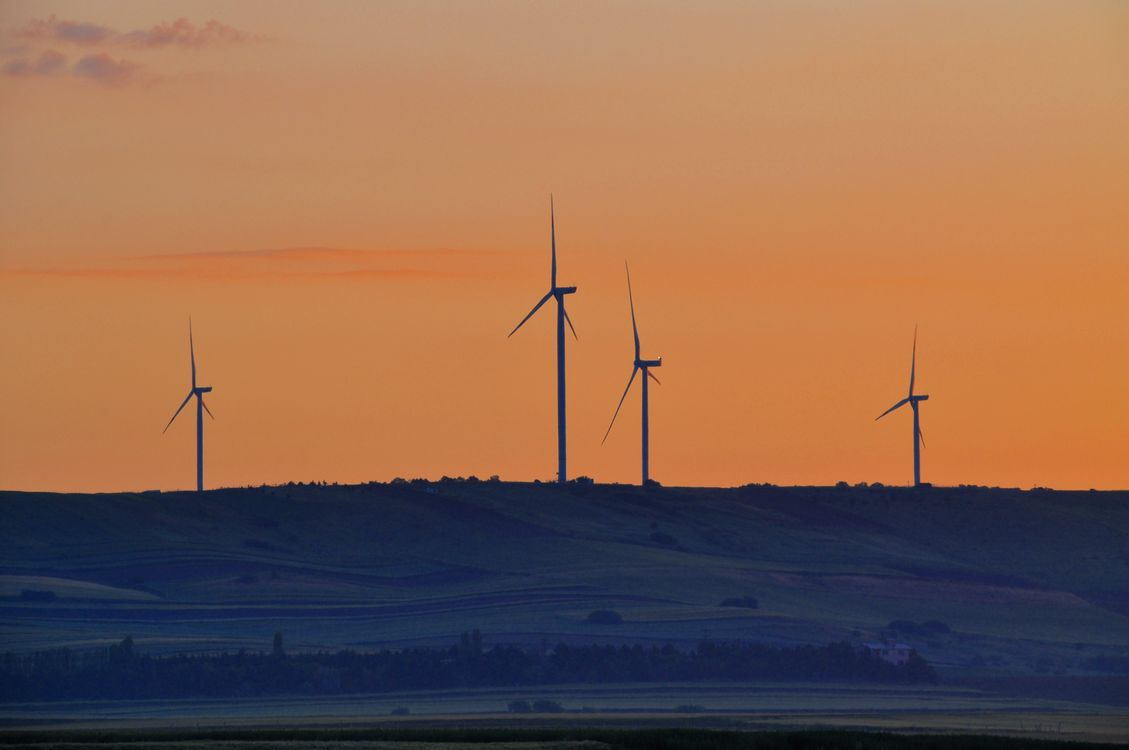
Full Circle has won a French wind farm maintenance contract. The five-year agreement covers five Nordex N90 turbines at Momerstroff and includes condition monitoring, pitch controls, converter improvements, and curtailment management.
-
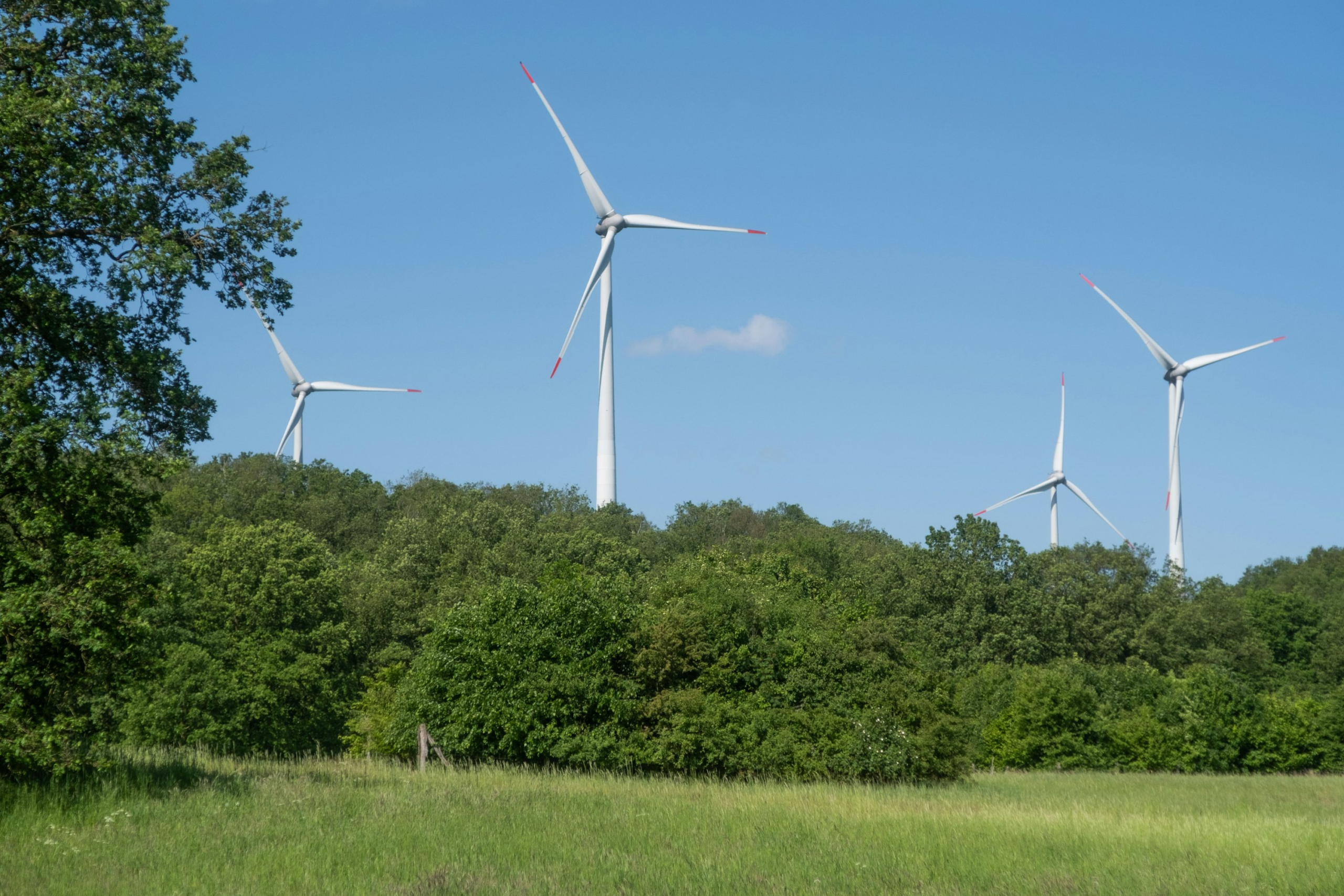
VSB has begun replacing four turbines in Lower Saxony, Germany. Three Vestas machines totalling 18MW are planned, with waterlogged and peat-bearing ground requiring special preparation before installation and commissioning in 2027.
-
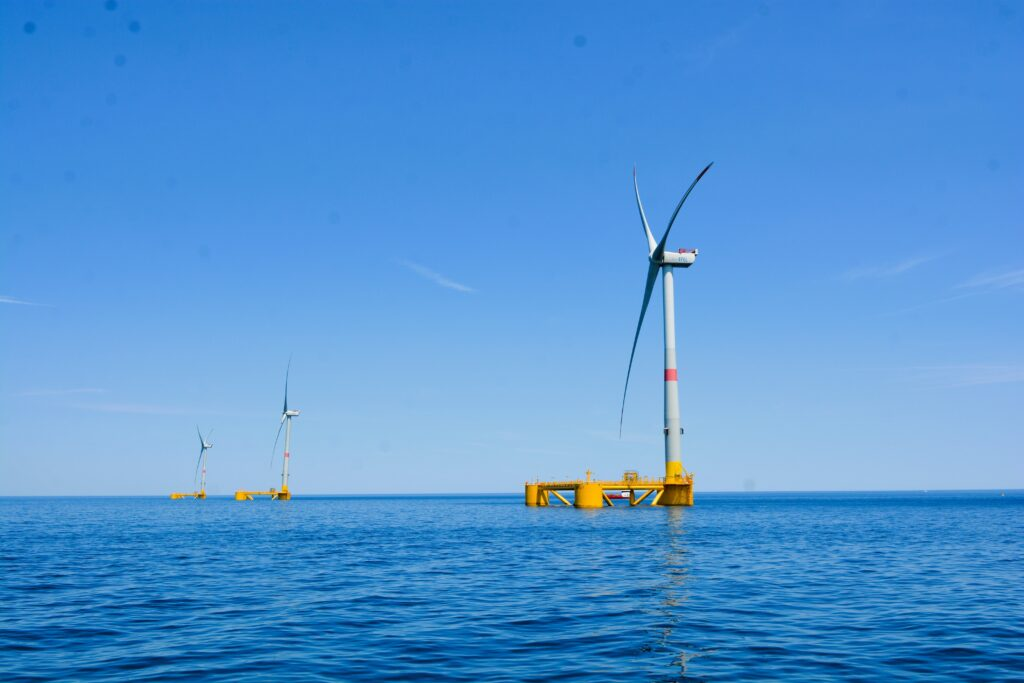
Global floating wind capacity has risen 38% within twelve months. Fully operational projects now total 382MW, while RenewableUK tracks a much larger 152GW development pipeline across 26 countries.
-
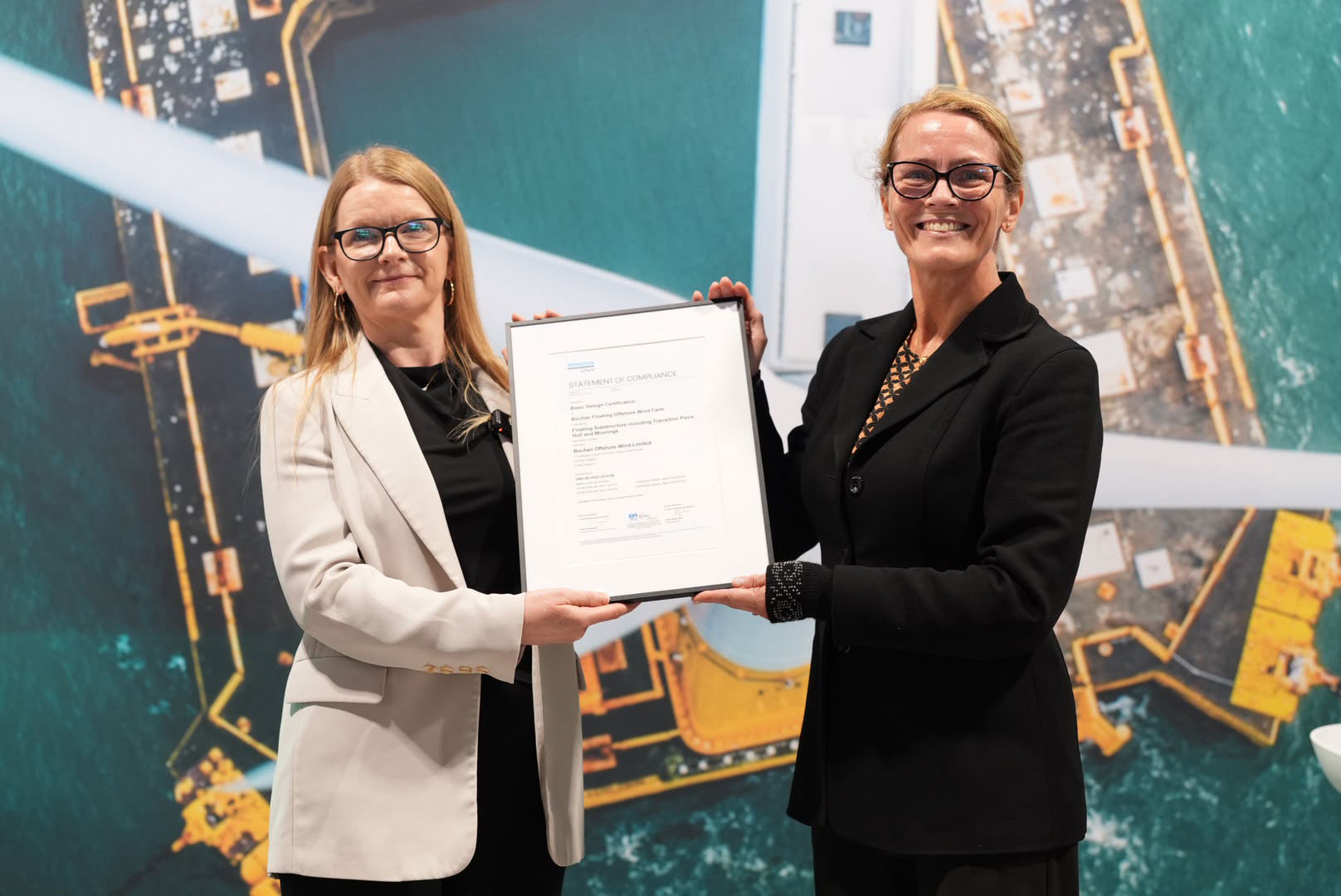
Buchan has secured DNV certification for its floating foundation design. The concrete Damping Pool structure has been developed specifically for the roughly 960MW Scottish project.
-
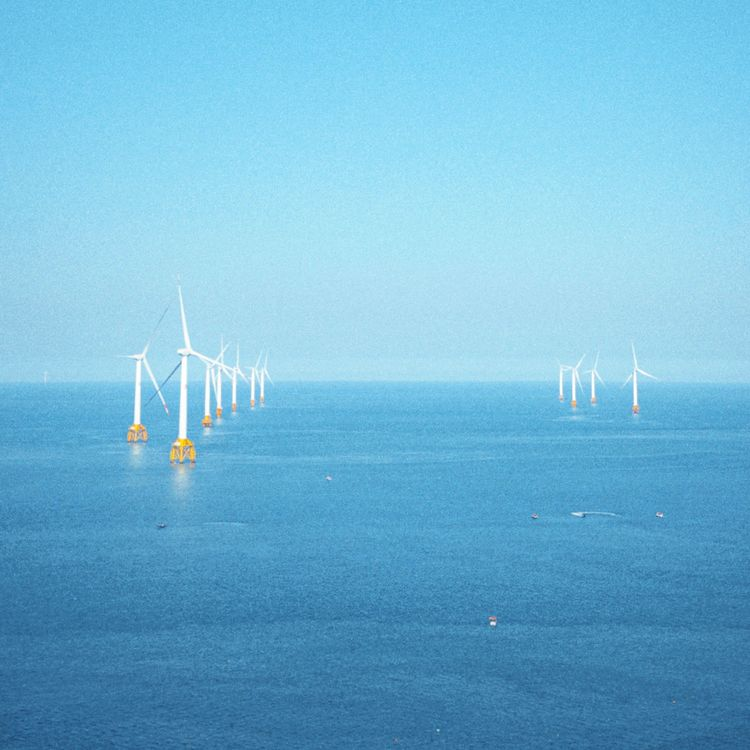
Sumitomo and TFI Marine will promote floating wind mooring technology. SeaSpring is designed to reduce cyclic loads and fatigue across mooring systems while permitting smaller components.