IN Brief:
- Deepbloo analysed European electricity network procurement between 1 July and 15 November 2026.
- Switchgear and protection equipment accounted for 164 procedures, representing 19.3% of the dataset.
- Transmission operators are separately assessing equipment requirements through to 2035.
Switchgear and protection equipment accounted for the largest category of European electricity network procurement procedures examined in new research by Deepbloo, ahead of overhead lines and substations.
The energy sector business intelligence provider identified 848 procurement procedures across 32 European countries, examining notices published through Tenders Electronic Daily (TED) between 1 July and 15 November 2026. Its analysis, published on 18 November, provides a snapshot of purchasing activity across electricity transmission and distribution infrastructure.
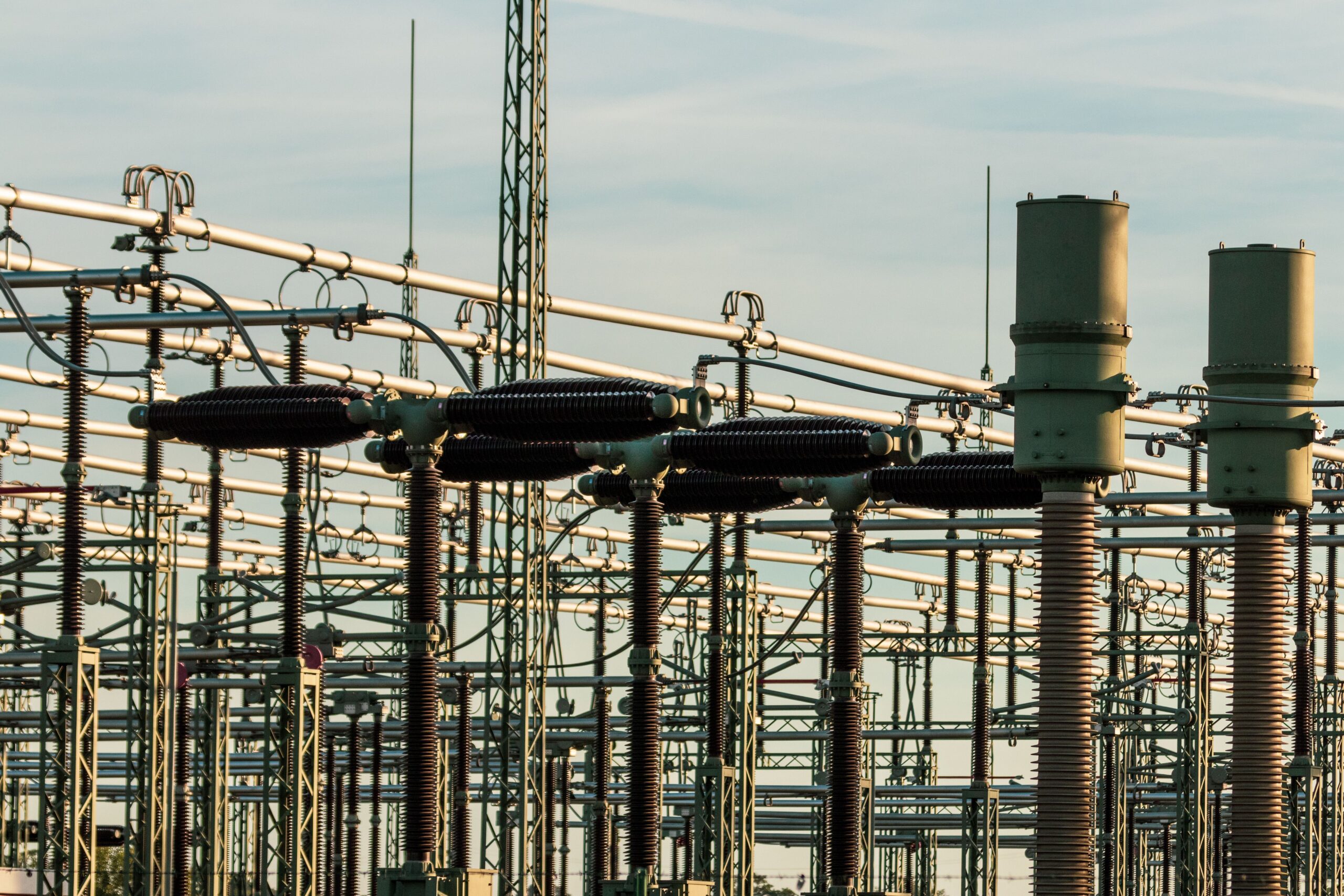
Switchgear and protection equipment accounted for 164 procedures, equivalent to 19.3% of the dataset, while overhead lines and substations accounted for 123 and 120 respectively. Together, the three categories represented 48% of the procurement activity examined.
Although procurement frequency provides an indication of the breadth of demand, the number of procedures does not establish the relative financial scale of each equipment market. A multiyear framework covering switchgear for dozens of substations carries substantially different manufacturing requirements from an individual contract for replacement protection equipment.
The prominence of switchgear reflects its application across both new infrastructure and existing installations. Circuit breakers, disconnectors, earthing switches, instrument transformers, and protection relays collectively allow network operators to control electrical circuits, detect abnormal conditions, and isolate faults while maintaining electricity supplies across unaffected sections of the network.
Connecting additional generation and large electrical loads can change the operating conditions of existing substations, requiring operators to reassess equipment ratings and protection settings. An increase in prospective short-circuit current, for example, may necessitate replacement circuit breakers or changes to the network configuration to ensure that equipment can safely withstand and interrupt fault currents.
Substation reinforcement can also require additional feeder bays, busbar extensions, and modifications to retained protection and control systems. Where work takes place within an operational installation, equipment selection must account for physical space, existing cable interfaces, and the outages available to undertake construction and commissioning.
Those constraints become particularly significant when modernisation coincides with the replacement of ageing equipment and changes to insulating technologies. European restrictions on fluorinated greenhouse gases are progressively affecting the commissioning of new switchgear, with different implementation dates applying according to voltage class and other conditions established under the legislation.
Manufacturers are developing equipment incorporating vacuum interruption and alternative insulating media. Utilities must evaluate the resulting designs against operational requirements that extend beyond their environmental characteristics, including electrical ratings, physical dimensions, maintenance procedures, and compatibility with existing infrastructure.
Replacing equipment within a constrained substation can introduce further engineering work if alternative designs require changes to cable terminations, foundations, or auxiliary systems. Standardising specifications across multiple installations may simplify subsequent procurement and maintenance, although different network configurations and fault levels limit the extent to which a single equipment design can be adopted.
The immediate purchasing activity identified by Deepbloo sits within a considerably longer programme of European electricity network investment. Earlier in November, the European Network of Transmission System Operators for Electricity (ENTSO-E) published an assessment of transmission equipment requirements through to 2035, examining the manufacturing and workforce capacity needed to deliver planned infrastructure.
Its assessment covers switchgear, transformers, shunt reactors, overhead lines, underground and submarine cables, reactive power compensation equipment, and high-voltage direct current converters. Demand across these categories will be influenced by electrification, renewable generation connections, and the replacement of infrastructure installed during earlier periods of network expansion.
Manufacturing capacity can take several years to establish where additional production requires specialist facilities, high-voltage testing equipment, and qualified personnel. Suppliers also need sufficient visibility of future orders to justify investment in production capacity, particularly where equipment specifications differ between utilities.
Procurement coordination can help manufacturers establish more predictable production schedules, while common technical specifications can reduce the engineering work associated with individual orders. However, purchasing arrangements must accommodate differences in network operating requirements and the need to maintain competition between qualified suppliers.
Equipment availability is only one component of network delivery. Protection engineers, commissioning specialists, cable jointers, and high-voltage installation contractors must also be available when equipment reaches its destination. Delays in coordinating these resources can extend construction programmes even where manufacturing orders have been fulfilled.
Deepbloo’s analysis covers a defined set of procurement notices rather than the entire European electricity equipment market. Nevertheless, the concentration of procedures across switchgear, overhead lines, and substations illustrates the simultaneous purchasing requirements confronting network operators.
Longer-term equipment forecasts complement that immediate procurement data by allowing suppliers to assess whether existing manufacturing and engineering capacity can accommodate the network reinforcement programmes expected during the remainder of the decade.