IN Brief:
- Muir Mhòr has consent for up to 67 floating turbines with a combined rating of 1 GW, approximately 63 km off Aberdeenshire.
- The offshore infrastructure must be designed and delivered alongside a connection to the onshore electricity network.
- Fishing mitigation, seabird compensation and final investment and construction decisions remain outstanding.
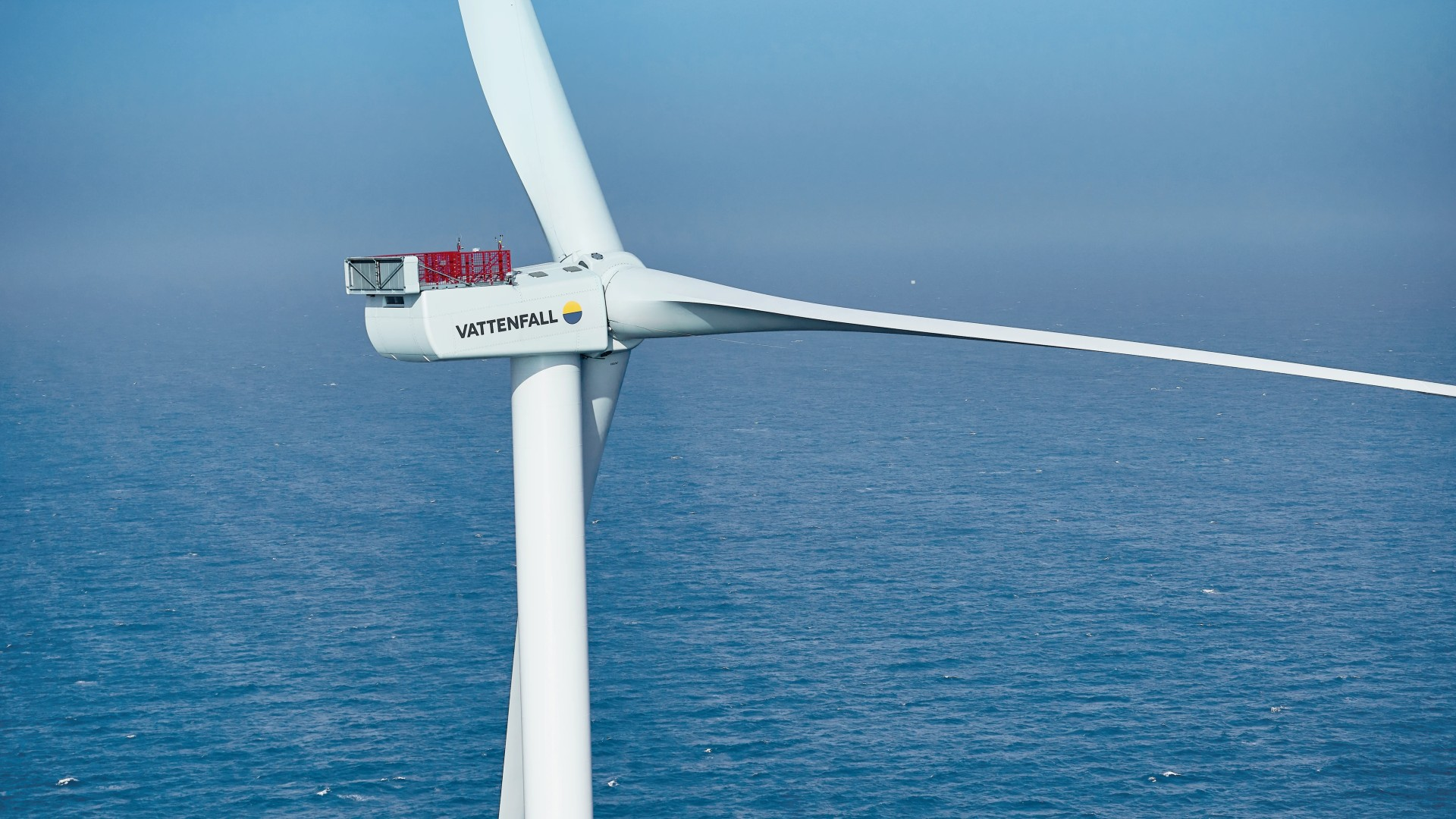
The Scottish Government has consented the proposed 1 GW Muir Mhòr floating offshore wind farm approximately 63 kilometres off Aberdeenshire. The decision permits a generating station of up to 67 turbines together with offshore transmission infrastructure, but it also imposes conditions concerning commercial fisheries and seabirds. Fred. Olsen Seawind controls the development following Vattenfall’s withdrawal from the joint venture earlier this year. Neither a final turbine configuration nor a construction start has been confirmed.
The consent covers the offshore generating assets and infrastructure needed to move electricity towards the Aberdeenshire coast. Power from the floating turbines would have to be collected through offshore electrical circuits, exported to land and transferred into the onshore grid connection. The statutory decision establishes the project’s permitted scope, not its final cable ratings, converter or transformer choices, procurement packages or financing. Those specifications will have to be established as the developer moves from consented design to construction planning.
Muir Mhòr originated in the 2022 ScotWind seabed leasing round. The onshore consent application was approved in 2025, leaving offshore permission as a major outstanding development hurdle. Earlier this year Vattenfall agreed to transfer its 50% ownership interest to Fred. Olsen Seawind, giving the latter responsibility for progressing the scheme. The present consent therefore follows several separate steps in land, seabed and project ownership rather than representing the first authorisation for the site.
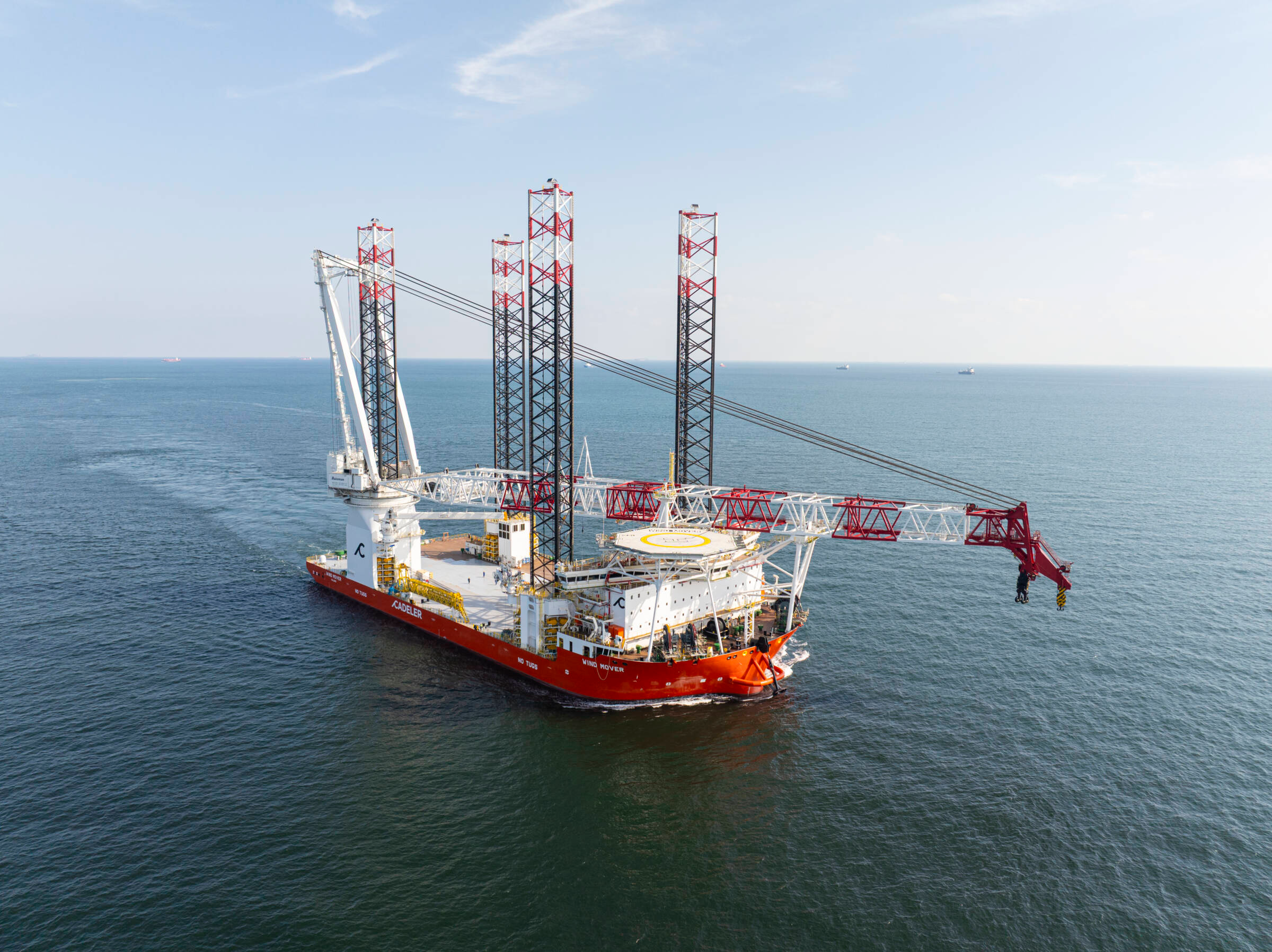
Floating turbines are relevant at locations where conventional fixed foundations are not the preferred solution for water depth and seabed conditions. Instead of a tower fixed directly to a monopile, the turbine stands on a buoyant structure retained by moorings and anchors, while electrical power is carried by cables designed to accommodate platform motion. Those system requirements bring different installation and maintenance questions from fixed-bottom wind farms, particularly for export routing, cable fatigue, access and the interaction between anchors and other marine users.
Scottish ministers have made the approval conditional on measures to mitigate effects on commercial fisheries and environmental compensation for potential seabird impacts. A floating wind array occupies more marine space than its turbine positions alone suggest: moorings, anchors and subsea cable routes may overlap fishing grounds and transit areas. The government’s decision therefore leaves design and stakeholder commitments that must be resolved under the consent conditions, rather than treating the approval as permission to proceed without further safeguards.
Fishing representatives have objected to the decision and the restrictions they expect floating structures to impose on their activities. The final layout of anchors and electrical routes will influence both the area accessible to vessels and the engineering measures required to protect cables. Moving cables or altering layouts can also change installation complexity, so mitigation cannot be separated entirely from detailed design. Fred. Olsen Seawind has yet to demonstrate publicly how each of these consent conditions will be fulfilled.
Scotland has 11 operational offshore wind farms with a combined generating capacity of 4.3 GW, according to the Scottish Government, and more than 11 GW in consented capacity. The latter includes projects not yet generating power. Muir Mhòr would enlarge that development pipeline by up to 1 GW, but a consented nameplate rating is not equivalent to commissioned grid capacity. Finance, supply agreements, suitable ports, offshore works and network integration must all be delivered before additional electricity reaches customers.
The government estimates that Muir Mhòr could generate annual electricity equivalent to the demand of more than one million homes. That comparison expresses potential annual output rather than a firm supply guarantee: actual generation will vary with wind conditions, availability and electrical losses. The proposed installed capacity of up to 1 GW is likewise a nameplate maximum, not continuous delivery to the transmission system. Final project design and commercial arrangements will determine the realised operating profile.
Large floating turbines may be assembled and prepared using different port and vessel arrangements from fixed-bottom machines, depending on the final platform design. Their support structures must be handled, anchored and connected without exceeding cable bend and fatigue limits under expected motion. Installation weather windows and the capacity of marshalling facilities can constrain the sequence of work. Muir Mhòr has not yet specified a final floating structure or marine installation methodology, so neither the final port requirements nor an executable construction programme can be taken as settled.
The earlier project information placed potential operations in the early 2030s, subject to approvals. Offshore consent improves that timetable’s regulatory position but does not convert the indicative date into a firm commissioning schedule. A contracts-for-difference route, if pursued, would be a separate commercial step, as would financial close. Delivery remains contingent on a viable programme for the array, offshore electrical system and onshore grid works.
The outstanding work is now more specific than the headline capacity figure. Fred. Olsen Seawind must satisfy the fisheries and seabird requirements, complete the detailed engineering and arrange the commercial commitments needed for construction. Earlier project material suggested operations in the early 2030s, but the new consent does not establish a binding commissioning date. Further announcements on mitigation, contracts and the offshore-to-onshore connection will determine whether the proposed 1 GW scheme can move into delivery.