
Storage
—
-
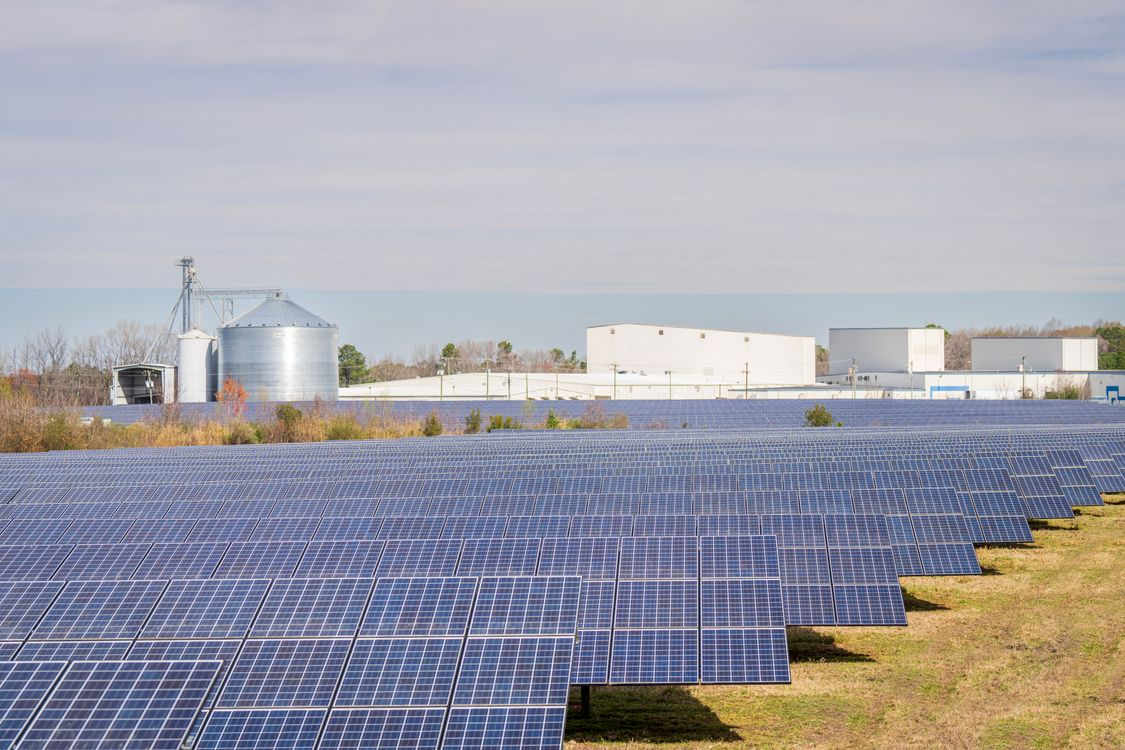
WIRSOL is developing new solar and battery infrastructure near Göttingen. The Parensen project comprises 39 photovoltaic systems and approximately 15MWh of battery capacity, with staged commissioning scheduled into 2027.
-
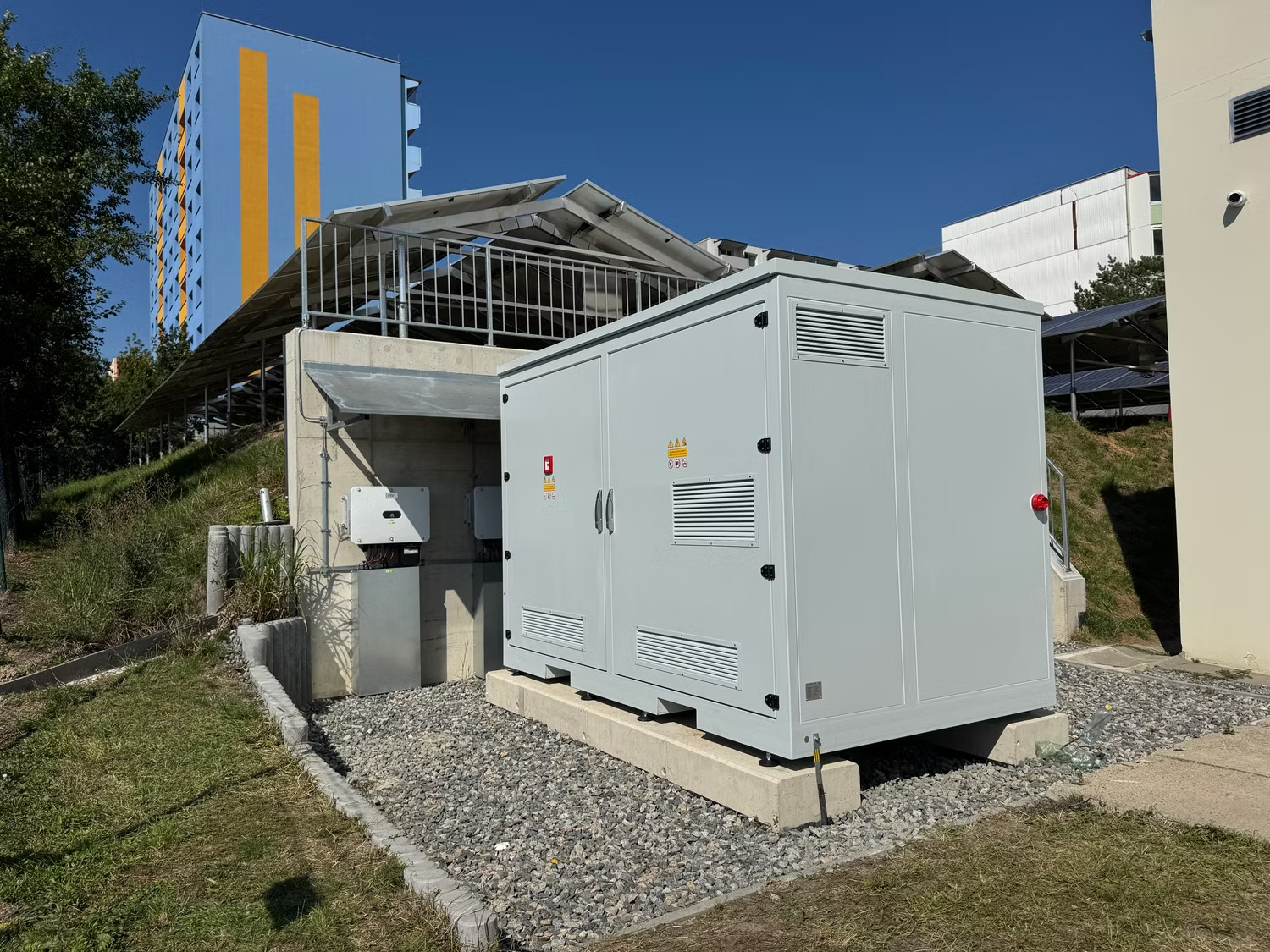
LION Smart has secured three German battery energy storage contracts. The 30MWh total covers an existing solar site, new solar development and standalone battery project, with grid connection targeted for early 2027.
-
R.Power has completed main equipment placement at Poland’s Jedwabno site. All 64 battery containers and 32 transformer stations are placed, but electrical commissioning and grid energisation remain outstanding.
-
HELLENiQ has brought its Thessaloniki battery storage installation into operation. The facility has 100MW of installed power and 200MWh of storage, while a separate 50MW/200MWh project at Florina remains under construction.
-
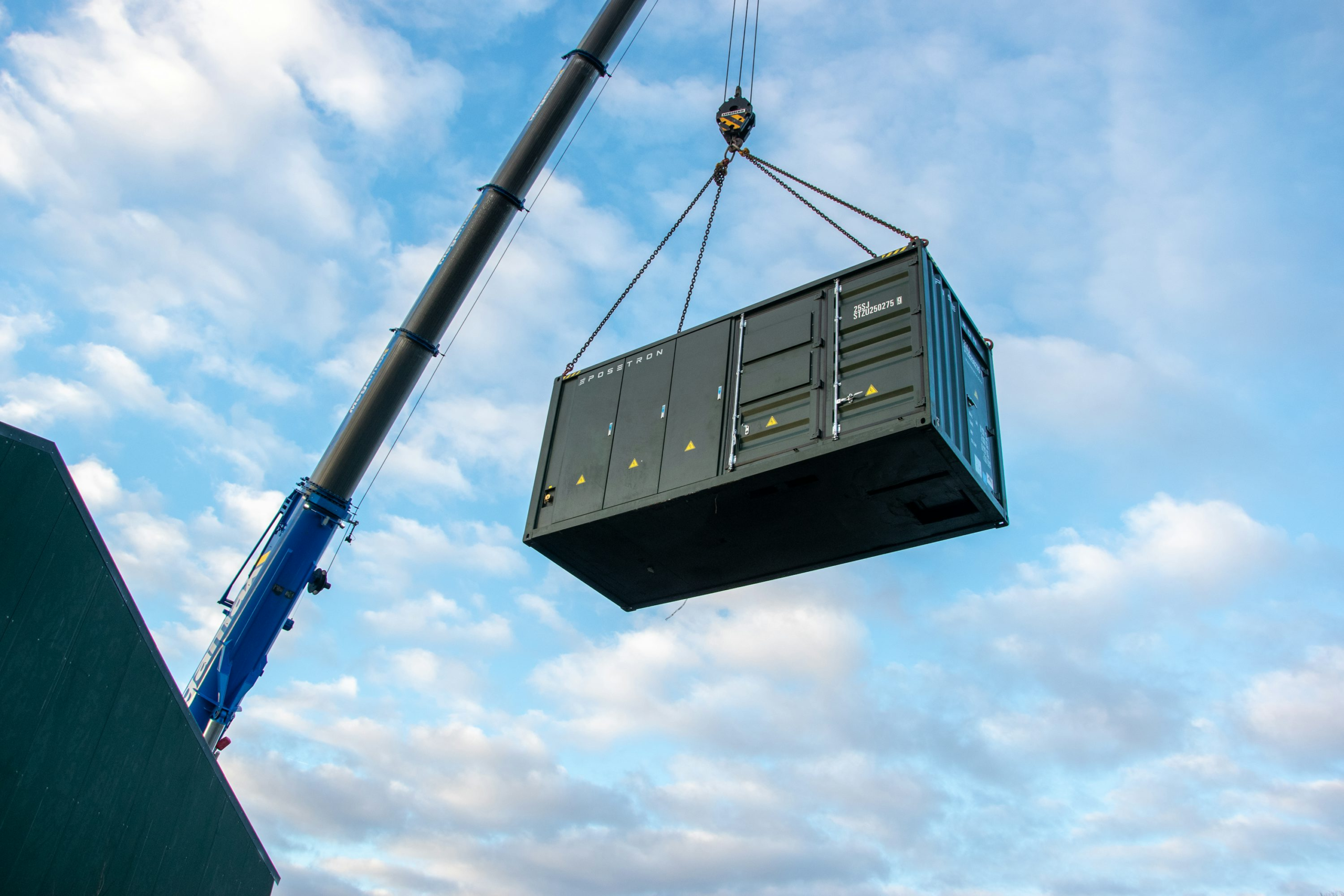
HEXA has detailed its planned Oyabe grid battery in Japan. The 50MWac/200MWh facility in Toyama Prefecture is targeting operation in May 2028, with Shirokuma Power appointed for engineering and construction.
-
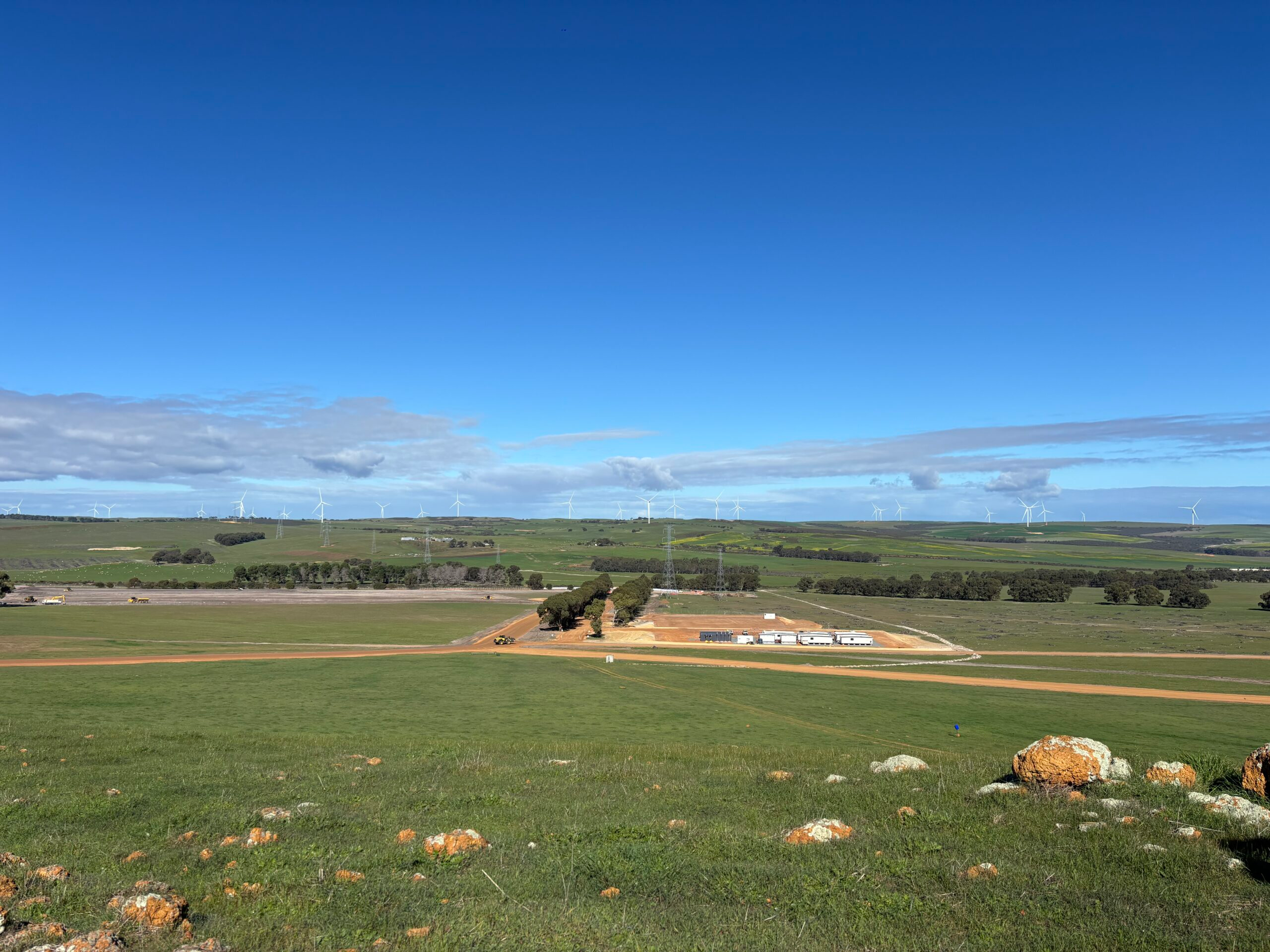
Enerven has secured the contract for Queensland’s Teebar battery project. Its delivery scope includes a 275/33kV substation and new high voltage connection, while Valo will supply the storage equipment for the 400MW/1,600MWh development.
-
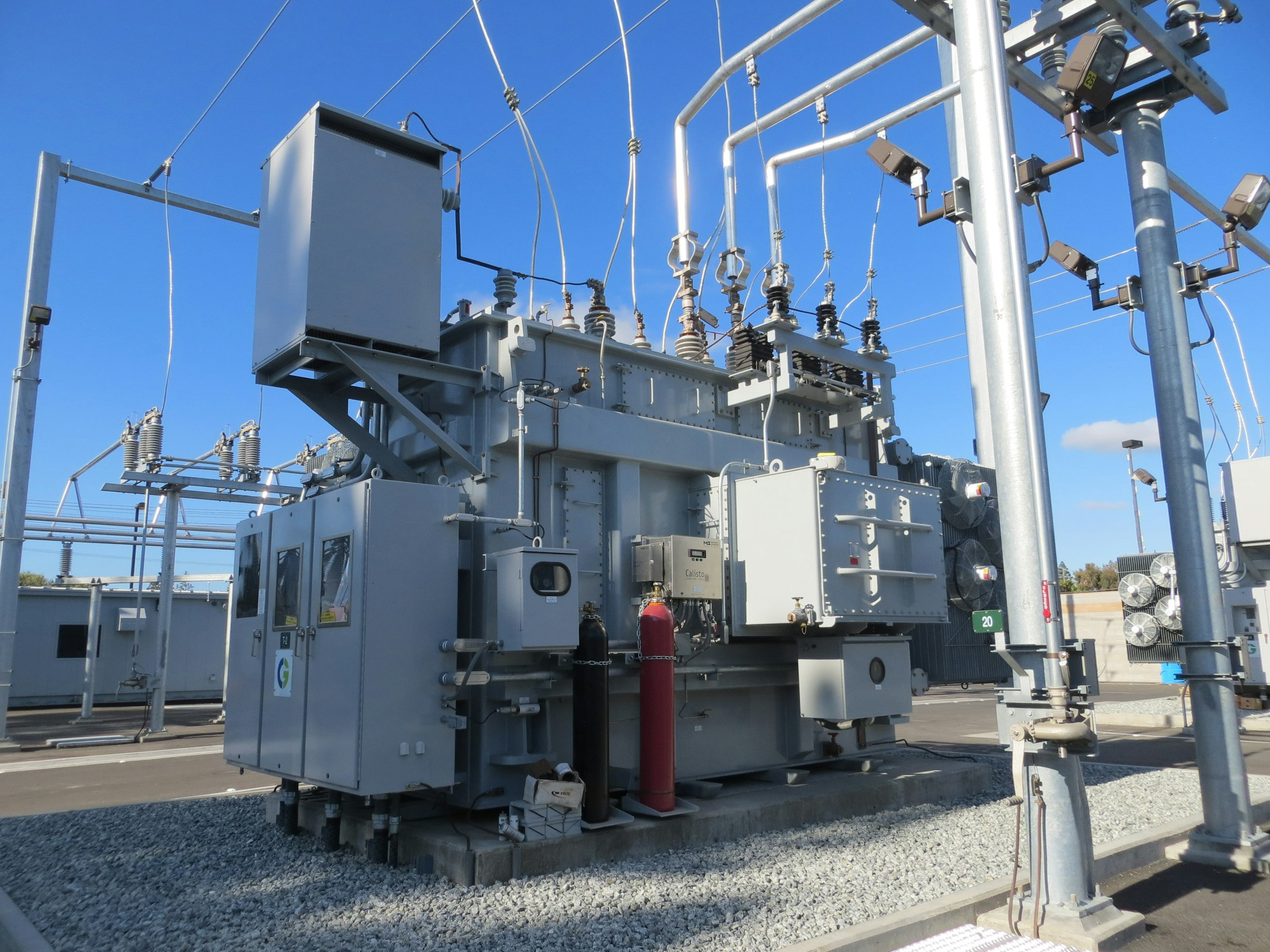
Hams Hall’s two supergrid transformers were energised in September 2026. The two 220MVA units form part of the 350MW battery development’s 400kV grid connection, ahead of its planned commercial operation.
-
Endurance Motive has disclosed a battery integration contract in Spain. The €1.02m agreement covers two storage containers, installation integration and commissioning, with delivery planned for January 2027.
-
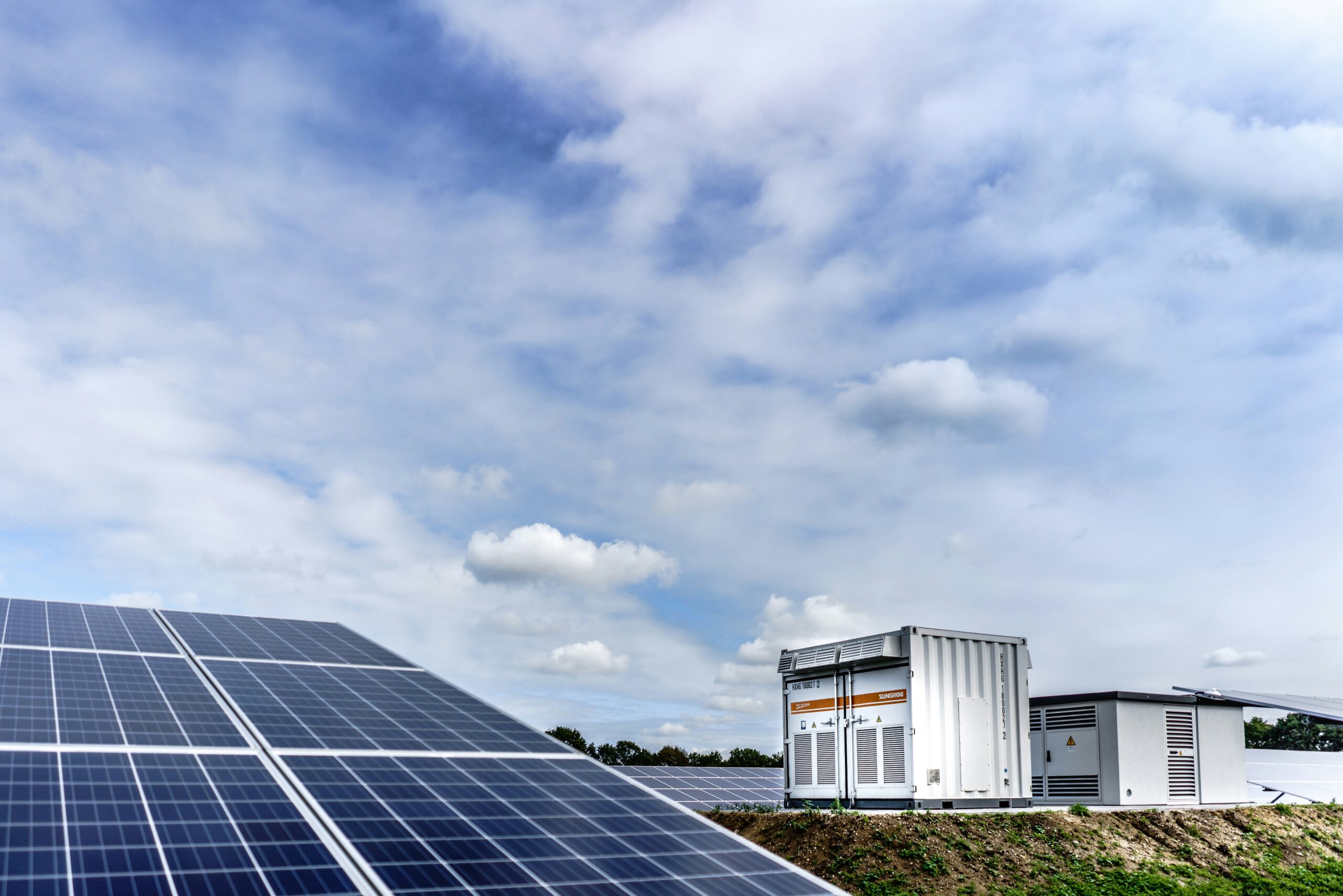
Enery has opened its Knizhovnik hybrid power plant in Bulgaria. The 122MWp photovoltaic plant incorporates 200MWh of storage, alongside a new physical electricity supply agreement with Coca-Cola HBC Bulgaria.
-
Olana has commissioned two batteries connected to Finland’s distribution network. The Gunnarsnäs and Koski Tl facilities provide 17MW/18MWh combined, connecting at 20kV and entering ancillary services markets through Fingrid’s balancing arrangements.