
Electrical Engineering
—
-
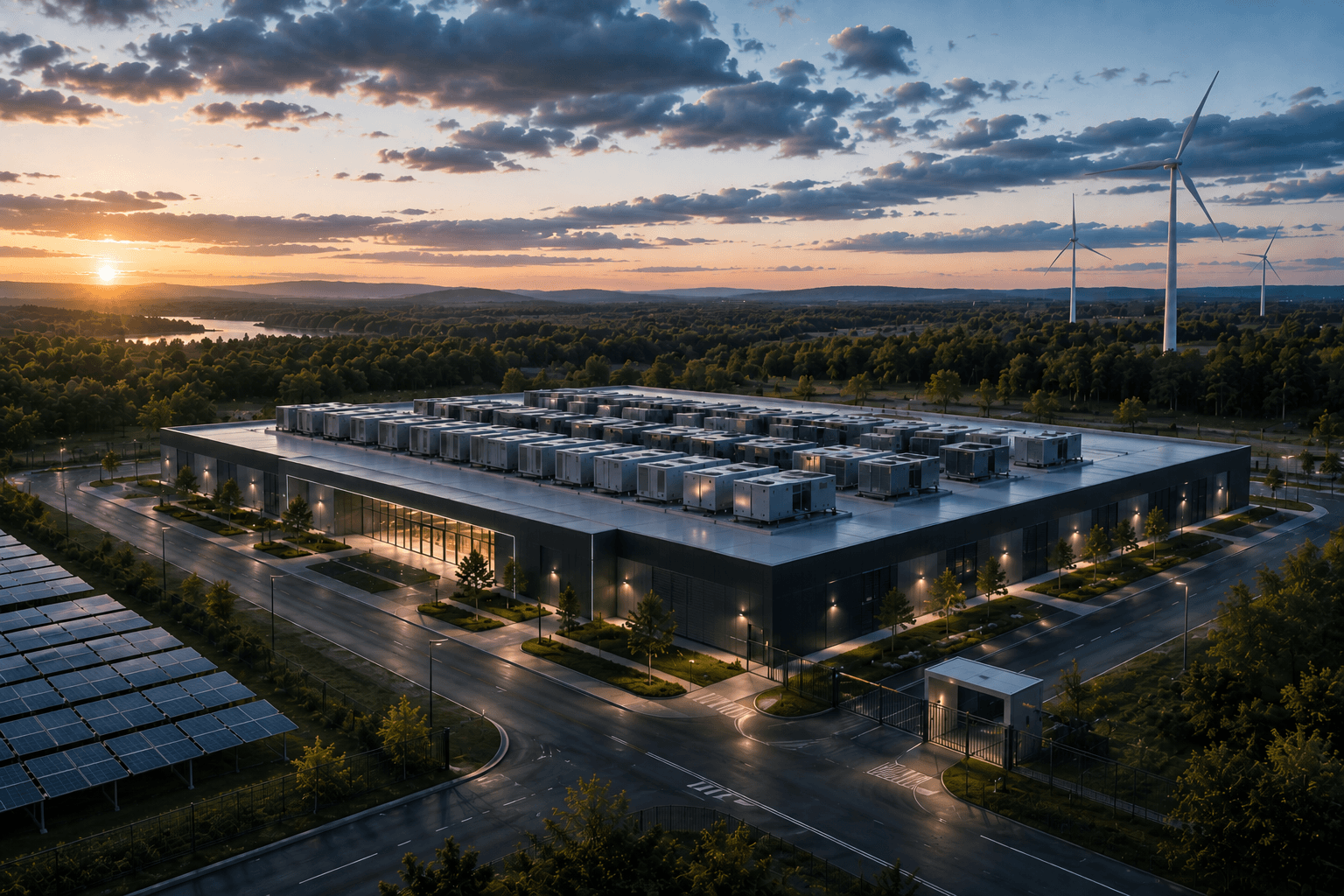
AEP plans a major fuel-cell generation development serving Google facilities. The proposed 702 MW plant near Cheyenne would cost around $4 billion and operate under a 20-year electricity purchase agreement.
-
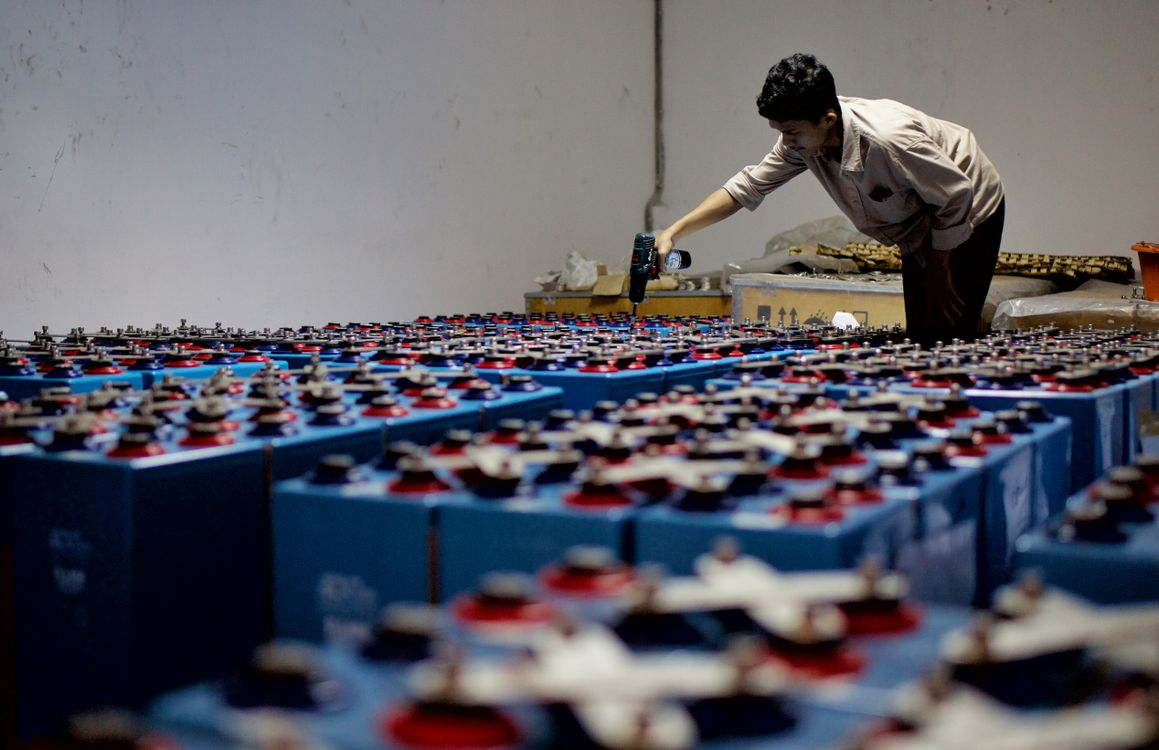
Rosatom and Teletech plan local battery assembly facilities in Egypt. The agreement envisages capacity to assemble up to 500MWh of storage systems annually alongside workforce training, with the factory location and commissioning programme still undisclosed.
-
Battery buyers have introduced a common contract for storage procurement. The voluntary ESCA model covers testing, warranties, traceability and cybersecurity for utility-scale battery systems, with detailed technical schedules available to members.
-
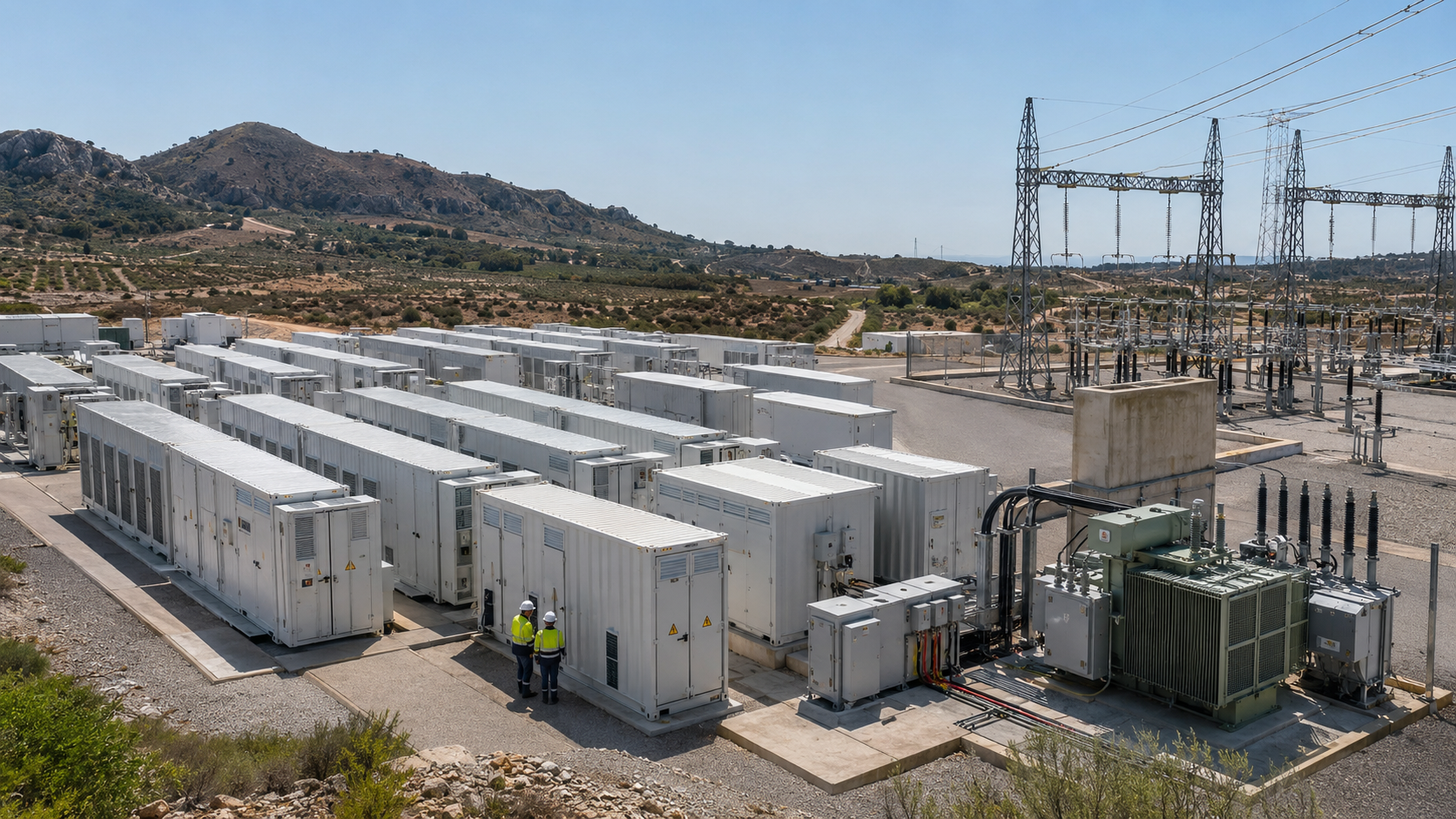
Sineng Electric has started shipping grid-forming equipment for Egyptian batteries. The first 1.1GW of converter deliveries for Nefertiti and Horus is due by year-end, with black-start capability specified for both projects.
-
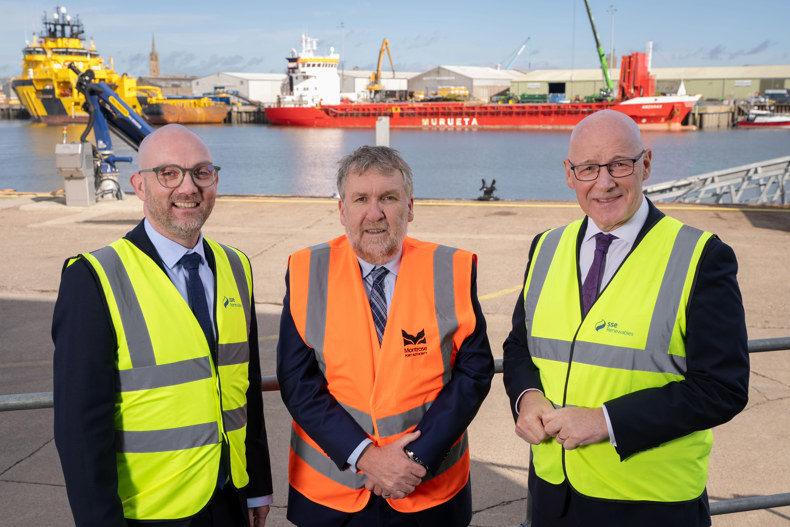
New research identifies growing electricity supply constraints at Scottish ports. Interviews with 12 ports highlight industrial demand, connection delays and the uncertain commercial case for shore power.
-
Ofgem has published proposed guidance on electricity infrastructure procurement decisions. The consultation addresses how regulated network developers should demonstrate wider long-term benefits when purchasing choices affect costs, delivery confidence, timescales or risk.
-
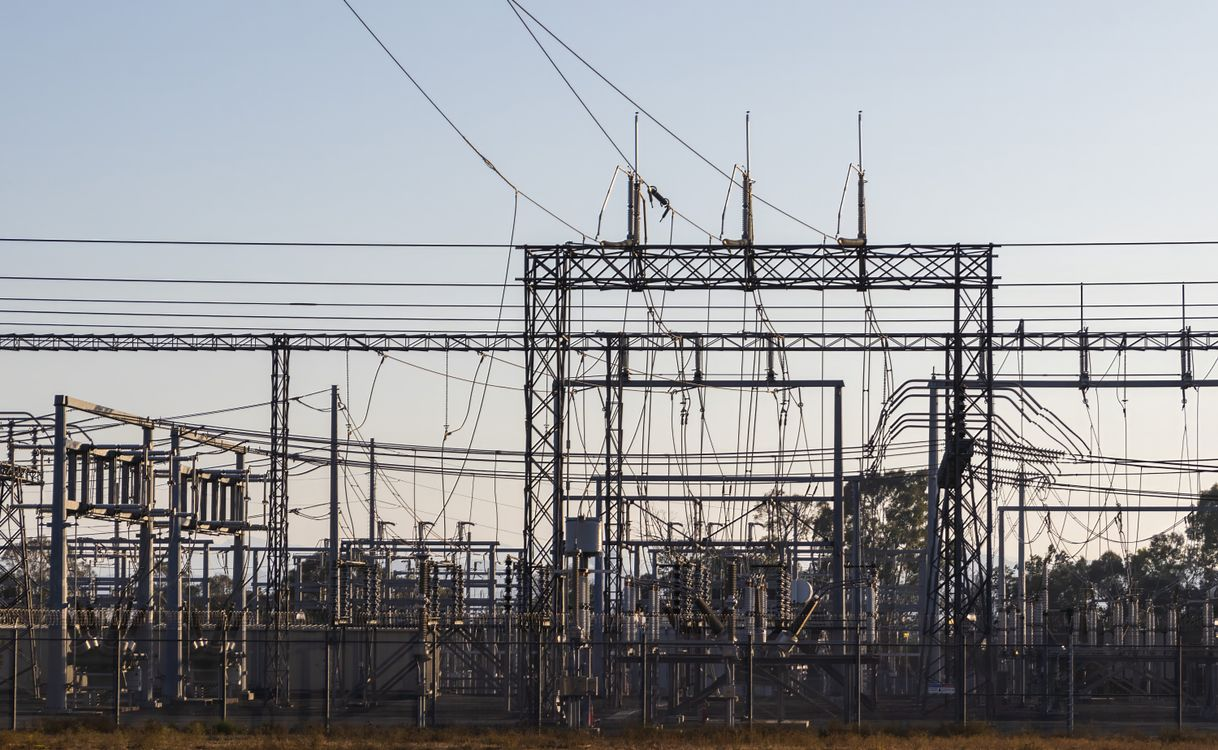
SSEN Transmission has submitted three Scottish grid projects for assessment. The proposals seek regulatory eligibility and development funding for 132kV infrastructure at Coupar Angus and transmission connections supporting Earba pumped storage.
-
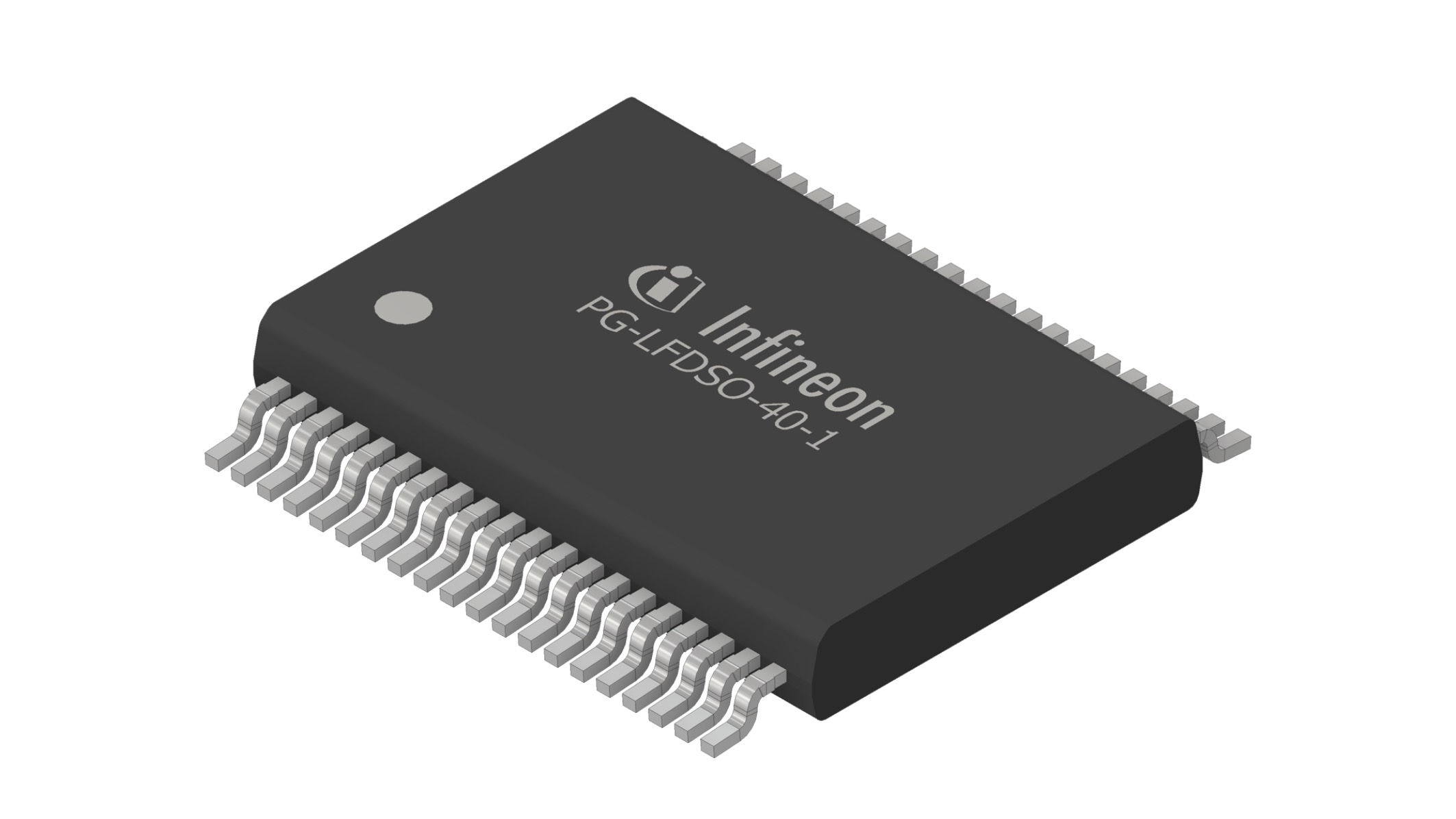
Infineon introduces programmable power-path protection for higher-voltage AI server racks. Its XDP8HD40S-1 controller supports controlled switching, fault monitoring and digital protection in emerging 800 VDC architectures, with samples targeted for Q2 2027.
-
POWERGRID has commissioned Rajasthan’s Ramgarh renewable electricity transmission infrastructure package. Commercial operation took effect on 22 September, with the 765/400 kV substation, transmission line and voltage-control equipment supporting renewable power evacuation.
-
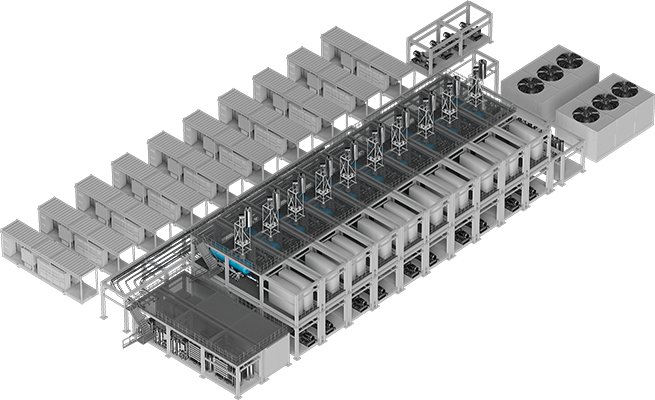
ITM Power has advanced plans for refinery-based renewable hydrogen production. Its Hydropulse subsidiary has signed preliminary terms for a 150 MW installation, with engineering underway and an investment decision targeted for 2027.