IN Brief:
- DESNZ's 19 November Contract Budget Notice sets notional initial budgets of £1 for each of four principal CfD Allocation Round 8 technology pots.
- Projects will not clear on those initial budgets; government intends to examine anonymised bids and may increase allocations if they offer consumer value.
- Pot 5, covering several emerging renewable technologies including tidal stream and wave, has a final zero budget for this round.
The Department for Energy Security and Net Zero has assigned notional initial budgets of £1 to each of the four principal technology pots in Contracts for Difference Allocation Round 8. Under the Contract Budget Notice dated 19 November, none of those pots can clear projects at the initial budget. Ministers instead intend to review anonymised bids and then decide, with HM Treasury, whether a higher allocation offers value for electricity consumers. A fifth pot covering emerging and smaller renewable technologies has been given a final £0 allocation for this round.
Every bid in Pots 1–4 will initially fail to clear the deliberately nominal budget, allowing the government to review anonymised prices without immediately awarding contracts. The notice permits upward revisions only where bids are judged to be in consumers’ interests, and does not guarantee that a particular technology group will subsequently receive funding. The final decision will be taken in conjunction with HM Treasury. This approach changes how budget information is used during the auction, while leaving the individual project outcomes dependent on the bids received and the government’s later budget choices.
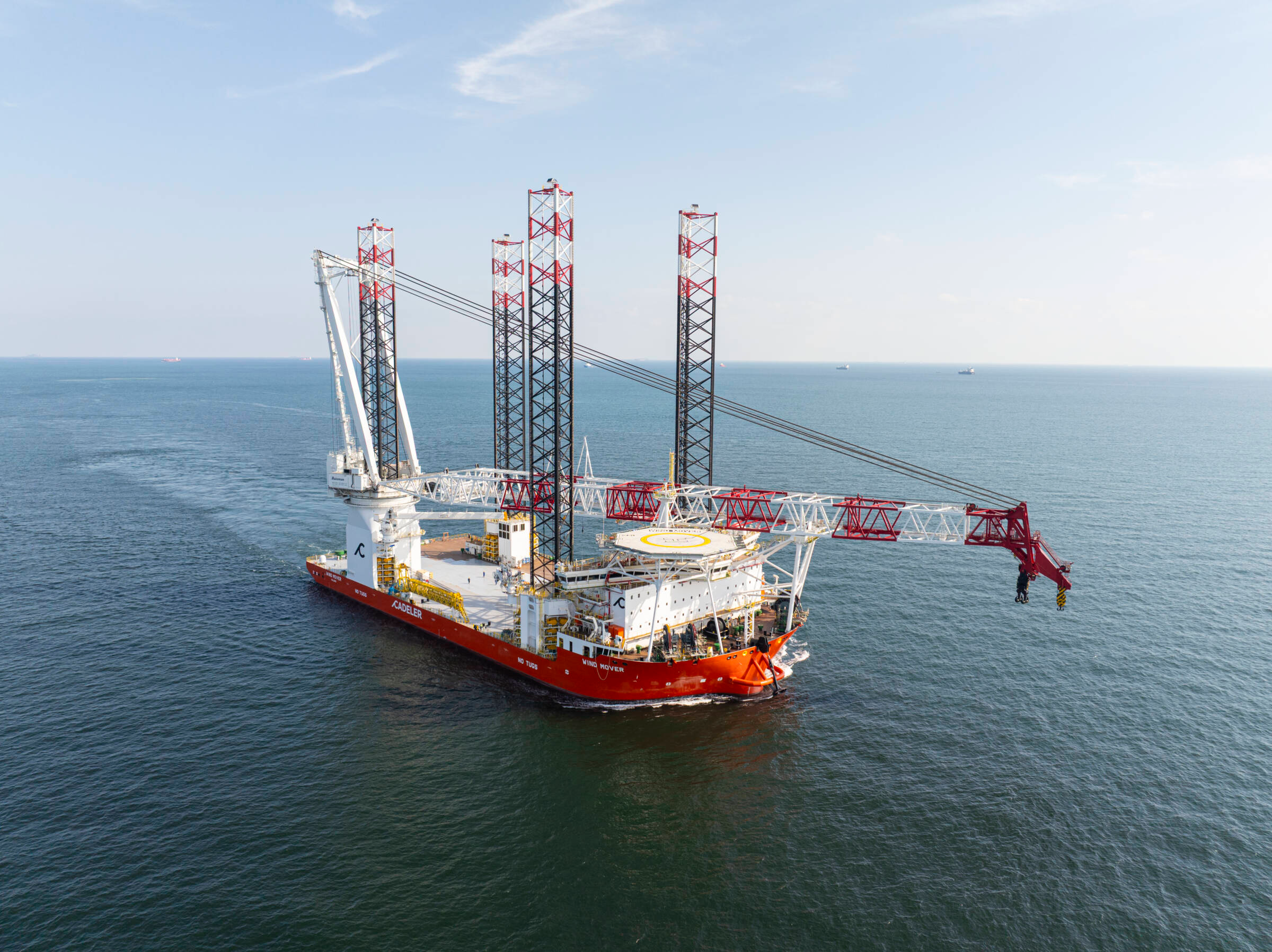
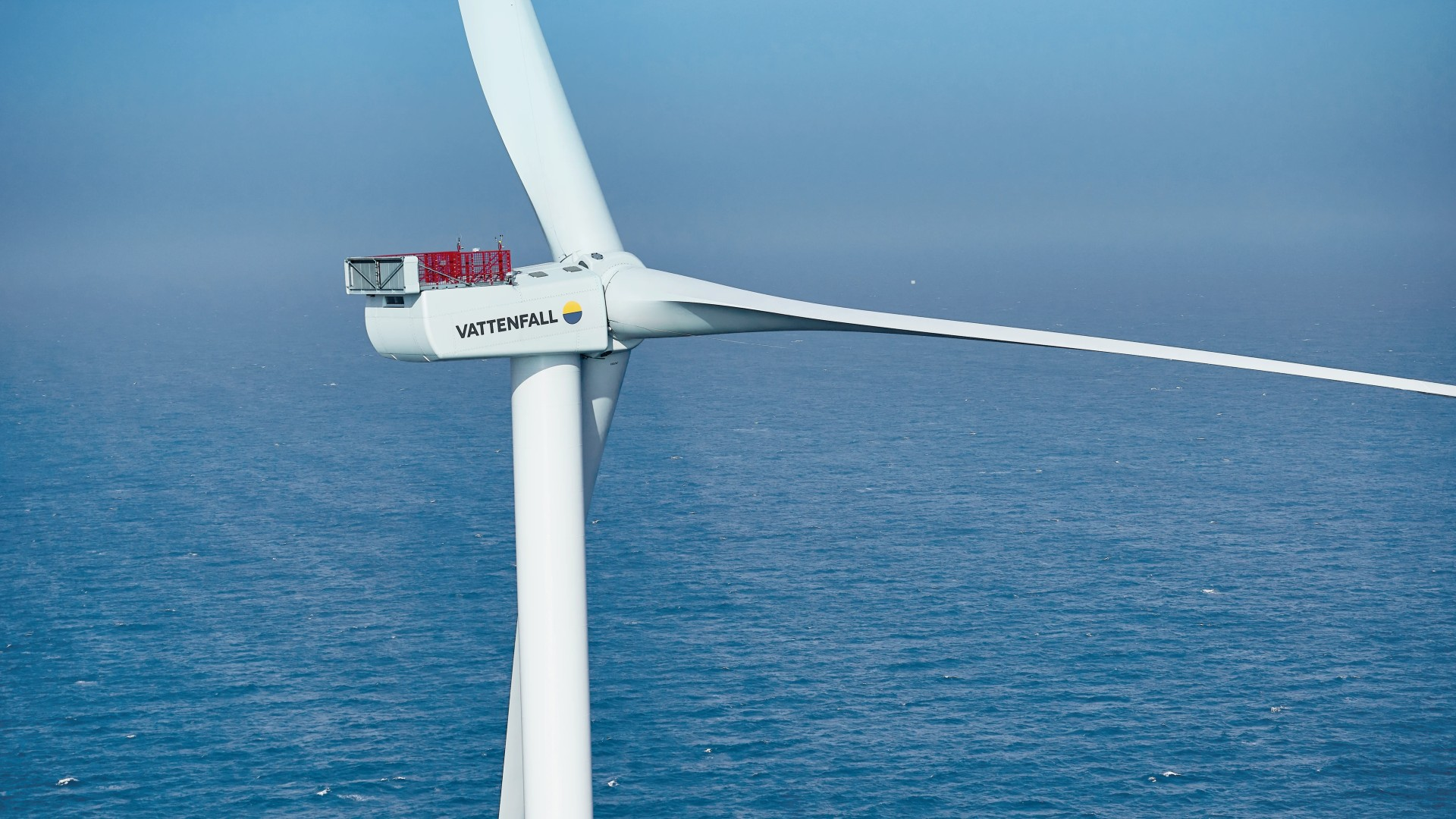
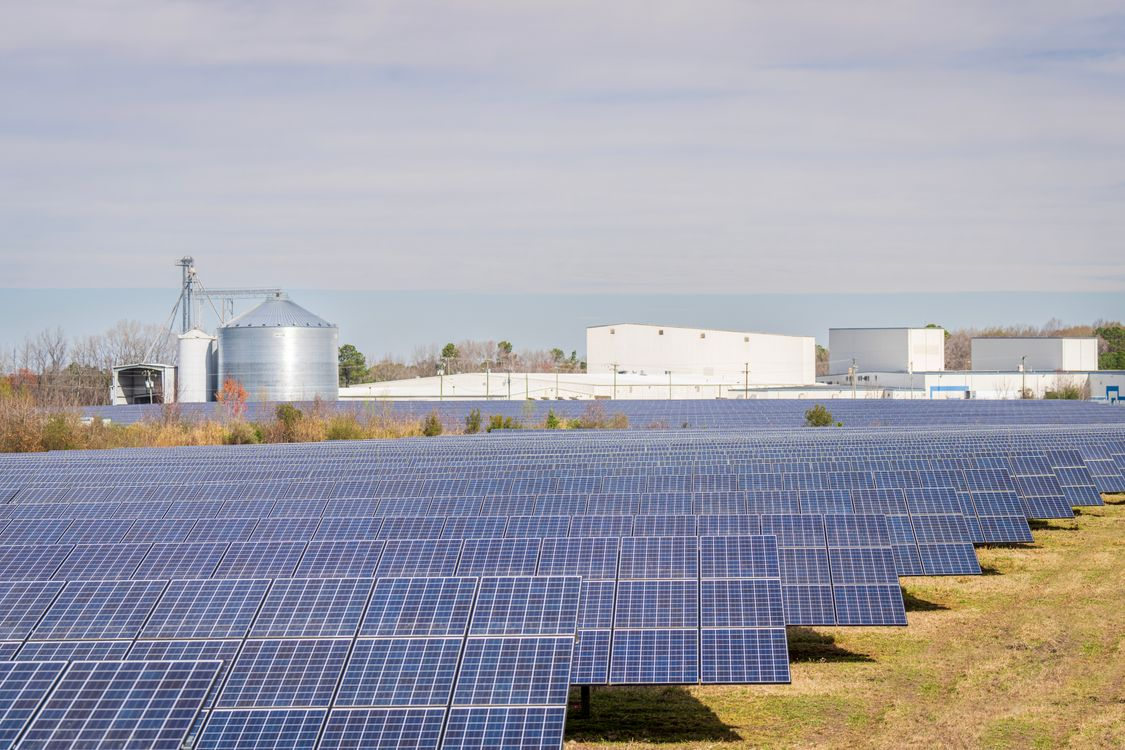
Allocation Round 8 opened for applications on 20 July and the application window closed on 7 August, well before the November notice. The 19 November document governs budget decisions for applications already submitted; the qualifying and allocation rules remain in effect. The published framework divides eligible technologies across five pots. Pot 1 covers solar photovoltaic projects above 5MW, while Pot 2 covers onshore and remote island wind above 5MW. Offshore wind is in Pot 3, and floating offshore wind together with other deepwater offshore wind is assigned to Pot 4.
Pot 5 includes advanced conversion technology, qualifying anaerobic digestion and biomass or energy-from-waste combined heat and power projects, geothermal generation, eligible hydroelectricity, landfill and sewage gas, tidal stream and wave power. The notice fixes its budget at zero and explicitly says it will not be revised upwards during this round. Eligible schemes in those categories therefore cannot receive an AR8 award under the published Pot 5 funding decision. That does not remove their eligibility from the general scheme framework or determine the availability of any separate future support mechanism.
Contracts for Difference provide a long-term pricing arrangement designed to reduce uncertainty for low-carbon generators. A successful project receives a contract with a specified strike price, and the difference between that price and a relevant electricity market reference price is settled under the scheme’s rules. When the reference price is below the strike price, support may flow to the generator; when it is above the strike price, the generator may make payments back. The contract mechanism is distinct from a capital grant to purchase wind turbines, foundations, grid equipment or solar modules.
CfD budgets should not be treated as the construction value of successful schemes or as a capital grant pot. Developers finance generation equipment and construction separately, while the contract governs future revenue settlements against a reference electricity price. The 19 November notice sets out monetary budget allowances for delivery and valuation years from 2028/29 to 2033/34 in 2024 prices. Its overall budget row shows £2 in 2028/29 and 2033/34, with £4 in each intervening year, reflecting the nominal pot entries. Adding the annual numbers together would not produce a meaningful forecast of new project investment or committed consumer expenditure.
The government has also confirmed that no minima or maxima will apply to the technology pots in AR8. Pot 3 will use separate clearing prices for offshore wind projects in different defined electricity transmission tariff zones and distribution licence areas, while no equivalent separate clearing prices apply to the other pots. The distinction recognises that projects may operate under different cost and connection conditions, although the notice does not itself specify which individual offshore development would receive a contract. The administrative strike prices and wider auction rules remain important parameters alongside the eventual pot budgets.
Developers commonly sequence turbine procurement, foundation fabrication, substation design, export cabling and construction mobilisation around the revenue certainty needed to reach financial close. Some orders and engineering studies begin before a CfD award, while major commitments can remain conditional on the auction result. The November budget notice therefore provides neither a project list nor instructions for contractors to start work. Equipment lead times may still require bidders to reserve manufacturing capacity, but the final volume of generating plant procured under AR8 cannot be established from notional £1 entries alone.
Any upward budget revisions and the auction’s final results will establish which eligible projects can receive contracts. DESNZ has said that further budget will be provided only where anonymised bid prices are considered compatible with consumer interests. The final zero allocation for Pot 5 is already fixed, leaving tidal stream, wave and other technologies in that group without a CfD award from AR8. Pots 1–4 remain in contention, but the notice commits no generating capacity and sets no guaranteed number of projects to be built.