IN Brief:
- GRS has achieved provisional acceptance for the 35MWdc Corvera photovoltaic development built for Everwood Capital in Murcia.
- The installation incorporates 50,070 modules, Monoline+ 2V solar trackers, a 30/132kV substation, and a 132kV export line.
- Final procedures remain before operation, while Corvera becomes GRS's 40th completed Spanish solar construction project.
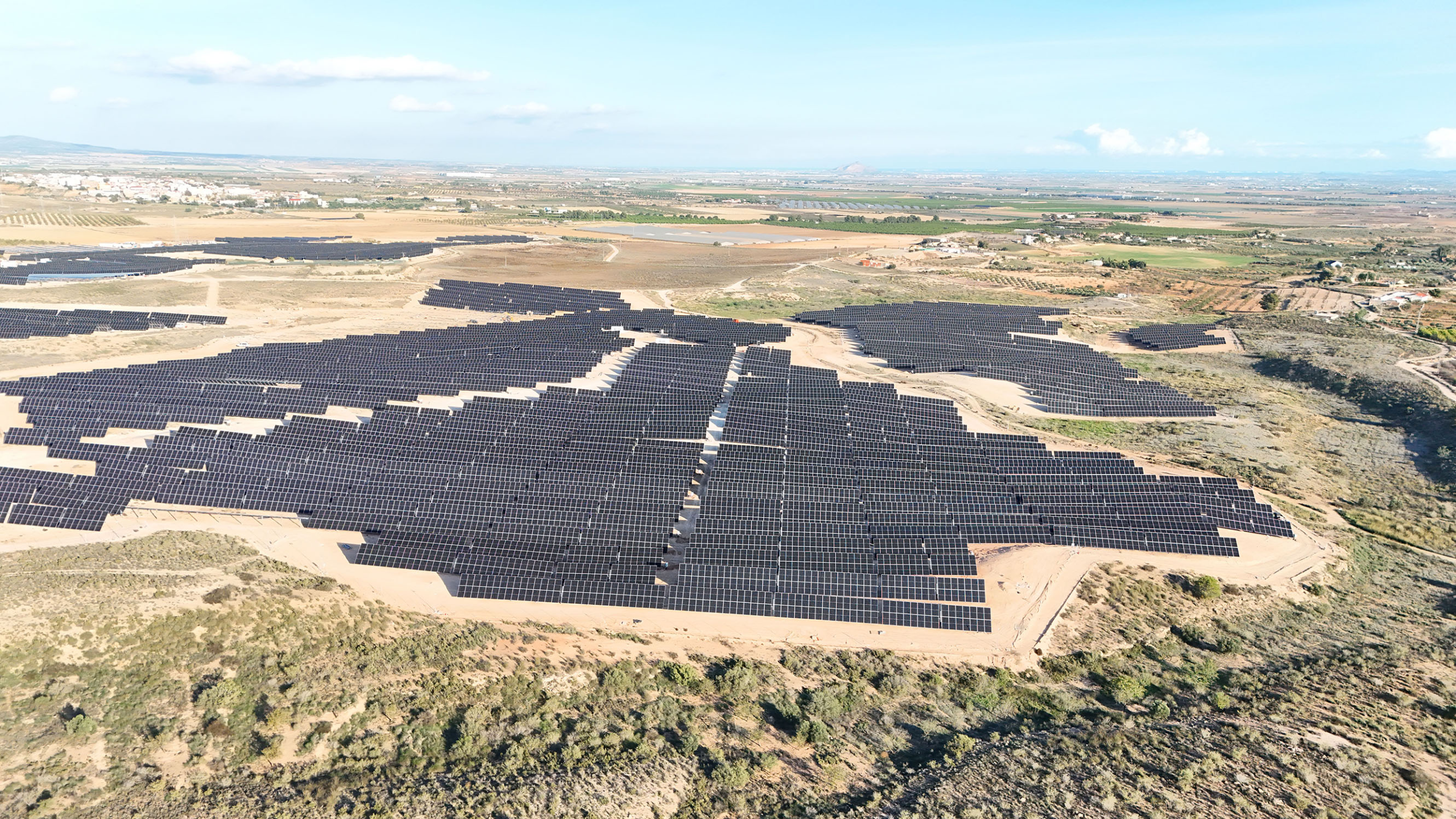
GRS has secured provisional acceptance for a 35MWdc photovoltaic plant in Corvera, Murcia, completing the principal construction works on a renewable electricity development delivered for Spanish investment manager Everwood Capital.
The project includes 50,070 photovoltaic modules installed across approximately 55 hectares, together with solar tracking equipment, a 30/132kV step-up substation, and a 132kV electricity export connection incorporating overhead and underground sections.
The installation was built for Everwood’s Fund IV and becomes the 40th solar construction project completed by GRS in Spain. The acceptance milestone confirms the completion of the relevant construction handover stage, although further procedures remain before the plant enters normal commercial operation.
Situated southwest of Corvera in the municipality of Murcia, the development combines photovoltaic generating equipment with the electrical infrastructure required to deliver power to the regional network. GRS was responsible for both the solar installation and the associated high-voltage connection works.
The photovoltaic modules are mounted on Monoline+ 2V tracking structures supplied by PV Hardware, another company within Grupo Gransolar. The system adjusts the orientation of the modules during the day, allowing the arrays to follow the movement of the sun rather than operating at a permanently fixed angle.
Solar tracking can increase the energy captured across the operating day, although the resulting generation depends on site conditions, solar irradiance, temperature, and equipment availability. The tracker system must also operate within its mechanical design limits, including the conditions under which the modules are moved into protective positions.
The Corvera installation’s 35MWdc rating describes the peak direct-current generating capacity of its photovoltaic modules under standard test conditions. The amount of alternating-current electricity available for export will depend on the power conversion equipment, electrical losses, and grid connection requirements.
Direct-current output from the photovoltaic arrays must be converted to alternating current before it can be delivered to the electricity network. The plant’s collection infrastructure then transfers the converted electricity towards the step-up substation and its 132kV export connection.
The substation raises the voltage from 30kV to 132kV, allowing electricity to be transmitted at a lower current for a given power transfer. This reduces resistive losses across the export connection and enables the plant to deliver electricity at the voltage required by its receiving network interface.
GRS constructed the associated 132kV line using a combination of overhead and underground cable sections. The arrangement connects the generating installation to the wider electrical system, with the different construction methods requiring appropriate transition, termination, protection, and testing arrangements.
Overhead and underground electricity connections present different operating characteristics and maintenance requirements. Their installation must be coordinated with the substation equipment, while the completed circuit must satisfy the applicable insulation, protection, and electrical integrity requirements.
The published project information does not identify the individual transformer ratings, inverter models, or the precise length of the export connection. Nor does it provide the results of the electrical tests completed during construction and acceptance.
Consequently, provisional acceptance should be distinguished from confirmation that the plant has entered commercial operation. The milestone establishes the reported construction status, while the remaining regulatory and operational procedures must be completed before normal electricity generation can begin.
The installation has progressed through several years of development work. The project company, Utunanna, began the permitting process in 2020, with an environmental impact declaration issued in 2023 before subsequent construction activities advanced.
Earlier development plans envisaged approximately 40MW of generating capacity. The eventual installation was reduced to 35MWdc following changes to the available development area, with the completed site occupying approximately 55.3 hectares.
The reduction in proposed capacity required the final generating installation to be delivered within the revised site boundary. The number of photovoltaic modules, tracking structures, electrical collection routes, and associated equipment therefore had to be accommodated within the available land area.
Corvera represents the third collaboration between GRS and Everwood. Their previous projects include the 167MWdc Carmen photovoltaic cluster in Seville and the 50MWdc Desafío Solar development in Escatrón, Zaragoza.
The earlier projects established an EPC relationship covering installations of different capacities and configurations. Corvera extends that work into Murcia while adding a complete high-voltage export infrastructure package to the contractor’s delivery responsibilities.
Everwood manages a photovoltaic portfolio of approximately 1.1GWdc through its renewable energy investment activities. Its development programme includes projects held through several investment funds, with assets progressing through construction and operating stages.
GRS has delivered photovoltaic projects in Spain and international markets over approximately 21 years. Its experience includes the construction of generating facilities and the electrical infrastructure needed to connect them to the grid, alongside wider operation and maintenance activities.
The Corvera project also sits within a region where further photovoltaic development is being pursued. A separate Grupo Gransolar-related proposal, La Tercia III, envisages a 19.8MW solar installation near the completed Corvera site. It remains a distinct development with its own proposed connection arrangements.
For the completed Corvera installation, the immediate requirement is to conclude the outstanding procedures following provisional acceptance. GRS has confirmed the construction milestone but has not provided a commercial operation date or a verified figure for electricity delivered to the network.
The finished photovoltaic arrays, tracking equipment, step-up substation, and export line now provide the physical infrastructure for the 35MWdc development. Confirmation of operational authorisation and electricity generation will establish the next stage in Everwood’s Corvera investment.