IN Brief:
- CCE signed an agreement on 10 November to sell its Romanian renewable energy portfolio and development platform to Zephyrus Wing Energies.
- The portfolio comprises seven solar projects totalling approximately 766MWp and four planned battery installations with 112MW/390MWh of capacity.
- Horia 1 is operational, while the remaining six photovoltaic projects are at different development stages and completion remains conditional.
CCE has agreed to sell its Romanian renewable energy portfolio and local development platform to Zephyrus Wing Energies, transferring seven photovoltaic projects and four associated battery storage developments to the Israeli renewable energy company.
The agreement was signed on 10 November and covers solar projects totalling approximately 766MWp, alongside four battery developments with a combined planned power capacity of 112MW and energy storage capacity of approximately 390MWh.
Zephyrus will also acquire CCE’s Romanian operating platform and the team responsible for developing the portfolio. The transaction remains subject to customary regulatory approvals and other conditions, with no completion date or purchase price disclosed.
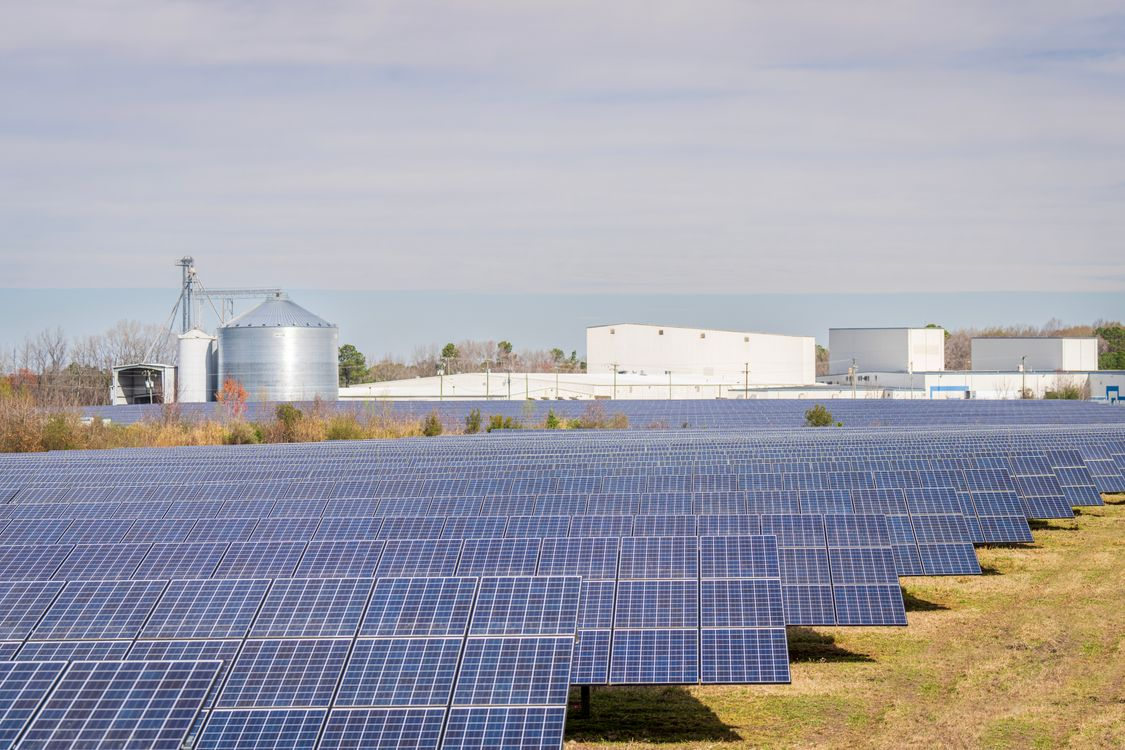
The portfolio includes Horia 1, a photovoltaic plant with approximately 40MWp of installed generating capacity that entered commercial operation in September 2025. The other six solar projects are at different development stages, rather than forming part of an entirely operational generating fleet.
The acquisition therefore combines an existing electricity generating asset with a substantially larger pipeline of prospective capacity. Its eventual contribution to Romania’s electricity system will depend on how the remaining developments progress through engineering, permitting, construction, and grid connection.
The four co-located battery projects are also under development. CCE has disclosed their aggregate planned capacity but has not provided individual project ratings, battery technology specifications, or confirmed commissioning dates.
The 112MW figure represents the combined intended power capability of the storage installations, while approximately 390MWh describes their total planned energy capacity. These measurements establish different operating characteristics and must be distinguished when assessing the proposed systems.
Battery power ratings determine the maximum rate at which electricity can be transferred within the equipment’s specified operating conditions. Energy capacity determines the quantity of stored electricity available over time, subject to usable capacity, operating limits, and conversion losses.
Dividing the aggregate energy capacity by the power rating gives a nominal duration of approximately 3.5 hours at full rated output. That calculation provides an indication of the portfolio’s planned power-to-energy relationship, rather than a verified discharge duration for each individual installation.
Co-locating battery systems with photovoltaic generation can allow some electricity to be stored when solar production is available and released at a later point. The operating benefit depends on the electrical configuration, grid connection limits, market arrangements, and how the storage equipment is controlled.
The generating plants and batteries may require coordinated power conversion and protection arrangements where they share connection infrastructure. Plant controls must maintain electricity flows within permitted import and export limits while accommodating the different operating characteristics of the two technologies.
Photovoltaic modules generate direct-current electricity that must be converted for delivery to the alternating-current network. Battery systems also require suitable power conversion equipment to support charging and discharging, with their configuration influencing how energy is transferred between the storage system, generating plant, and network.
Where a project uses a shared connection, simultaneous photovoltaic generation and battery discharge may require active control to remain within the authorised export capacity. Charging arrangements must also be compatible with the site’s network connection and electrical equipment.
CCE has not specified which projects will share transformers, inverters, or other electrical infrastructure. The equipment configuration and operating strategies will need to be established through the individual projects’ engineering and development programmes.
The acquisition also transfers the local development organisation responsible for progressing the projects. This provides continuity across activities including site management, permitting, engineering coordination, and discussions with the organisations responsible for electricity network access.
Renewable energy developments can spend several years progressing through the necessary preparatory stages before construction begins. Grid connection arrangements, environmental approvals, land rights, and the configuration of generating equipment can influence both the delivery timetable and the amount of capital required.
The six developing photovoltaic projects are consequently at a different risk and expenditure stage from the operating Horia 1 plant. Their commercial value will depend partly on the progress already achieved and the remaining work required before electricity generation can begin.
Horia 1 provides an established operating asset within the package. Its approximately 40MWp capacity represents a comparatively small proportion of the overall solar portfolio, with the majority of the stated capacity associated with projects still being developed.
The transaction follows CCE’s separate sale of the Horia 2 photovoltaic development, announced in January 2026. International law firm CMS advised CCE on both transactions, with Deloitte providing merger and acquisition and financial advice on the latest agreement.
Zephyrus Wing Energies is part of Doral Group and is listed on the Tel Aviv Stock Exchange. The acquisition provides an established Romanian development platform rather than requiring the company to assemble an equivalent portfolio and local organisation from individual project acquisitions.
The purchaser will inherit both the potential generating capacity and the delivery responsibilities associated with the projects. Progress will depend on completing outstanding development work, selecting suitable contractors and equipment, securing investment, and bringing each installation through construction and commissioning.
The solar portfolio and planned storage capacity also present different commercial opportunities. Photovoltaic generation produces electricity according to available solar energy, while batteries can change the timing of electricity delivery and potentially provide flexibility services where supported by the selected equipment and market arrangements.
Combining those assets may support more flexible electricity operations, although the final benefit depends on the individual project designs. The portfolio’s aggregate ratings alone do not establish its eventual annual electricity production, storage operating strategy, or financial performance.
CCE has not disclosed a transaction valuation or the remaining investment required to develop the full portfolio. The completion conditions also mean that ownership has not yet formally transferred under the announced agreement.
Following regulatory clearance, Zephyrus is expected to assume responsibility for the Romanian platform and its development pipeline. Subsequent investment and construction decisions will determine when the six developing solar projects and four planned battery installations can enter operation alongside Horia 1.