IN Brief:
- RWE's 1.4GW Sofia offshore wind project has been offline since early November following third-party damage to an onshore cable.
- All 100 turbines have been installed, with 88 having generated electricity before the interruption.
- RWE expects generation to resume by the end of November and intends to pursue compensation from the responsible party.
RWE is repairing a damaged onshore cable that has halted electricity generation at its 1.4GW Sofia offshore wind farm, interrupting the commissioning programme for one of the UK’s largest offshore renewable energy developments.
The project has been offline since early November following damage RWE attributes to a third party. Chief Financial Officer Michael Müller confirmed the interruption during the company’s third-quarter results call on 11 November and said that repair work was underway.
Generation is expected to resume by the end of November. RWE continues to anticipate that all 100 turbines will have generated electricity by the end of 2026, although the remaining commissioning programme depends on restoring the connection and completing the required electrical work.
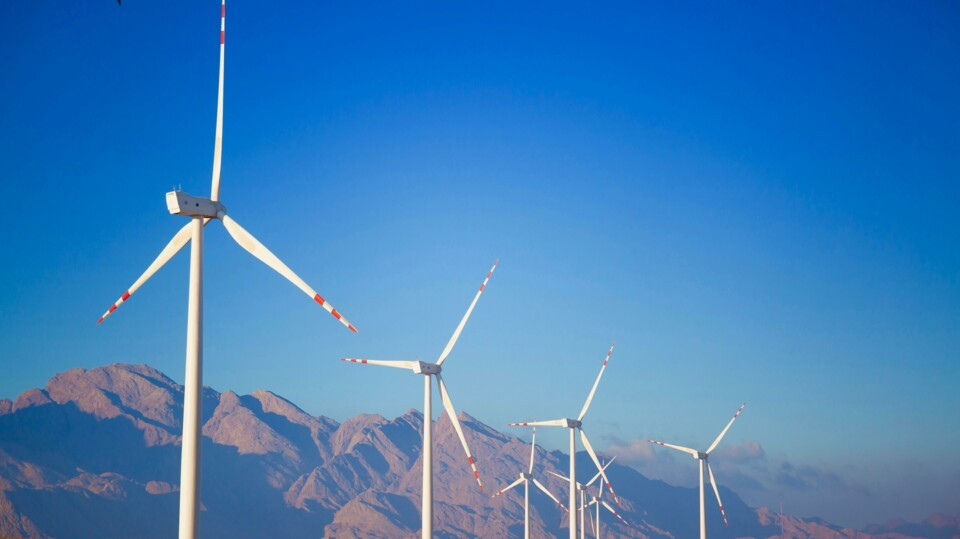
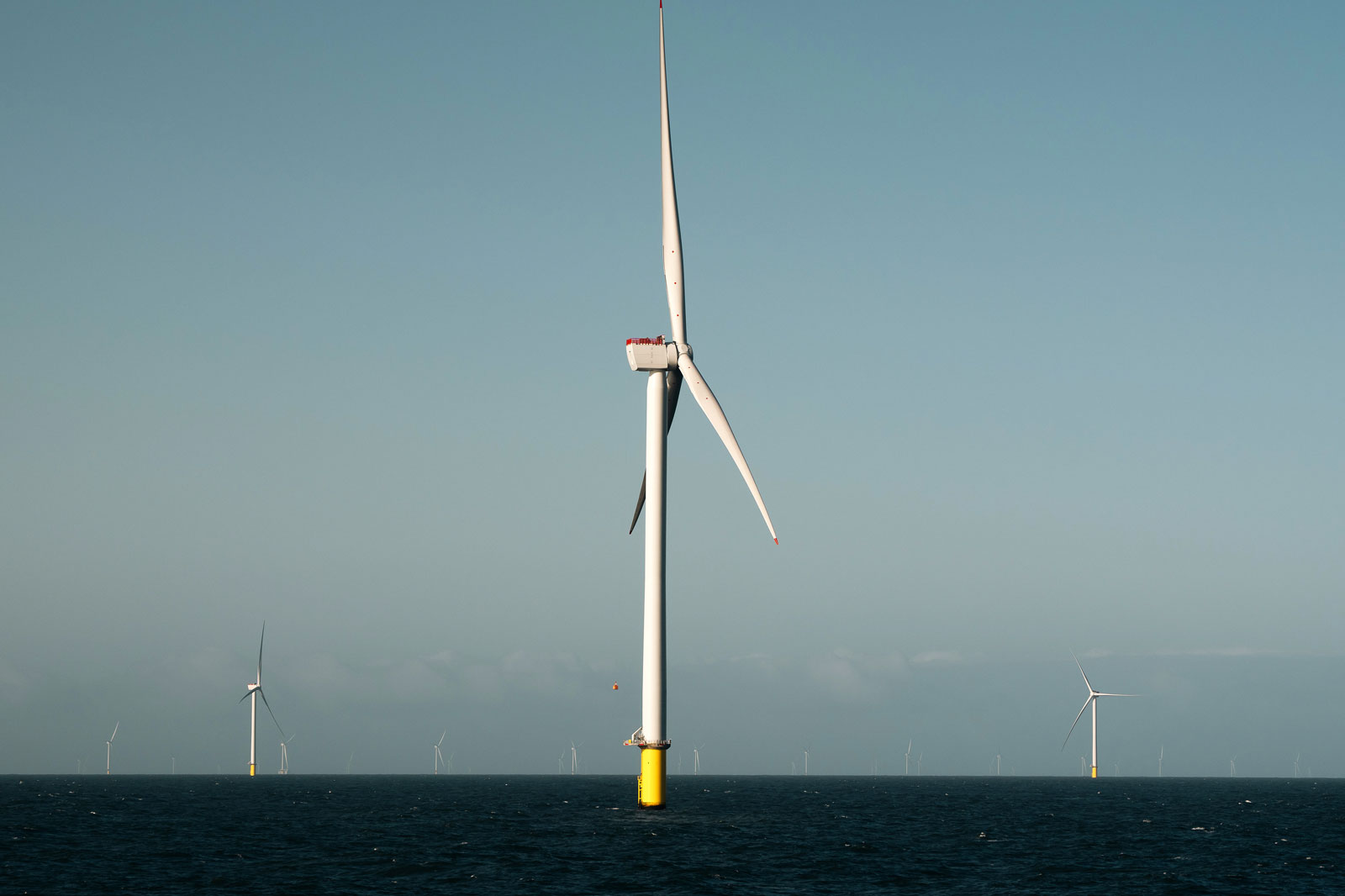
All 100 Siemens Gamesa SG 14-222 DD wind turbines were installed by June 2026. Before the cable failure, 88 had already generated electricity as Sofia progressed through the staged commissioning of its generating equipment and offshore electrical systems.
The interruption demonstrates the relationship between installed generating capacity and the availability of the infrastructure needed to export electricity. Sofia’s turbines may be physically complete, but their output cannot reach the transmission network while an essential part of the electrical connection remains unavailable.
RWE has identified the fault as damage to an onshore cable without specifying its exact location. The company has not disclosed which cable section was affected, the mechanism of damage, or the repair procedures being undertaken.
These omissions limit the technical conclusions that can be drawn from the incident. Sofia’s electricity connection comprises several different systems, including offshore array cables, high-voltage direct current transmission equipment, an onshore converter station, and the alternating current infrastructure linking the project to the national grid.
The wind farm is located on Dogger Bank in the North Sea, approximately 195km from the north-east coast of England. Its turbines feed electricity into an offshore collection network, with generating output transferred through submarine cables towards an offshore converter platform.
The array cable installation programme was completed in 2025. Marine contractor Van Oord installed 109 cables, establishing the electrical connections between the wind turbines and the offshore collection infrastructure.
Electricity produced by the turbines is collected as alternating current before being converted for high-voltage direct current transmission to the coast. The HVDC arrangement allows substantial generating capacity to be transported over the long offshore route without the same cable charging current constraints associated with an equivalent high-voltage alternating current connection.
Direct current transmission requires conversion equipment at both ends of the export route. The offshore converter transfers electricity into the HVDC system, while the onshore converter changes it back to alternating current for delivery to the receiving transmission network.
Each stage introduces equipment that must operate within defined electrical conditions. Transformers, converters, cables, protection systems, and switchgear are coordinated so that electricity can pass from the turbines to the national grid while maintaining the required operating limits.
Damage to a cable within the export connection can interrupt power transfer even when the offshore turbines and collection system remain mechanically available. The resulting outage depends on the affected circuit, system configuration, protection arrangements, and whether an alternative electrical path is available.
However, RWE’s disclosure does not establish whether the damaged onshore cable belongs to the HVDC section or another part of the connection. The fault should therefore not be attributed to a particular cable design, voltage, joint, or termination without further technical evidence.
High-voltage cable repairs generally require the affected equipment to be isolated before engineers can inspect the damage and determine the necessary remedial work. The repair may involve replacing damaged components or sections of cable, followed by electrical checks to establish that the connection can safely return to service.
The precise work required at Sofia remains undisclosed. Electrical testing and the restoration of normal protection arrangements will be necessary before RWE can resume generating through the affected connection, with the company maintaining its target of a restart before December.
The interruption also affects a project that was still progressing through commissioning rather than operating at full commercial capacity. Turbine installation finished in June, but the company has been introducing generating units into service progressively as the electrical systems become available and complete their required tests.
The 1.4GW installed capacity represents the wind farm’s intended maximum generating capability. It does not describe the output being delivered before the outage, which depended on wind conditions, the number of commissioned turbines, equipment availability, and electrical operating limits.
By early November, 88 turbines had generated electricity. That was a measure of commissioning progress, not confirmation that the full wind farm had entered unrestricted commercial operation.
The cable damage introduces a further constraint on the remaining programme. Restoring the onshore connection must be coordinated with the commissioning of the outstanding turbines, while the completed electrical system must satisfy the relevant testing and operational requirements before sustained generation resumes.
RWE has also identified a potential financial consequence. During the results call, Müller said the damage had been caused by another party and that the company intended to pursue compensation for the resulting losses.
No compensation amount has been disclosed, and RWE has not incorporated any prospective recovery into its reported financial figures. The value of a claim would depend on the circumstances of the damage, the applicable contractual or legal arrangements, and the financial consequences established by the outage.
The generating interruption may affect revenue that would otherwise have been earned during the commissioning period. The extent of any lost production cannot be determined from the installed capacity alone because actual output would have varied with the number of available turbines, wind conditions, and the project’s operating arrangements.
Sofia forms part of RWE’s expanding offshore wind portfolio, alongside the Thor project in Denmark, Nordseecluster in Germany, and the planned Norfolk Vanguard developments. Its generating equipment represents a substantial addition to the company’s future offshore production capacity once commissioning is complete.
RWE’s latest financial results show that electricity produced by offshore projects undergoing commissioning has already contributed to the company’s operating earnings. The successful restoration and completion of Sofia will determine when the project can progress from partial generation to its intended operating configuration.
The immediate milestone remains repair of the damaged onshore cable and the resumption of electricity generation before the end of November. RWE has retained its year-end target for all 100 turbines to have generated electricity, while the final completion date for the wider wind farm has not been separately confirmed.