
Storage
—
-
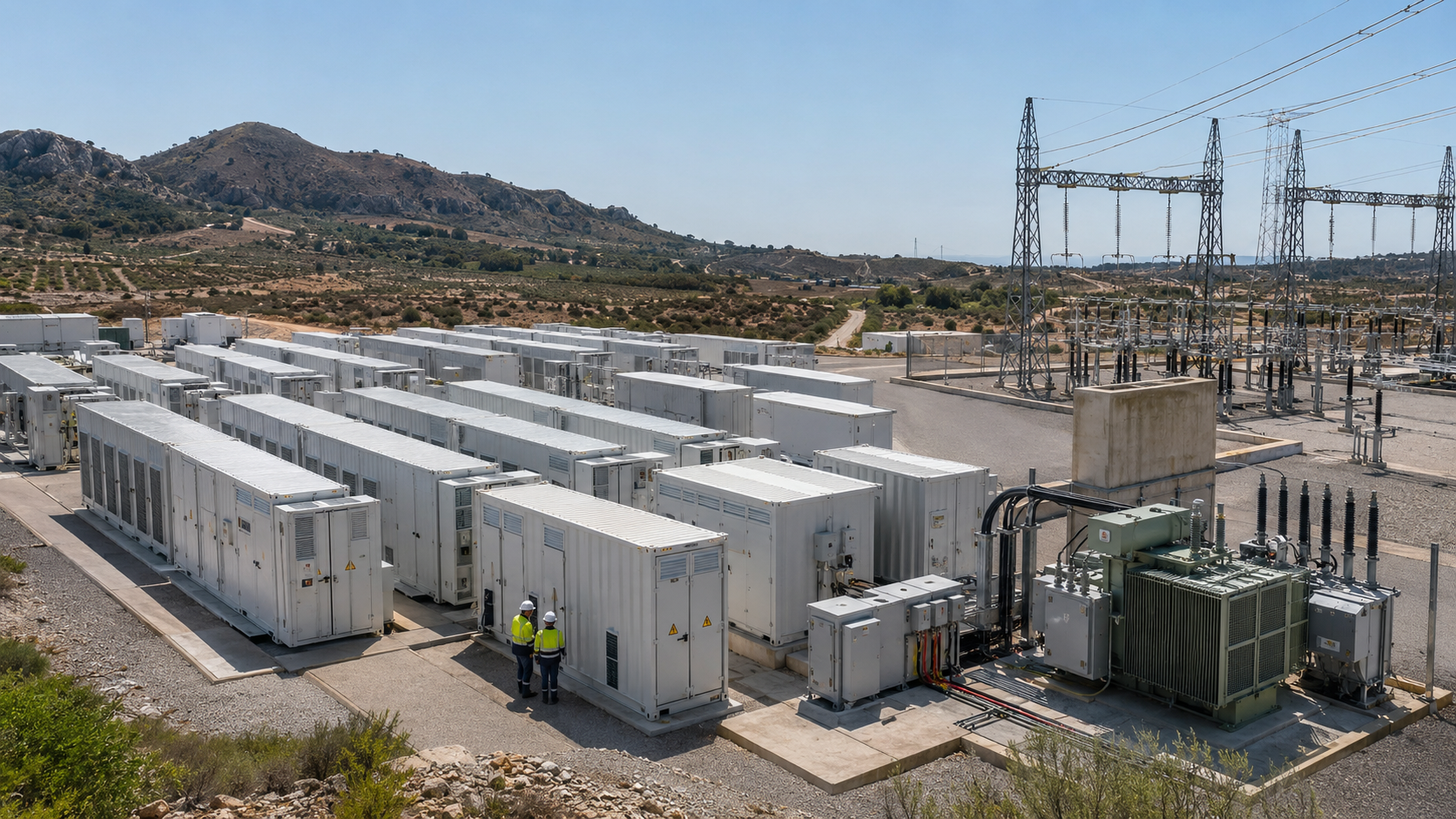
BW ESS has acquired two large Spanish battery storage projects. The 126MW portfolio could provide up to 675MWh and is targeted for commercial operation during 2028.
-
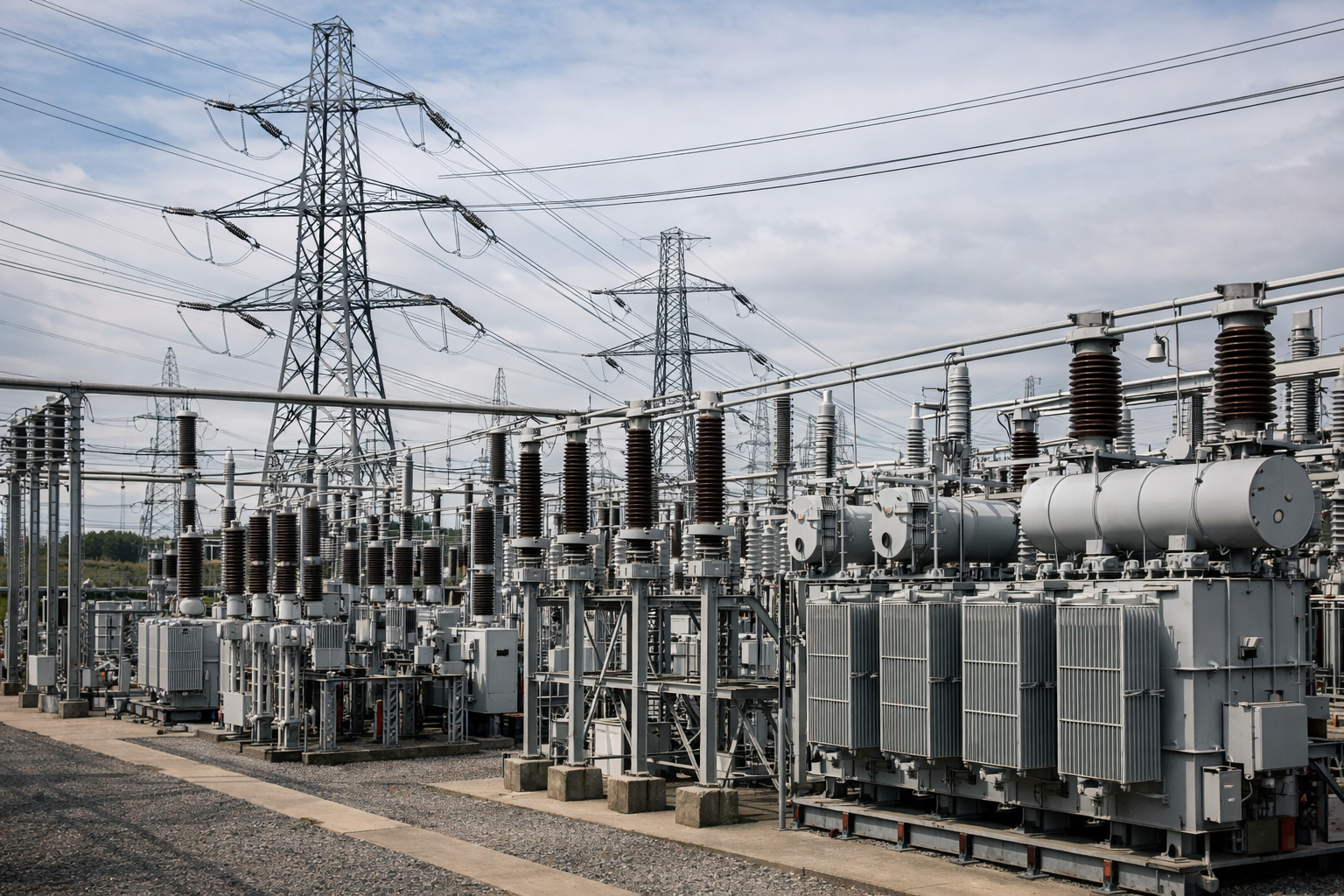
Capalo AI will commercially optimise Lithuania’s 168MWh Raseiniai battery project. The three-hour system will participate across wholesale and balancing markets following commissioning.
-
LEAG has started construction of Boxberg’s 1,600MWh battery storage project. The 400MW system will use LFP cells and connect through new 380kV switchgear.
-
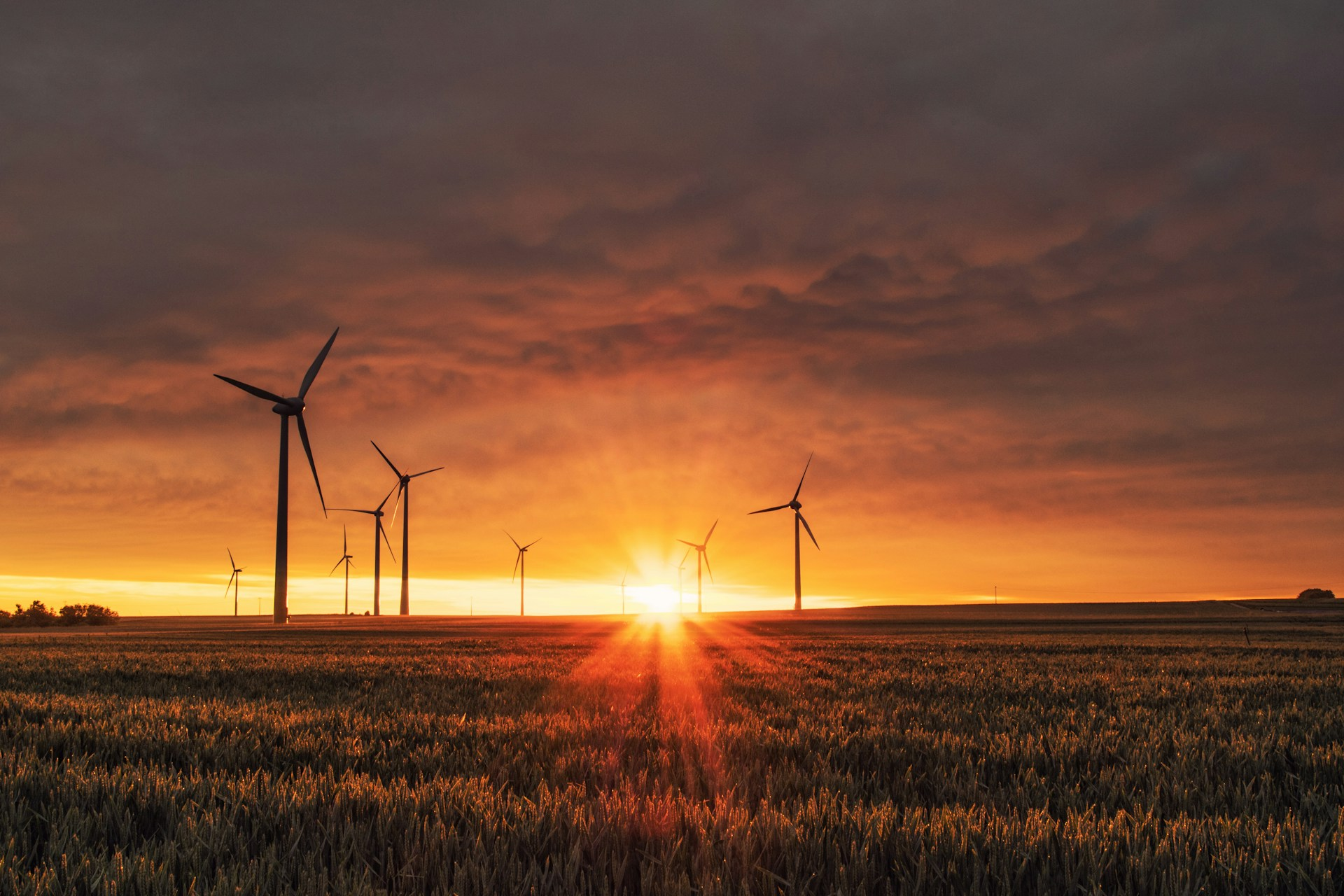
Gawara Baya has reached financial close and final construction approval. The Queensland project combines 408MW of wind generation with a 104MW grid-forming battery and is expected to reach full operation in 2030.
-
Dumbrava battery storage has secured €19 million for construction financing. The 50MW/100MWh Romanian project is already under construction, with commercial operation targeted for April 2027.
-
SPIE will deliver electrical infrastructure for two Belgian battery projects. Volta and Franklin combine 300MWh of storage with 150kV transmission connections and commercial commissioning planned during 2027.
-
SUNOTEC has started construction of its Stendal battery storage project. The 100MW/441MWh system includes a new 110kV substation and is scheduled for commissioning in the first quarter of 2027.
-
Sirius battery has reached financial close in the northern Netherlands. Vattenfall will control dispatch of the 200MW/800MWh system under a long-term tolling agreement tied to time-dependent transmission rights.
-
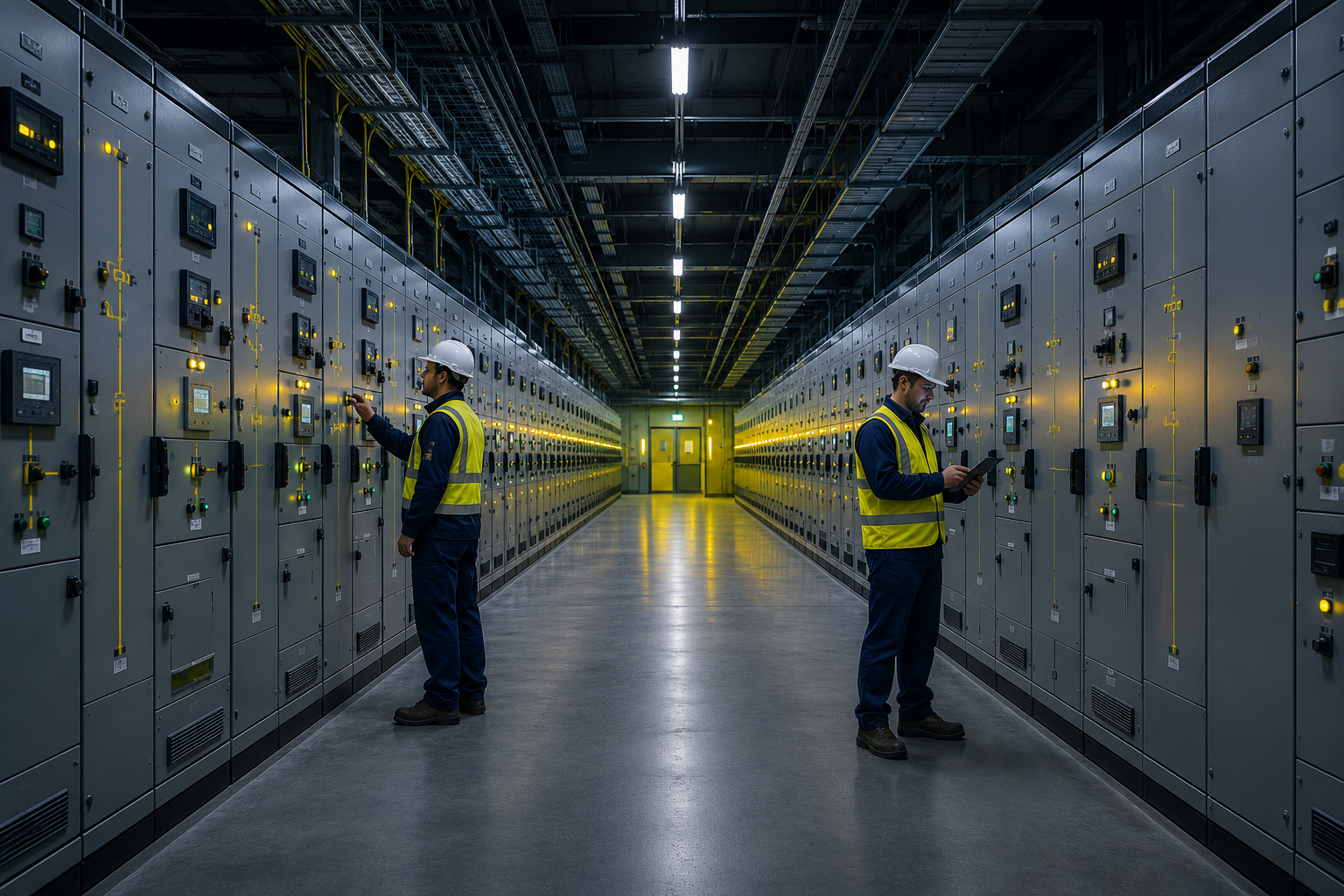
METLEN is now advancing 1.3GWh of battery capacity across Europe. Projects in Britain, Italy, and Greece span EPC delivery, project finance, tolling, transmission integration, and completed assets.
-
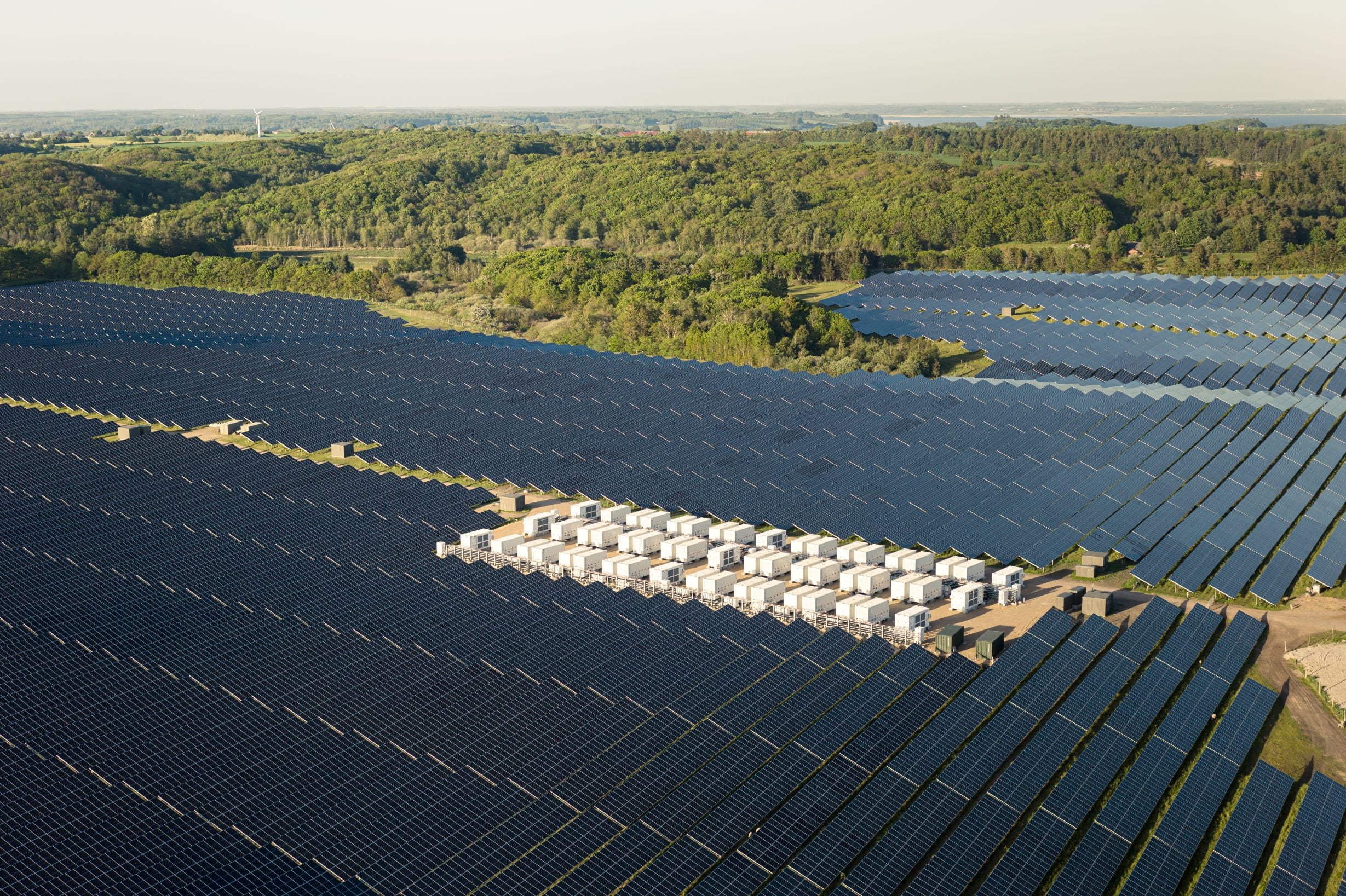
European Energy has brought 545MWh battery storage capacity into operation. Seven systems across Denmark and the Baltics give the developer 167MW of operating BESS as it prepares further deployments across Europe and Australia.