IN Brief:
- Future Energy's Raseiniai battery will provide 56MW of output and 168MWh of storage.
- Capalo AI will provide optimisation, trading, balance responsibility, and route-to-market services through its Zeus VPP platform.
- Construction is under way, with completion planned by year-end and commercial operation targeted for Q1 2027.
Capalo AI has agreed to optimise and trade a 56MW/168MWh battery energy storage system being developed by Future Energy in Raseiniai, Lithuania, adding wholesale and balancing-market operation to a project already under construction.
The standalone battery is designed for three hours of discharge at rated output and is scheduled for completion by the end of 2026. Commercial operation is expected during the first quarter of 2027, according to the latest project timetable.
Capalo AI will provide day-ahead, intraday, and balancing-market trading, together with route-to-market and balance responsible party services. Dispatch will be managed through its Capalo Zeus virtual power plant platform, linking commercial trading decisions with the operating limits of the physical storage asset.
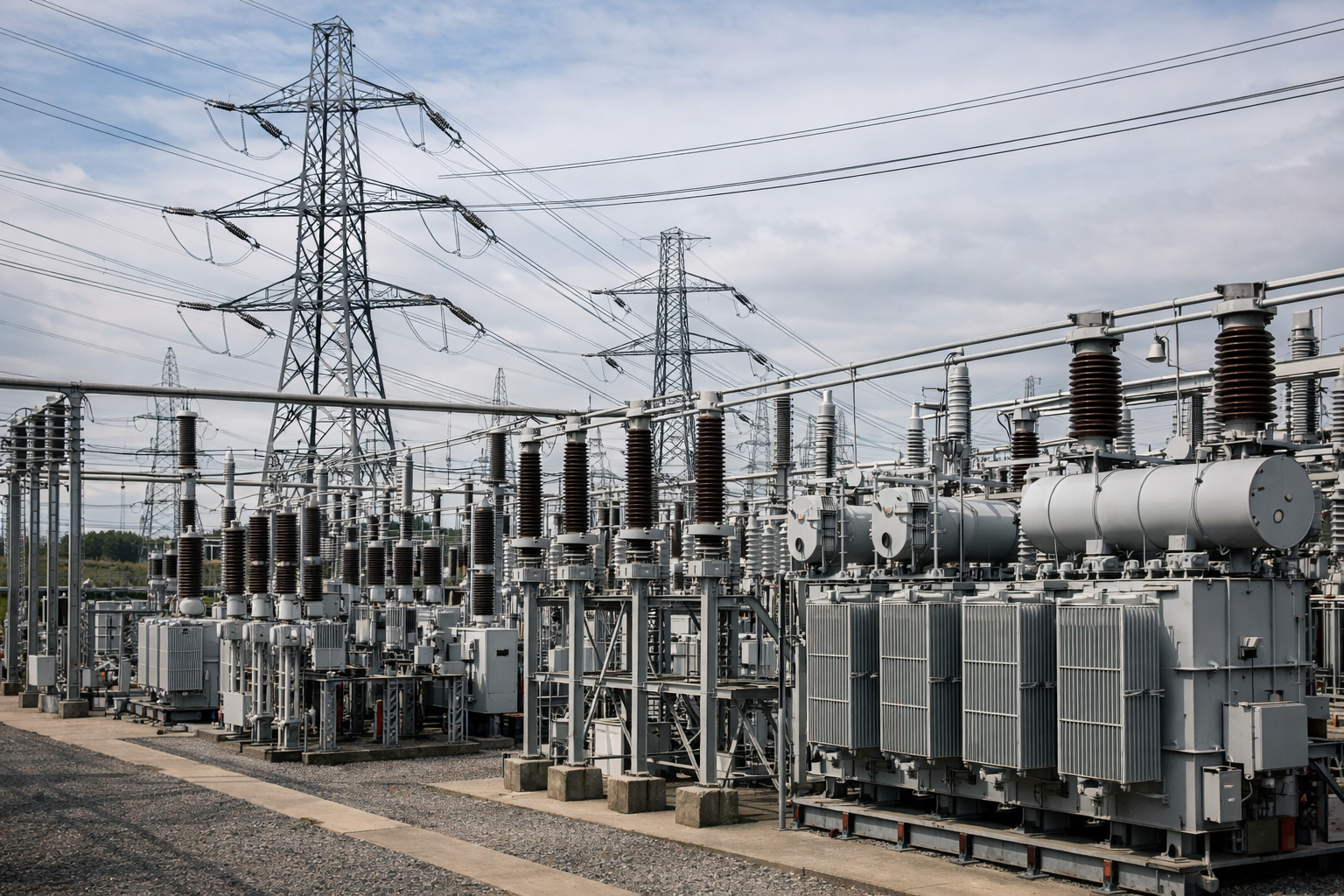
Future Energy is developing the project, while MT Group is responsible for engineering, procurement, and construction. The battery will connect to Lithuania’s 110kV transmission network through the expanded Raseiniai transformer substation, placing the asset directly on the high-voltage system rather than behind a local distribution connection.
Construction was already active by June, when Raseiniai district authorities put the investment at more than €30 million. The municipality identified the same 56MW and 168MWh ratings and described the scheme as one of Lithuania’s larger commercial battery projects.
Storage revenue depends on operating decisions
A three-hour battery sits between the short-duration installations that initially dominated frequency-response markets and the larger systems increasingly designed for sustained energy shifting. Raseiniai will be capable of responding rapidly to grid requirements, but its larger energy reservoir also gives the operator scope to charge and discharge across longer wholesale-price movements.
That flexibility comes with a more complicated optimisation problem. Every dispatch decision changes the battery’s state of charge and therefore its ability to respond to the next market opportunity. Day-ahead prices, intraday volatility, balancing-market requirements, efficiency losses, cycling limits, and connection constraints all have to be assessed against one another.
The commercial platform consequently becomes part of the plant’s operating architecture rather than a separate financial service. Automated trading can identify opportunities, but commands still have to respect the physical constraints established by the battery system, inverters, transformers, thermal-management equipment, protection settings, and grid connection.
Reliable telemetry is equally important. A virtual power plant cannot optimise an asset effectively without current information on available capacity, power limits, equipment status, state of charge, and connection conditions, while dispatch instructions have to be passed back to the plant quickly enough to participate in faster balancing products.
Capalo AI already operates in the Lithuanian market and lists frequency containment reserve, automatic and manual frequency restoration reserve, spot, and intraday trading among the services available through its platform. The Raseiniai agreement extends that work to another large standalone storage asset rather than a hybrid solar-and-storage scheme.
The distinction is relevant because a standalone battery has no co-located generator determining when electricity is available to charge it. Its operating strategy instead depends more heavily on network access and market prices, although connection agreements can still restrict when and how much power can be imported or exported.
Lithuania has been expanding renewable generation while strengthening the flexibility available to its electricity system. Battery storage can absorb generation when supply exceeds immediate demand and return energy later, but storage does not eliminate the transmission capacity needed to move those power flows between regions.
For a 56MW installation connected at 110kV, the electrical interface is substantial. Protection coordination, metering, communications, transformer capacity, fault levels, and compliance testing will determine whether the battery can use its full operating range once construction is complete.
The project also has to bridge the boundary between its EPC systems and Capalo AI’s operating platform. Control interfaces established during commissioning must allow external dispatch without compromising local protection, equipment warranties, or plant-control priorities.
Earlier project information placed commercial operation during the first half of 2027. The newer optimisation agreement narrows that timetable to the first quarter, while retaining the target of completing construction by the end of this year.
Those dates leave the engineering programme with several material stages still to complete. Battery installation, high-voltage integration, communications, energisation, compliance testing, and commercial-market qualification all have to be finished before optimisation revenues can begin.
Once the Raseiniai asset enters service, its performance will be determined as much by those interfaces as by its headline 168MWh capacity. The battery has three hours of stored-energy capability on paper; the combination of grid access, equipment availability, and dispatch strategy will determine how effectively that capacity can be used.