
Storage
—
-

Kernel has secured €100 million for Ukrainian wind generation capacity. The 94.5MW project combines 21 Vestas turbines with battery storage and will supply company operations alongside the Ukrainian grid.
-

Eurowind has secured Romanian grid approvals for seven renewable projects. The 2.3GW portfolio combines wind, solar, and storage, with post-2030 connections dependent on network reinforcement and construction permits.
-
European corporate PPA prices rose across key markets during July. Pexapark’s European composite increased 2.3% to €45/MWh, while nine battery agreements represented around 865MW and 3.1GWh of contracted storage.
-
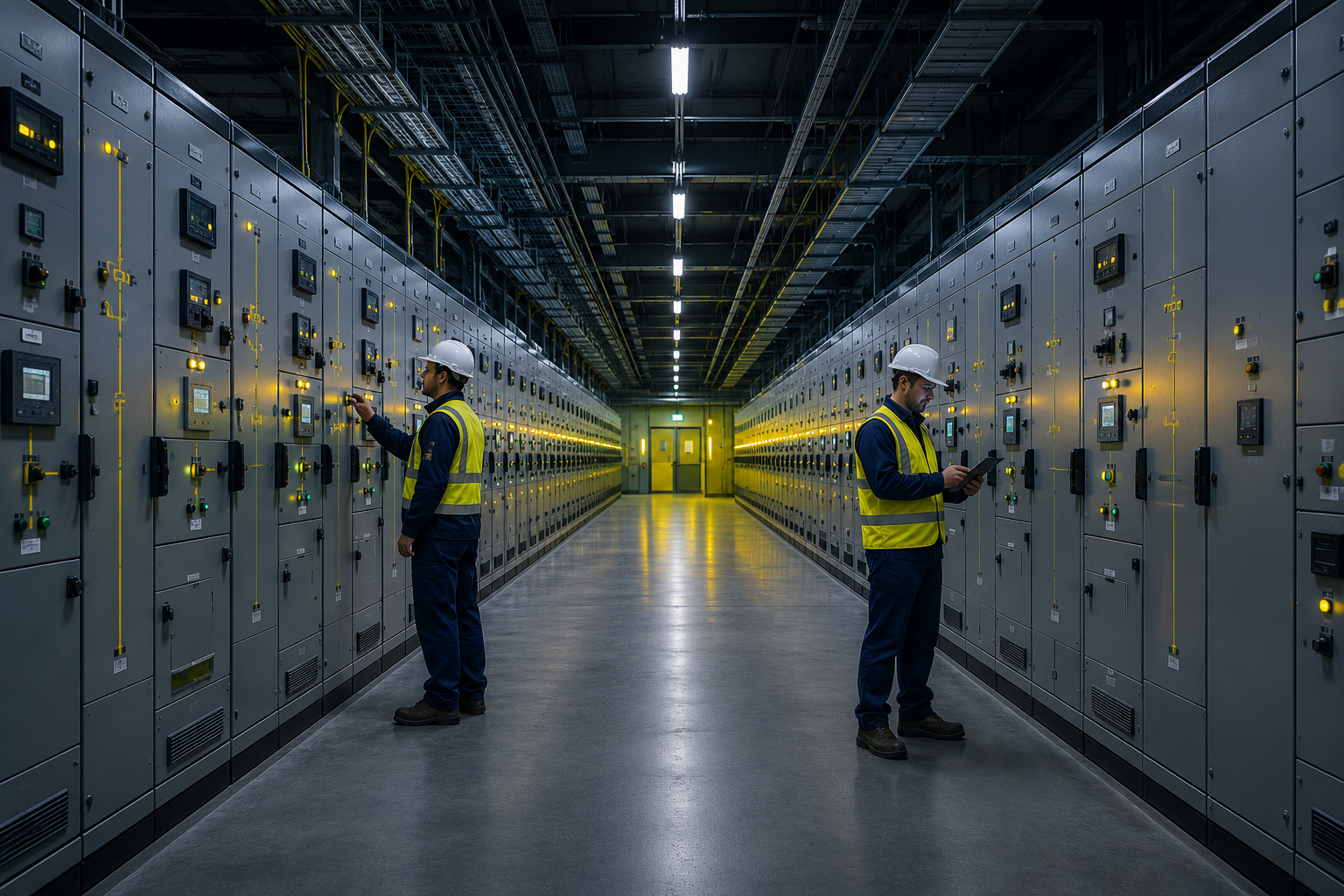
iON+ and ACCURE have formalised a battery data partnership agreement. High-frequency BESS information will feed ACCURE analytics, with corrected energy estimates returned for use in dispatch and trading.
-
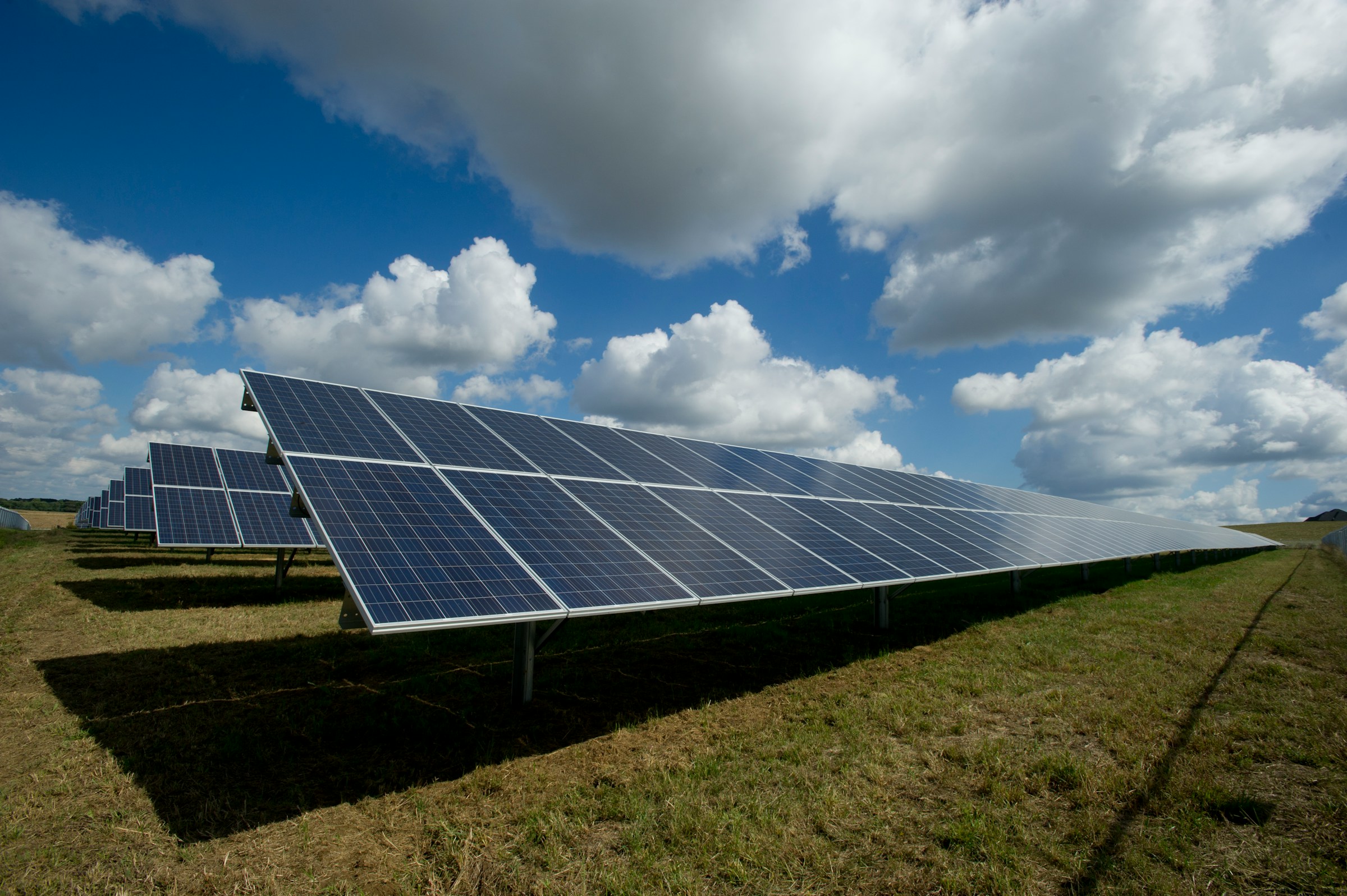
Italy added 28.86MWh of renewable-linked battery capacity during July 2026. Terna data put this segment above 12GWh while solar capacity continued to expand.
-
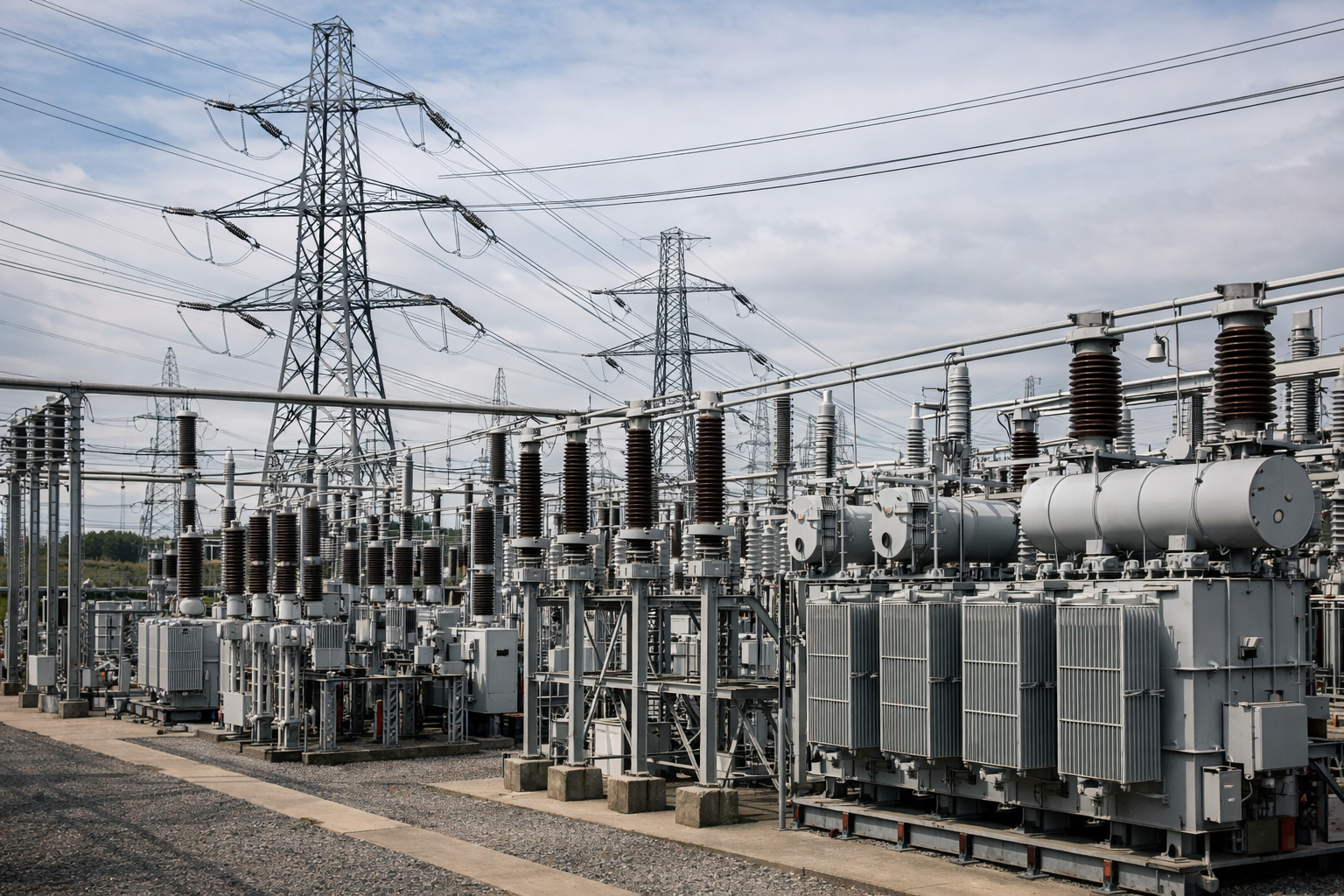
Alpiq is acquiring a 103.5MW operational battery plant in Germany. The 238MWh Bollingstedt asset becomes its first operating large-scale German BESS and extends a European storage portfolio spanning France and Finland.
-
COMAX France has completed ten battery sites across metropolitan France. The 57MW/114MWh portfolio lifts its operational French storage capacity above 86MW and expands distribution-connected flexibility.
-

GE Vernova has launched medium-voltage UPS technology for data centres. The pre-commercial system combines power conversion, controls, and battery storage to isolate larger critical loads from supply disturbances and rapid demand changes.
-
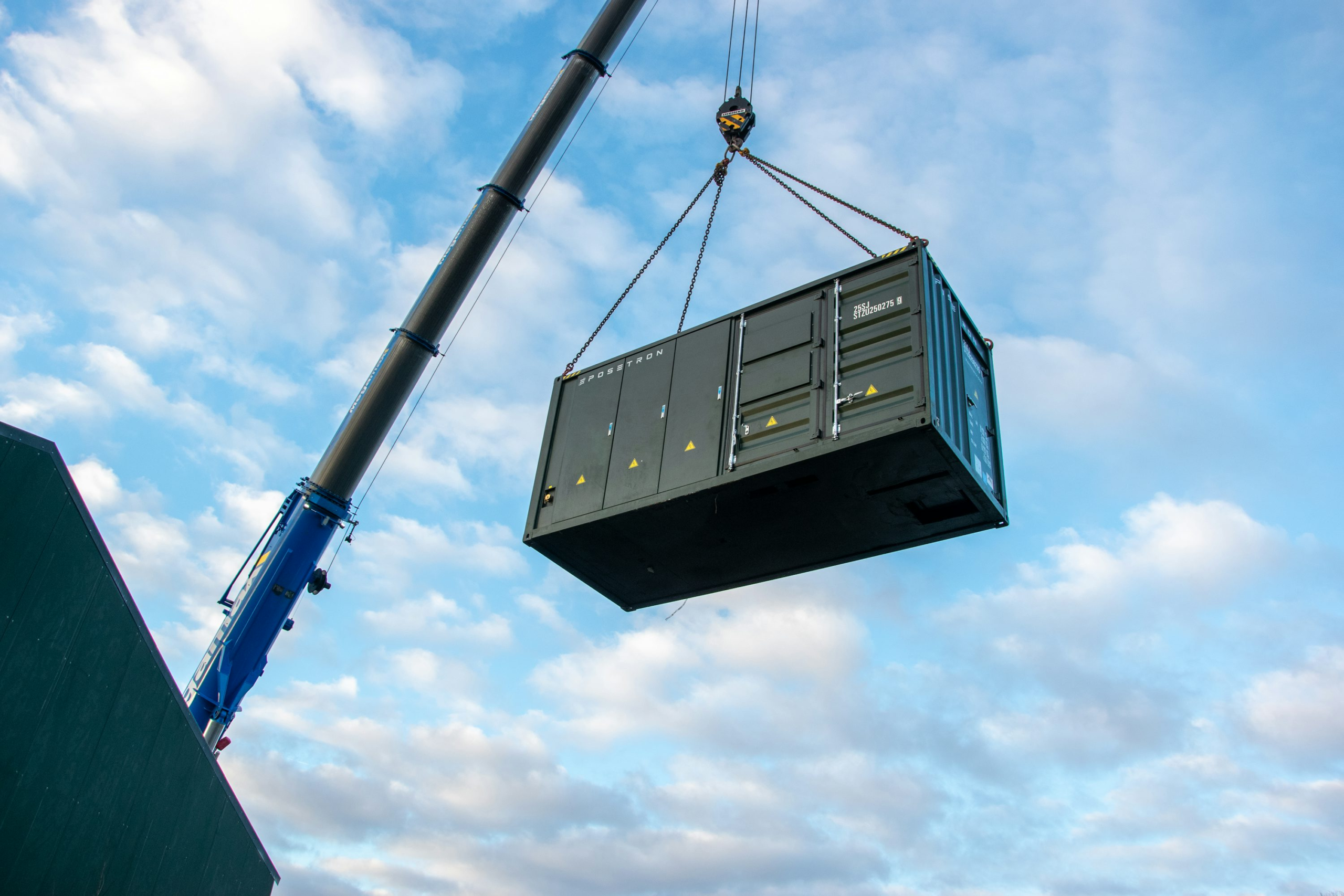
Masdar has started commercial operations at its Rochdale battery project. The 35MW/70MWh system adds two-hour grid flexibility as the developer advances a £1 billion UK storage programme.
-
SECI has concluded 1.5GW of assured peak renewable procurement nationwide. The FDRE-IX auction covers 6,000MWh of four-hour supply from ISTS-connected renewable projects using co-located storage, with NTPC Renewable Energy confirming a 500MW award at ₹6.00/kWh.