
Storage
—
-

Centrica will optimise a 300MWh Finnish battery project from 2027. A partial tolling agreement gives Karppio access to wholesale, balancing, and ancillary-service markets.
-
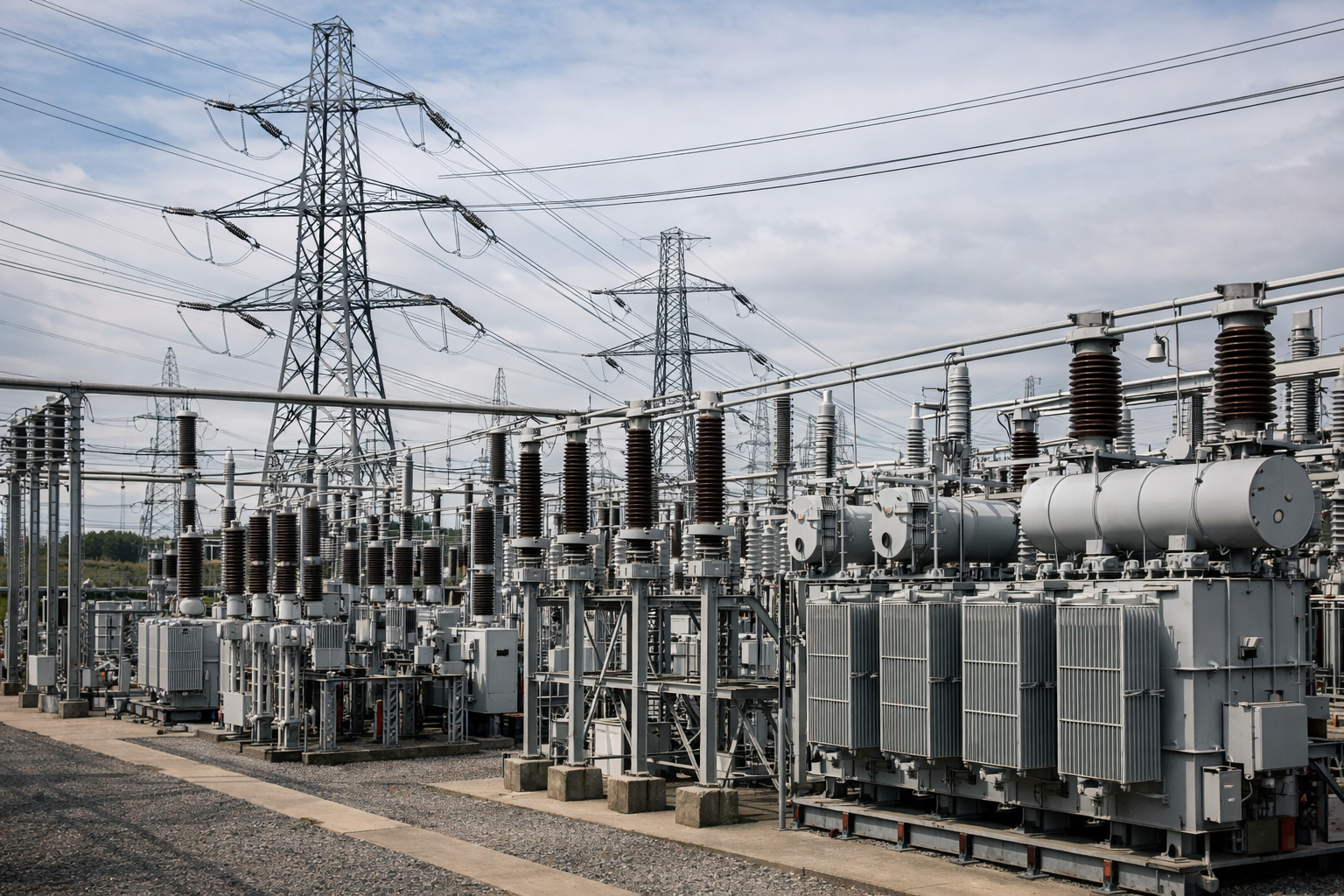
Vattenfall has approved a 1GWh battery storage project in Germany. The 254MW system will connect to 50Hertz’s 380kV network and target end-2028 commissioning.
-
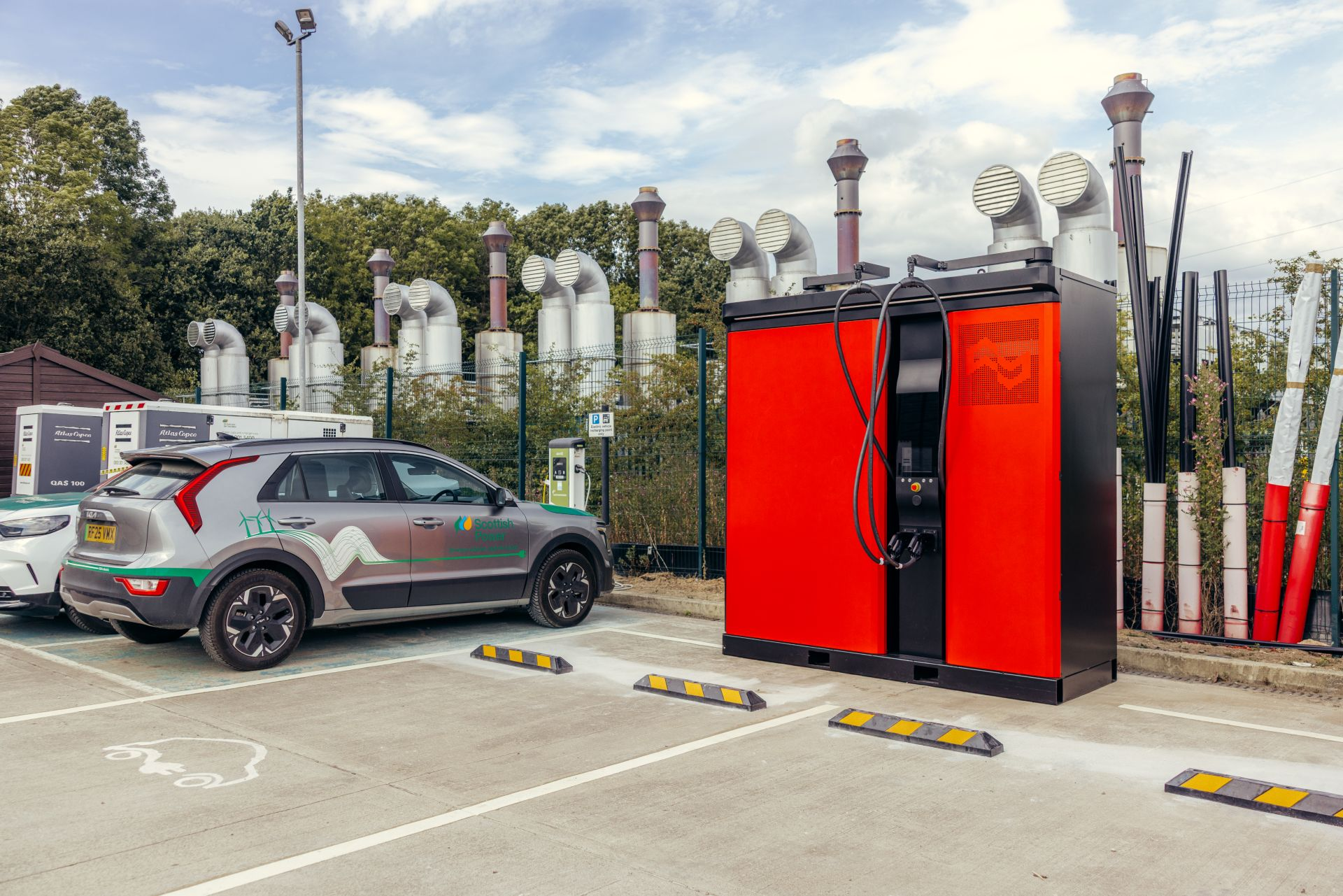
TUAL expands battery-buffered charging across three SP Energy Networks sites. The first UK commercial rollout follows the Middlewich pilot, using integrated storage to provide high-power DC charging around constrained connections and 30-minute fleet dwell periods.
-
Iberdrola awarded €30m across storage and mobile-substation contracts in Spain. Ingeteam takes €25m of BESS work, while Ormazabal will design, manufacture, and supply two mobile substations for network operations.
-
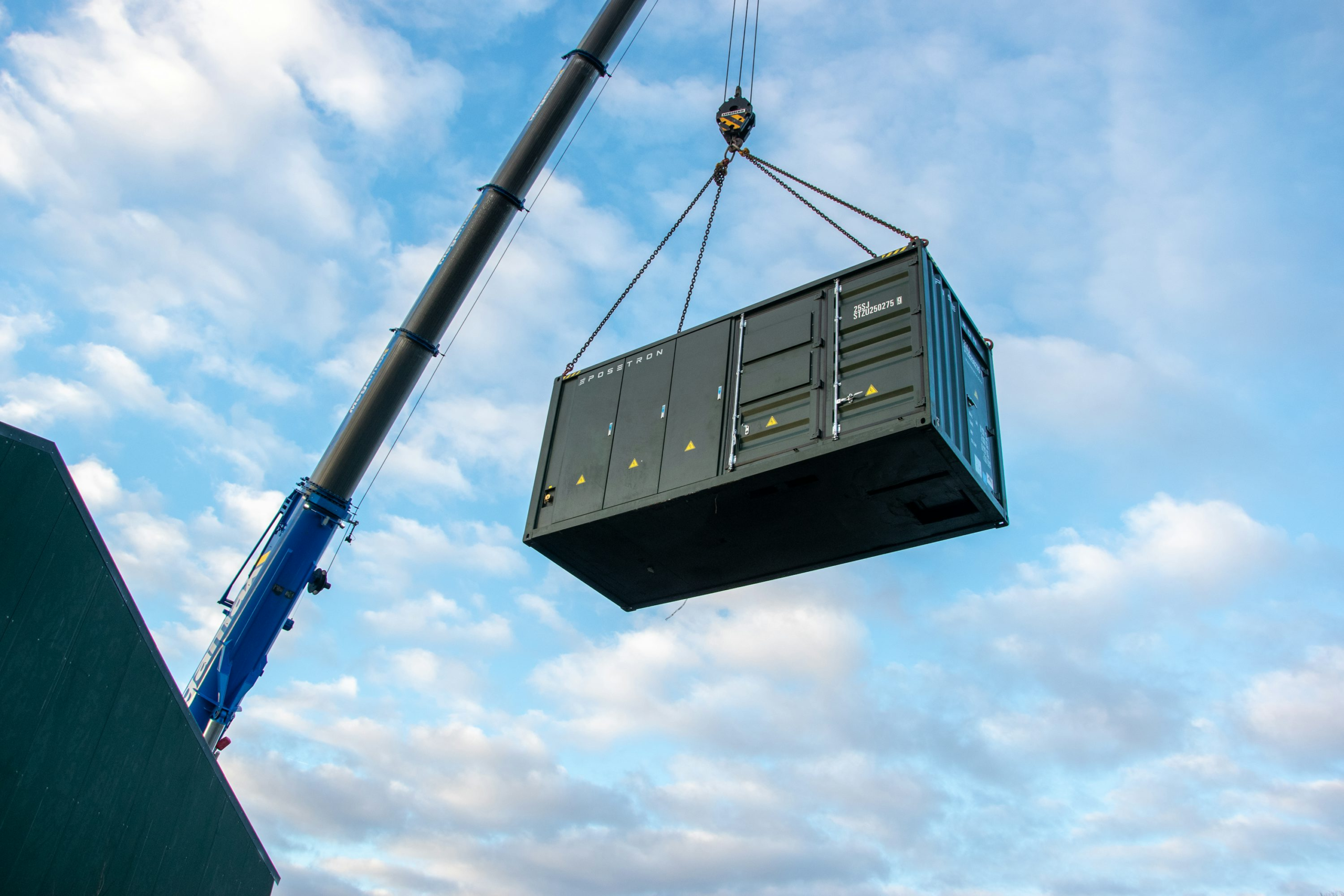
Axpo commissioned Switzerland’s largest operating battery storage system at Gurtnellen. Its 50MW installation sits beside energieUri’s separate 8.4MW battery and existing grid and generation infrastructure in Canton Uri.
-
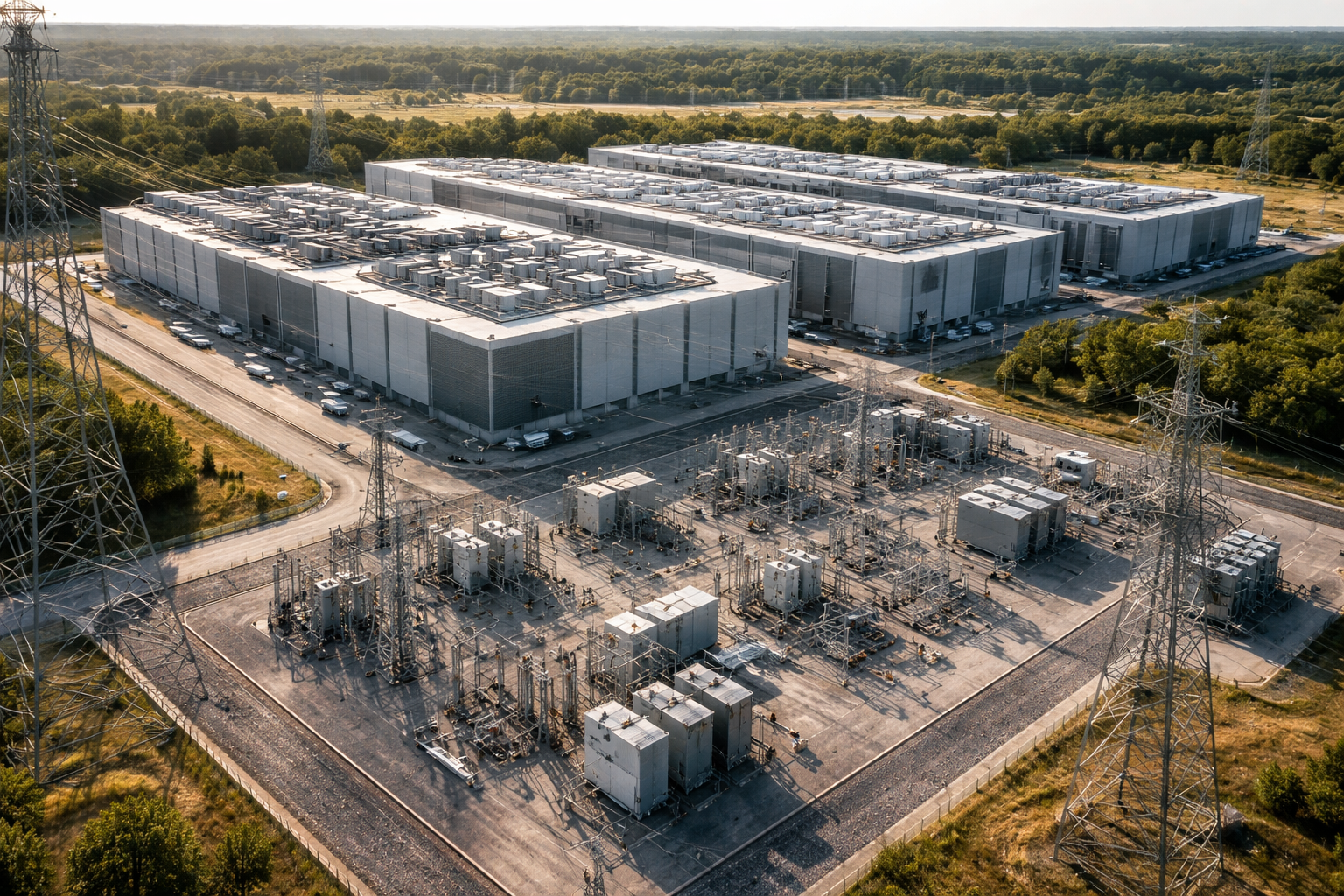
Fortum and Google linked Loviisa’s future to long-term power demand. A 22-year nuclear PPA supports lifetime-extension investment, uprating, and a new 94MW battery alongside Google’s expanding Finnish data-centre estate.
-
Jacobs will lead regulatory work for EnergyPathways’ MESH storage project. The appointment covers planning, consenting, environmental work, grid connection, and support for Ofgem’s forthcoming cap-and-floor application.
-
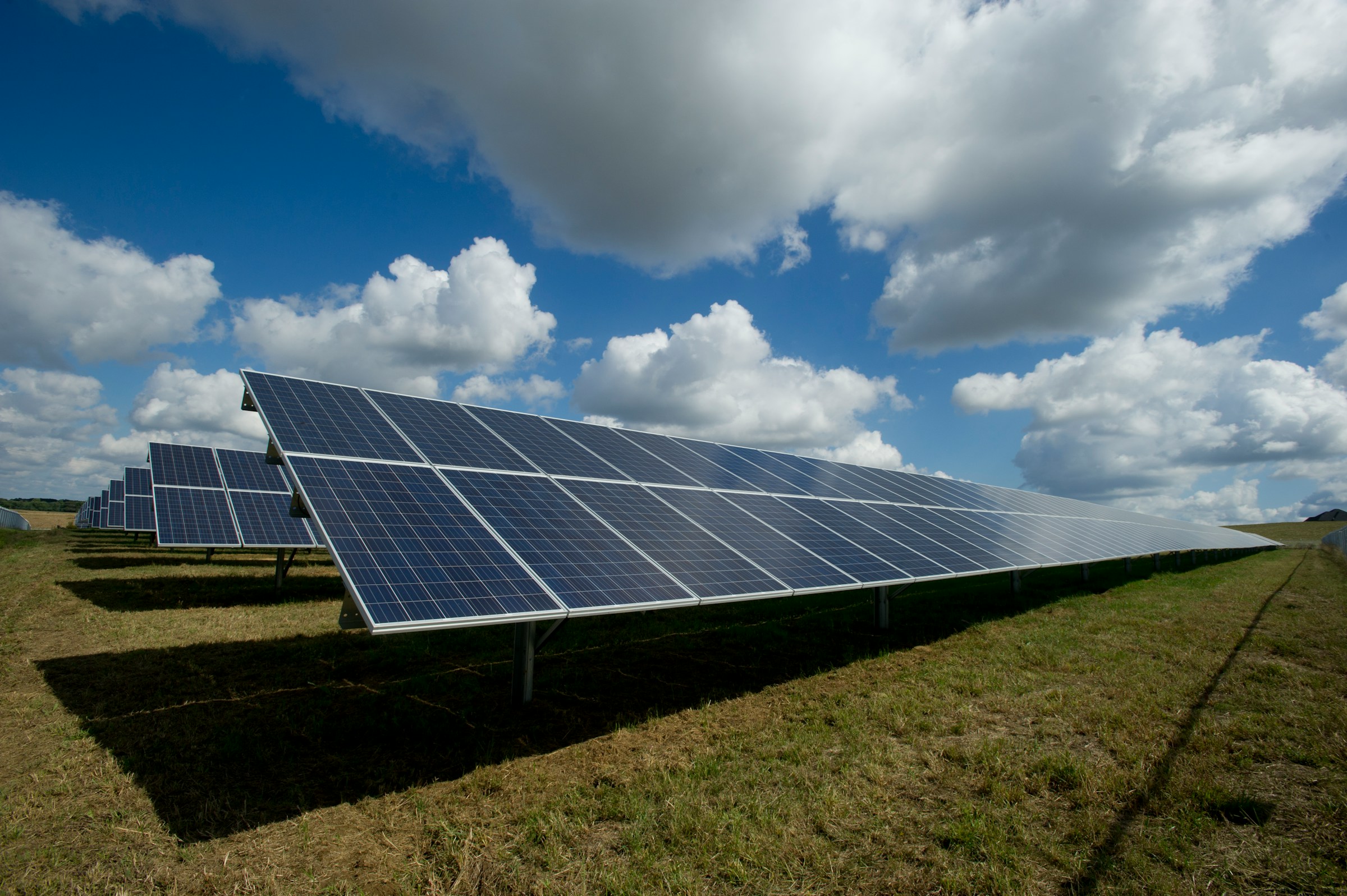
EU solar additions increased slightly during 2026’s first six months. SolarPower Europe says grid constraints, curtailment, negative pricing, and insufficient flexibility are limiting deployment economics despite record electricity output.
-
Hanab will build Sirius battery’s new 220kV transmission connection infrastructure. The scope covers a high-voltage station, cable link, engineering, testing, and handover for Return’s 200MW/800MWh Dutch storage project.
-
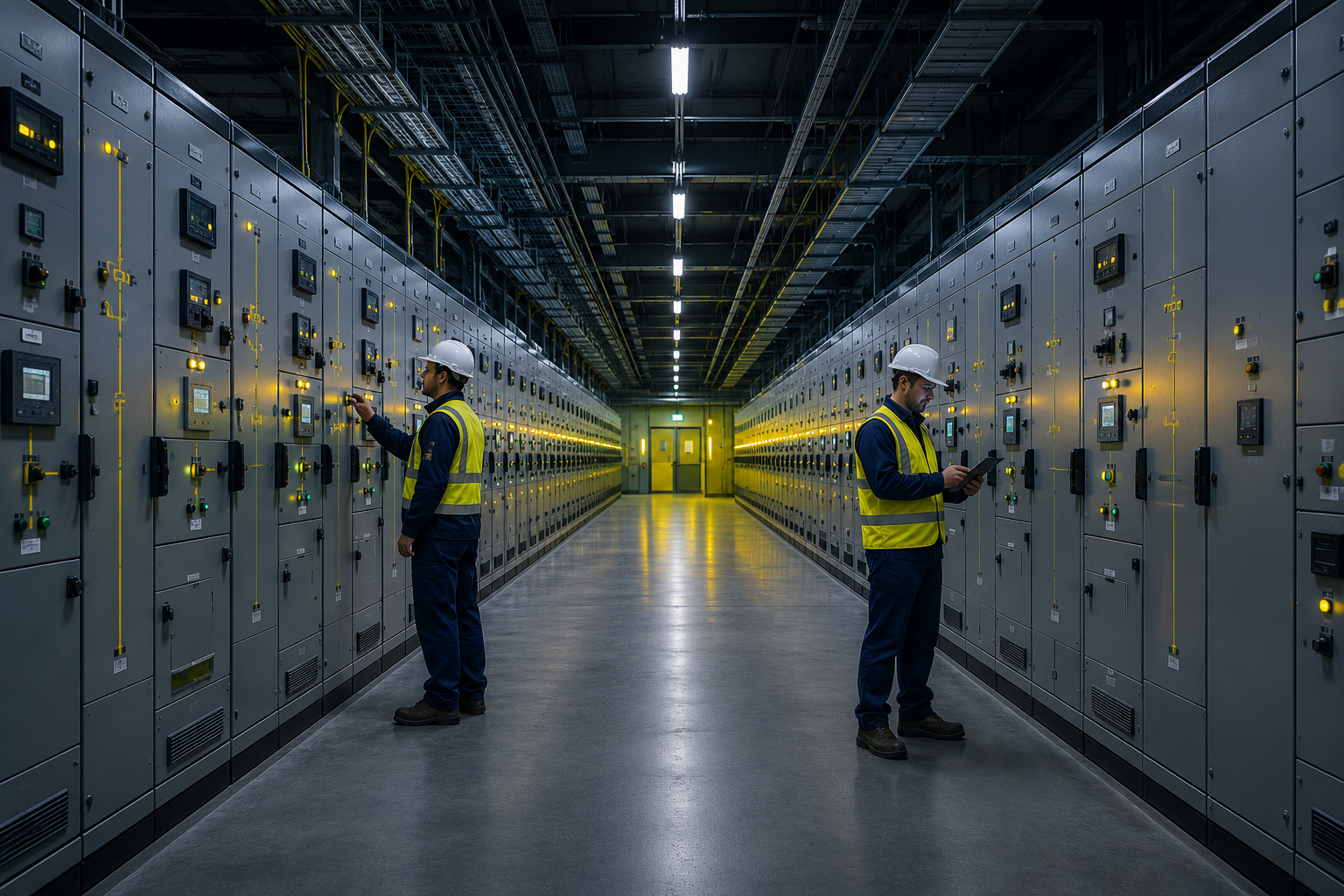
OptiGrid will optimise trading for Vena Energy’s 408MW Bellambi battery. The approximately 816MWh New South Wales project is under construction and targets commercial operation during 2027.