
Energy
—
-
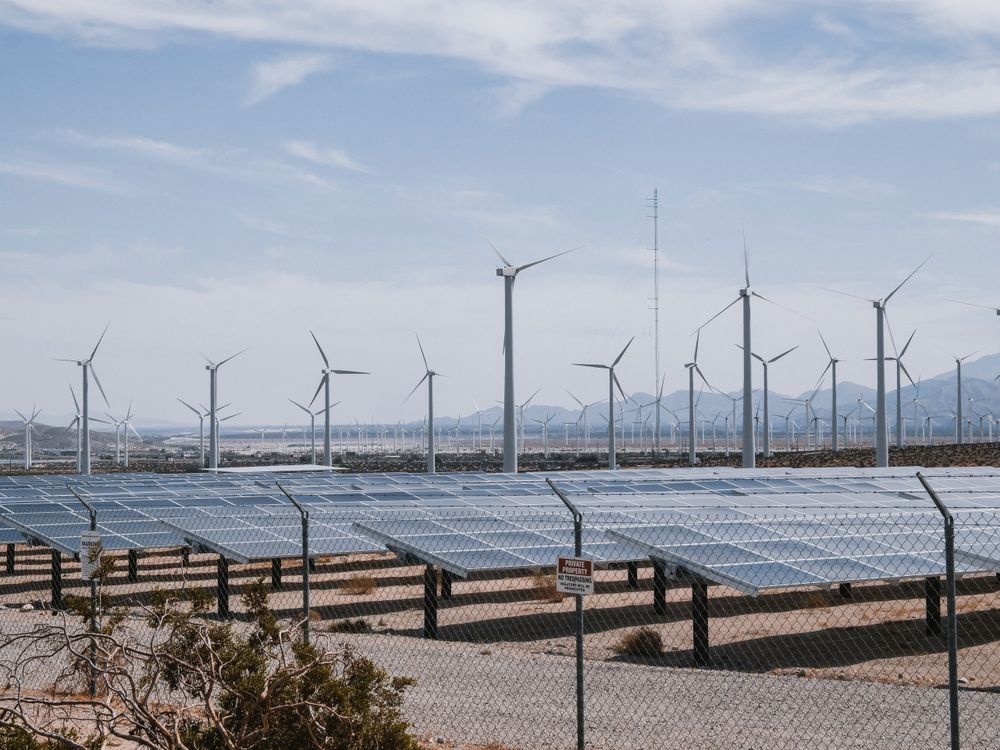
Three energy projects have gained European cross-border renewable project status. The schemes span Ukraine, Romania, Poland, Germany, and Austria, combining wind, solar, geothermal heat, and cross-border energy use.
-
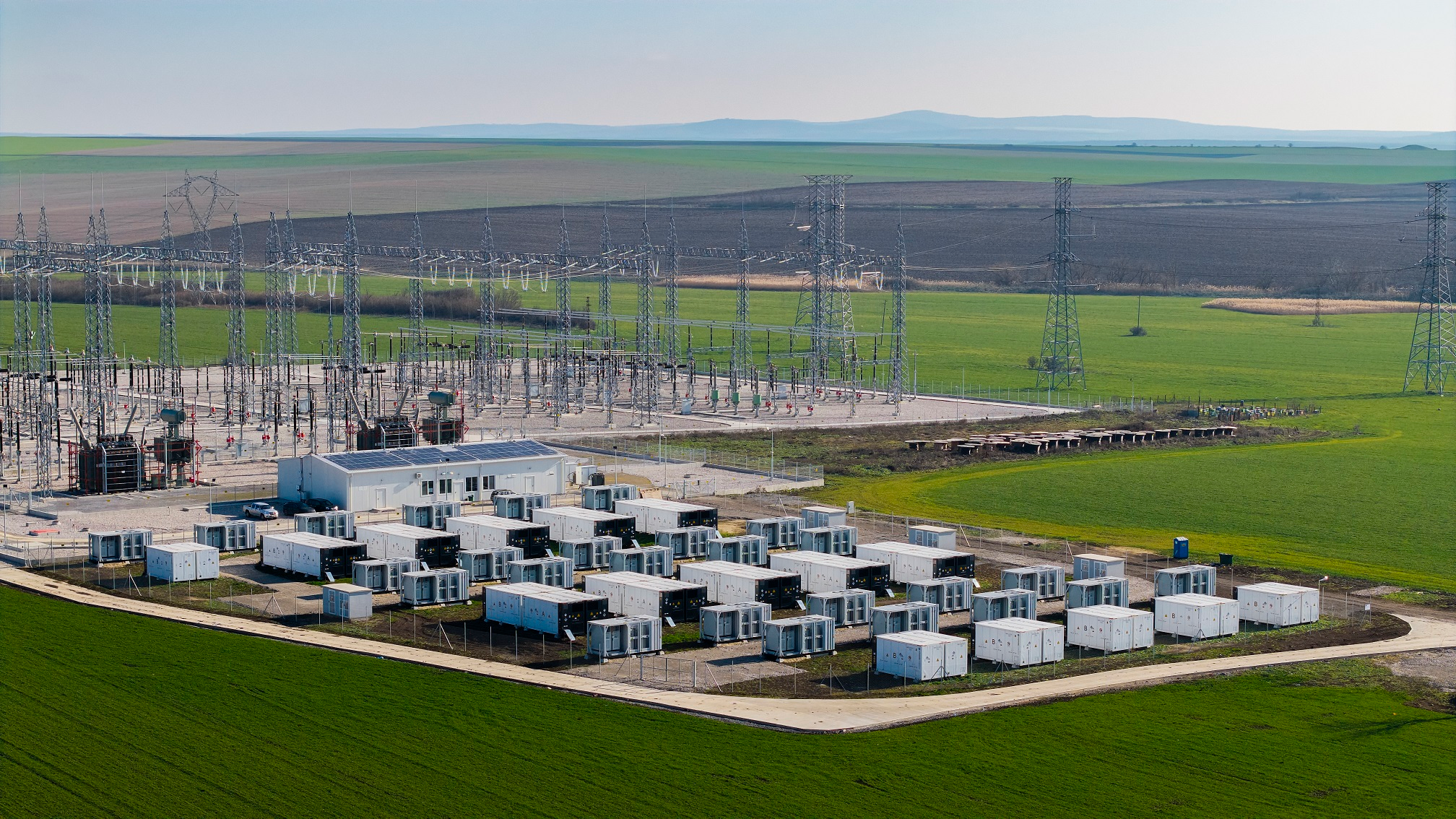
Tenevo combines large solar generation with long-duration battery storage capacity. The Bulgarian complex pairs 242 MWp of photovoltaic capacity with 311 MW / 773 MWh of storage and is planned to add more than 250 MW of wind.
-
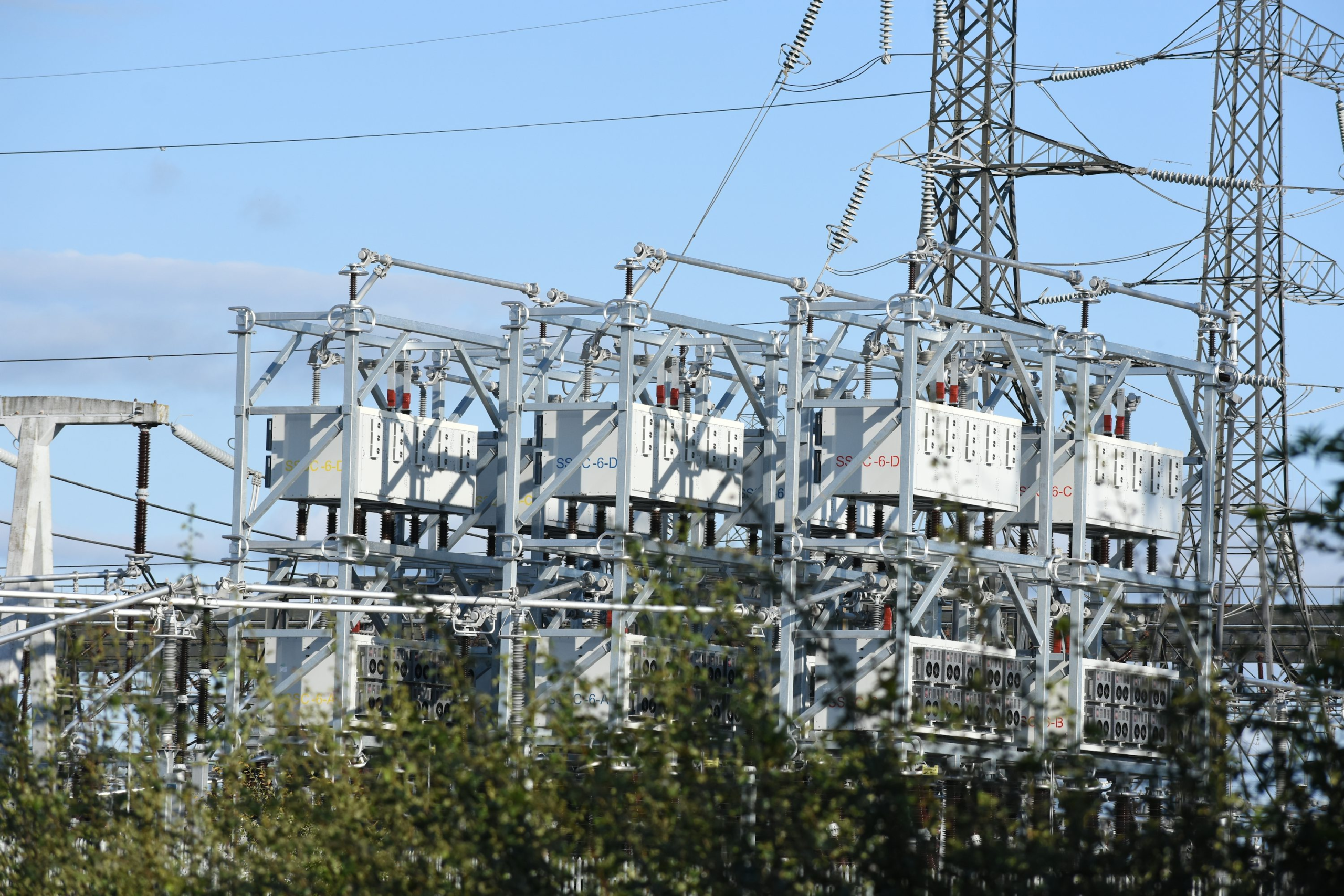
Eurelectric says Europe needs more flexibility as clean generation grows. Its 2026 Power Barometer highlights storage, grids, and demand response as continuing constraints.
-
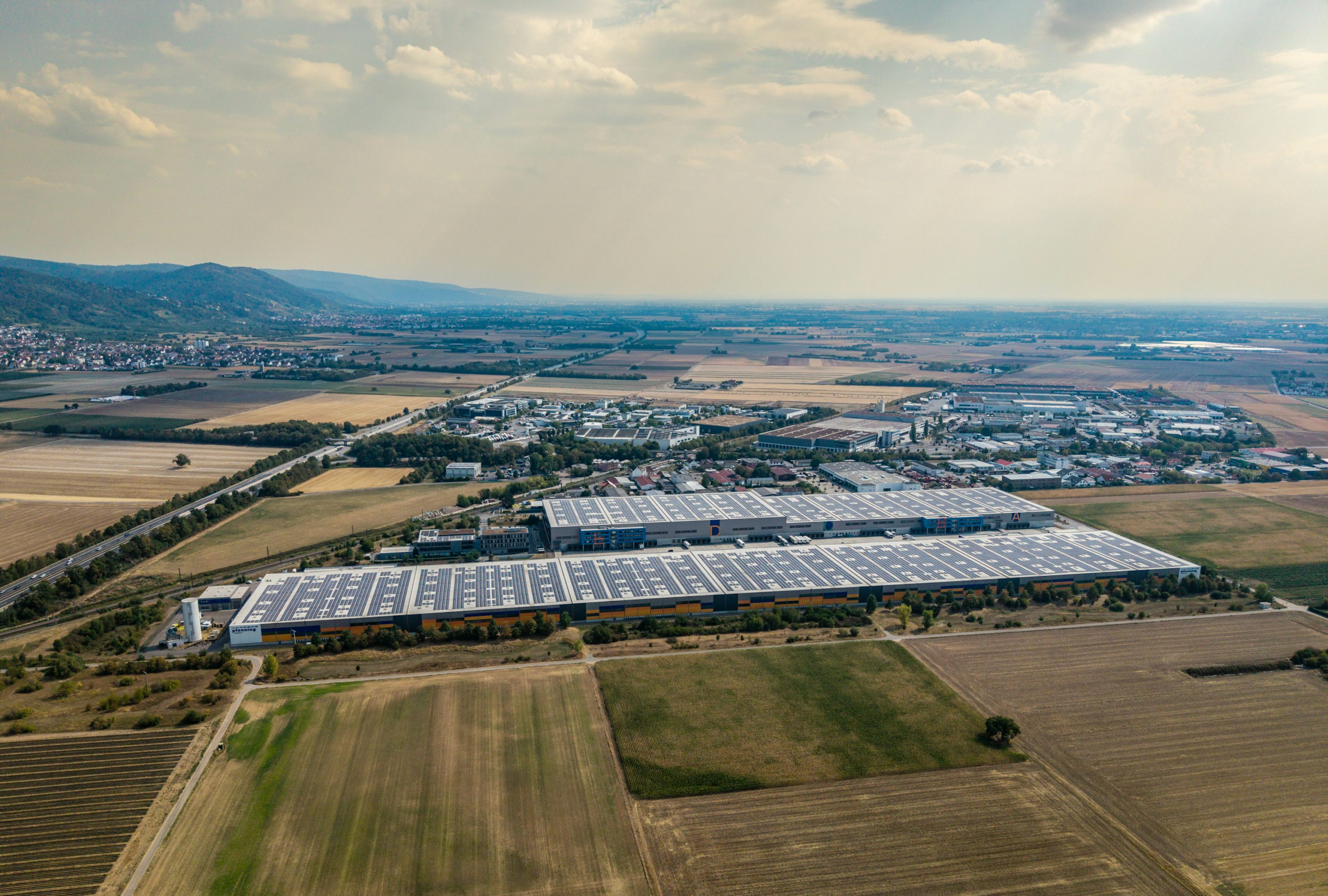
UK renewable generation reached a record 55.8% share in Q2. Wind output exceeded gas generation while installed renewable capacity reached 66.3GW after another 2.7GW was added over twelve months.
-
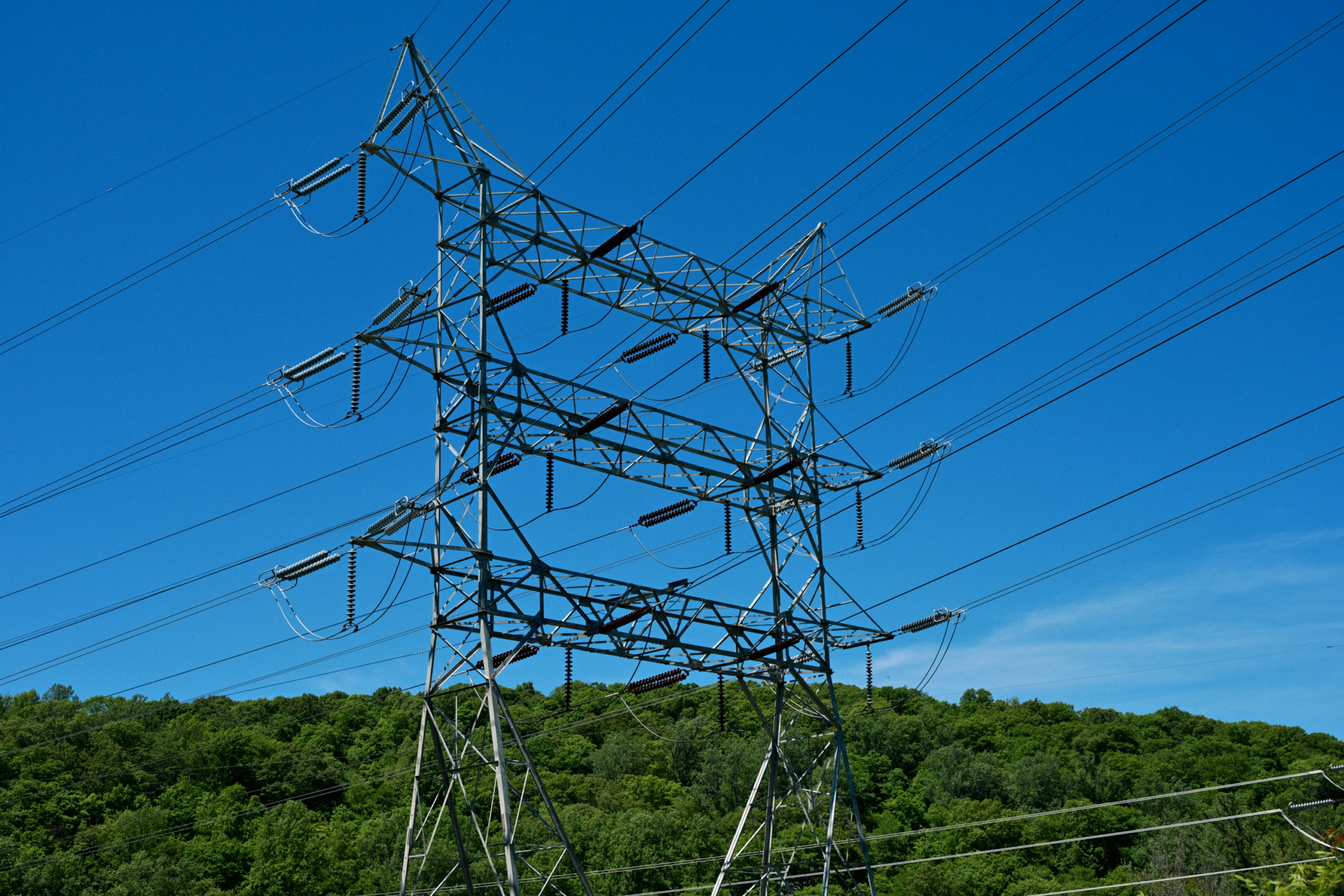
NESO has requested one more month for Gate 2 offers. Engineering complexity and network redesign have delayed part of the Phase 1 programme, although later milestones currently remain unchanged.
-
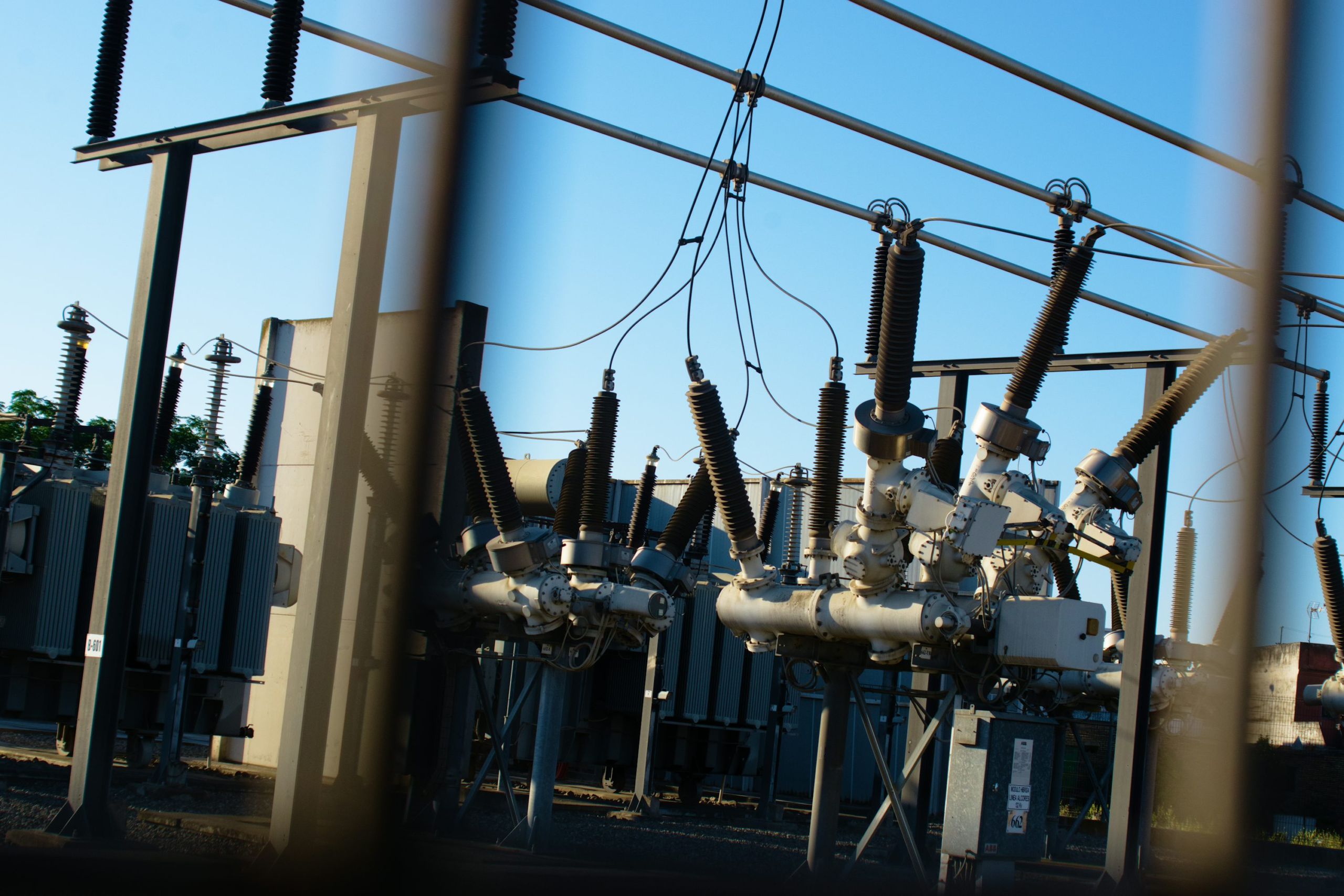
Great British Grid will invest public capital across electricity networks. The new body will work alongside existing operators while government expands self-build connections and competitive transmission tendering.
-

EIB and BNP Paribas are expanding guarantees for grid manufacturers. The €700 million portfolio could support up to €2.8 billion of investment as Europe accelerates network expansion.
-
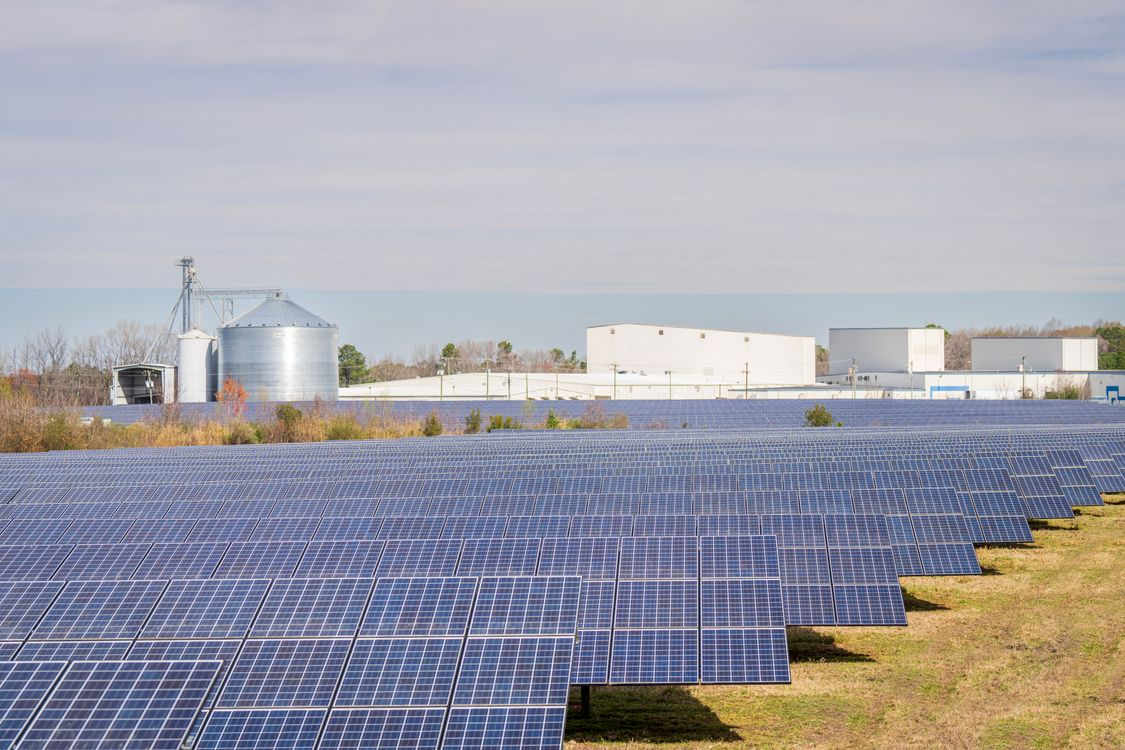
Vidullanka has submitted winning bids across four solar battery projects. The proposed installations total 18.7MW/93MWh and would retrofit storage to operating photovoltaic plants under 15-year build, own, and operate arrangements.
-
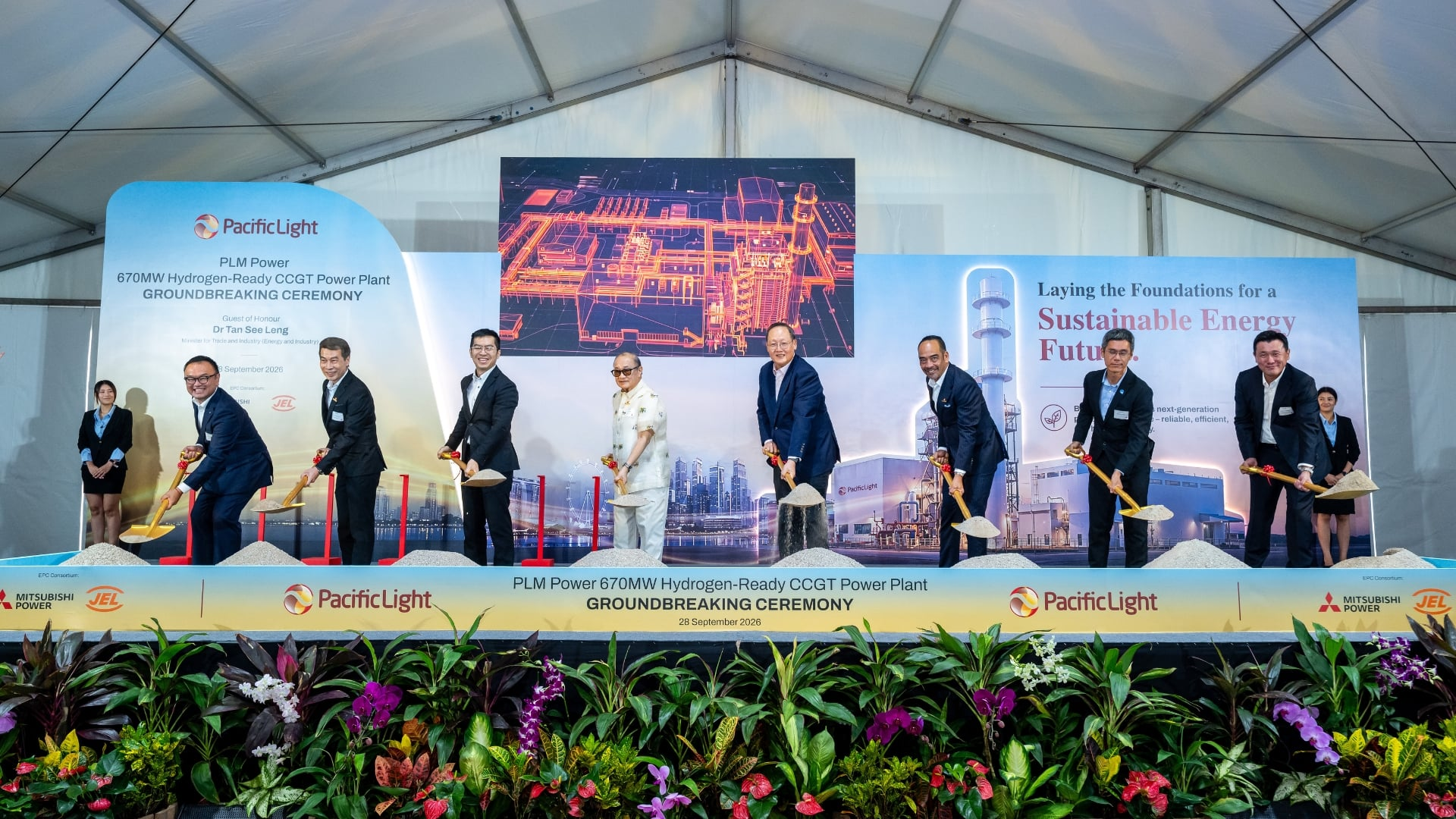
PacificLight starts work on Singapore’s first gas plant with batteries. The 670MW CCGT will pair with an 80MW lithium iron phosphate battery and is scheduled to enter operation in 2029.
-
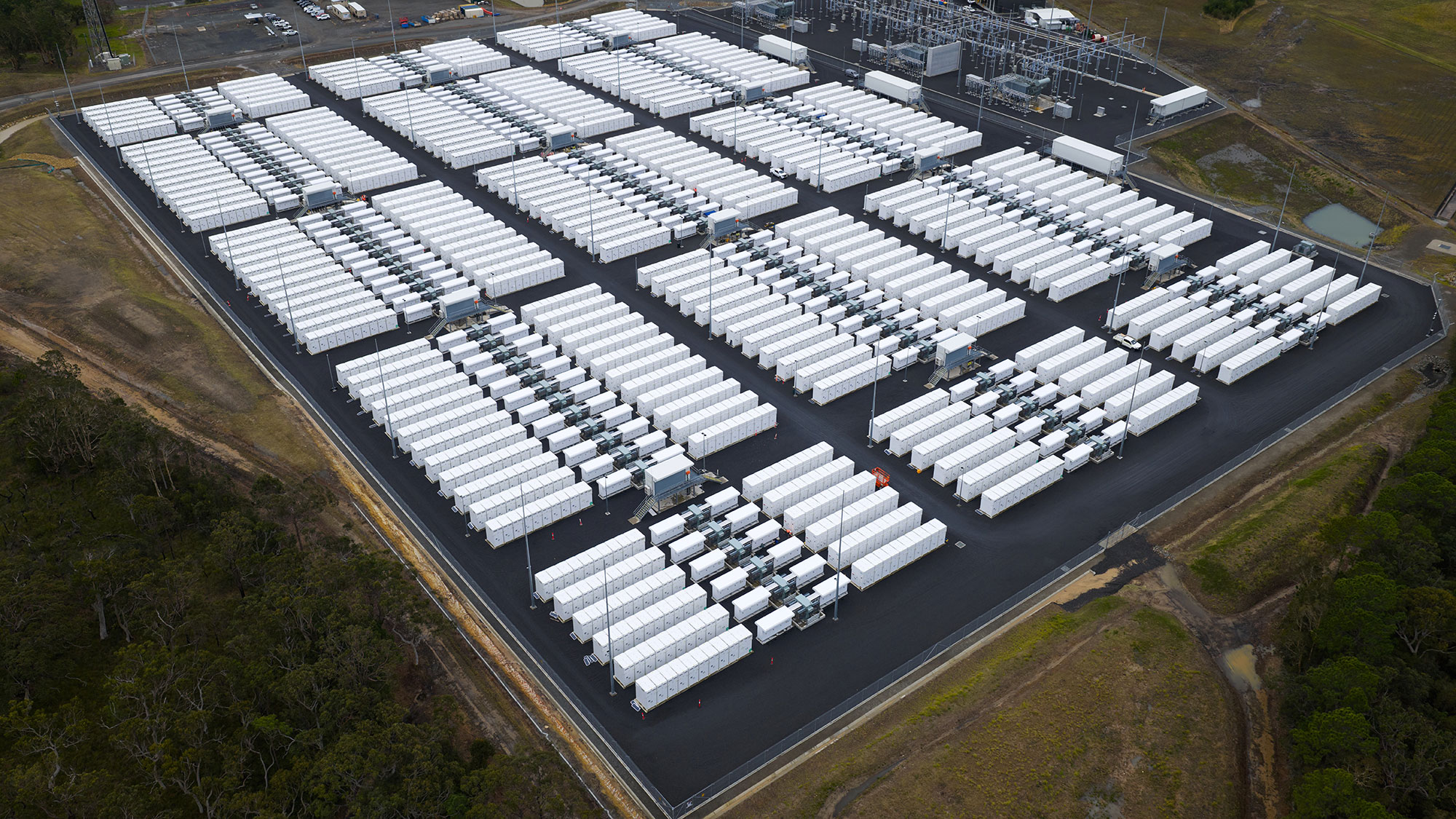
Waratah has reached full commercial operation at its rated capacity. The 850MW/1,680MWh battery is integrated with a system protection scheme designed to increase usable transmission capacity in New South Wales.