IN Brief:
- Four Vidullanka-linked project companies have submitted winning bids covering 18.7MW/93MWh of battery storage.
- Three installations are rated at 4.9MW/25MWh and the wholly owned Madampe project at 4MW/18MWh.
- Formal Letters of Award, regulatory approvals, and definitive project agreements remain outstanding.
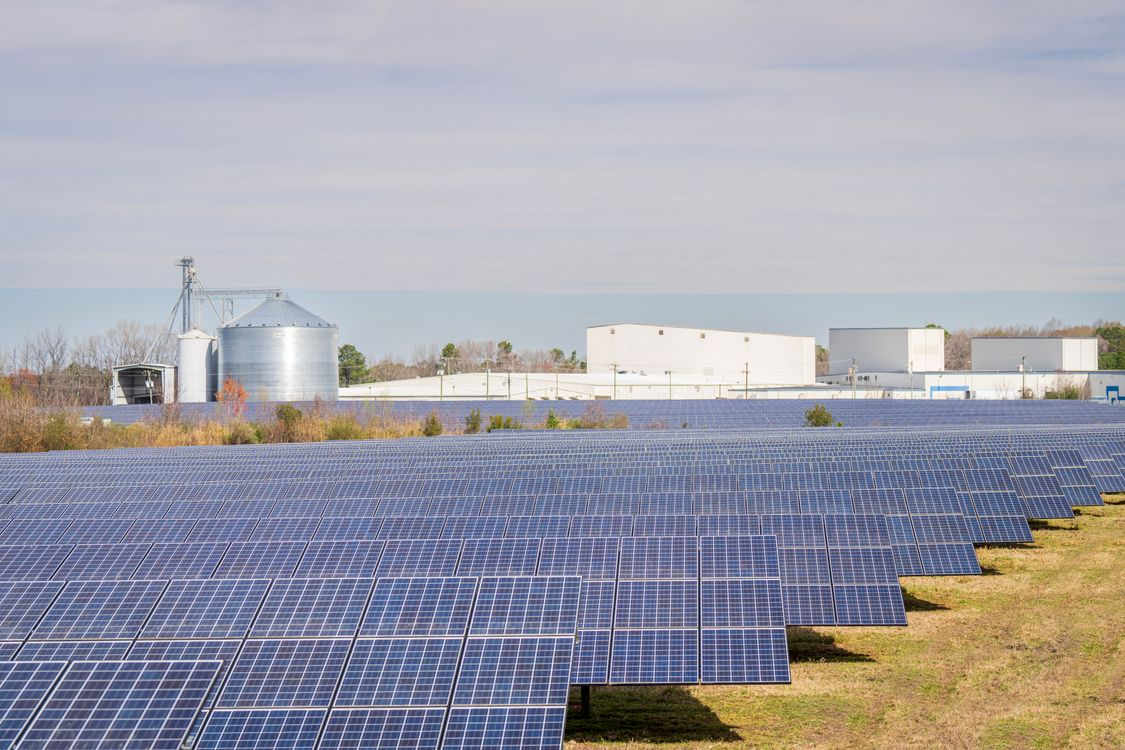
Vidullanka PLC has disclosed winning bid positions for battery energy storage systems at four existing ground-mounted solar projects in Sri Lanka, covering 18.7MW of aggregate battery power and 93MWh of stored energy.
The proposed installations will be developed under 15-year build, own, and operate arrangements if formal awards and approvals are completed. Three projects are rated at 4.9MW/25MWh each, while the fourth, associated with Vidullanka’s wholly owned VidulSolar business at Madampe, is rated at 4MW/18MWh.
Those ratings put the portfolio close to five hours of nominal duration at maximum output. Each 4.9MW/25MWh system equates to just over five hours, while the 4MW/18MWh project equates to 4.5 hours. Actual usable duration will depend on state-of-charge limits, auxiliary consumption, degradation allowances, inverter capability, and the operating rules eventually set in the project agreements.
Solar Universe, Sooryashakthi, and DPV Solar Energy are each associated with one of the 4.9MW/25MWh installations. Vidullanka holds a 50% interest in each of those project companies, while VidulSolar is wholly owned. On that basis, Vidullanka’s ownership-adjusted share of the proposed storage capacity is about 11.35MW and 55.5MWh.
The company estimates its equity contribution across the projects at approximately LKR600 million, subject to the final capital structure and updated project costs. Financing is expected to combine cash generated by the existing solar businesses with debt raised at project-company level, allowing the storage systems to be added to plants that already have operating generation assets.
Retrofitting batteries to existing solar farms creates a different development sequence from building standalone storage on a new site. Land, photovoltaic generation, and parts of the electrical infrastructure are already present, but the storage still requires connection studies, power conversion equipment, protection, controls, fire-safety systems, civil works, and amendments to commercial arrangements before it can operate.
Vidullanka says the batteries are intended to improve solar power evacuation, reduce curtailment, and provide grid stabilisation benefits. A battery can absorb part of a plant’s output when the network or contractual export limit prevents immediate delivery, then release that energy later, provided the connection and power purchase arrangements permit that operating pattern.
The duration of the proposed systems gives them scope to shift a material portion of solar generation beyond the period in which it was produced. That can be particularly useful where evening demand remains high after photovoltaic output has fallen, although the eventual dispatch strategy may also reserve capacity for system support rather than using every available MWh for energy shifting.
Co-located storage also changes how the solar plant appears at its grid connection. Instead of exporting whatever the photovoltaic array produces within the connection limit, a plant controller can potentially manage the combined output of solar and battery equipment, smoothing ramps, avoiding some curtailment, or following a more predictable export schedule.
The commercial position remains conditional. Vidullanka has said the bid prices submitted by the project companies fell within the winning evaluation threshold, but formal Letters of Award have not yet been received. Regulatory approvals and definitive project agreements are also required before the developments can be treated as secured construction projects.
A winning bid is not the same as an executed project contract. Equipment procurement, lender commitments, construction notices, and commissioning schedules normally depend on the formal award and the commercial terms that follow it. Until those documents are in place, the announced 18.7MW/93MWh remains a proposed portfolio rather than committed operating capacity.
The programme sits alongside Sri Lanka’s separate rollout of standalone grid batteries. Earlier in 2026, Vidullanka received a formal award with WindForce for a 10MW/40MWh standalone BESS at Vavunathivu, part of the country’s first grid-scale standalone storage programme. The latest bids differ because they attach storage directly to existing solar projects instead of creating independent batteries with their own operating role.
That distinction affects both controls and economics. A standalone battery can charge from and discharge to the grid according to its contract, while a solar-linked battery can additionally capture generation from a specific plant before it reaches the connection point. The value of that capability depends on the frequency of curtailment, the timing of electricity demand, round-trip losses, tariff structures, and the extent to which grid services are paid separately.
Adding storage to operating solar farms can also expose constraints in equipment that was designed before batteries were planned. Transformers, switchgear, protection settings, communications, metering, and connection agreements may need to be modified so charging and discharging do not exceed site limits or create power flows that were not considered in the original plant design.
The next decisive milestone is therefore formal award rather than equipment delivery. Once Letters of Award and definitive agreements are executed, the project companies can fix financing, technical specifications, procurement schedules, and construction programmes. Until then, Vidullanka has a set of successful bid positions and a defined storage concept, but not yet four contracted battery plants.