IN Brief:
- Tenevo combines 242 MWp of photovoltaic generation with 311 MW / 773 MWh of battery storage.
- The hybrid configuration is designed to make greater use of the available grid connection and provide more controllable renewable output.
- Planned wind phases exceeding 250 MW could turn the Bulgarian site into a three-technology renewable platform.
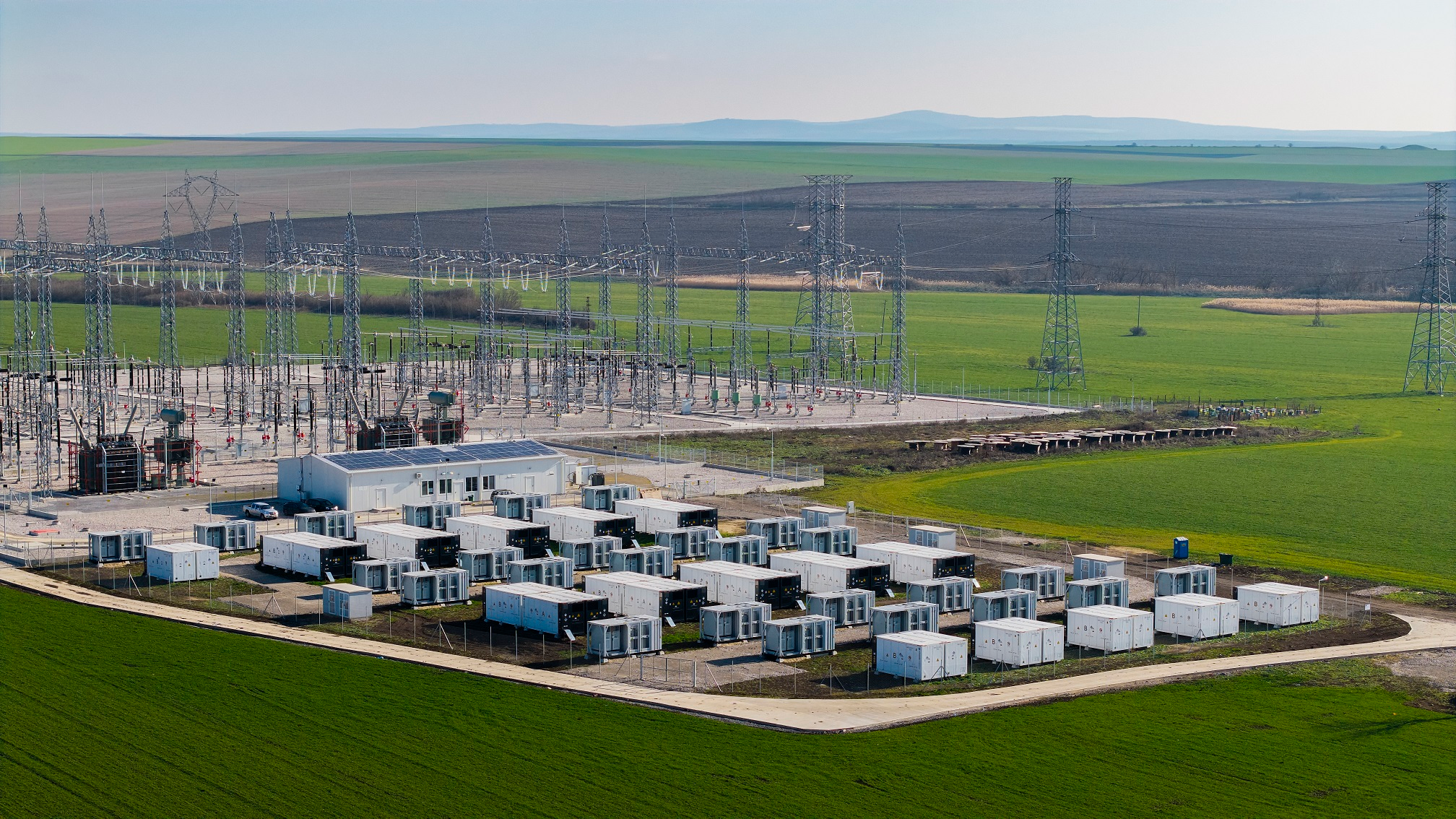
Renalfa IPP and Eurowind Energy have inaugurated the Tenevo hybrid renewable energy complex in south-eastern Bulgaria, combining 242 MWp of photovoltaic generation with two battery energy storage systems rated at a combined 311 MW / 773 MWh. The developers expect the solar plant to generate about 332 GWh a year, while Solarpro Holding acted as EPC contractor and project manager for the complex.
The project brings generation and storage together at a scale that gives the site a different operating profile from a conventional solar farm. Battery power is greater than the photovoltaic plant’s peak rating, while 773 MWh of energy capacity equates to roughly two and a half hours of discharge at the batteries’ combined maximum power. Actual operating duration will vary with state of charge, reserve requirements, conversion losses, market conditions, and the services provided to the grid.
The photovoltaic plant and first battery phase have been operating since 2025. Financing for the solar element includes €50 million from the European Bank for Reconstruction and Development and €53 million from Raiffeisen Bank International, while a further €60 million financing package is planned for the second battery phase. The project is among the first in Bulgaria to use an InvestEU guarantee, placing commercial bank funding alongside European institutional support for a large hybrid asset.
The configuration is intended to make fuller use of the available grid connection rather than treating generation and storage as separate assets. Solar output can be exported directly when network and market conditions allow, while electricity can also be stored and released later. The battery can provide flexibility when photovoltaic output changes rapidly, although dispatch will depend on the technical and commercial rules applied to the site.
Ivo Prokopiev, founder and chief executive of Renalfa Solarpro Group, described Tenevo as “the first showcase in Europe of dispatchable renewable asset of that scale.” Pairing substantial battery power and energy capacity with a large solar plant gives the operator more control over when electricity reaches the network than an unbuffered photovoltaic project can provide.
Bulgaria has become an increasingly active market for hybrid renewable development. Renalfa completed a separate repowering programme at Devnya in September, expanding that site to 65 MWp of solar and adding a 60 MW / 165 MWh battery. Sunterra has also commissioned almost 397 MW / 1.3 GWh of battery capacity across three Bulgarian solar parks, showing how rapidly storage is moving from development pipelines into operating infrastructure.
Rapid photovoltaic build-out can increase midday generation faster than demand or network capacity grows, while evening demand remains after solar output falls away. Storage cannot create additional energy, but it can change the timing of exports, absorb production when operating conditions permit, and provide balancing or ancillary services. At project level, it can also allow developers to extract more value from a constrained grid connection without assuming every megawatt of generation and storage will export simultaneously.
Tenevo is planned to expand further. The developers intend to add wind phases exceeding 250 MW, turning the site into a three-technology renewable platform combining solar, wind, and battery storage. Across all phases, total investment is expected to exceed €500 million. Wind would add a generation profile less closely tied to daylight hours, giving the battery a broader mix of input and changing the way the shared grid connection could be used across the day and through different seasons.
The complex is also located close to a Bulgarian coal region undergoing economic transition. Large renewable developments still depend on grid capacity, civil works, power conversion equipment, protection, control systems, transformers, communications, and long-term operating capability. Tenevo is therefore a sizeable addition to Bulgaria’s electrical infrastructure as well as to its installed renewable generation base.
Its performance will now be determined by solar yield, battery availability, cycling strategy, market spreads, network constraints, and the eventual integration of wind. With 311 MW of battery power already paired with 242 MWp of solar, operating decisions at Tenevo are large enough to influence both project economics and the way a substantial renewable asset interacts with the regional grid.