
Energy
—
-
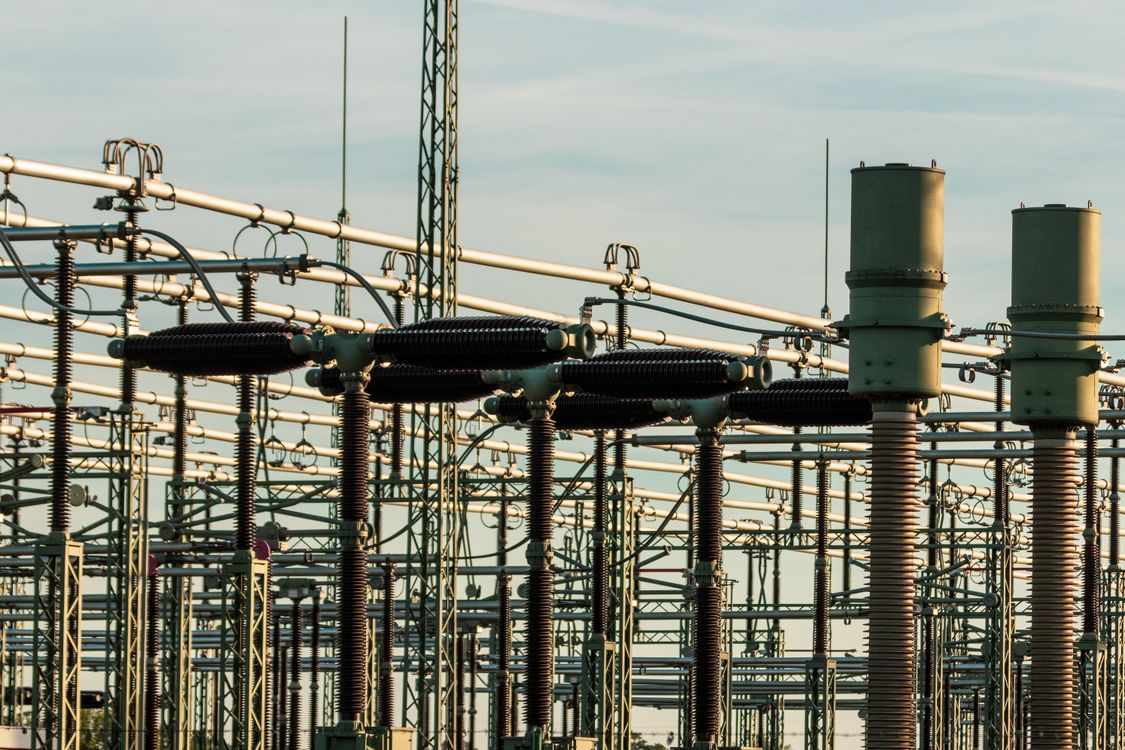
NESO cancelled Monday’s margin notice after reserve availability improved materially. An initial 1,400MW shortfall for the evening peak fell to around 104MW by midday as additional capacity became available.
-

US energy officials extended Craig Unit 1’s operating requirement again. The latest emergency order takes effect on 27 September and limits dispatch to periods considered necessary for reliability.
-
PREPA has authorised another large battery storage contract in Yabucoa. The 100MW/400MWh project still requires fiscal oversight review before the agreement can be formally executed.
-
Southeast European day-ahead electricity prices eased sharply for Saturday delivery. Hourly values remained far more volatile, maintaining substantial spreads for storage and other flexible resources.
-
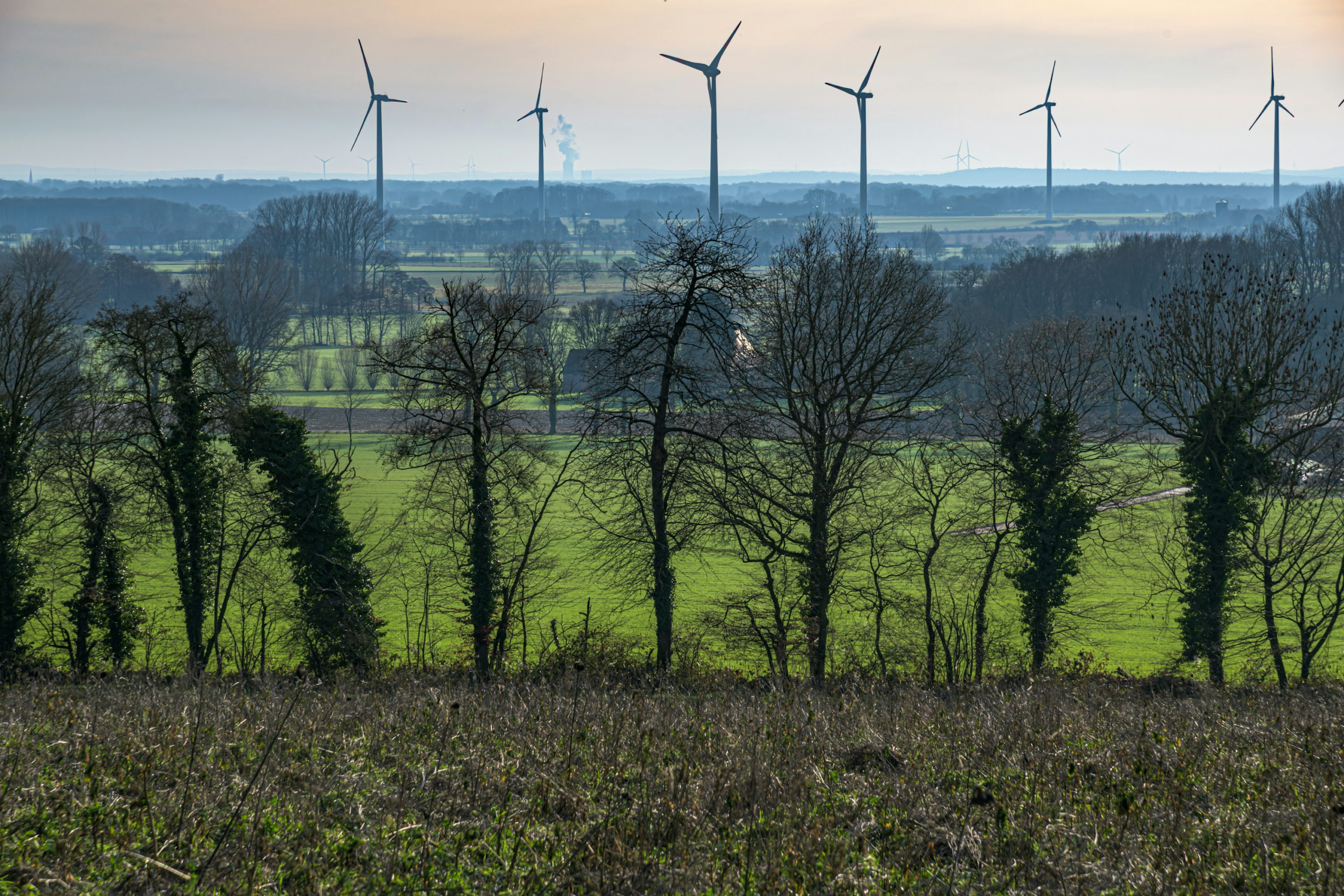
Wind and solar output fell faster than regional electricity demand. Large differences between national markets increased the role of flexible generation, storage, and cross-border electricity exchanges.
-
Gas-fired power generation fell sharply across Southeast Europe last week. Coal and lignite output edged higher, while overall thermal production declined alongside weaker regional electricity demand.
-
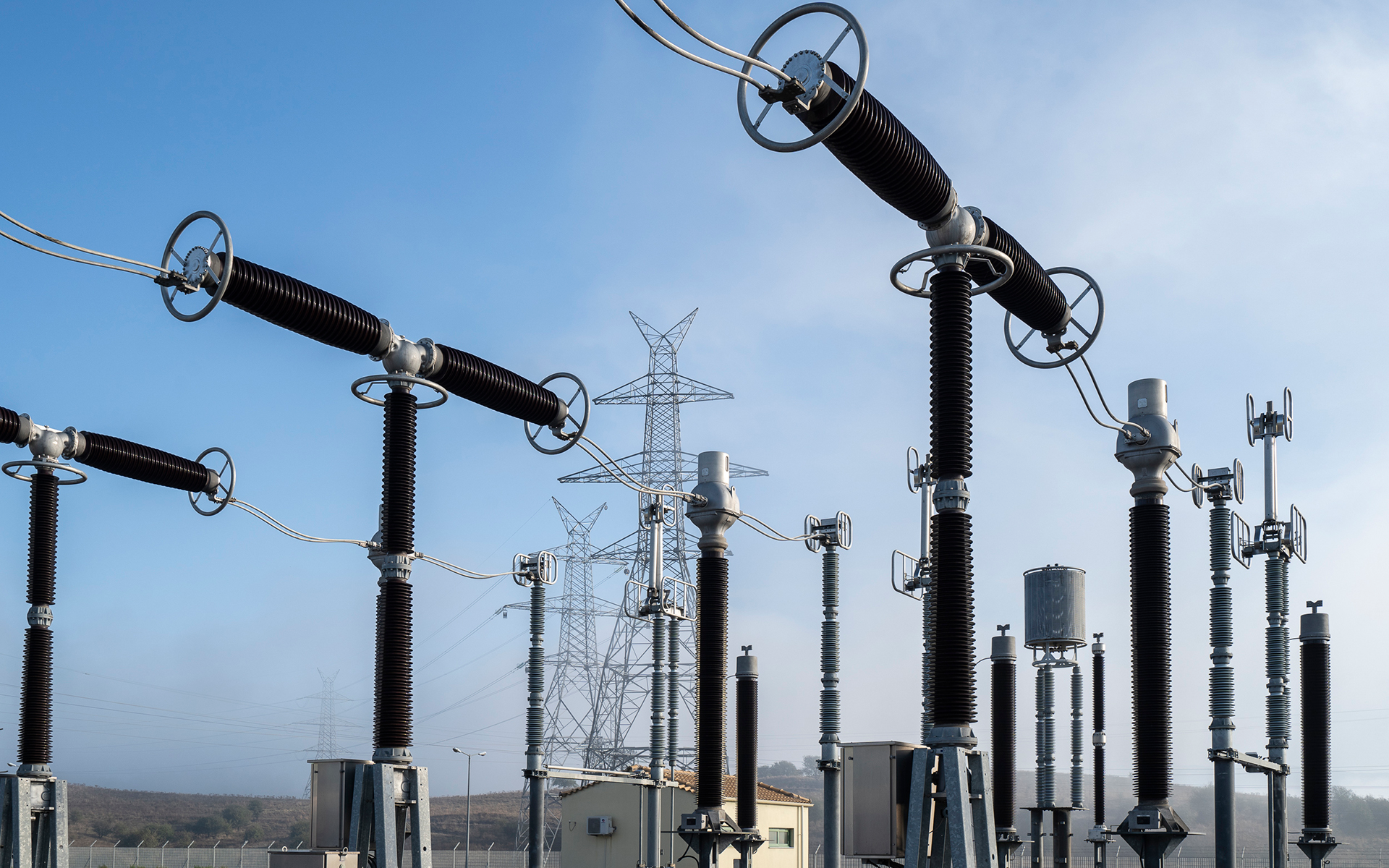
Greek net electricity exports rose as domestic power demand weakened. Bulgaria remained the larger exporter, although lower hydropower reduced its weekly surplus.
-
Croatia increased electricity imports as renewable output fell sharply nationwide. Hydropower strengthened considerably, but the increase was insufficient to prevent higher net imports despite falling electricity demand.
-
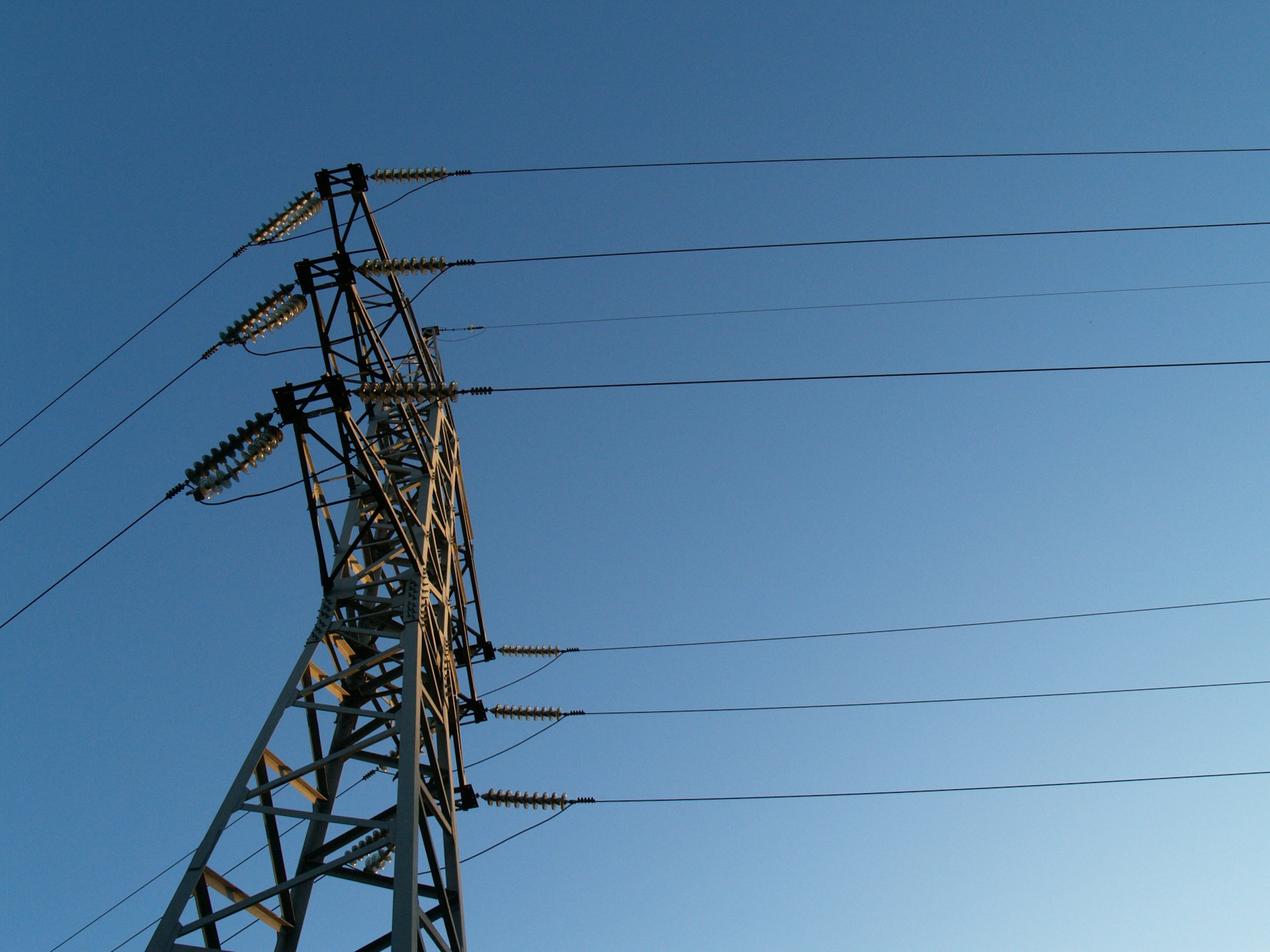
POWERGRID has acquired the Barmer HVDC project company in India. The transfer moves the 6GW Rajasthan to Maharashtra transmission scheme into its implementation structure after competitive bidding.
-

Revera has closed financing for its Hunterston battery storage project. Notice to proceed has been issued for the 400MW/800MWh Scottish development, with commercial operation targeted for 2028.