IN Brief:
- WIND, DEPLoy, and ZEGA-LINNK have been added to the EU cross-border renewable energy project list.
- The schemes cover 650 MW of Ukrainian wind, a 180 MW Polish-German renewable project, and an Austrian-German geothermal heat network.
- CB RES status makes the projects eligible to seek Connecting Europe Facility Energy support for studies and works.
The European Climate, Infrastructure and Environment Executive Agency has confirmed that three projects have been added to the European Union’s cross-border renewable energy list, giving WIND, DEPLoy, and ZEGA-LINNK formal CB RES status. The additions take the active list to 15 projects following the withdrawal of PONTIS and make the three schemes eligible to seek Connecting Europe Facility Energy support for studies and works.
The projects use different technologies but are each structured around energy flows or infrastructure crossing a national boundary. WIND centres on a planned 650 MW onshore wind park in Ukraine, DEPLoy combines wind and solar generation in the Polish-German border region with industrial and district heat use, while ZEGA-LINNK extends an established geothermal district heating system shared by Austria and Germany.
WIND, short for Wind Integration for Network Decarbonization, is being promoted by DTEK Renewables. Its core asset is the planned Poltavska wind power park, with 650 MW of installed capacity and expected annual generation of around 2 TWh. Project documentation identifies future electricity trade with Romania as part of the cross-border rationale. A further pipeline of up to 500 MW of wind is being assessed separately and is not included in the current CB RES project.
The programme lists WIND in the permitting stage, with construction planned from late 2026 and commissioning targeted for January 2029. Those dates remain project plans rather than completed milestones, but inclusion under the CB RES framework gives the Ukrainian scheme access to a European support mechanism designed to recognise benefits extending beyond one national power system.
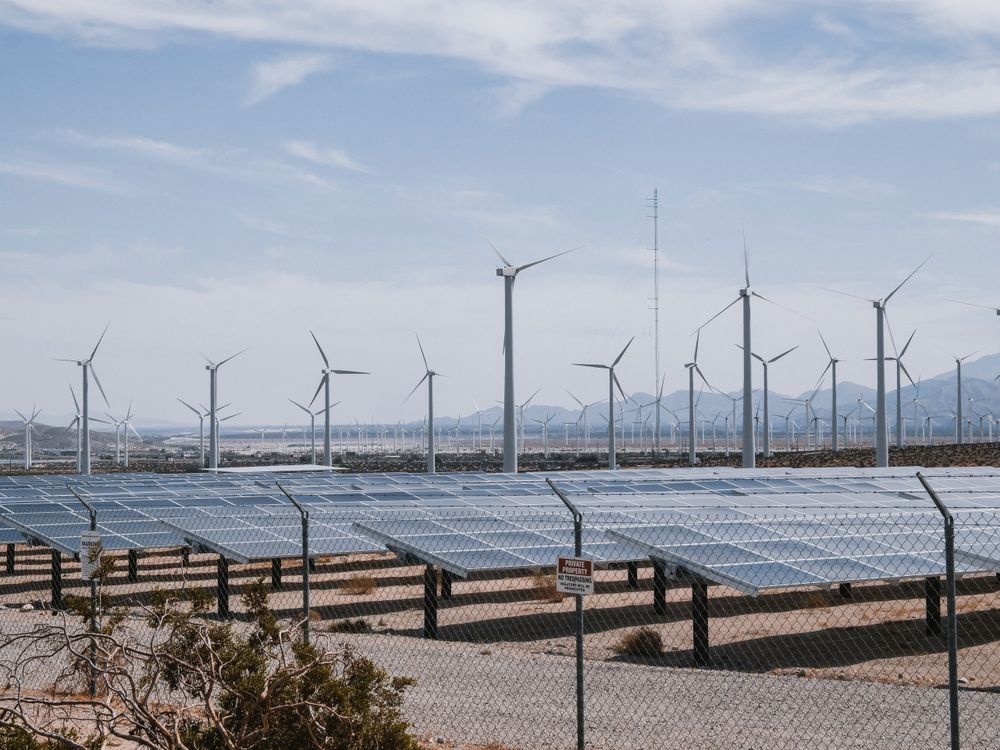
DEPLoy takes a different approach. Promoted by ENERTRAG, the project is intended to develop an integrated power plant in the Gubin-Guben border region using onshore wind and solar photovoltaic generation with 180 MW of combined capacity. Electricity would be available through a grid connection and also used to decarbonise industrial heat and district heating, linking renewable production in Poland with energy demand across the German border region.
Front-end engineering work is scheduled to continue into 2027, followed by a final investment decision currently planned for 2028, construction during 2029, and commissioning at the start of 2030. Estimated project cost is €210.61 million. The combination of renewable electricity and heat shows that the CB RES framework is not confined to conventional interconnectors or generating plants exporting directly into another national wholesale market.
ZEGA-LINNK is based on a cross-border heating network that already serves Braunau in Austria and Simbach in Germany. A geothermal borehole in Simbach supplies base load heat, while gas boilers cover peak demand. The project plans a 5 MW heat pump in Simbach and a further 12 MW to 15 MW geothermal borehole in Braunau, allowing more renewable heat to move across the existing network and reducing reliance on fossil fuelled peak plant.
Construction is currently planned between 2028 and 2030, with commissioning by the end of 2030. Estimated project cost is €57.1 million. Although it sits outside conventional electricity transmission, the scheme remains relevant to power system planning because large heat pumps, renewable heat networks, and displacement of gas fired peak heat alter the relationship between electricity demand, thermal energy, and local infrastructure.
CB RES status does not itself award a grant. It establishes eligibility for financial support under the Connecting Europe Facility Energy programme and gives projects greater visibility within the European cooperation framework. Planning, permitting, grid connection, procurement, financing, and construction still have to be completed before any of the proposed capacity becomes operational.
Recent EU funding decisions indicate what can follow once schemes reach a suitable stage. In September, the Commission awarded €125.81 million to three existing cross-border renewable projects, including German-Polish heat schemes and a Latvia-Lithuania wind development. Projects whose benefits are shared between countries can be difficult to fit within a single national investment case, giving European financing a role in development and construction.
The three additions also widen the technology mix represented by the CB RES list. Large onshore wind, combined wind and solar, industrial heat, district heating, geothermal energy, and heat pumps now sit within the same cooperation framework. Cross-border integration is increasingly being delivered through combinations of generation, flexible demand, heat, storage, and network infrastructure rather than relying solely on point-to-point electricity interconnectors.
The next CB RES status call is due to open in November or December 2026. WIND, DEPLoy, and ZEGA-LINNK have moved into the recognised portfolio, but progress will ultimately be measured through permits, financing, contracts, grid connections, and commissioned assets.