
Energy
—
-
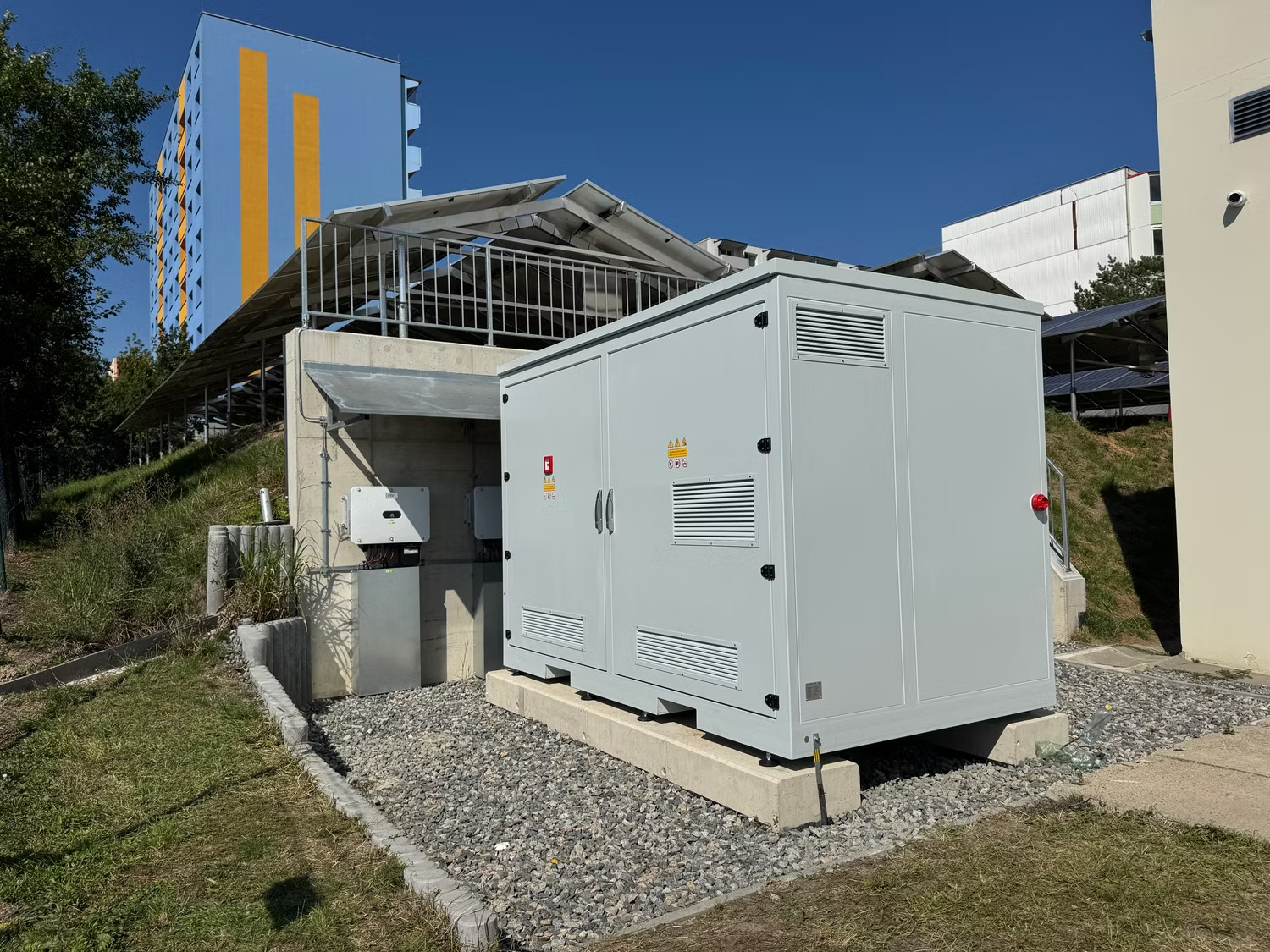
Usva has sold its ready-to-build Finnish battery project to Enlight. The 100MW/400MWh Pyhäjoki scheme is planned to connect to Elenia’s 110kV distribution network after completing development work in July.
-
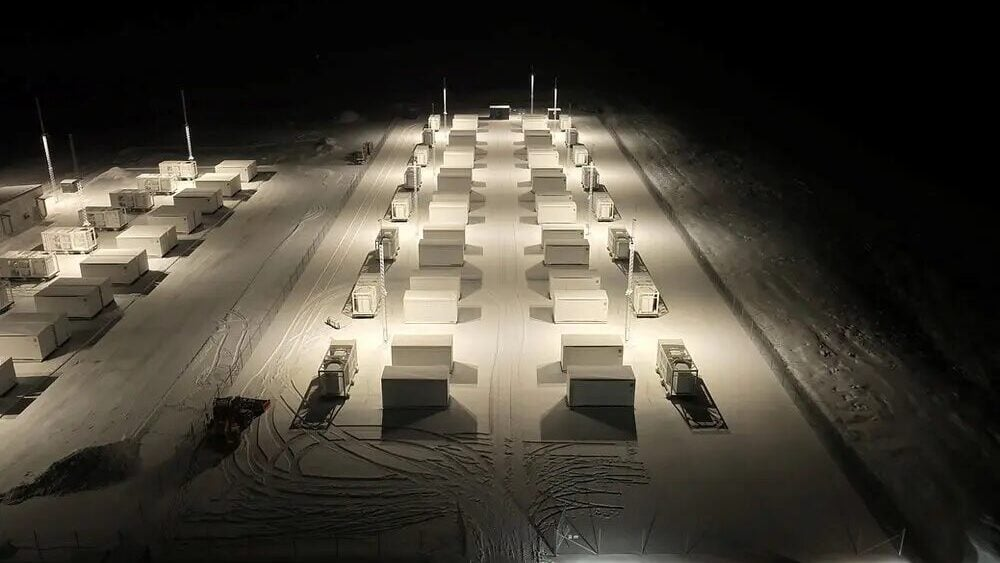
Saft will supply 122MWh across two French battery projects shortly. Orbec and Bois Paillet will use Intensium Flex systems for energy arbitrage and ancillary grid services, with deliveries scheduled for early 2027.
-
Actis has added 1,141MWh to its Polish battery portfolio today. Two projects at Kozienice and Trzebinia provide more than four hours of storage and hold capacity market contracts lasting 17 years, with payments linked to inflation.
-
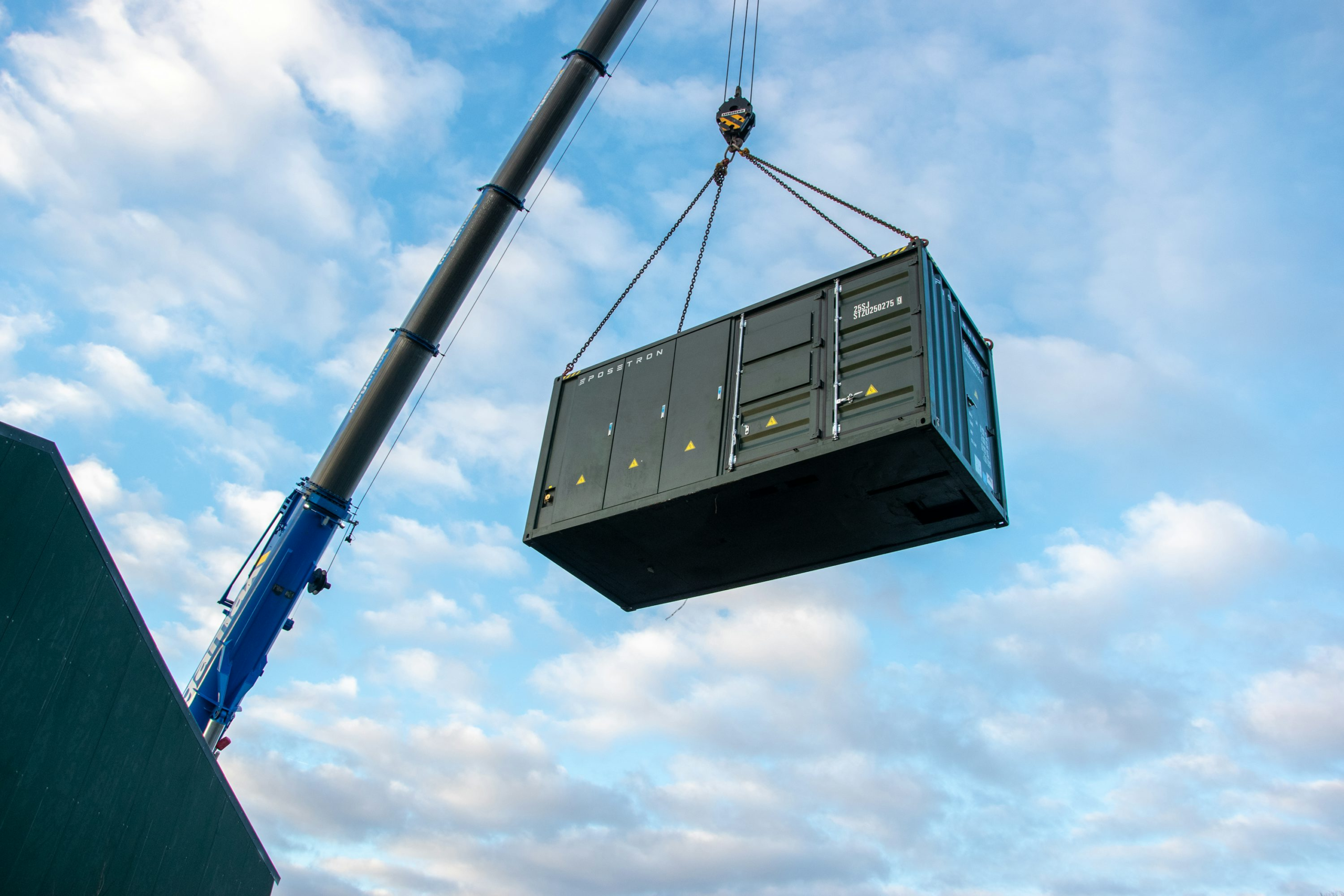
GlobalFoundries has commissioned solar and battery capacity at Vermont site. Approximately 6MW of onsite photovoltaic generation now operates alongside a 16MW battery designed to reduce peak demand and support the regional grid.
-

Wärtsilä has secured 282MW of onsite data centre power capacity. Fifteen 50SG engines will supply a US project, with equipment delivery scheduled for 2028 and full operation expected during 2029.
-
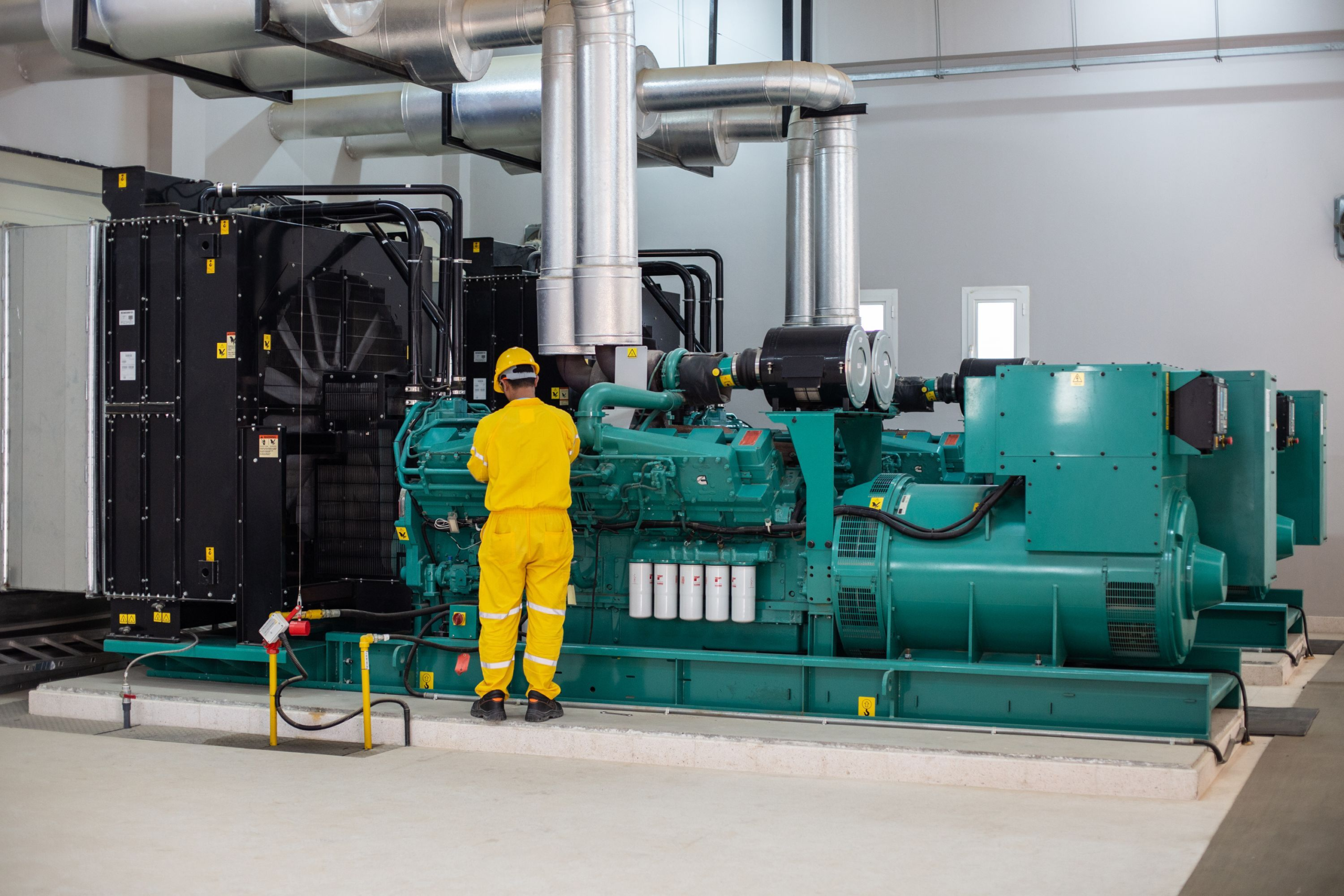
Quantum Data Energy has energised its 5MW Bordesley power project. G99 compliance is complete, the first gas generating set has synchronised to the grid, and commercial operation remains targeted for Q4.
-
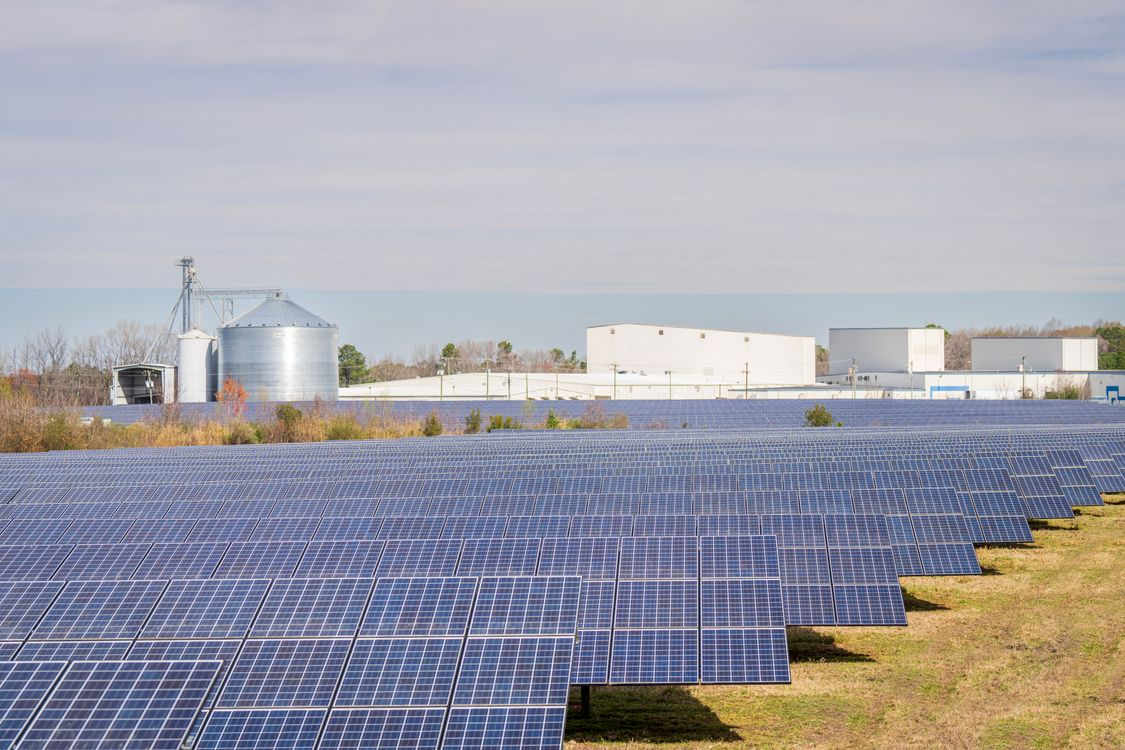
MaxSolar has secured €155m to expand German solar and storage. The HoldCo debt facility refinances existing borrowing while providing growth capital for a 1.3GW portfolio spanning photovoltaic and battery projects.
-
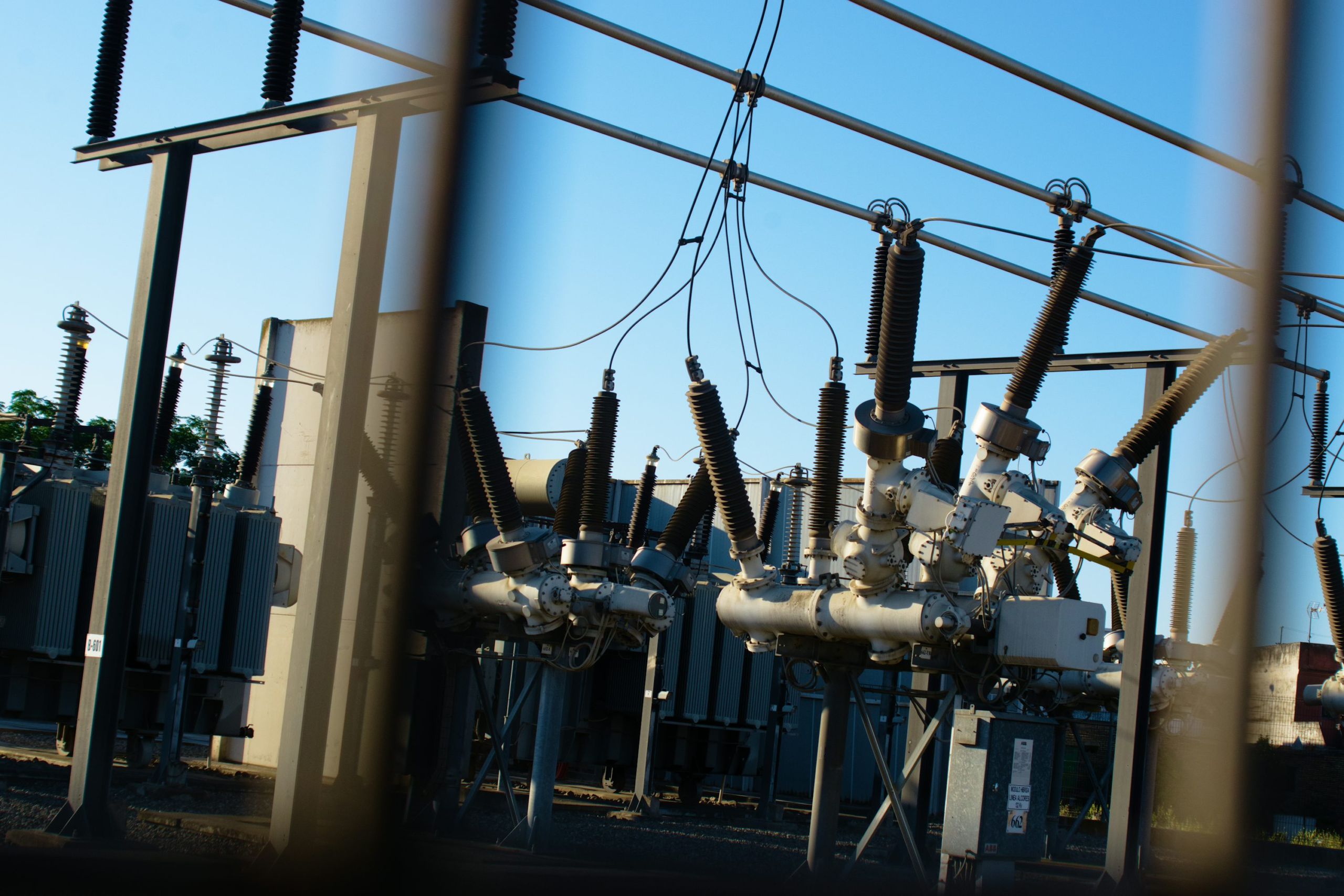
CIF has approved new investment support for Ukraine’s power system. The $116.2m plan covers cross border interconnection, renewable generation and storage as rebuilding increasingly focuses on resilience and European integration.
-
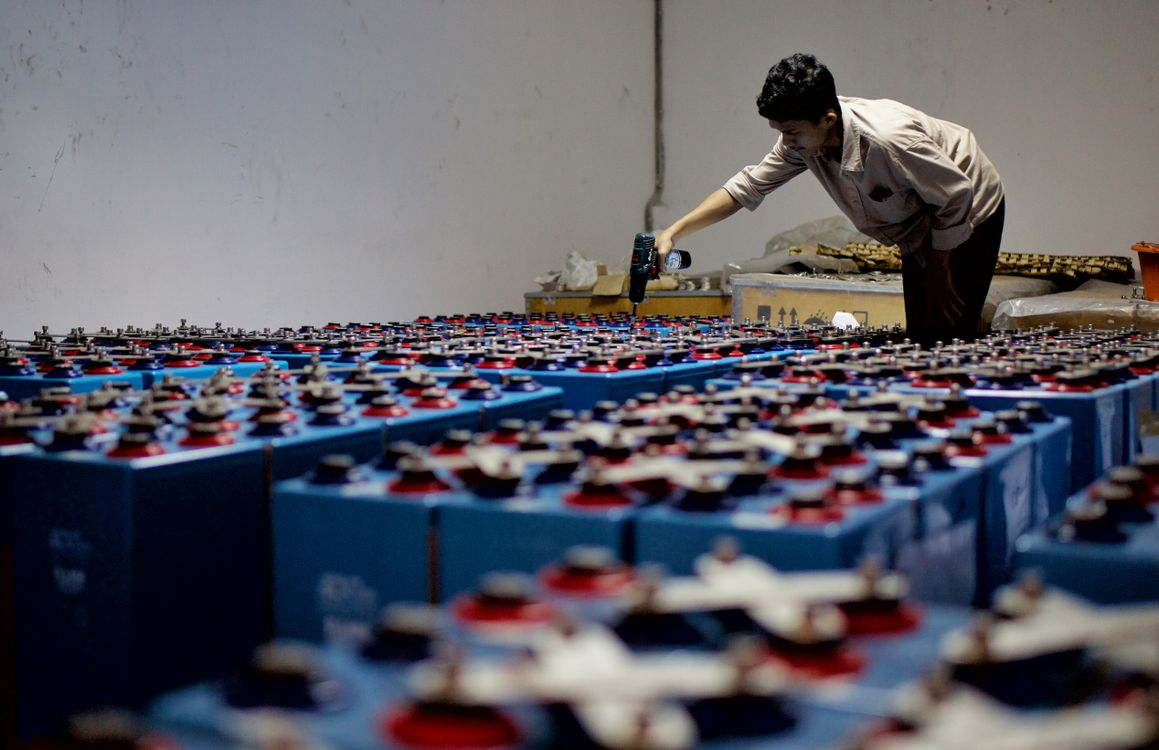
Zelestra and EDP are adding storage to Spanish solar plants. Two four hour batteries at Pedroso and Valkyria will add approximately 462MWh, taking their hybrid partnership above 1GWh of contracted storage.
-
BW ESS has started long duration storage construction in Italy. The 97MW/828MWh Cerignola battery carries a 15 year MACSE contract and is due to enter operation in 2028.