IN Brief:
- Türkiye and China have signed a preliminary agreement envisaging approximately $15bn in renewable electricity and grid investment.
- The proposed cooperation covers 7GW of solar and wind generation, energy storage, and up to 4GW of transmission infrastructure.
- Project locations, equipment specifications, financing commitments, and delivery schedules have not been confirmed.
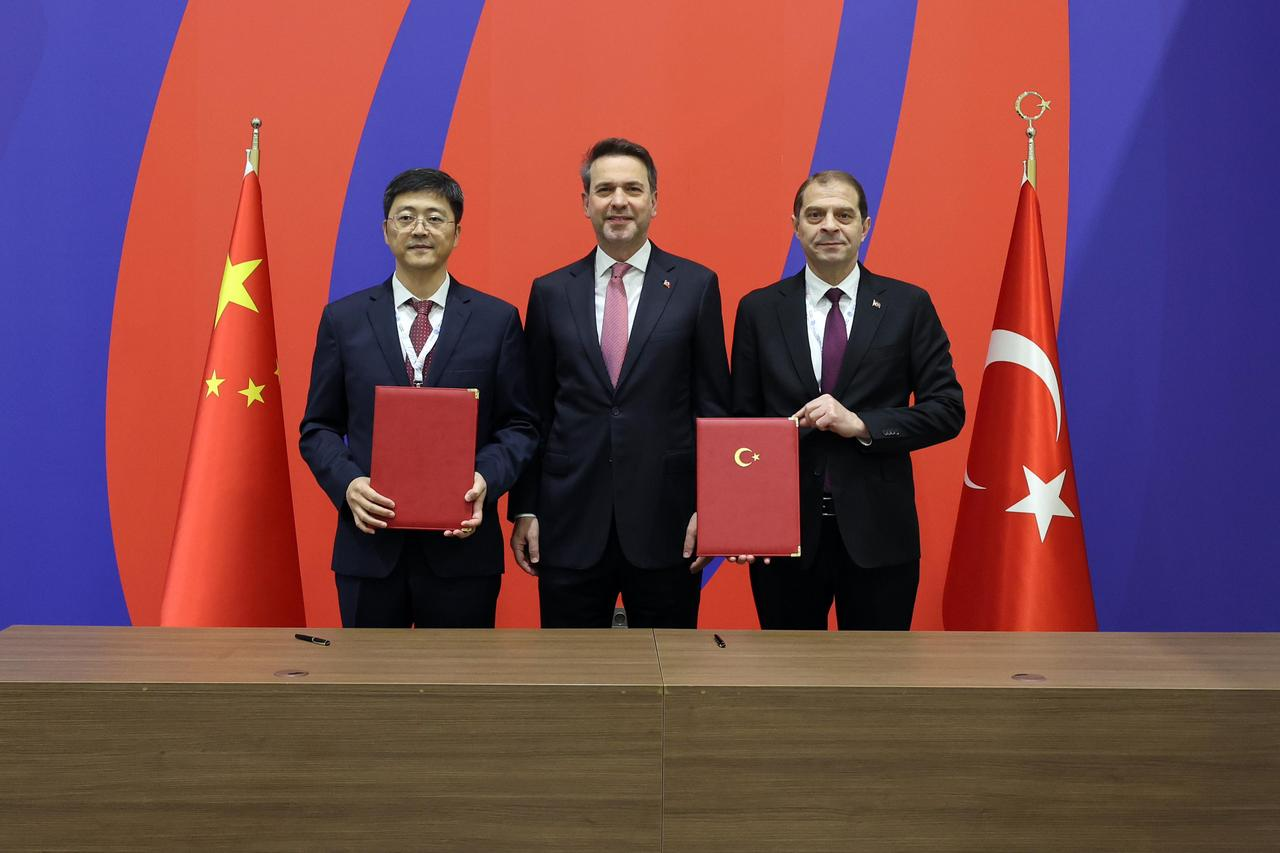
Türkiye’s Ministry of Energy and Natural Resources and China’s National Energy Administration have signed a preliminary cooperation agreement envisaging approximately $15bn in renewable electricity generation, energy storage, and transmission infrastructure investment.
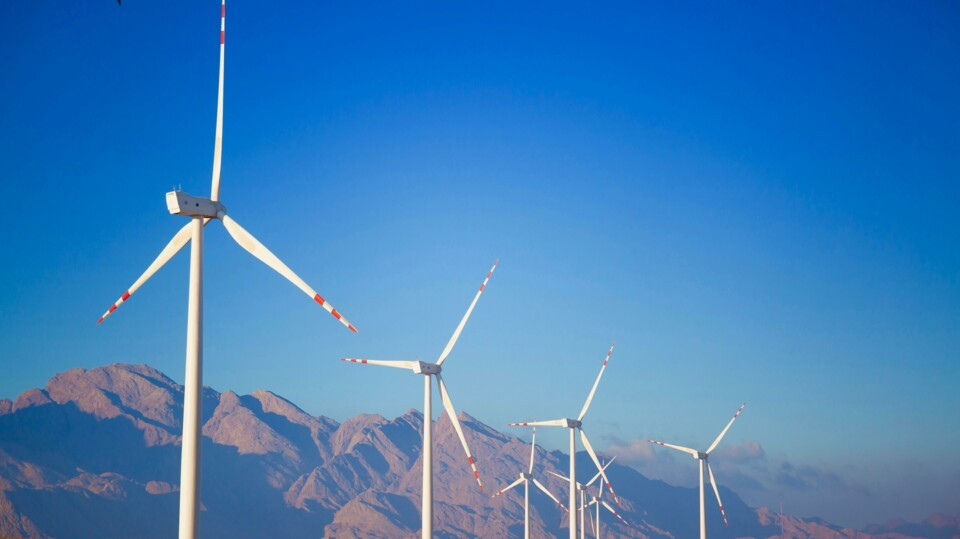
The memorandum of understanding was signed on 12 November during the COP31 climate summit in Antalya. It establishes a framework for developing solar and wind installations with a combined generating capacity of 7,000MW, alongside new storage systems and electricity transmission infrastructure representing a further 4,000MW of potential network capacity.
Energy and Natural Resources Minister Alparslan Bayraktar confirmed the proposed investment scale and identified technology transfer and domestic wind turbine equipment manufacturing as additional elements of the partnership.
The agreement is preliminary. Neither government has published a definitive list of projects, identified the proposed generating sites, or confirmed binding financing commitments covering the $15bn investment figure.
Construction contracts, equipment specifications, and delivery schedules also remain outstanding. The memorandum establishes the intended scope of cooperation, but does not constitute a final investment decision for the generating plants, storage installations, or transmission infrastructure.
The proposed generating capacity would represent a substantial addition to Türkiye’s renewable electricity portfolio. At the end of September 2026, the country had approximately 43.8GW of installed solar and wind capacity, accounting for slightly more than one-third of its total electricity generating capacity.
Türkiye is seeking to increase that combined figure to 175GW by 2040. The expansion is intended to support greater electricity production from domestic renewable resources while reducing reliance on imported fossil fuels across parts of the energy system.
Meeting the target will require investment beyond the construction of individual generating installations. The location of new solar and wind projects will influence the transmission capacity required to move electricity to demand centres, while network reinforcement must accommodate changes in electricity flows and system operating conditions.
The agreement’s proposed 4GW transmission component therefore sits alongside its 7GW generation objective. These are different infrastructure capacities and should not be combined into a single figure describing additional electricity generation.
Transmission equipment establishes the electrical paths through which generating plants can deliver their output. The network must be capable of carrying that electricity within the thermal, voltage, and stability limits of the relevant circuits and substations.
Where new renewable generation connects in areas with insufficient transmission capacity, electricity output may need to be restricted during periods of congestion. Reinforcement can increase the amount of power transferred between regions, although its effectiveness depends on the configuration of the wider network.
The memorandum does not identify the routes, voltage levels, or equipment technologies proposed for the transmission programme. It is therefore unclear whether the investment will involve new overhead circuits, underground cables, substation expansion, or more complex transmission arrangements.
These decisions will depend on the locations and electrical characteristics of the generating projects. Network studies must assess expected power flows, fault conditions, voltage behaviour, and the capability of existing infrastructure before suitable reinforcement schemes can be established.
Storage development forms another part of the cooperation. Batteries and other energy storage systems can absorb electricity during periods of generation surplus and release it when required, subject to their power ratings, usable energy capacity, and operating limitations.
Storage can also provide certain electricity system services, including frequency response and voltage support, when the equipment and controls are designed and commissioned for those functions. However, no storage technology, capacity, or operating arrangement has been specified under the Türkiye–China memorandum.
The eventual role of storage will depend on whether installations are developed alongside individual generating plants, connected independently to the network, or integrated with wider flexibility arrangements. Each configuration creates different requirements for power conversion equipment, transformers, protection systems, and operational controls.
The agreement also envisages cooperation on wind turbine equipment manufacturing within Türkiye. Bayraktar has identified technology transfer as a means of supporting domestic industry alongside investment in generating capacity.
Wind turbine manufacturing involves several distinct industrial activities, including structural components, mechanical assemblies, electrical generators, power conversion systems, and control equipment. The extent of the proposed domestic manufacturing contribution has not yet been established.
Any resulting production programme will depend on the equipment designs selected, commercial arrangements with technology suppliers, available manufacturing capacity, and the industrial requirements associated with the final generating projects.
China has substantial manufacturing capability across photovoltaic modules, wind turbine equipment, batteries, and electrical infrastructure. The memorandum creates a potential route for Chinese suppliers and investors to participate in Türkiye’s planned electricity expansion, although no company-specific supply contracts have been confirmed.
The proposed cooperation follows discussions between Turkish President Recep Tayyip Erdoğan and Chinese Vice President Han Zheng at COP31 on 11 November. Chinese officials subsequently identified renewable energy investment as an area for closer bilateral cooperation.
Türkiye has also been advancing separate energy agreements during the summit, including arrangements involving Saudi Arabia and international financial institutions. Those projects have their own financing and development structures and should not be treated as components of the proposed $15bn Chinese investment programme.
Bayraktar has estimated that Türkiye’s wider energy transition could require approximately $300bn of investment by 2040. The figure relates to the broader national programme rather than the specific commitments made under the China memorandum.
The scale of the investment requirement reflects the combined development of generating capacity, electricity networks, storage, and associated infrastructure. The pace at which those assets enter service will depend on project financing, permitting, equipment availability, construction, and grid connection readiness.
Before the preliminary agreement can produce operational electricity capacity, the participating organisations must identify projects, complete technical assessments, secure commercial arrangements, and establish responsibility for construction and long-term operation.
The next measurable developments will be the identification of specific generating and transmission projects, followed by equipment procurement, binding investment commitments, and construction schedules. Until those decisions are confirmed, the 7GW generation target, 4GW transmission programme, and $15bn investment estimate remain objectives of the cooperation framework.