IN Brief:
- Wärtsilä, Schneider Electric, and Stanley Consultants have developed a coordinated US data centre power delivery model.
- The approach integrates onsite generation, electrical distribution, automation, engineering, permitting, and commissioning from the outset.
- Grid connected, islanded, and hybrid configurations are intended to reduce interfaces where grid capacity or connection timing constrains development.
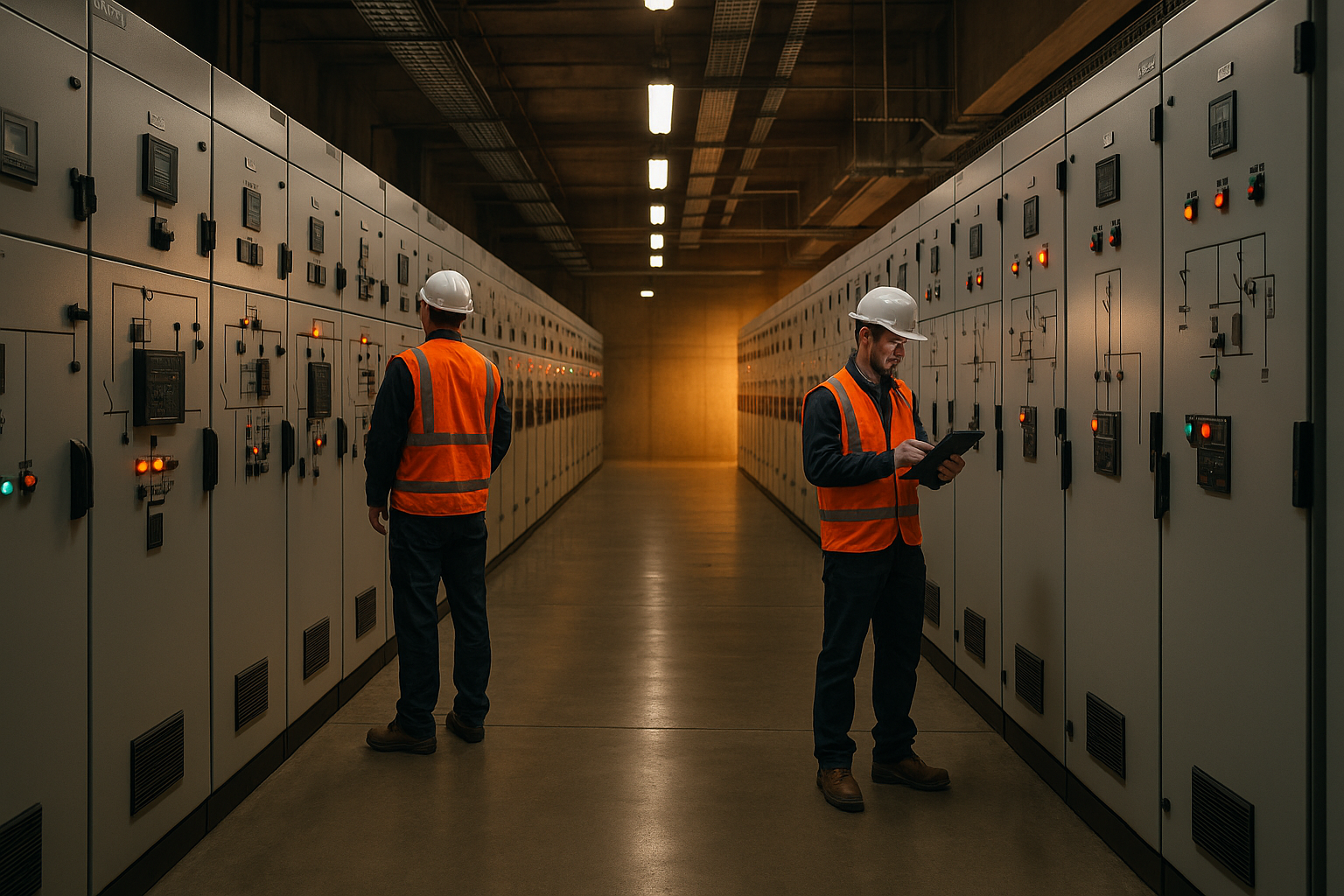
Wärtsilä, Schneider Electric, and Stanley Consultants have developed a coordinated US data centre power delivery model that brings onsite generation, electrical infrastructure, automation, engineering, and project execution into the same design process. Described by the partners as a Generator-to-Chip approach, the model starts with the expected computing load and works back through distribution and generation rather than developing those packages sequentially and resolving their interfaces later.
Wärtsilä provides modular engine power plants, Schneider Electric supplies the integrated electrical architecture, automation, and digital power management, while Stanley Consultants covers engineering, permitting, design coordination, construction management, commissioning oversight, and climate resilience. No customer project, site capacity, or location forms part of the announcement, leaving the proposition as a delivery architecture rather than a newly awarded data centre power scheme, but the structure reflects the growing influence of electricity availability on US data centre construction programmes.
Large AI facilities can require hundreds of megawatts while utility connection dates depend on network reinforcement, generation availability, substation capacity, and queues that extend well beyond the construction period for the computing buildings themselves. Where electrical capacity becomes the critical path, completing data halls faster offers little advantage if transformers, switchgear, generators, transmission connections, or protection systems are not ready at the same time. Bringing the generating plant and downstream electrical system into one design sequence is intended to expose those constraints earlier and reduce the number of technical handovers during delivery.
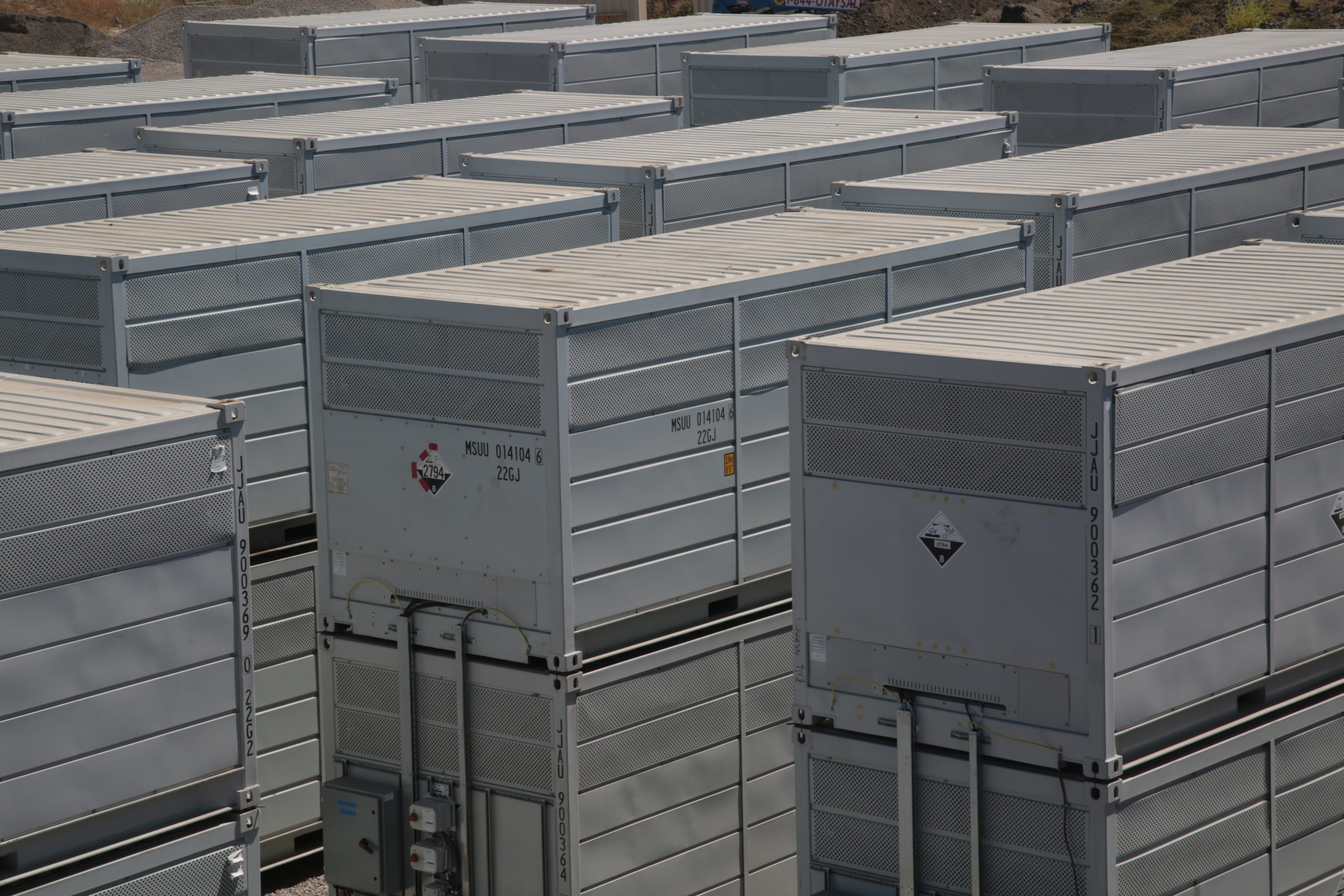
The three companies envisage grid connected, islanded, and hybrid configurations, each of which places different requirements on the electrical architecture. A grid connected site can use onsite generation to supplement an inadequate connection or provide additional resilience, whereas an islanded facility has to support its complete operational load without relying on the utility network. Hybrid designs sit between the two, allowing the site to combine grid imports and local generation according to connection limits, operating cost, resilience requirements, and the availability of each source.
Those modes cannot be created by generation equipment alone because protection, synchronisation, switchgear, controls, metering, and distribution have to respond correctly whenever the relationship between onsite plant and the grid changes. Schneider Electric’s role covers the path between generation and the computing load, including automation and digital power management, while Wärtsilä’s modular engine plants can be installed in stages as campus demand increases. Stanley Consultants then carries the engineering and delivery interfaces through permitting, construction, and commissioning, where incompatible assumptions between equipment packages are usually most expensive to correct.
High-density computing makes those interfaces less forgiving as server loads increase and electrical infrastructure is operated closer to its intended capacity. Uninterruptible power systems and batteries handle short interruptions and transitions, but longer-duration supply depends on generators or the grid, leaving the controls to coordinate several layers of power equipment without exposing IT loads to unacceptable voltage or frequency disturbances. Where a site is intended to separate from the network, the generation and control system must also establish stable local operation rather than simply follow a grid waveform provided from outside.
Commissioning consequently has to prove the behaviour of the combined system rather than verifying individual products in isolation. Generators can meet their own specifications, switchgear can pass factory tests, and automation can function correctly at component level while the complete architecture still responds poorly during a transfer, fault, or rapid change in computing demand. Integrated testing across generation, protection, controls, distribution, and downstream loads becomes particularly important where the design promises island operation or phased expansion.
Wärtsilä has been examining the same grid-availability problem in other markets, including a September agreement with Tokyo Gas Engineering Solutions to evaluate dedicated generation for data centre developments in Japan. The US arrangement extends that work into a broader delivery model by adding the electrical and engineering packages around the generating plant, reflecting an industry in which power supply increasingly determines where and when computing capacity can be brought online.
Onsite generation does not remove the planning and infrastructure constraints surrounding data centre development, because projects still have to address fuel supply, emissions, noise, land, cooling, grid agreements, electrical safety, and community impacts alongside the computing requirement. Coordinating the packages earlier can reduce late design changes, but it cannot eliminate the permitting process or guarantee that every site has a viable route to the required power capacity.
The Generator-to-Chip model will therefore be tested when it is applied to a live project with a defined load, connection position, fuel arrangement, and delivery programme. Its engineering premise is less dramatic than the branding suggests: design generation, distribution, automation, and commissioning as one power system from the beginning rather than allowing major packages to develop on separate schedules. As AI campuses move towards industrial-scale electrical loads, that coordination is becoming increasingly difficult to postpone until the buildings themselves are already under construction.