IN Brief:
- Windar Polska and Siemens Gamesa signed an agreement on 18 November to supply 26 turbine towers for Ocean Winds' BC-Wind project.
- The steel structures will be manufactured and assembled at Windar Polska's Szczecin facility for the 390 MW offshore wind farm.
- The contract commits Polish tower manufacturing to a 26-turbine project targeting first electricity in 2028.
Windar Polska will manufacture and assemble 26 offshore wind turbine towers for Ocean Winds’ BC-Wind project under an agreement signed with Siemens Gamesa on 18 November. Production is assigned to the company’s Szczecin facility in Poland, giving a domestic plant a defined role in supplying the 390 MW Baltic Sea development. The agreement covers steel support towers for the turbines rather than complete generating machines. Separate manufacturing, offshore assembly and electrical connection work will be required before the project can export power.
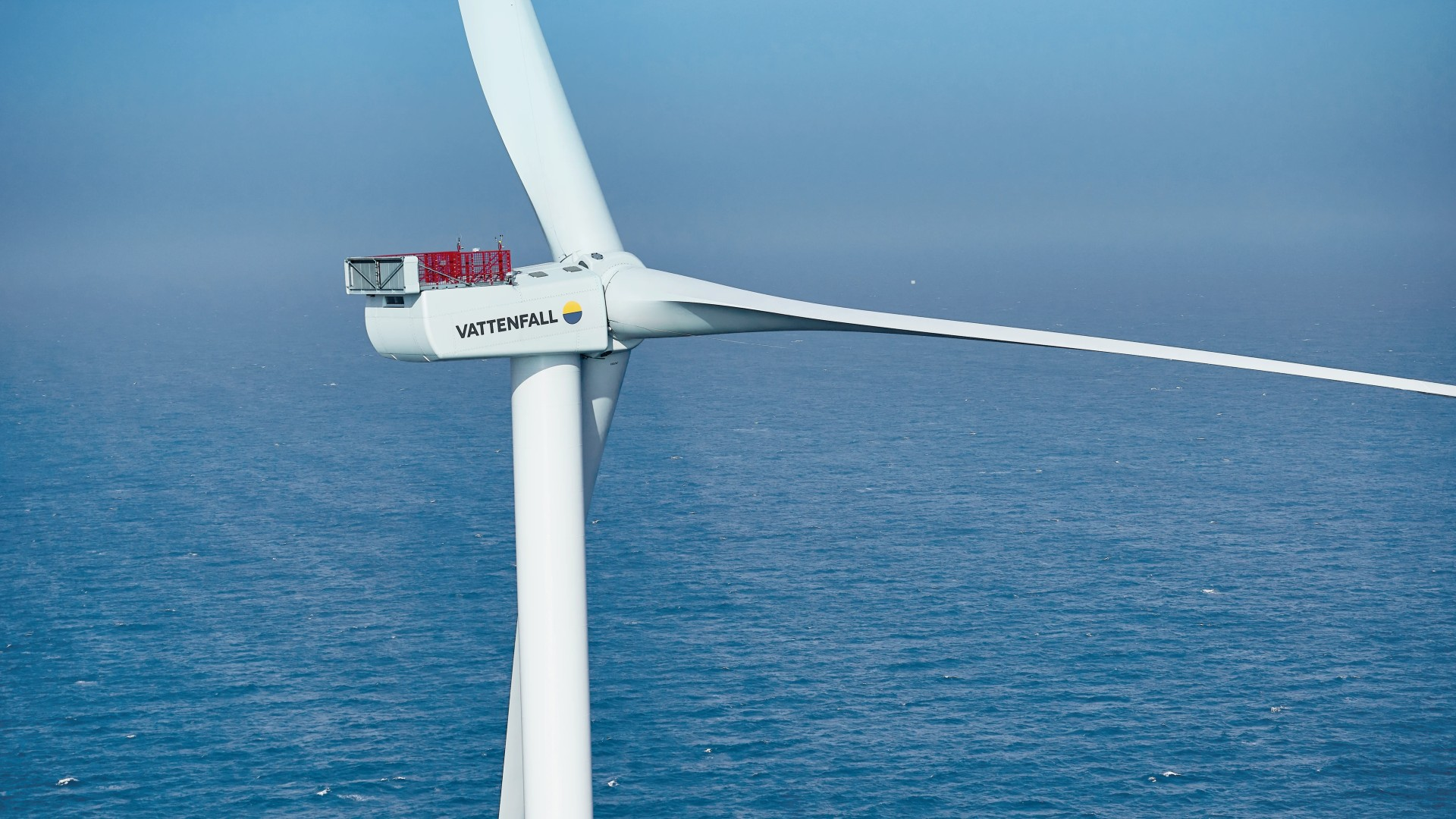
BC-Wind is planned around 26 Siemens Gamesa turbines with 236-metre rotors. Ocean Winds’ earlier supplier announcement specified a nominal rating of 14 MW per machine, with a Power Boost option raising output to 15 MW, giving a maximum planned project capacity of 390 MW. The wind farm is located approximately 23 kilometres offshore from the Krokowa and Choczewo area. First power is targeted for 2028, following installation of the turbines and completion of the electrical systems that will connect them to the Polish grid.
Fabricated tower sections carry the nacelle, rotor and associated operating loads down to the offshore support structure and foundation. Each section must satisfy dimensional and weld tolerances so that flanges align during assembly, while coatings and material specifications address the corrosive marine environment. Repeated aerodynamic and mechanical loading also makes fatigue performance important across the structure’s intended service life. The contract announcement identifies the production location and number of towers but does not provide detailed dimensions or a delivery timetable for the individual sections.
Windar’s Szczecin manufacturing investment is intended to supply large offshore components to projects in the Baltic and North Sea regions. Production in Poland shortens some of the overland transport distances that would arise with more distant suppliers, but complete tower sections still need specialist handling, port infrastructure and installation vessel coordination. The steel structures are among the largest components moved through the offshore wind supply chain. No contract value has been disclosed, and the supplier has not provided a production schedule against which to judge fabrication progress.
Ocean Winds selected Siemens Gamesa as turbine supplier in 2025, before the development reached financial close in December that year. The developer reported approximately €2bn in financing for BC-Wind, supporting its transition into project construction and procurement. Siemens Gamesa’s subsequent order to Windar sets out where the steel towers will be made within that existing turbine supply arrangement. It is a further manufacturing commitment rather than a change to the number of turbines or the project’s planned generating capacity.
Electricity from the offshore turbines will pass through inter-array cables and the project’s collection and export infrastructure before entering the Polish transmission network. That system must be commissioned alongside the generating machines, with cable testing, protection coordination and substation checks before controlled energisation. Ocean Winds has already appointed Polish businesses to parts of the electrical and onshore construction work. The tower contract adds another identified national supplier, this time responsible for structural components rather than power export equipment.
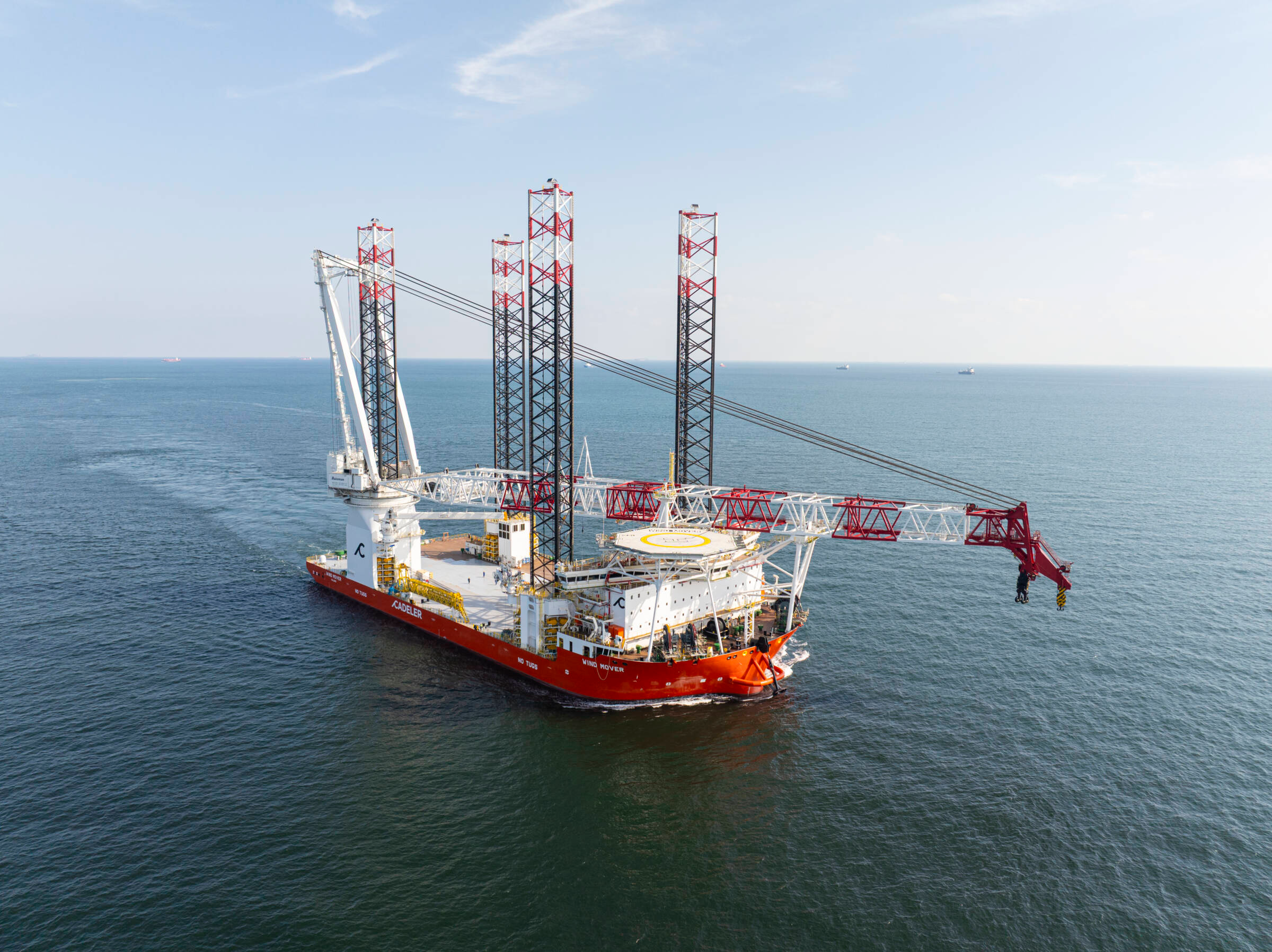
Tower fabrication and offshore installation require closely matched schedules. Completed sections need appropriate storage and lifting capacity at the marshalling port, and delivery must coincide with foundations, nacelles, blades and the availability of offshore installation vessels. Lifting heavy structures at sea also depends on weather and the vessel’s operating limits. Ocean Winds has identified Gdańsk as the turbine marshalling harbour and appointed Cadeler for transportation and installation, creating a route for the structures once fabrication and port handling are complete.
The Szczecin contract connects an identifiable Polish manufacturing facility with 26 turbines on a financed offshore development. Other BC-Wind packages have already been allocated for substations, cables and foundations, extending domestic participation across several manufacturing and engineering disciplines. The developer has not stated an overall percentage of Polish content for the project, so a wider local-content total cannot be calculated from these individual contracts. Windar’s confirmed scope remains the supply of towers manufactured and assembled in Szczecin.
BC-Wind’s next milestones include fabrication of the steel tower sections, delivery to the marshalling harbour and assembly offshore once the supporting infrastructure is ready. Installing the structures will be followed by mechanical completion, electrical testing and staged commissioning of the generating and export equipment. The 2028 first-power target remains dependent on that programme and the conditions encountered during offshore installation. Windar’s contract now establishes the supplier and manufacturing location for all 26 towers, with actual deliveries and energisation still ahead.