IN Brief:
- Northland's 80MW/160MWh Jurassic BESS has reached commercial operation in Cypress County, Alberta.
- The company says the two-hour project was delivered ahead of schedule and under budget.
- A 15-year offtake agreement covers 100% of project capacity and provides contracted revenue.
Northland Power has brought its 80MW/160MWh Jurassic battery energy storage system into commercial operation in Alberta, completing the two-hour facility ahead of schedule and below its planned construction budget.
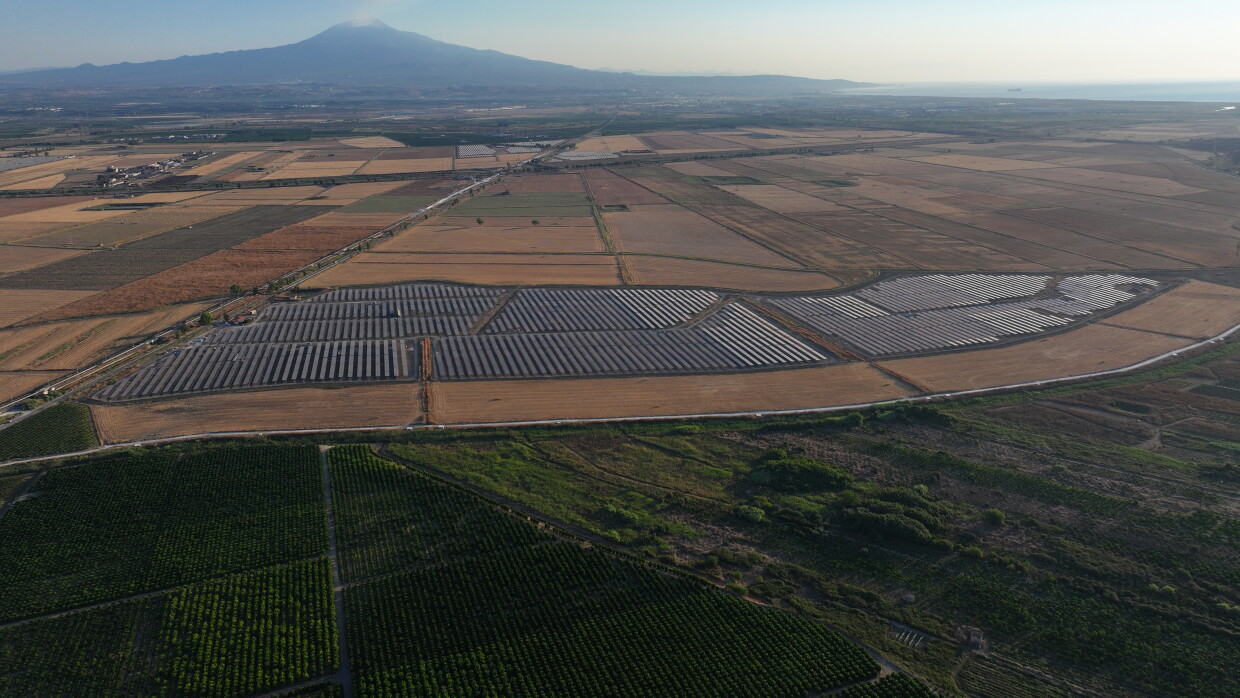
The project is located in Cypress County and is described by Northland as Alberta’s largest operating battery storage facility. A 15-year offtake agreement covers 100% of its capacity, providing a contracted revenue base rather than leaving the asset entirely dependent on short term merchant electricity and ancillary service markets.
Jurassic stores enough energy to sustain its full 80MW rated output for about two hours. That gives the project a different operating profile from four-hour batteries designed for deeper energy shifting, while retaining sufficient duration for peak management, balancing and other grid support applications.
Northland says construction was completed with no lost time incidents across nearly 75,000 working hours. The project had moved into final testing and commissioning during the second quarter of 2026 after installation of the battery packs, transformers and main electrical equipment.
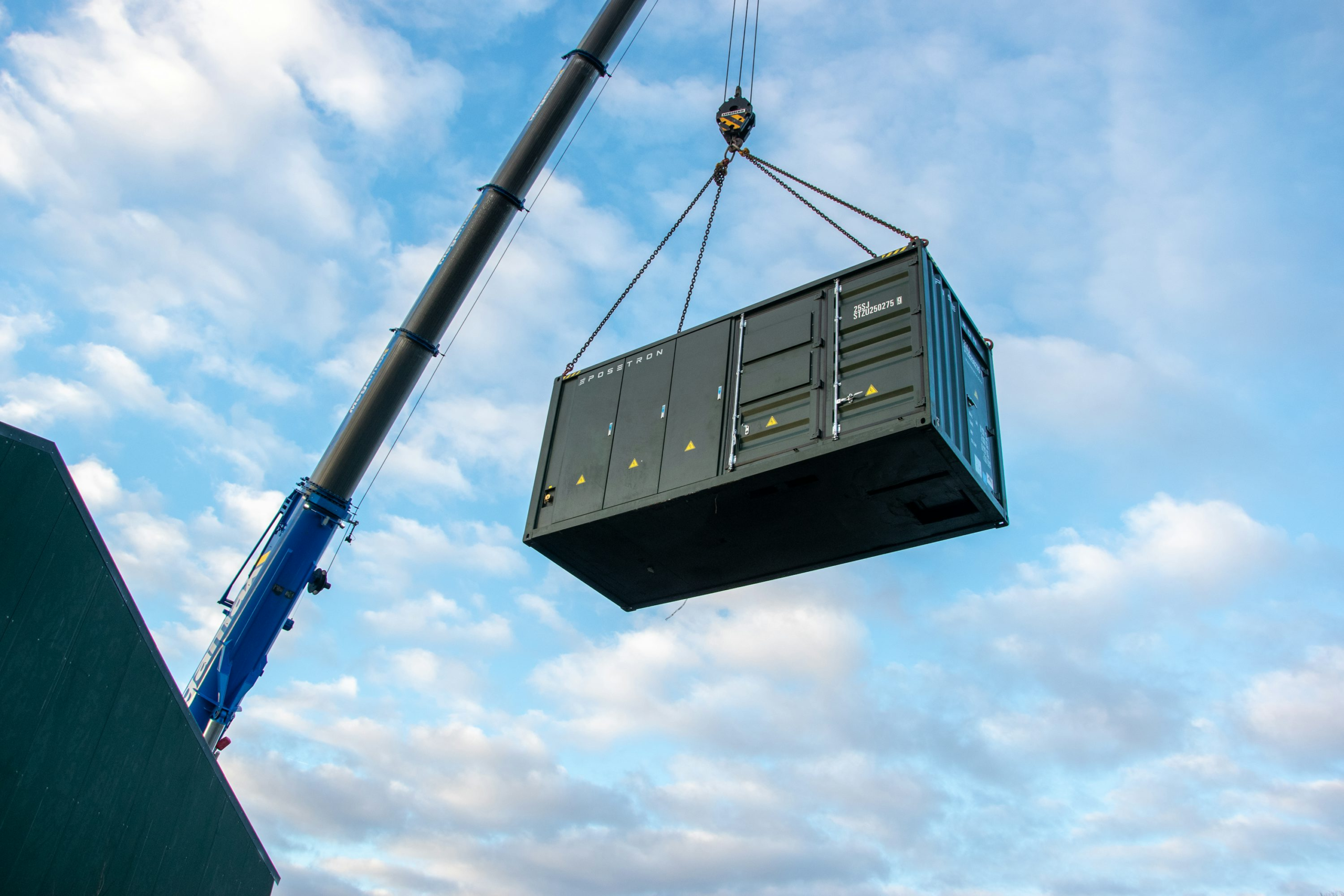
Commercial operation marks the point at which those separate construction activities become one functioning power asset. Battery modules, power conversion systems, transformers, protection, metering, controls and communications all have to operate together before the plant can reliably charge from and discharge to the grid.
Installed battery containers alone do not create an operating storage plant. The conversion system must control bidirectional power flow, protection equipment has to identify and isolate faults, thermal systems must keep cells within their permitted operating range, and the control platform has to coordinate the facility with dispatch instructions and network conditions.
Northland’s current project information lists 39 battery packs at Jurassic. The lithium-ion system is intended to support grid reliability and stability, help relieve congestion and make it easier for the Alberta system to accommodate additional renewable generation.
For a two-hour battery, operating strategy is closely tied to periods of relatively short scarcity or system stress. The plant can respond quickly to changing conditions but cannot sustain 80MW indefinitely. Once its 160MWh of stored energy has been discharged, it must recharge before it can repeat a comparable output period.
The 15-year offtake arrangement provides a commercial counterweight to that short term market exposure. Northland previously described the contract as a fixed price capacity agreement, giving the project predictable revenues for making the resource available while leaving the physical plant responsible for meeting the required performance.
Contracted capacity does not remove operating risk. The battery still has to satisfy availability and performance requirements, while cell degradation, planned maintenance and equipment failures can reduce usable capacity over time. Asset management therefore has to preserve performance across thousands of cycles rather than simply maximise dispatch during the first years of operation.
Jurassic is Northland’s second operating battery project after the 250MW/1,000MWh Oneida facility in Ontario entered commercial service in 2025. Oneida is a four-hour system, giving the company operating exposure to two assets with substantially different power-to-energy ratios and likely dispatch patterns.
Northland is also building 300MW/1.2GWh of four-hour storage in Poland through the Mieczysławów and Kamionka projects. The growing portfolio spans contracted North American capacity and European assets expected to participate across capacity, wholesale and ancillary service markets.
From a system perspective, the usefulness of Jurassic depends on where and when its 80MW can be dispatched. Storage can absorb electricity when the network has surplus generation or sufficient capacity for charging, then release that energy when demand rises or other generation is less available.
That temporal shift can reduce the need for other resources to change output as sharply, although batteries do not create energy and cannot substitute for generation or transmission in every circumstance. A two-hour system is particularly suited to defined peaks and fast balancing rather than prolonged supply shortages lasting much of a day.
Commercial operation also changes the nature of project risk. Development was dominated by financing, procurement, construction, permitting and grid connection. The operating phase shifts attention towards availability, dispatch performance, degradation, maintenance and compliance with the long term offtake agreement.
The transition from construction to operation also puts greater emphasis on long term asset data. Cell behaviour, power conversion efficiency, thermal performance and component failures can all affect how much of the nominal 160MWh remains economically usable as the system ages.
Northland has therefore delivered the headline engineering objective: an 80MW/160MWh battery is now commercially available to the Alberta system. Completing construction early and below budget settles the development phase favourably; the longer test is whether Jurassic can maintain contracted availability and usable capacity throughout its 15-year revenue agreement.