IN Brief:
- Vattenfall has contracted four German battery projects with 285MW of combined power capacity.
- Three projects are under construction, with the first expected to enter commercial operation from January 2027.
- The batteries will be dispatched across wholesale and balancing markets under agreements lasting until 2036.
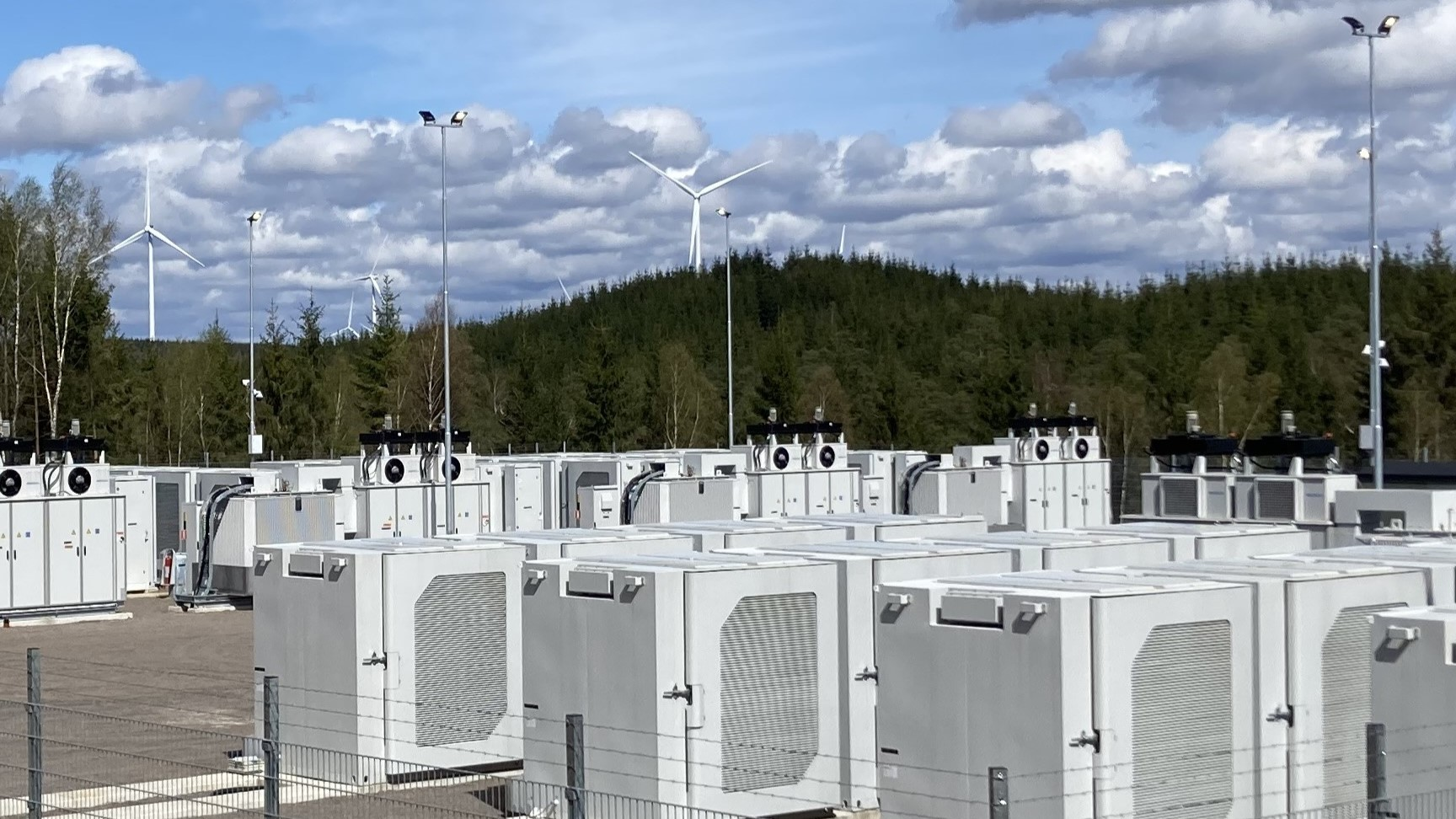
Vattenfall has agreed to market and optimise four large battery projects in Germany with a combined power capacity of 285MW, adding a geographically distributed storage portfolio to its European flexibility business.
The batteries are being developed by an independent flexibility provider that has not been named. All four projects have reached financial close, three are already under construction, and commercial operation is expected to begin from January 2027 as individual sites are completed. Vattenfall’s agreements to use the assets run until 2036.
The company will have direct operational control over the batteries and plans to integrate them into its automated trading and optimisation systems. The portfolio will participate in wholesale electricity and balancing markets, allowing charging and discharging decisions to respond to changing prices and system requirements rather than following a fixed operating schedule.
The four assets are located across different German control areas and network operators. Vattenfall describes the arrangement as the first physical battery portfolio of this kind in Europe spanning multiple control areas, giving the company access to storage capacity exposed to different local network conditions.
The individual site locations, battery durations, technology suppliers and developer have not been disclosed. The 285MW headline therefore establishes the combined power rating but does not reveal how much energy the batteries can store or how long the portfolio could sustain full output.
That distinction affects the services each project can provide. A 100MW battery with 100MWh of storage has the same maximum instantaneous output as a 100MW/400MWh system, but it can sustain that output for only a quarter as long. Duration influences whether an asset is best suited to rapid balancing, intraday energy shifting or a combination of both.
Vattenfall intends to operate the portfolio across several markets simultaneously. Batteries can respond rapidly to frequency deviations and balancing instructions, while wholesale operation can involve charging when prices are lower and discharging into tighter periods. The optimiser must decide continuously which use provides the strongest value while preserving enough stored energy and headroom for other commitments.
Commercial control is bounded by the physical condition of the plant. State of charge, cell temperature, cycle count, degradation, inverter availability and connection capacity all affect dispatch. Repeated aggressive cycling can increase short term trading income but consume more of the battery’s usable life, creating a direct relationship between market strategy and asset management.
Automated optimisation therefore depends on accurate plant data as well as electricity market signals. Price forecasts and balancing requirements can change within minutes, but a dispatch instruction is only useful if the battery, power conversion system, transformers, protection equipment and grid connection are available to respond.
The arrangement sits alongside Vattenfall’s own storage investment programme in Germany. The company already has battery capacity operating or under construction and recently approved a separate 254MW/1GWh project at Brunsbüttel, giving it exposure to both owned assets and batteries operated on behalf of third parties.
Vattenfall has set an ambition to optimise a battery portfolio totalling 1.5GW over the coming years. Reaching that scale does not require the company to finance and develop every project itself, because trading and optimisation can be expanded through contracts with independent asset owners.
For developers, a long term agreement with an established optimiser can also change the financing profile of a storage project. An asset exposed entirely to uncertain merchant revenues may be assessed differently from one with contracted income or a structured arrangement that allocates part of the market risk to another counterparty.
The commercial terms of the four German agreements have not been disclosed, so the level of revenue certainty they provide remains private. The structure nevertheless reflects a wider separation between battery ownership, physical operation and market optimisation as Europe’s storage fleet grows.
Germany is adding storage alongside larger volumes of wind and solar generation, increasing the value of assets that can respond quickly when supply and demand move out of balance. Batteries can absorb electricity during lower priced periods and return it later, but their effectiveness still depends on duration, location, connection limits and market access.
Spreading 285MW across different control areas may reduce the extent to which every asset faces the same network conditions at the same time, although it also increases operational complexity. Metering arrangements, connection requirements and local constraints can differ between sites even when the commercial strategy is managed centrally.
The first project is expected to enter commercial operation from January 2027. Commissioning will show whether the individual batteries can be integrated into Vattenfall’s automated market systems closely enough to operate as one commercial portfolio while still respecting the physical limits of four separate electrical assets.