IN Brief:
- Foundation installation is progressing at the 980MW Nordlicht I project in the German North Sea.
- DEME is installing 68 monopiles and transition pieces supplied by EEW and CS Wind.
- Commercial operation is targeted for 2028, with the neighbouring Nordlicht II project following in 2029.
Vattenfall is advancing foundation installation at the 980MW Nordlicht I offshore wind farm in the German North Sea as the project moves through one of the most equipment intensive stages of its construction programme.
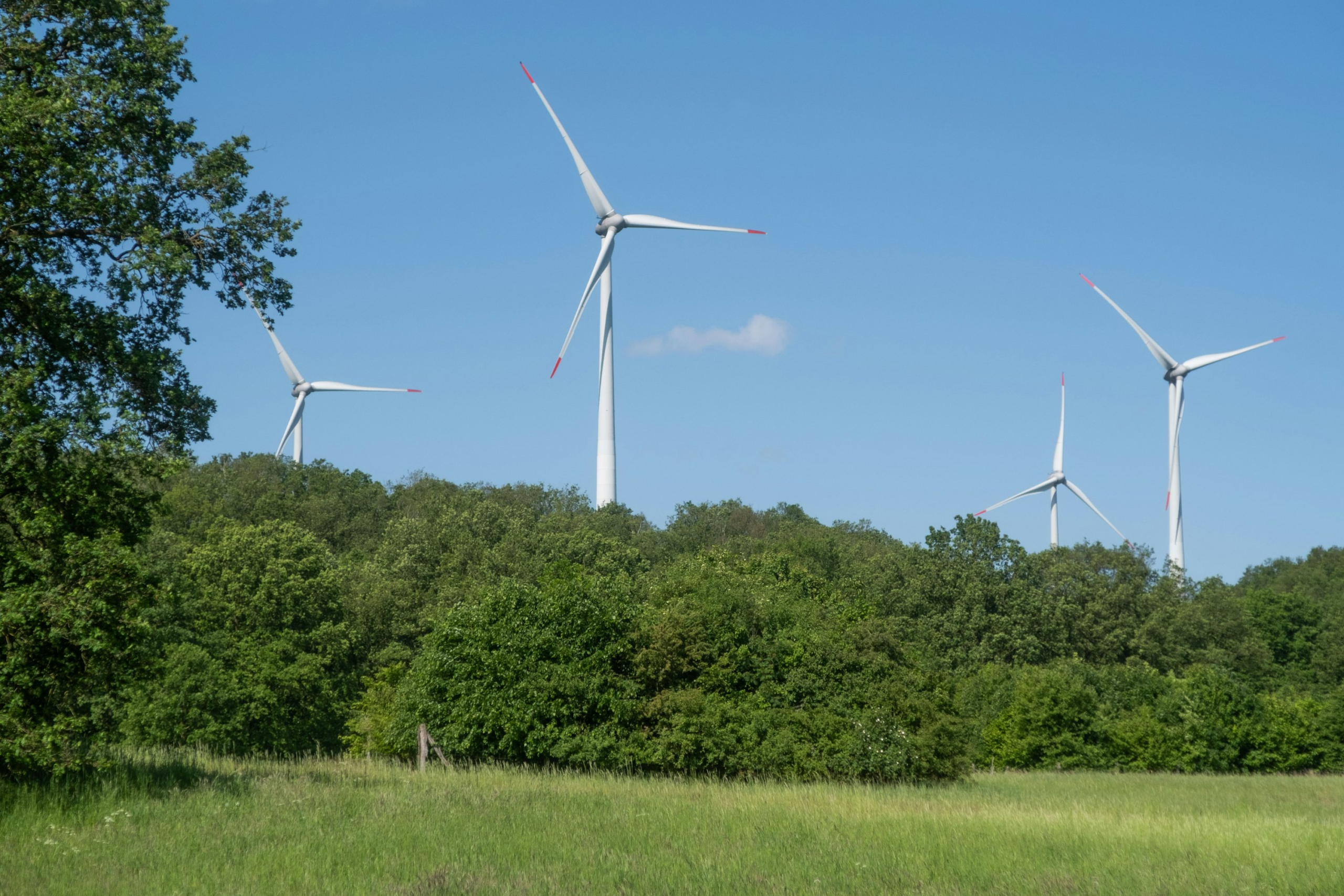
Nordlicht I will use 68 monopile foundations and the same number of transition pieces to support 68 Vestas V236 turbines rated at 15MW. The project lies approximately 85 kilometres north of Borkum and is scheduled to enter commercial operation in 2028.
DEME is responsible for transporting and installing foundations and transition pieces for Nordlicht I and the neighbouring Nordlicht II project. EEW Special Pipe Constructions is manufacturing the monopiles in Rostock, while CS Wind Offshore is supplying transition pieces from Aalborg.
The first Nordlicht I monopile was installed on 1 July, beginning the offshore foundation campaign. The first transition piece followed in August, moving construction into the stage where completed foundations begin to provide the mechanical and electrical interfaces needed for later turbine installation.
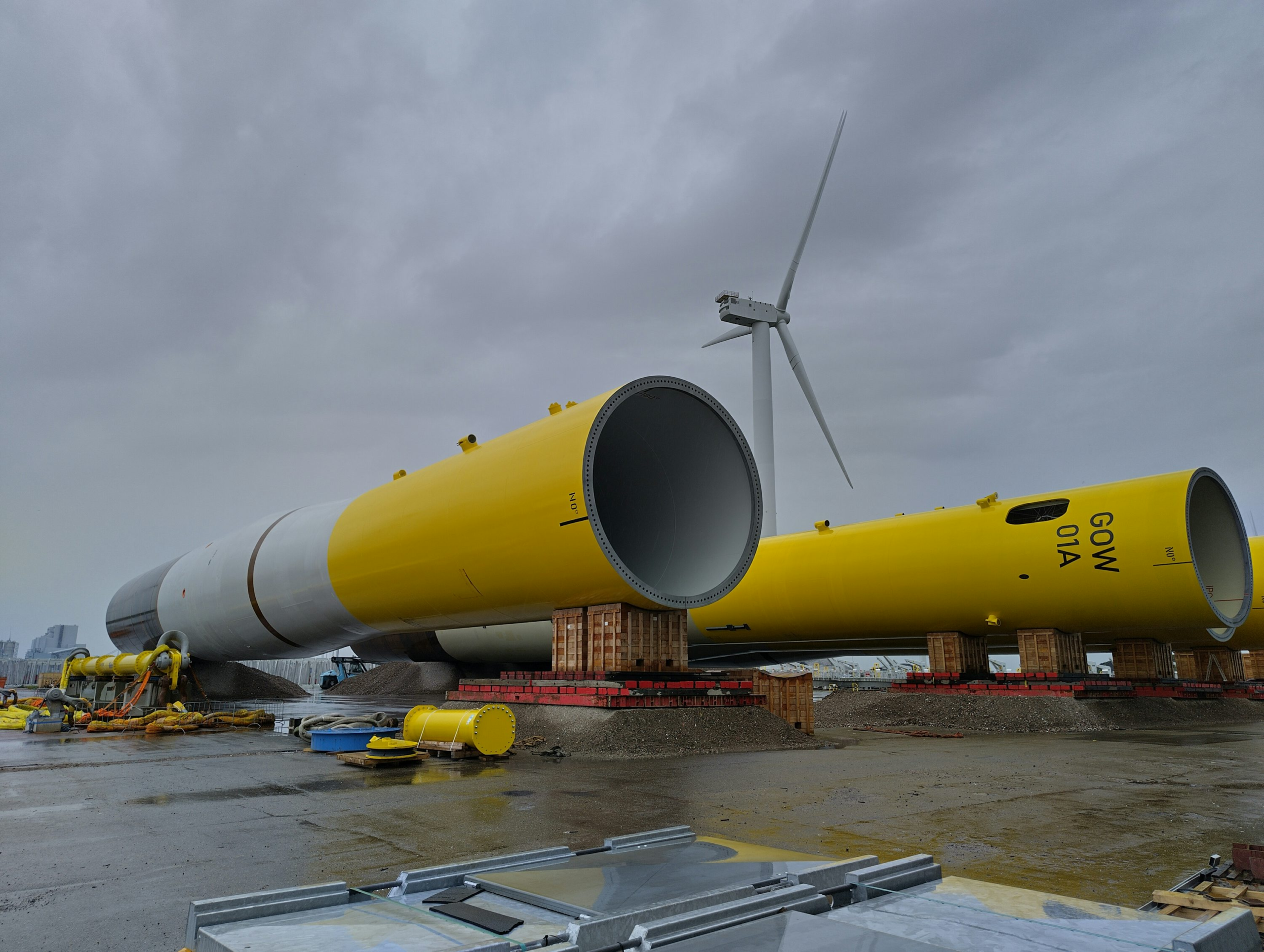
Current Vattenfall material confirms that foundation work is still in progress. Each monopile can reach approximately 80.5 metres in length and weigh up to 1,290 tonnes, while the transition pieces are around 23.7 metres high and weigh approximately 362 tonnes.
Components of that scale require far more than heavy lifting capacity. The monopile has to arrive at the correct offshore location, be positioned within tolerance and driven to the required depth while vessel movements, weather limits and environmental controls are managed around the installation sequence.
Underwater noise is one of the operating constraints during piling. Equipment used during the campaign is intended to control impact energy, while separate mitigation measures are used to reduce the acoustic effect of driving large steel foundations into the seabed.
The repetition involved in a 68-foundation programme places additional emphasis on logistics. Monopiles and transition pieces must leave separate manufacturing facilities, move through staging ports and reach the installation vessel in the correct order. Delays to fabrication, transport or vessel availability can interrupt the offshore sequence even when the site itself remains workable.
Vattenfall conducted onshore trials before offshore construction began to test interfaces, working methods and safety procedures. Rehearsing lifting, alignment and installation activities before mobilisation reduces the likelihood of discovering avoidable incompatibilities once a specialist vessel and offshore crew are already committed.
The foundation campaign is one part of a wider electrical and marine construction programme. Jan De Nul has a contract covering approximately 196 kilometres of inter-array cable across Nordlicht I and II, connecting individual turbines internally before their output reaches the offshore export system.
Once sufficient foundations and transition pieces are available, turbine installation can begin. Nordlicht I will use Vestas V236 15MW machines, while Nordlicht II will add another 44 turbines. Across the full cluster, 112 turbines will provide more than 1.6GW of generating capacity.
Vattenfall expects the two wind farms to produce approximately 6TWh of electricity annually once fully operational. Long term power purchase agreements have already been signed with industrial companies including Salzgitter and LyondellBasell, linking part of the future output with demand from energy intensive industry.
Procurement has also extended into lower emission materials. Vattenfall plans to use turbine towers manufactured partly with lower emission steel, which it says will reduce the towers’ carbon footprint by about 16% compared with conventional production. Cable solutions using recycled steel and copper, lower emission aluminium and alternative materials are also included in the wider supply programme.
Those material choices sit alongside the central delivery challenge of sequencing manufacturing, transport, offshore installation, electrical construction and commissioning. A completed turbine cannot be erected simply because its major components have been manufactured; its foundation, vessel, crane, crew, weather window and electrical interfaces all have to be available in the correct order.
Foundation installation is therefore a practical indicator of progress. Planning consent and investment decisions establish whether a project can be built, but monopiles and transition pieces installed offshore mark the conversion of development work into permanent generating infrastructure.
Nordlicht I has passed its first monopile and transition piece milestones but has not completed the full foundation programme. The remaining campaign must stay aligned with cabling and turbine installation if Vattenfall is to preserve the project’s targeted 2028 commercial operation date.