IN Brief:
- Nordex has received orders for 34 turbines with 175MW of combined generating capacity.
- The contracts span France, Portugal, and Spain and use five different turbine models.
- Installation and commissioning will take place during 2027 and 2028 under contracts that include long term service agreements.
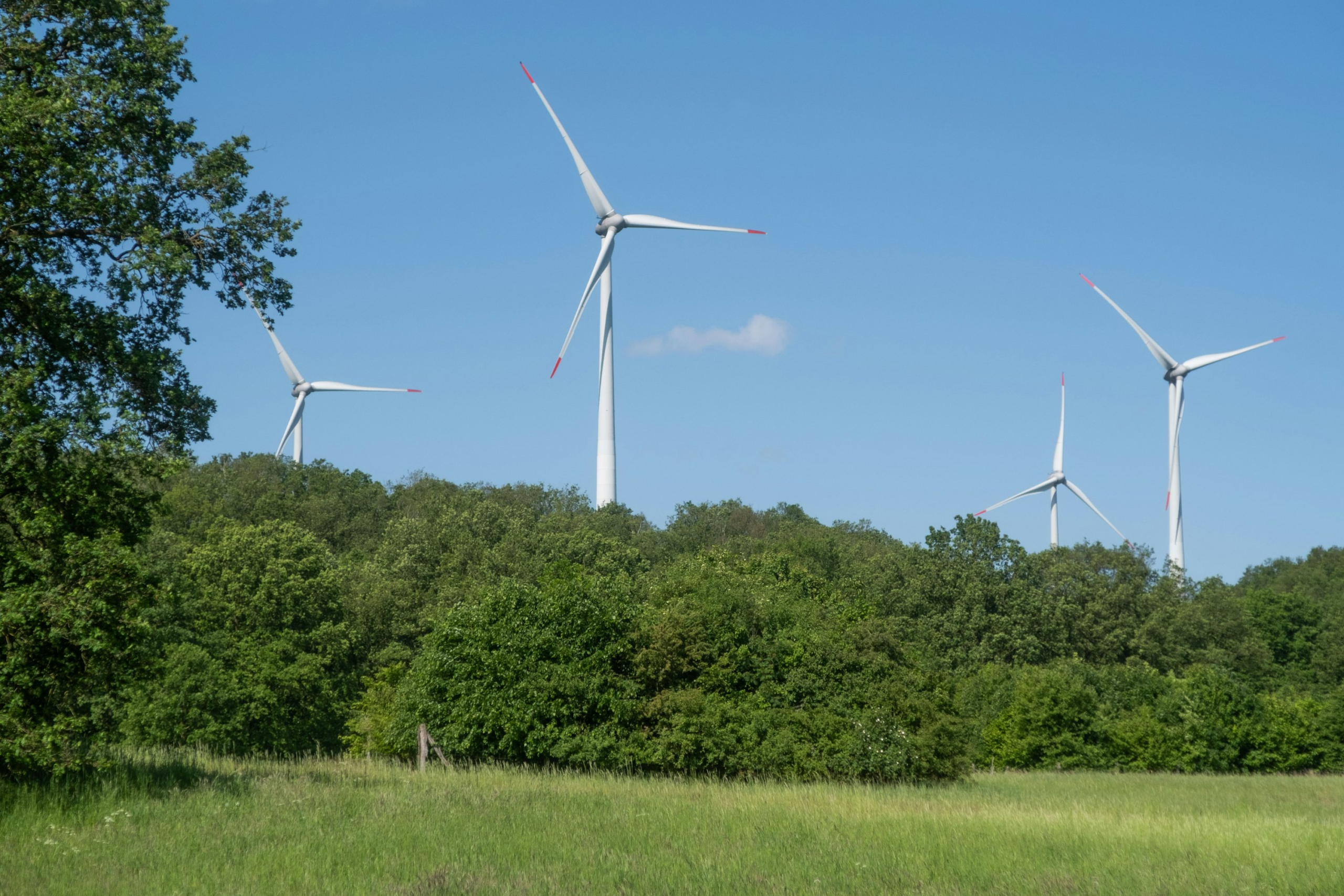
Nordex Group has secured orders for 34 onshore wind turbines with a combined capacity of 175MW across France, Portugal and Spain, adding a varied group of machines to its European manufacturing and installation pipeline.
The contracts cover turbine supply and installation together with long term service agreements. Nordex has not named the customers or individual wind farms, but installation and commissioning are scheduled to take place during 2027 and 2028.
The equipment package includes eight N175/6.X turbines, four N163/6.X machines, four N149/4.X units, nine N133/4.8 turbines and nine N131/3.6 machines. The order therefore spans five configurations rather than concentrating on a single turbine platform.
The largest rotor in the package belongs to the N175/6.X. Its 175 metre rotor sweeps approximately 24,053 square metres and the turbine is intended primarily for low and medium wind sites. Nordex offers the machine with several operating modes and tower configurations to accommodate different project requirements.
The N163/6.X also sits within the company’s 6MW class and uses a 163 metre rotor developed from the wider Delta4000 platform. The N149, N133 and N131 machines provide lower rated alternatives where site conditions, permitted dimensions, road access or grid requirements do not favour the largest available machine.
The equipment mix illustrates why onshore wind development does not progress through a simple replacement cycle in which every new project adopts the biggest turbine available. Planning restrictions, tip height limits, noise conditions, transport routes, crane capacity, foundation design and the local wind regime all influence which configuration is technically and commercially suitable.
A higher rated turbine can reduce the number of machines required for a given project capacity, cutting the quantity of foundations, access roads, internal cabling and some balance of plant equipment. Those savings can be offset if a larger rotor or tower creates additional planning constraints or cannot be transported economically to the site.
Grid connection requirements add another layer to turbine selection. Modern wind turbines use power electronics and control systems to provide reactive power, voltage support and other functions required under national grid codes. The same basic turbine platform may therefore operate with different settings and control requirements in separate countries.
France, Portugal and Spain combine different wind resources, permitting regimes and electricity market conditions. Nordex says the five turbine configurations selected for the latest orders reflect that diversity, although the company has not disclosed which models are assigned to individual projects or countries.
Long term service agreements are included because operating performance over two decades depends on more than the initial turbine specification. Condition monitoring, inspection, component replacement, remote diagnostics and planned maintenance determine whether machines remain available when wind conditions are favourable.
Availability has a direct effect on project revenues. A wind farm’s production forecast assumes that turbines will be capable of generating when the wind resource is present, so prolonged outages translate directly into lost electricity sales even when the underlying site conditions are strong.
Service contracts also keep the manufacturer involved long after construction has finished. Data collected across operating fleets can be used to adjust maintenance intervals, identify developing component faults and support spare parts planning before a defect results in a complete turbine shutdown.
The period between order and commissioning remains a substantial delivery programme in its own right. Foundations, access roads, substations and internal electrical networks must be completed before turbine erection, while nacelles, blades, towers and other components have to be manufactured and transported to site in a sequence that matches crane and installation availability.
Orders placed for 2027 and 2028 installation therefore create manufacturing commitments well before the projects export electricity. Suppliers must reserve factory capacity and materials, while developers have to maintain progress on civil works, grid connections and permits if the turbines are to arrive at sites ready to receive them.
Nordex says it has commissioned more than 64GW of wind capacity in over 40 markets since 1985. The group reported approximately €7.6 billion of sales in 2025 and operates turbine manufacturing facilities in Germany, Spain, Brazil, India and the United States.
The latest 175MW package does not identify customers, project names or the allocation of capacity between the three countries, limiting project specific assessment until further details emerge. It does, however, establish a 34-turbine manufacturing, installation and service programme extending through 2027 and 2028.
The use of five turbine configurations in one order announcement also underlines the continuing engineering diversity of European onshore wind. Larger rotors and higher ratings remain central to new development, but site constraints still determine which machine can be delivered, permitted, connected and maintained economically over its operating life.