IN Brief:
- EIB and BNP Paribas are each committing up to €350 million to the guarantee structure.
- The €700 million portfolio targets European manufacturers supplying electricity grid equipment.
- The institutions estimate the mechanism could support as much as €2.8 billion of investment.
European Investment Bank and BNP Paribas have agreed a guarantee structure designed to mobilise up to €700 million for European manufacturers supplying equipment used in electricity grid expansion and modernisation.
The EIB will provide up to €350 million of counter-guarantees, with BNP Paribas committing an equivalent amount. The resulting guarantee portfolio is expected by the institutions to support as much as €2.8 billion of investment across the wider grid equipment supply chain.
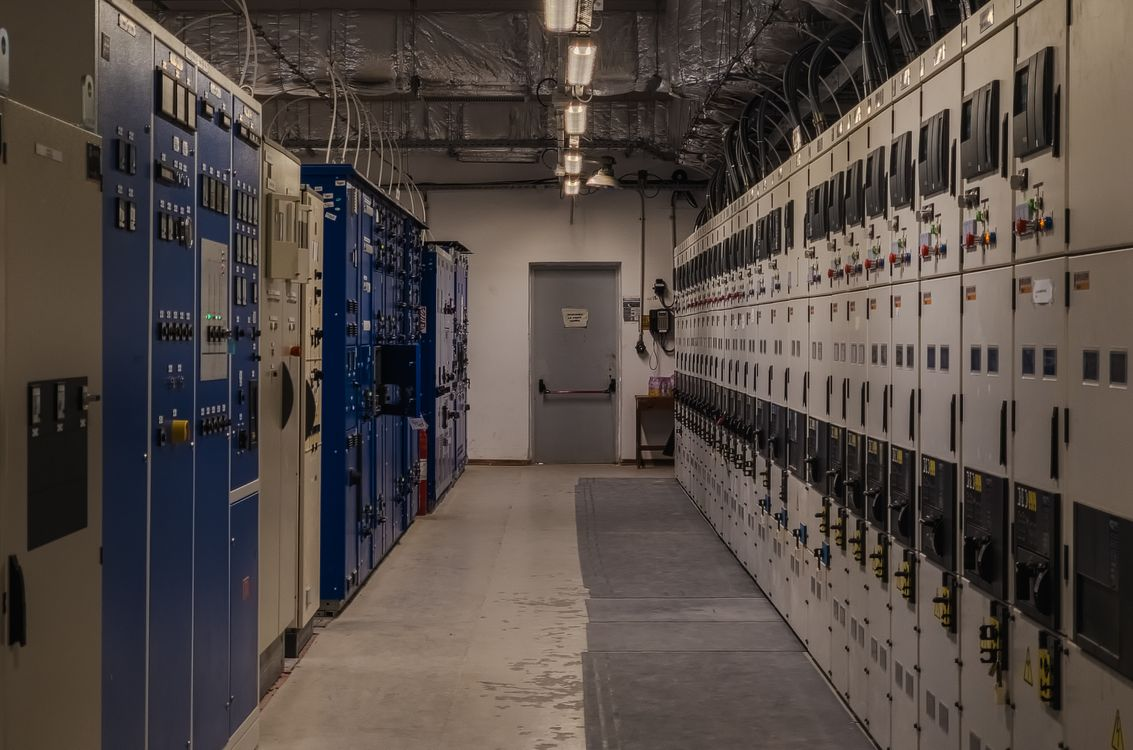
The transaction is backed by the European Union’s InvestEU programme and forms part of the EIB’s €1.5 billion Pan-EU Power Grid package. Rather than financing one transmission line or substation, the structure targets manufacturers expected to supply transformers, cables, switchgear and other equipment across multiple network programmes.
Bank guarantees can become a practical constraint as equipment order books expand. Large contracts frequently require suppliers to provide financial assurances covering delivery, performance or advance payments before all associated revenue has been received. Those contingent commitments consume banking capacity even when a manufacturer still has factory space and technical capability available.
By sharing part of the risk, the EIB structure is intended to give BNP Paribas greater capacity to issue guarantees for manufacturers taking on additional grid work. The leverage is indirect: €700 million of guarantees does not equate to €700 million of factory investment, but it can provide financial headroom for companies bidding for larger production and delivery programmes.
The arrangement extends a wider shift in EIB support towards electricity infrastructure and its industrial supply chains. The bank says it invested €33 billion in energy worldwide during 2025, including €11.6 billion in grids and storage, as network reinforcement became an increasingly prominent part of European energy investment.
A separate EIB-backed guarantee arrangement for European wind equipment was announced earlier in September, using a similar risk sharing approach alongside conventional project lending. BNP Paribas and the EIB had also agreed a €1 billion wind guarantee portfolio during 2025.
The underlying constraint is industrial as much as financial. Network operators can approve investment plans and developers can secure generation projects, but delivery still depends on physical equipment with long manufacturing lead times. Transformers, high voltage cables, breakers, protection systems and power electronics require specialist factories, skilled labour and supply chains that cannot expand immediately when order volumes rise.
Guarantees address only part of that pressure. They cannot create additional electrical steel, copper, test bays, engineering staff or production lines, and they do not remove permitting or connection delays at project level. Their narrower purpose is to prevent banking limits from restricting manufacturers that would otherwise be able to accept additional work.
The €2.8 billion figure should therefore be treated as an expected mobilisation effect rather than committed expenditure. The eventual impact will depend on how much of the guarantee portfolio is used, which companies receive support, whether that support translates into higher production capacity or contract delivery, and whether the resulting equipment reaches projects on schedule.
Grid equipment also has a different cash profile from many shorter cycle manufactured products. Orders can require engineering work, raw material commitments, factory reservation, testing and staged delivery over long periods, while customers may require guarantees before production starts. Several large contracts can therefore consume a manufacturer’s banking lines before they consume its physical production capacity.
The EIB’s Pan-EU Power Grid programme sits alongside wider support for renewable energy supply chains, including €6.5 billion previously allocated to Europe’s wind industry. Both approaches recognise that generation targets and network investment depend on manufacturing capacity as well as the availability of project finance.
Europe’s grid expansion plans are increasingly exposing the relationship between infrastructure spending and the factories required to supply it. The EIB and BNP Paribas arrangement adds financial capacity at the manufacturing end of that chain. Its value will ultimately be measured in equipment delivered rather than guarantees announced.
Transformers, cables and switchgear remain the physical products that determine whether new substations and circuits can be built on time. If the additional guarantee capacity enables manufacturers to accept contracts that would otherwise exceed banking limits, it can remove one obstacle from that delivery process without disguising the wider constraints still facing the European grid supply chain.