IN Brief:
- Statkraft and Greenvolt have agreed a ten-year toll covering two 200MW/800MWh Polish batteries.
- Statkraft receives charging and discharging rights across wholesale and flexibility markets.
- Turośń Kościelna is operating, while Ełk is expected to reach commercial operation during Q4 2026.
Statkraft and Greenvolt Power have signed a ten-year tolling agreement covering two four-hour battery storage projects in north-eastern Poland with a combined rating of 400MW/1.6GWh.
The agreement covers the 200MW/800MWh Ełk project at Nowa Wieś Ełcka and the 200MW/800MWh Turośń Kościelna facility. Statkraft receives rights to determine when the batteries charge and discharge across energy and flexibility markets, while Greenvolt gains a long term contracted revenue stream from the assets.
The toll is separate from the financing used to construct the projects. Greenvolt secured €153 million of bridge facilities and a €65 million guarantee facility from UniCredit in August, while the battery portfolio also benefits from capacity market revenues. Detailed payment terms under the Statkraft agreement have not been disclosed.
Turośń Kościelna entered operation during the summer and is connected to Poland’s transmission system at 110kV. Greenvolt expects Ełk to reach commercial operation during the fourth quarter of 2026, so the agreement spans one operating battery and another approaching the end of commissioning.
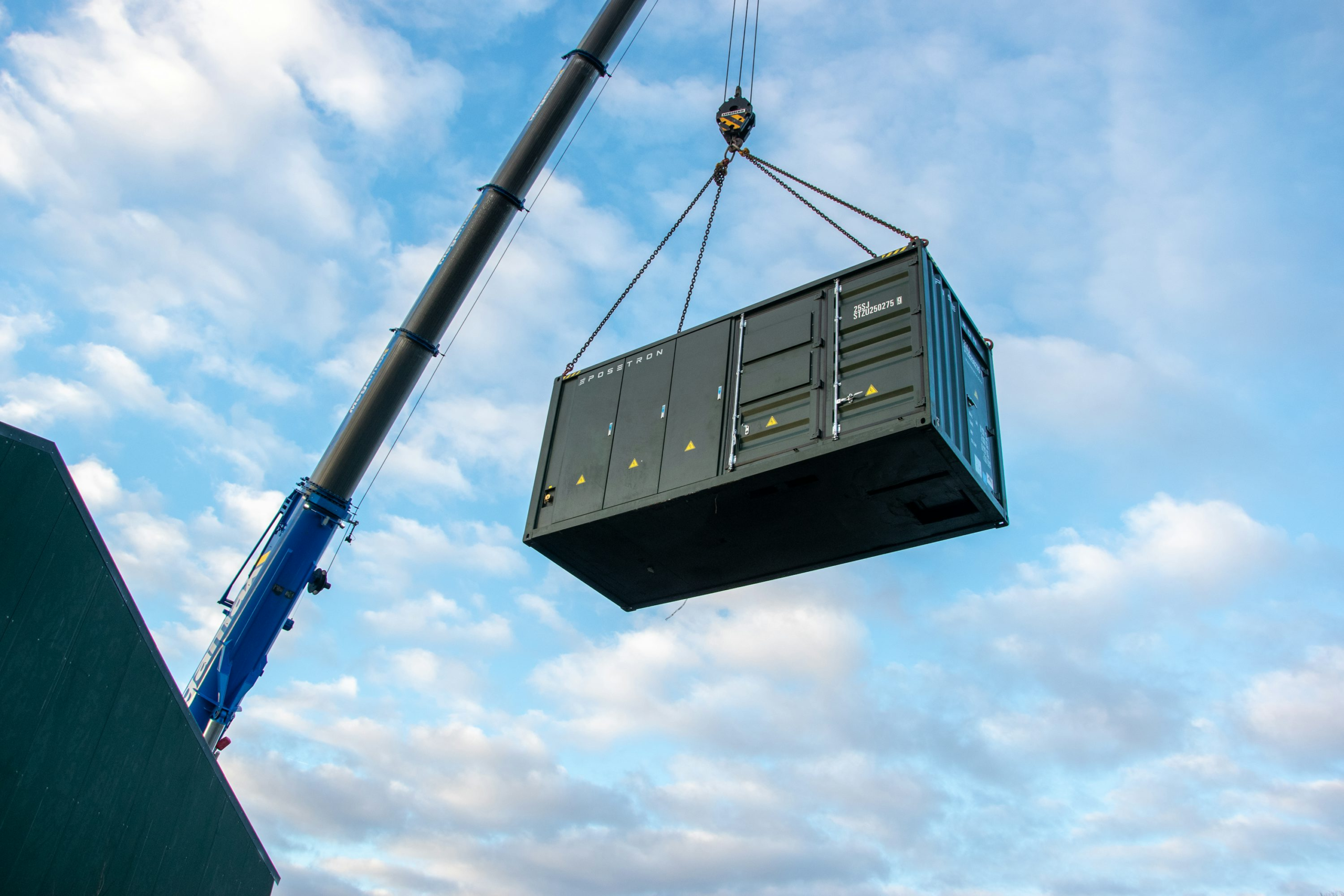
Turośń Kościelna provides a guide to the technical platform. The facility contains 196 containerised battery modules and 49 transformer stations, uses lithium iron phosphate cells and can sustain its full 200MW output for about four hours. It also holds a 17-year Polish capacity market contract beginning in 2028 with a 170MW capacity obligation.
Tolling separates ownership of the physical asset from part of its market operation. Rather than Greenvolt making every short term dispatch decision itself, Statkraft can use its trading and optimisation systems to capture value from wholesale price spreads, balancing actions and flexibility products within the operating limits agreed for the plant.
The batteries still impose physical constraints on those commercial decisions. State of charge, cycle count, degradation, inverter availability and connection limits all affect how aggressively they can be dispatched. Reserve services may require capacity to remain available rather than being used immediately in the wholesale market, while capacity obligations introduce another layer of required availability.
Four-hour duration gives both projects a wider operating range than batteries designed mainly around rapid response services. They can absorb substantial quantities of electricity during periods of high renewable output and release it several hours later, while remaining fast enough to participate in balancing and ancillary services where market rules allow.
That capability is becoming more valuable as Poland adds wind and solar generation. Variable output can produce periods of low prices or local network stress followed by tighter system conditions when renewable production falls. Batteries do not create additional energy, but they can alter when electricity is available and provide controllable power at times when other generation would otherwise have to ramp.
The commercial structure also reflects a growing division between battery development and market optimisation. Building a storage project requires land, connection rights, equipment procurement, finance and construction capability; extracting value from it requires continuous trading, forecasting and dispatch. A long term toll allows those functions to sit with different organisations.
Operating performance will still depend on plant availability. Thermal management, fire detection, power conversion equipment, transformers, protection relays and communications must remain serviceable alongside the battery cells themselves. A sophisticated trading strategy cannot compensate for an unavailable inverter block or a constrained grid connection.
Greenvolt is extending its Polish storage programme beyond Ełk and Turośń Kościelna. Construction has started on the 600MW/2.4GWh Siedlce project, which would take the three schemes to a combined 1GW of power and 4GWh of storage if delivered as planned.
That pipeline increases the importance of repeatable commercial structures. Development and construction can scale the physical portfolio, but large fleets also require arrangements that allocate market risk, dispatch responsibility and long term revenue between owners and trading counterparties.
For Statkraft, the agreement establishes a substantial position in Polish battery optimisation. For Greenvolt, it places a ten-year market operation structure around 1.6GWh of assets as they enter service. Its performance will depend on how effectively dispatch decisions balance market value, contracted obligations, plant availability and battery life across thousands of operating cycles.