IN Brief:
- BW ESS is constructing a 97MW/828MWh battery project at Cerignola in Apulia with operation targeted for 2028.
- The battery has more than 8.5 hours of storage duration at its rated 97MW output.
- A 15 year MACSE contract provides contracted revenues while the project supports integration of Italian solar and wind generation.
BW ESS has moved the 97MW/828MWh Cerignola battery project in Apulia into construction, adding an asset capable of discharging at rated output for more than eight and a half hours. The project is due to enter operation in 2028 and holds a 15 year contract under Terna’s MACSE storage procurement mechanism.
Cerignola secured its MACSE contract in October 2025. The mechanism provides contracted revenues for storage capacity that can absorb electricity when supply exceeds immediate demand and return it when the system requires additional power.
With 828MWh of energy capacity behind a 97MW power rating, the project can sustain full rated discharge for a little more than eight and a half hours before allowances for operating reserves and conversion losses. Its configuration therefore targets a different operating window from short duration batteries used primarily for rapid frequency response or brief intraday imbalances.
A longer discharge period allows a larger block of renewable generation to be shifted between parts of the day. Solar output can be stored during periods of abundant daytime generation and released into evening demand, while the battery can also respond to market and system signals within the limits imposed by its state of charge and contracted operating requirements.
Terna created MACSE as Italy adds large volumes of solar and wind generation. In its first auction, held in September 2025, the transmission system operator awarded 10GWh of new storage capacity expected to enter operation in 2028. Bids exceeded the required volume by more than four times, while the weighted average award price remained below the reserve level.
MACSE payments relate to availability of contracted storage capacity rather than simple ownership of a battery. Operators receive a fixed annual premium in return for making capacity available under the scheme’s rules, giving developers a predictable revenue component while Terna secures storage resources intended to support the changing generation mix.
Those obligations feed directly into the engineering of Cerignola. A long duration installation has to retain sufficient usable energy, power conversion capacity, thermal performance and control capability to meet contracted services over many years. Cell degradation, auxiliary consumption and state of charge management therefore affect whether the asset can deliver what was procured.
Southern Italy already hosts significant renewable generation, creating periods when production and demand are poorly aligned. Storage can absorb part of that output rather than forcing generation to be curtailed, then discharge it later. It does not create additional energy and cannot cover a prolonged generation deficit once its stored energy is exhausted.
Transmission reinforcement, dispatchable generation, imports and demand flexibility therefore remain necessary around a large storage fleet. Cerignola can move 828MWh between periods, but both its 97MW power limit and available state of charge constrain the amount of support it can provide at any moment.
BW ESS says it has 14 mid stage BESS projects in Italy totalling 2.9GW, with two projects in construction. Cerignola carries a comparatively large amount of energy behind each megawatt of connection capacity, making duration rather than headline power its distinguishing characteristic.
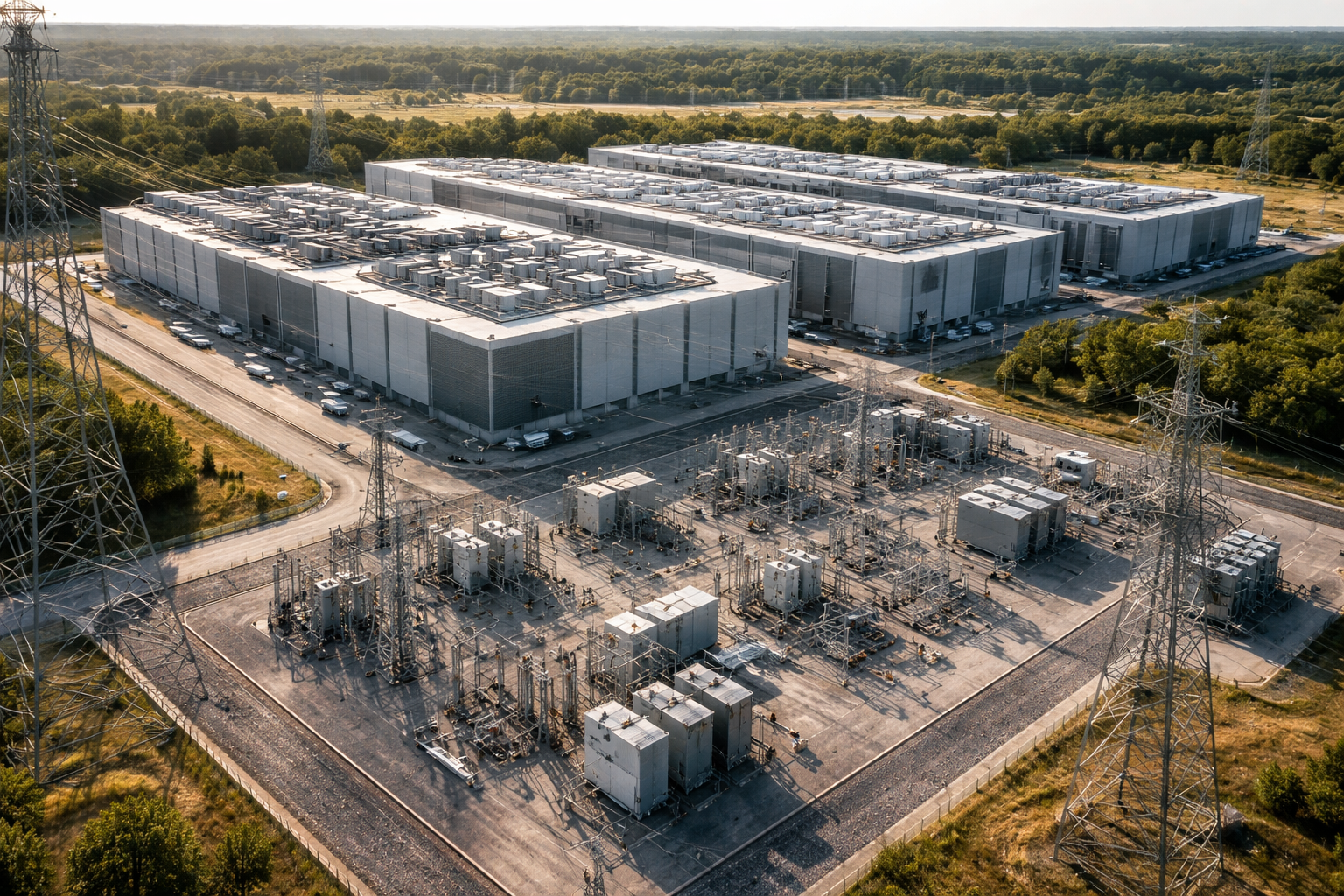
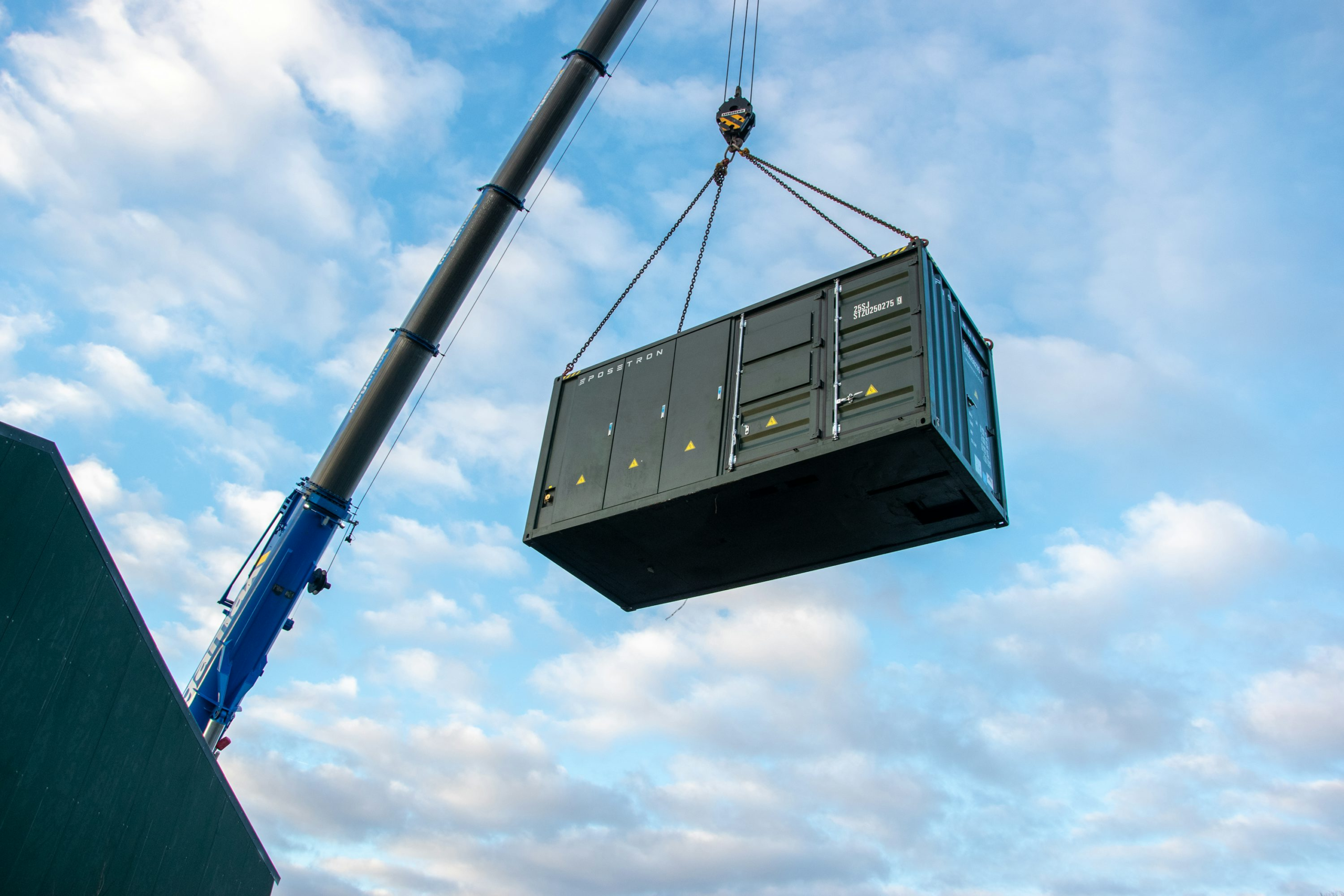
Construction now has to integrate battery modules, power conversion equipment, transformers, switchgear, protection, controls and grid connection infrastructure into one dispatchable installation. Fire detection, suppression and thermal management are also required so faults can be detected and contained without unnecessarily compromising unaffected sections of the plant.
Charging presents the network with a large controllable demand, while discharging turns the same connection into a generating source. Protection settings, reactive power capability, ramp rates and dispatch interfaces have to work correctly in both directions before the asset can enter commercial service.
The 2028 operating target aligns Cerignola with the first wave of MACSE contracted lithium ion capacity. Civil works, equipment manufacture, installation, grid connection and commissioning all remain ahead, leaving the delivery programme exposed to the same equipment and connection constraints affecting other large power projects.
Cerignola has nevertheless moved beyond the auction and development stages into physical construction. The next test is whether an 828MWh battery designed around an 8.5 hour discharge window can be commissioned on schedule and maintain the capacity required by its 15 year contract as the wider Italian storage programme moves into operation.