IN Brief:
- Bordesley achieved its Capacity Market Substantial Completion Milestone by the 30 September deadline.
- The 5MW site has completed G99 witness testing and energised its high voltage NGED connection.
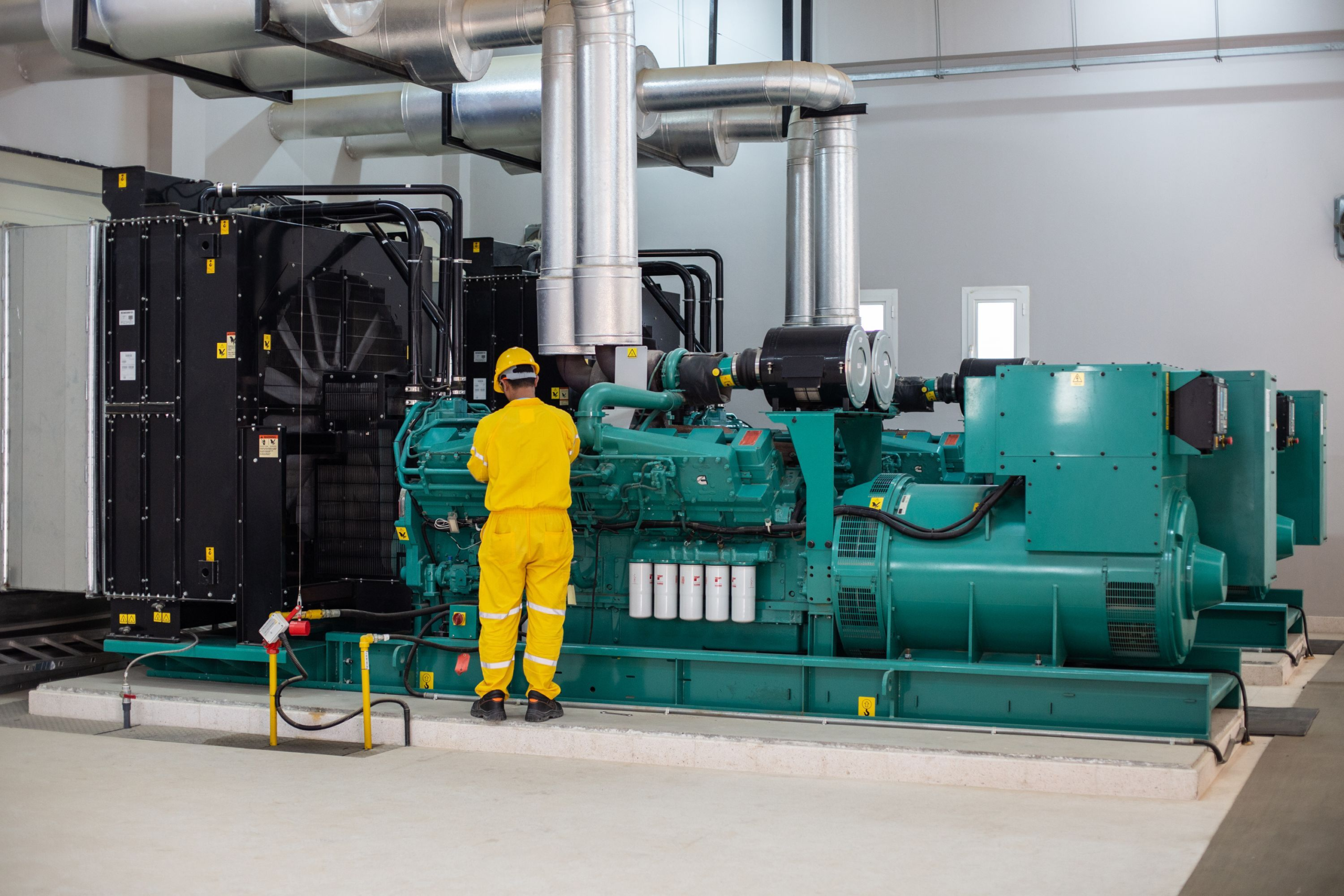
- Two Caterpillar G3520K generating sets are installed, with commissioning and performance testing continuing before commercial operation.
Quantum Data Energy has moved its 5MW Bordesley flexible generation project in Birmingham into final commissioning after energising the high voltage grid connection, completing G99 compliance testing and meeting the Substantial Completion Milestone under its Capacity Market agreement. Commercial operation remains scheduled for the fourth quarter of 2026.
The project achieved its Capacity Market milestone on 30 September after certification by an independent technical expert and approval by the EMR Delivery Body. Reaching the deadline secures the project’s T-4 agreement covering Capacity Market delivery years through 2039/40.
Grid energisation took place on 8 September following installation of National Grid Electricity Distribution switchgear and completion of highway jointing works. G99 witness testing was signed off by NGED on 29 September.
G99 compliance governs how generating equipment connected to Britain’s distribution networks must behave during normal operation and electrical disturbances. Protection and control functions determine when a generating set remains connected, when it trips and how it responds to changes in network voltage and frequency.
A generating engine can therefore be mechanically complete while the plant remains unable to export power commercially. Its generating sets, transformer, switchgear, protection relays and controls have to operate as one electrical system, while the distribution network operator must be satisfied that faults or abnormal conditions will not compromise the surrounding network.
Bordesley uses two Caterpillar G3520K gas generating sets. Both arrived in August and have been installed, with the first machine synchronised to the grid on 29 September before completion of its G99 trip tests.
Synchronisation requires the generator output to match grid voltage, frequency and phase closely enough for the circuit breaker to connect the machine safely. Once synchronised, the controls can raise output and export active power through the project transformer and high voltage connection.
The electrical installation is substantially complete, including the transformer, HV switchgear, cabling and auxiliary systems. Gas infrastructure has also been finished, covering onsite and offsite work, a canal crossing and commissioning of the metering skid.
Civil works include equipment bases, the HV switchroom, ducting and an acoustic fence around the generating equipment. Final stoning and perimeter fencing were the remaining minor construction items identified in the latest project update.
Bordesley is intended to provide flexible generation rather than continuous baseload output. Reciprocating gas engines can start and change load faster than large conventional thermal units, allowing them to respond during periods when electricity demand, renewable output or market conditions create a requirement for dispatchable generation.
Gas generation still carries fuel costs and direct carbon emissions, while batteries and demand flexibility can provide some balancing services without combustion. The operating role of a flexible engine plant is consequently defined by how often the system needs its output and by the commercial signals that justify starting it.
The Capacity Market addresses availability rather than paying directly for every megawatt hour generated. Projects receive support in return for dependable capacity during periods of system stress and remain subject to delivery obligations under their agreements.
Meeting substantial completion by the contractual deadline therefore protects access to the project’s long term Capacity Market income while the remaining commissioning work is finished.
Quantum Data Energy is developing Bordesley with Power Balancing Services, which funds 65% of project equity while Quantum funds 35%, alongside external commercial bank debt. Quantum already operates flexible generation assets at Pyebridge and Hindlip, making Bordesley its third planned operating plant.
The remaining programme covers commissioning and performance testing of both generating sets, snagging and handover. Loaded testing can still expose problems in engine controls, synchronisation, gas supply, cooling, protection or electrical auxiliaries that were not visible during installation.
Bordesley has nevertheless moved beyond its principal construction phase. The connection is energised, one generating set has synchronised and G99 approval is complete; final commissioning now has to demonstrate that both machines and their balance of plant can repeat that performance reliably enough for commercial operation.