IN Brief:
- Usva Energia has sold its 100MW/400MWh Pyhäjoki battery project to Enlight Renewable Energy.
- The project reached ready-to-build status in July after site acquisition, permitting, grid connection preparation, and technical design.
- Pyhäjoki is planned to connect to Elenia's 110kV distribution network and becomes another Finnish storage project in Enlight's portfolio.
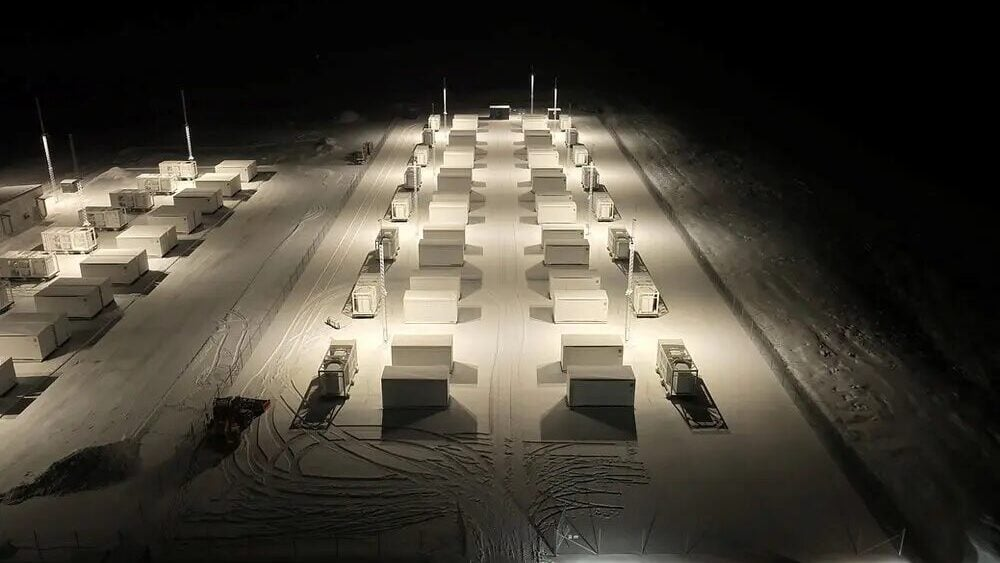
Usva Energia has completed the sale of a 100MW/400MWh ready-to-build battery storage project at Pyhäjoki in Finland to Enlight Renewable Energy, transferring a four hour storage development that is planned to connect to Elenia’s 110kV distribution network.
The project reached ready-to-build status in July 2026 after Usva completed site acquisition, permitting, grid connection preparation, and technical design. Those milestones take the development beyond an early pipeline position, but they do not mean the battery has been constructed or energised. Equipment procurement, civil works, electrical installation, commissioning, and final connection work still have to be completed before the asset can operate commercially.
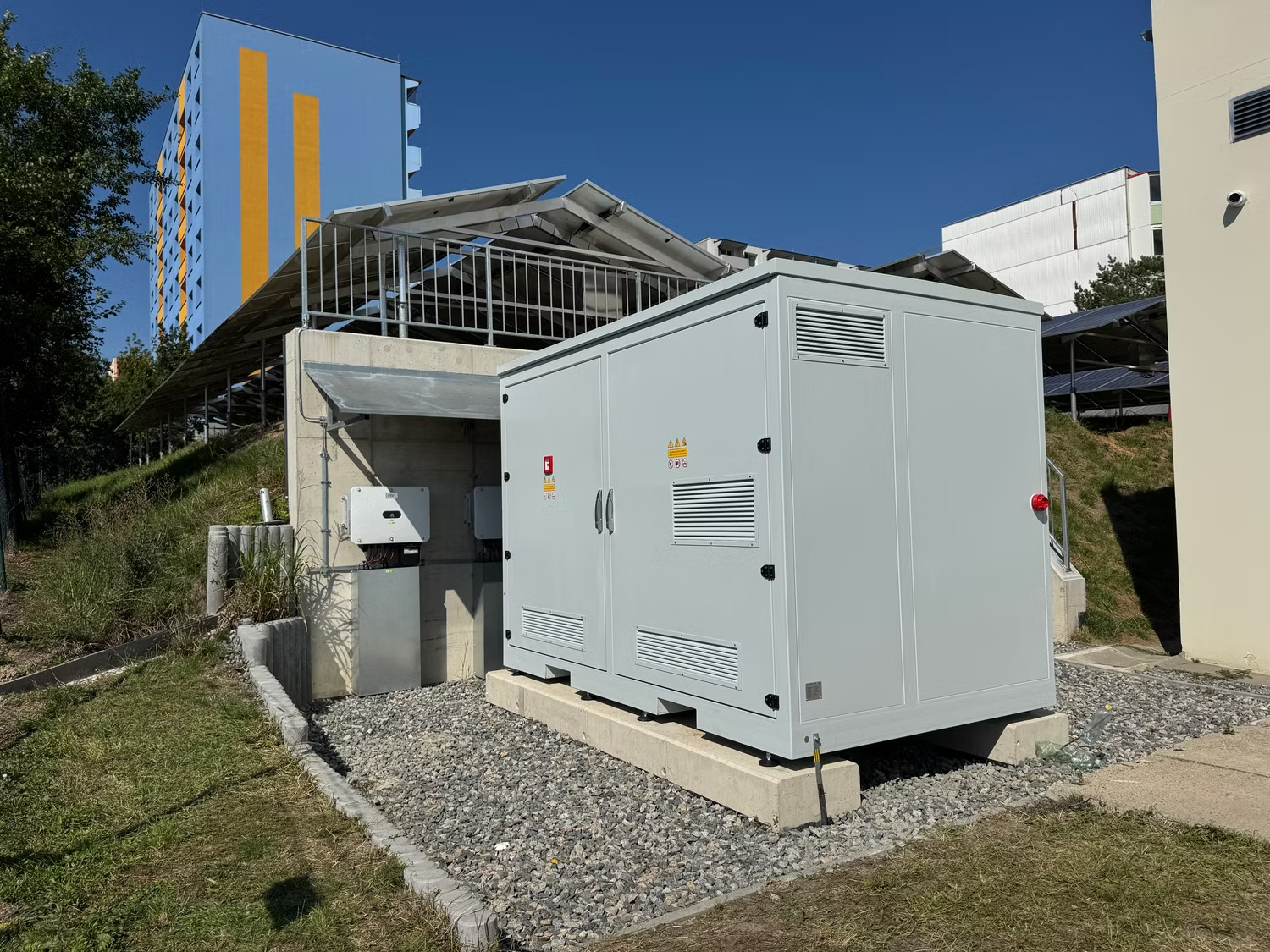
At 100MW of power and 400MWh of energy capacity, Pyhäjoki is designed around four hours of storage at maximum output. That duration allows the plant to move substantially more energy between charging and discharging periods than a short duration battery used mainly for rapid frequency services, while retaining the fast power response associated with electrochemical storage.
The battery will operate as both a large electrical load and a source of generation. When charging, it imports power from the network and stores energy chemically; when discharging, power conversion equipment returns electricity to the AC system. The grid connection therefore has to accommodate high power flows in both directions and remain within voltage, thermal, and protection limits under different operating conditions.
Usva says the project is intended to provide flexibility and balancing capacity while supporting renewable energy integration. In practice, the value of a battery with four hours of storage can come from several operating modes, including charging during lower price periods, discharging when the system is tighter, and reserving capacity for balancing products. Those uses draw on the same finite state of charge, so dispatch has to be coordinated rather than treating each revenue stream independently.
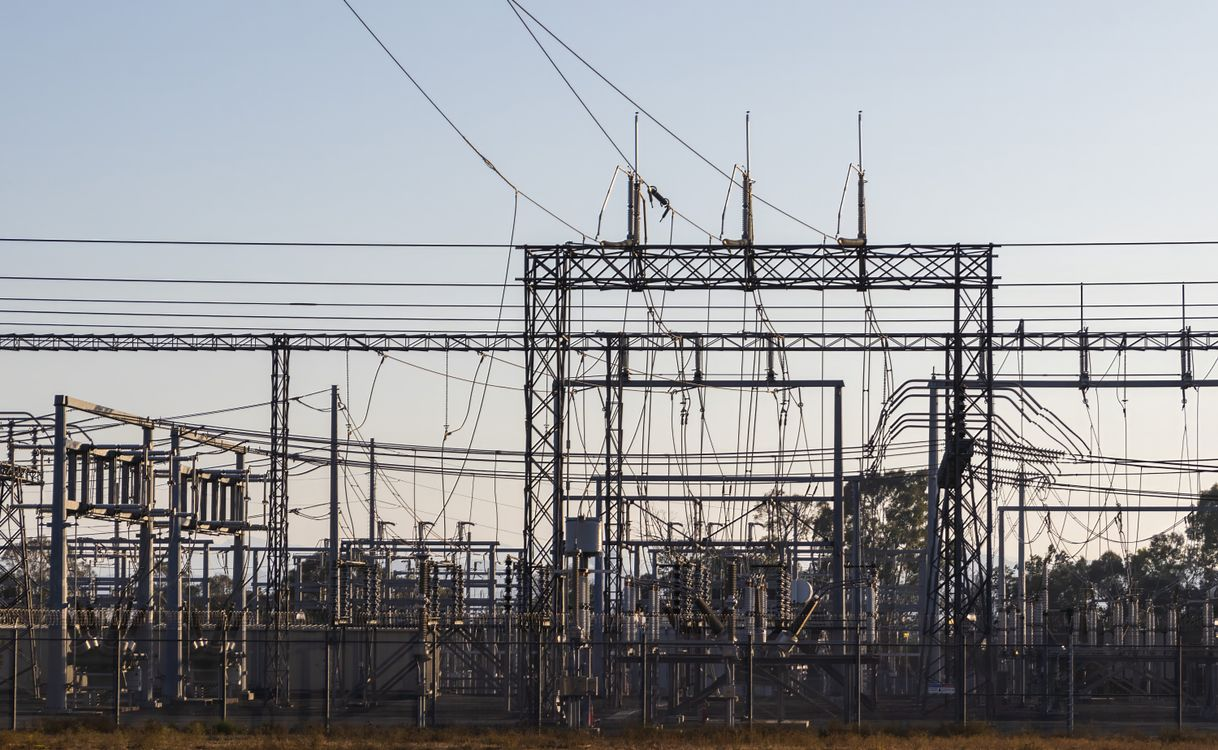
The planned connection to Elenia’s 110kV distribution grid gives the project a defined network route without placing it directly on Finland’s transmission system. A development at this scale still requires equipment operating at high voltage around the battery installation, including transformers, switchgear, protection, metering, controls, and communications, although Usva has not disclosed the final suppliers or plant configuration.
Connection studies are particularly important for battery projects because power can reverse rapidly. Network operators have to establish how the asset affects voltage, fault levels, thermal loading, and protection coordination during both charging and discharging. The plant controls must then operate within those connection conditions while the commercial optimiser decides when the battery should import, export, or hold capacity in reserve.
Ready-to-build status also shifts the project’s risk profile. Land rights, permits, technical design, and grid preparation have already been advanced by the developer, reducing the amount of early development work left to the buyer. Enlight now takes responsibility for moving the project through procurement, construction, commissioning, and operation, subject to the remaining delivery and connection milestones.
The transaction is Usva’s third ready-to-build battery divestment in 2026. The company previously sold a 100MW project at Teuva to Prime Capital in March and says it has developed more than 1GW of energy storage projects in less than two years. That model concentrates Usva’s role on bringing projects to a construction ready stage before transferring them to long term owners.
Enlight has already added other Finnish storage projects through acquisition. Korkia sold a separate 125MW ready-to-build battery at Kukonkylä to Enlight in August. Kukonkylä is intended to connect to Finland’s transmission grid, making it separate from the Elenia connected Pyhäjoki project.
The repeated acquisitions point to a broader move towards larger batteries with several hours of storage in the Finnish market. Increasing wind generation can create periods when electricity supply is high relative to demand, followed by tighter periods when wind output falls or consumption rises. Storage can move some energy between those periods, although its contribution remains limited by the amount of energy previously charged into the system.
Battery lifetime also constrains operation. Each cycle contributes to cell degradation, while temperature, depth of discharge, and charging rate affect how quickly usable capacity declines. Owners therefore have to balance short term trading opportunities against the longer term cost of cycling and any future augmentation needed to maintain contracted capacity.
Usva has not disclosed a construction start, battery supplier, power conversion supplier, or commercial operation date for Pyhäjoki. Those details will determine much of the final electrical architecture and delivery timetable, so the current milestone is the completed development sale rather than project completion.
The asset nevertheless enters Enlight’s portfolio with key development work already completed and a planned 110kV connection identified. Procurement, construction, and grid commissioning now become the next measurable stages before the 100MW/400MWh specification can translate into an operating flexibility asset.