IN Brief:
- GlobalFoundries has completed approximately 6MW of onsite solar and a 16MW battery at its Essex Junction semiconductor site.
- The Lightshift Energy battery has around 52MWh of storage, giving roughly three hours of discharge at rated output.
- The system is designed primarily for peak shaving, reducing the fab’s grid demand when regional electricity demand and costs are highest.
GlobalFoundries has completed approximately 6MW of onsite solar generation and a 16MW battery energy storage system at its semiconductor manufacturing site in Essex Junction, Vermont, adding local generation and peak demand management beside one of the state’s largest industrial electricity loads.
Encore Renewable Energy developed the solar arrays, while Lightshift Energy developed the battery. GlobalFoundries says the projects are intended to improve electricity management, reduce costs and support grid reliability while using land within the existing industrial campus.
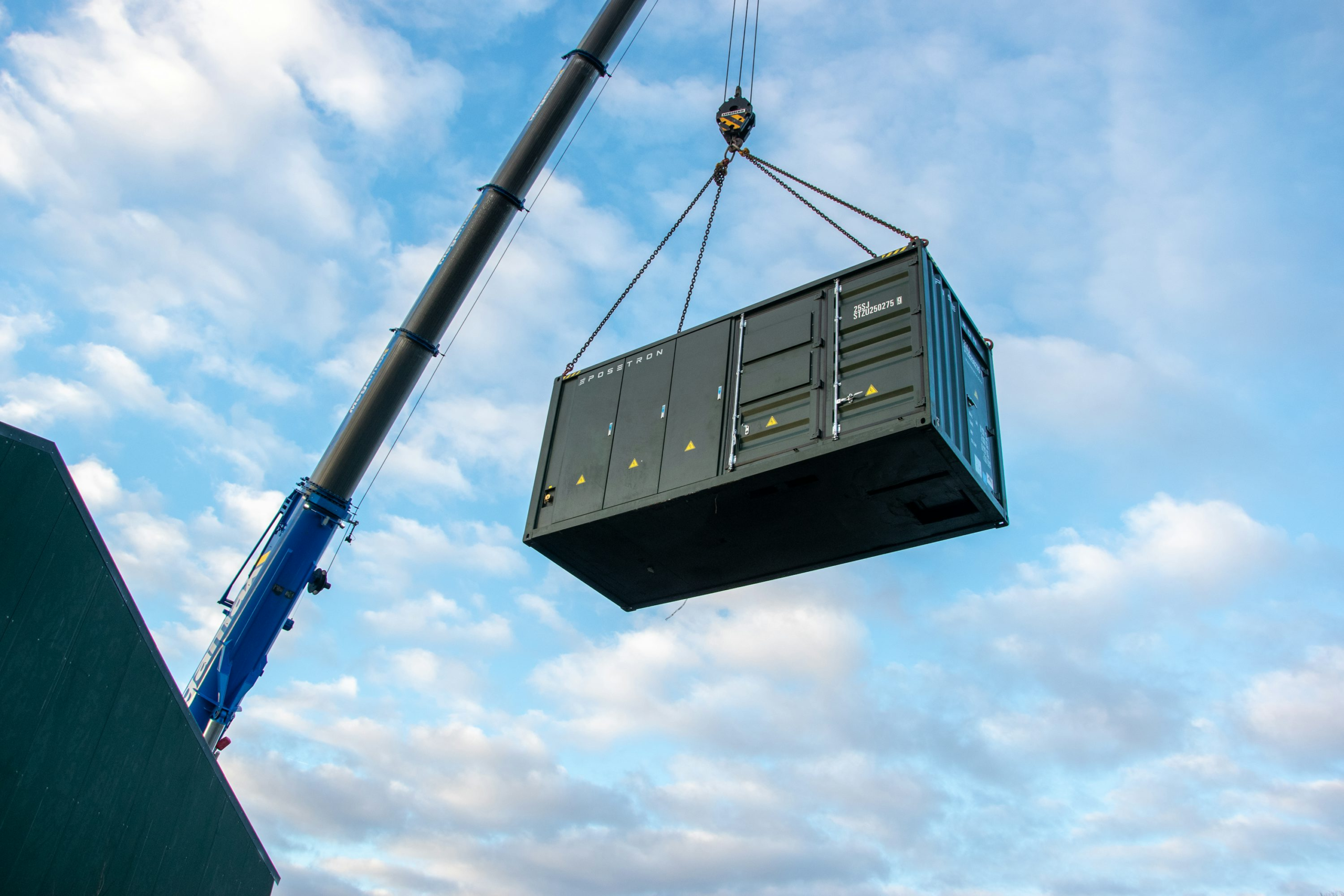
Planning material for the battery identifies approximately 52MWh of storage behind the 16MW power rating. That gives the installation slightly more than three hours of discharge at maximum output before allowing for operating reserves, conversion losses and battery management limits.
The battery sits behind the meter at the GlobalFoundries site and is designed primarily for peak shaving rather than autonomous operation. Electricity can be stored when site and system demand are lower, then discharged when consumption rises, reducing the power drawn through the external connection during those periods.
Semiconductor fabrication creates a substantial continuous electrical load through process tools, pumps, vacuum systems, cleanroom air handling, cooling and site utilities. A 16MW battery cannot support the entire fab indefinitely, but it can materially reduce the demand seen by the network for several hours.
Earlier project information indicated that maximum battery output could cover as much as 40% of the facility’s load under relevant conditions. Reducing demand during regional peaks can lower energy costs while also affecting transmission and capacity charges linked to a customer’s contribution to periods of high system consumption.
The regional grid can also benefit when a large industrial consumer draws less electricity during those periods. The battery does not increase the continuous thermal capacity of a transformer or transmission line, but a temporary demand reduction can reduce flows through constrained equipment.
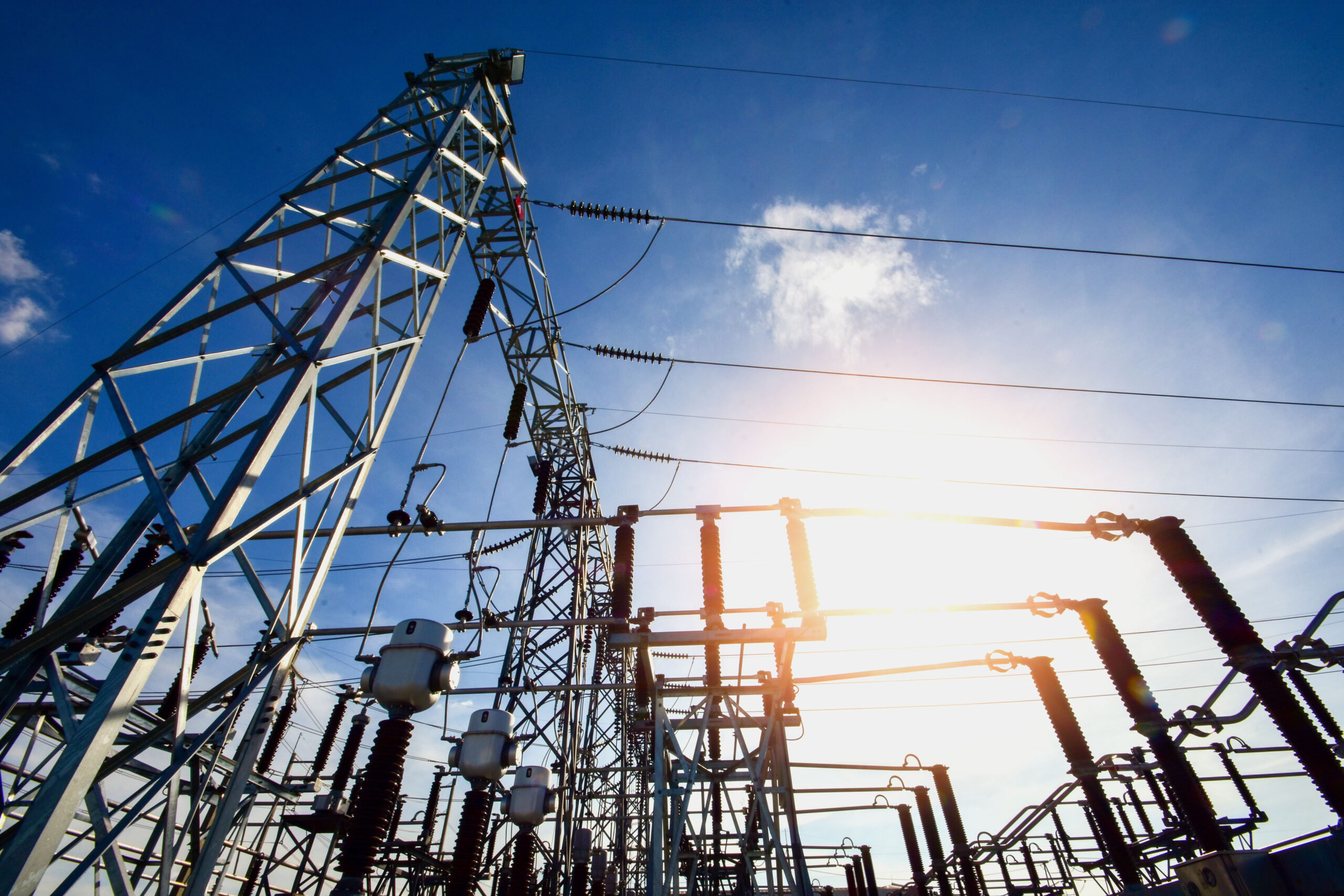
Planning information places the storage system close to an existing switchyard, with connection through the site’s 13.8kV infrastructure supplied by 115kV/13.8kV transformers. Battery modules feed power conversion equipment that turns DC electricity from the cells into AC electricity compatible with the plant network.
Protection and controls coordinate those power flows with normal manufacturing demand. During charging, the battery increases consumption unless solar or another source offsets it; during discharge, it reduces the net power imported from the grid. Both modes have to remain within the thermal and protection limits of the existing electrical system.
The approximately 6MW of solar capacity reduces grid demand during periods of photovoltaic output and uses more than 30 acres of previously underused industrial land. Solar and storage are complementary but cannot be treated as a continuously available 22MW power source because solar output varies and the battery can only return energy previously stored.
Wafer fabrication also places strict limits on the type of energy intervention that can be used. Pumps, process equipment and cleanroom systems depend on stable electricity, so demand management has to occur without introducing disturbances into manufacturing operations.
The project is not a complete microgrid capable of sustaining the fab indefinitely after separation from the utility system. Autonomous operation would require sufficient generation, grid forming controls, revised protection arrangements and an architecture designed specifically for islanding.
Lightshift lists the battery as operational from summer 2026, while GlobalFoundries formally marked completion of the broader solar and storage programme on 5 October. The developer describes it as Vermont’s largest battery installation.
Behind the meter storage offers industrial sites a way to reshape peak demand without moving the underlying manufacturing process, while onsite solar can reduce part of the daytime load using land already controlled by the facility.
GlobalFoundries will still depend on a strong external grid, but the 16MW/52MWh battery and approximately 6MW of solar now give the Essex Junction site more control over when part of that electricity has to be supplied from outside the campus.