IN Brief:
- Danske Bank is providing €55 million of non-recourse construction financing to FuturEnergy Ireland.
- Schroders Greencoat has agreed a forward purchase of a 25% interest in the wind farm.
- The development will incorporate 12 Nordex turbines as part of an approximately €120 million construction programme.
FuturEnergy Ireland has secured €55 million of construction financing for the Drumnahough wind farm in County Donegal, alongside an agreement for Schroders Greencoat to acquire a 25% interest in the development.
The non-recourse financing facility from Danske Bank will support FuturEnergy Ireland’s investment during construction of the 58 MW project, which it is developing jointly with SSE Renewables.
The agreed forward sale represents the first transaction under a wider arrangement between FuturEnergy Ireland and Schroders Greencoat covering the development and financing of renewable electricity generation projects across Ireland.
Construction of Drumnahough began in January 2026, following preliminary works undertaken towards the end of 2025. SSE Renewables is leading delivery of the installation, with the completed development representing an anticipated investment of approximately €120 million by the project partners.
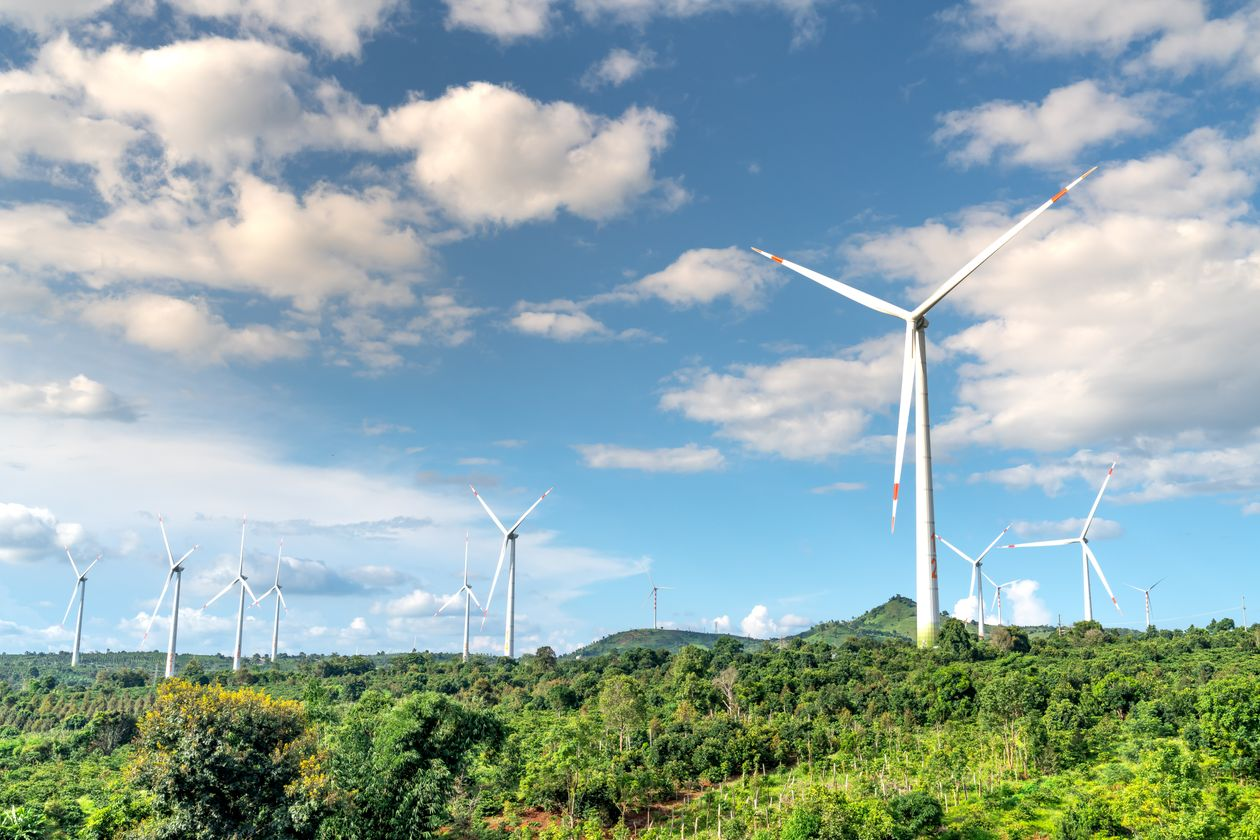
Located in rural upland Donegal, near Letterkenny, the wind farm will incorporate 12 Nordex N133/4.8 turbines. Their individual generating capacity of 4.8 MW gives the installation an aggregate turbine rating of 57.6 MW.
Nordex secured the equipment supply and installation agreement in November 2025, establishing the generating technology around which the developers could progress detailed engineering, civil works, and electrical infrastructure design.
The latest financing agreement concerns FuturEnergy Ireland’s participation in the development rather than the entire construction cost of the wind farm. Non-recourse project financing generally relies on the assets, contractual rights, and expected revenues associated with the financed investment, limiting lenders’ ability to recover funds from the wider sponsoring business.
Such arrangements place considerable emphasis on the project’s ability to reach commercial operation and generate the electricity revenues anticipated within its financial assessments. Equipment procurement, construction progress, network connection arrangements, and the distribution of contractual responsibilities can all affect that position.
Drumnahough secured support through Ireland’s fourth Renewable Electricity Support Scheme (RESS) auction in 2024. The developers’ successful bid originally covered approximately 60 MW of proposed capacity, with the subsequent turbine selection establishing the approximately 58 MW generating configuration now under construction.
The support scheme provides eligible renewable projects with a mechanism intended to reduce their exposure to wholesale electricity price fluctuations. It does not remove the technical and construction risks associated with delivering an operational generating installation, and revenue remains dependent on eligible electricity production.
Coordinating turbine installation with the delivery of electrical infrastructure is particularly important in maintaining the construction programme. Wind turbine foundations and access roads must be completed ahead of major equipment deliveries, while electrical collection circuits and network connection infrastructure must be available before the installation can begin exporting electricity.
Onshore wind farms typically connect individual turbine transformers through medium-voltage collection circuits, with electricity transferred to a central substation before entering the wider network. The final configuration at Drumnahough will depend on the connection voltage, turbine locations, and equipment specifications established during detailed engineering.
The electrical collection system must accommodate the combined generating output of the turbines, while its protection arrangements need to isolate faults without unnecessarily interrupting electricity exports from unaffected sections of the installation.
Cable route lengths, installation conditions, and the electrical characteristics of the generating equipment influence conductor sizing and protection design. Construction teams must also coordinate cable installation with other civil works to avoid damage to completed infrastructure during subsequent turbine deliveries.
Commissioning involves establishing the correct operation of individual generating units and the associated electrical systems before demonstrating the performance of the completed wind farm. Protection testing, communications verification, and the assessment of active and reactive power control form part of the wider electrical acceptance process.
Ireland’s increasingly renewable electricity system places additional emphasis on the ability of generating installations to operate within network security requirements. The capacity of wind farms to maintain their required electrical response during disturbances and comply with dispatch instructions influences the conditions under which they can export power.
Drumnahough is being developed near the existing 30 MW Lenalea wind farm, which SSE Renewables and FuturEnergy Ireland brought into operation in late 2023. The geographical concentration of projects reflects the availability of suitable wind resources, although new developments must establish their own connection and operating arrangements.
FuturEnergy Ireland, established by state-owned forestry company Coillte and electricity utility ESB, has pursued several developments through partnerships with other renewable energy companies. Its arrangement with Schroders Greencoat introduces a further route for securing investment in projects progressing towards commercial operation.
The forward sale of the Drumnahough interest establishes an agreed future equity transaction rather than confirming that the ownership transfer has already been completed. The Danske Bank facility, meanwhile, will support the company’s funding requirements during construction.
With the main construction programme and turbine procurement already under way, the immediate delivery priorities remain completion of the civil works, generating equipment installation, electrical connections, and commissioning required to bring Drumnahough into operation.