IN Brief:
- The companies intend to cooperate on utility-scale photovoltaic construction over a three-year period.
- The proposed development programme includes former peat production sites.
- The partnership combines renewable energy development, construction, and electrical infrastructure capabilities.
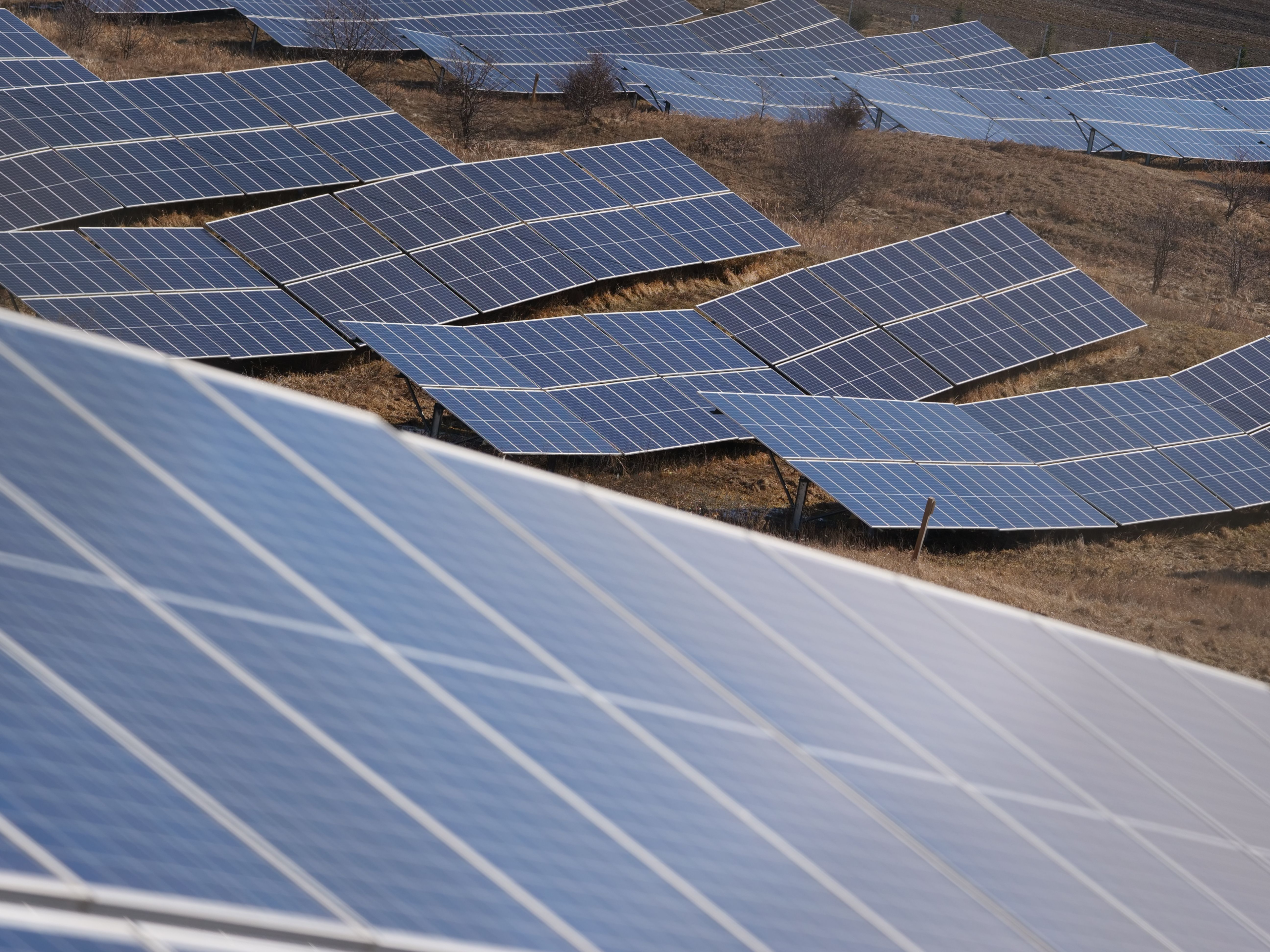
Solarigo Systems, Wisol, and Ensto Maviko have signed a letter of intent to cooperate on the construction of utility-scale solar power plants in Finland, targeting a combined development programme of 461 MWp between 2027 and 2029.
The proposed partnership brings together renewable energy development, construction, and electrical infrastructure expertise, with the companies intending to coordinate the delivery of multiple photovoltaic installations over a three-year period.
The programme includes the redevelopment of former peat production areas, where the cessation of extraction activities has created opportunities for alternative land uses. Converting these sites into generating assets requires careful consideration of ground conditions, drainage, construction access, and electricity network availability.
Solarigo develops, constructs, and operates photovoltaic installations, while Wisol contributes renewable energy construction expertise. Ensto Maviko will bring electrical engineering and infrastructure capabilities to the collaboration.
The letter of intent establishes a preliminary basis for cooperation rather than a construction contract committing the companies to deliver the entire 461 MWp portfolio. Individual projects will remain dependent on their respective development, investment, and electricity connection arrangements.
Coordinating construction across multiple developments could allow the companies to establish common approaches to equipment procurement, electrical design, and installation. However, the former use of the proposed sites for peat extraction introduces engineering requirements that may limit the extent to which individual construction designs can be replicated.
Organic soils can exhibit considerable variation in bearing capacity and settlement behaviour. Geotechnical assessments will therefore influence the selection of foundations for photovoltaic mounting structures and the supporting infrastructure required for electrical equipment.
Differential settlement can affect module alignment and introduce mechanical loads at cable and equipment interfaces. The foundations supporting transformers and other relatively heavy equipment may also require different engineering solutions from those used for the photovoltaic mounting structures.
Drainage and construction access must be considered alongside those structural requirements. Heavy equipment deliveries and maintenance vehicles need suitable access routes, while changes in groundwater conditions can alter the behaviour of the underlying soils.
Finland’s climate creates additional design considerations. Mounting structures must accommodate expected snow and wind loads, while the inclination and spacing of photovoltaic modules influence electricity generation, snow accumulation, and access for maintenance.
Seasonal temperature variation also affects electrical system design. The open-circuit voltage of photovoltaic modules increases at lower temperatures, requiring string configurations to be selected against the maximum permitted input voltage of the inverter and other connected equipment.
Collection circuits, cable terminations, and auxiliary systems must remain suitable for the environmental conditions encountered throughout the year. Their installation arrangements will depend on local ground conditions, cable routes, and the thermal performance required under anticipated electrical loading.
The proposed portfolio’s 461 MWp rating describes the combined nominal direct current capacity of the photovoltaic modules under standard test conditions. Its alternating current export capability will be determined separately through inverter selection and the connection arrangements established for individual developments.
The distinction between generating equipment capacity and network export capacity becomes particularly important where multiple developments are proposed within the same region. A distribution or transmission network may be capable of accommodating individual installations but require reinforcement when several projects seek to connect simultaneously.
Grid connection studies assess these cumulative effects alongside voltage regulation, power quality, protection requirements, and the response of generating equipment to network disturbances.
Electrical infrastructure procurement will therefore need to reflect the connection conditions established for each site. While common equipment specifications can simplify manufacturing and installation, differences in connection voltage, network capacity, and protection arrangements may necessitate changes to otherwise similar generating plants.
A coordinated construction programme could nevertheless improve visibility of future requirements for transformers, switchgear, inverters, mounting structures, and specialist installation services. Suppliers would be better placed to plan production schedules and allocate engineering resources across successive developments rather than respond independently to each project.
Repeated electrical configurations can also simplify commissioning and subsequent maintenance, particularly where contractors can use consistent testing procedures, equipment documentation, and replacement components across a portfolio.
The extent of those benefits will depend on how individual projects progress through development and the degree of standardisation achievable across their electrical and civil engineering requirements.
Solarigo, Wisol, and Ensto Maviko are targeting construction between 2027 and 2029. Individual investment decisions, confirmed electricity connections, and construction contracts will determine how much of the proposed 461 MWp programme can be delivered within that period.