IN Brief:
- Spain’s Royal Decree 1032/2026 generally applies to data-centre grid access capacity of at least 10MW.
- The standard rule requires 80% hourly renewable matching, with an alternative phased route for qualifying flexible sites.
- Pending access requests face a three-month compliance period, while permitted but unconnected sites generally have six months.
Spain’s government has adopted new conditions for large data centres seeking electricity network access, including requirements for renewable power supply, energy efficiency and operational resilience. Royal Decree 1032/2026, dated 20 November and published in Spain’s official gazette on 21 November, generally requires qualifying centres to demonstrate that renewable generation covers at least 80% of their electricity use in each hour. The decree also establishes transitional and alternative routes to compliance, so the hourly requirement does not apply identically to every development from the outset.
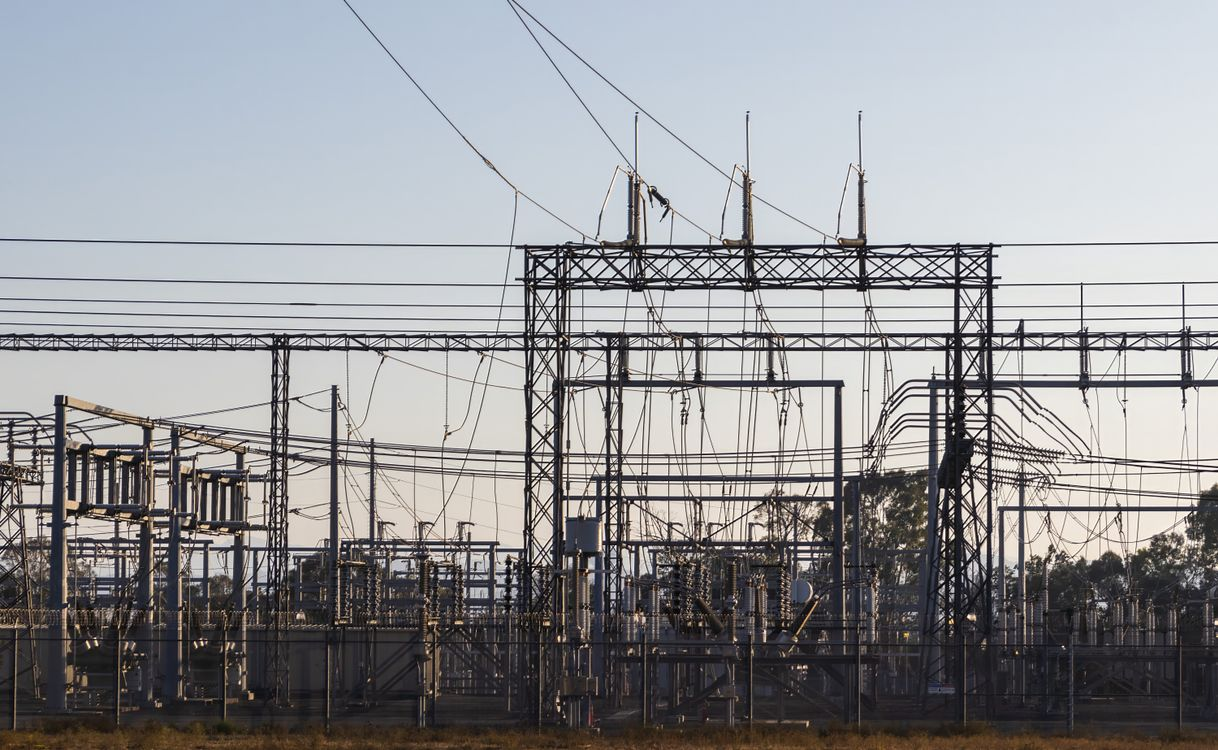
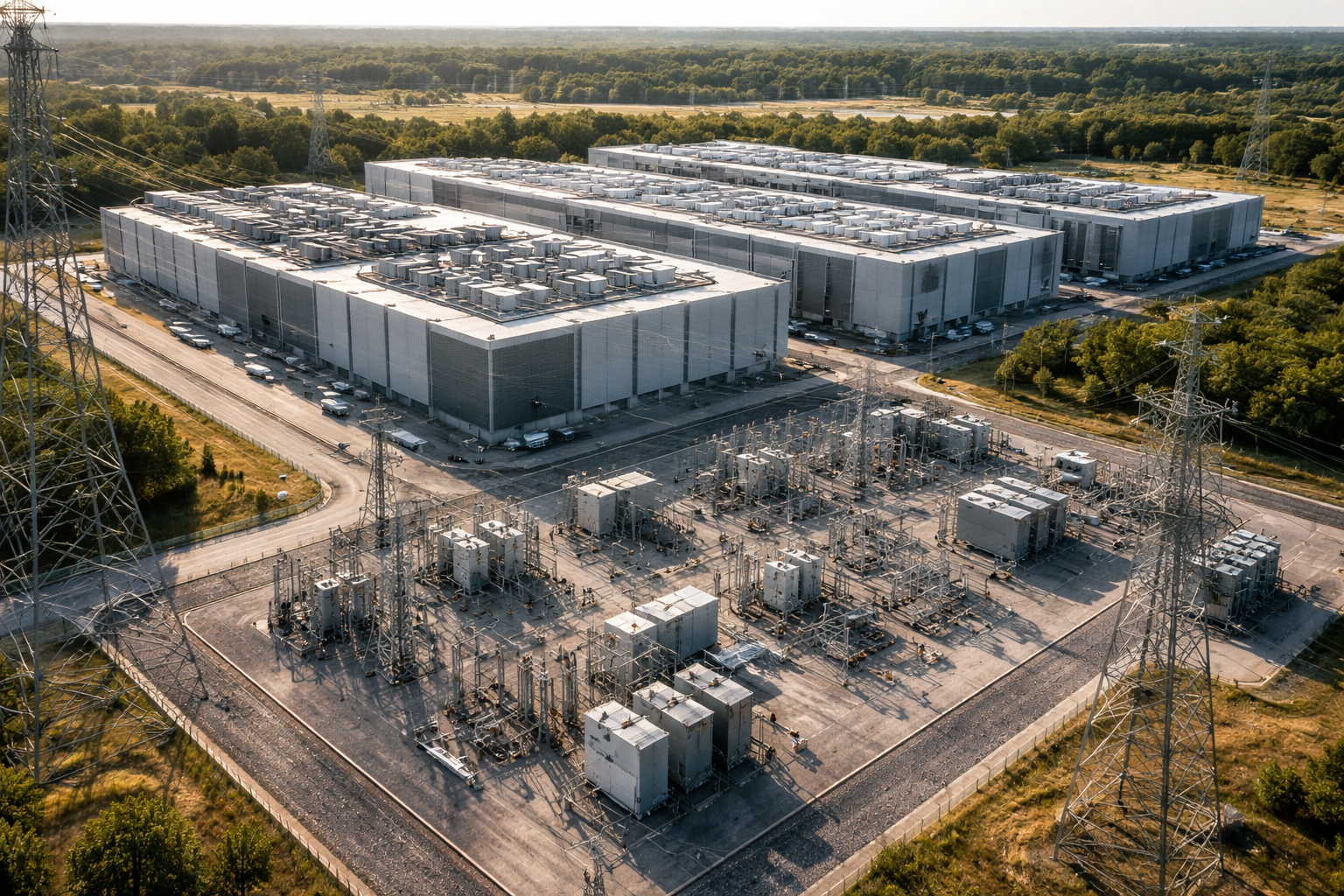
The main network-access provisions cover data centres with at least 10MW of requested grid capacity, including groups of facilities with common ownership at the same location whose combined capacity reaches that threshold. The measure excludes specified defence, civil protection and public security facilities, while information-reporting requirements extend to some smaller sites. Applications still awaiting a connection decision fall within the new regime, as do projects that hold access permits but have not physically connected. This brings projects already in development into the compliance process rather than restricting the rules to newly proposed facilities.
Under the standard hourly-correlation rule, renewable generation must back at least four-fifths of the electricity consumed by a data centre in each individual hour. Operators may use qualifying self-consumption arrangements, long-term renewable power purchase agreements and eligible storage, with the relevant generation and consumption measured and accounted for at matching intervals. The requirement concerns the verified timing and origin of electricity production, not the physical separation of electricity delivered through a shared grid. A certificate covering an equivalent annual quantity cannot, by itself, demonstrate matching in each hour.
An installation with continuous demand can buy sufficient renewable electricity over a calendar year and still draw heavily on the grid during hours when contracted wind or solar output is low. Hourly matching therefore connects electricity procurement more closely with generating profiles, forecasting, interval metering and potential energy storage. A five-year alternative route allows qualifying facilities to meet progressively phased correlation requirements if they join Spain’s automatic power reduction system and can reduce consumption when instructed to protect grid security. The route has defined participation conditions and applies to eligible installations entering operation before the end of 2030.
Additionality requirements also govern the renewable facilities used to support the demand. In general, qualifying generation must have been commissioned no more than 36 months before the data centre begins operation or first uses the contracted electricity, subject to exceptions for eligible photovoltaic generation and certain other technologies or repowering arrangements. Renewable purchase contracts must meet specified traceability conditions and last at least six years. These provisions tie the electricity claim to identified generation assets, associated storage where relevant, and contractual evidence, rather than allowing an operator to rely solely on unspecified renewable certificates.
The decree also addresses power and water efficiency. Power usage effectiveness compares the electricity consumed by an entire data-centre facility with that used by its information technology equipment, capturing overheads such as cooling and electrical distribution losses. Water usage effectiveness relates water consumption to IT electricity use. Transitional arrangements set corresponding performance and verification requirements while a European labelling regime is developed, and separate provisions require energy and water information from facilities with at least 500kW of IT equipment power, regardless of the larger network-access threshold.
Network managers will assess the declarations and evidence submitted with access applications, while the electricity system operator calculates deviations from qualifying renewable coverage using recorded data. The decree introduces financial compensation for shortfalls in additionality and hourly correlation, alongside enforcement provisions established under the applicable legislation. Consequently, electricity metering, the identification of contracted generating assets and the reconciliation of hourly production and demand records become part of connection compliance. Storage can help align supply and demand, but the rules require its energy flows to be accounted for correctly.
Spain says more than 15GW of connection permissions have already been granted to data centres, a level of prospective demand that has become part of its grid planning debate. Yet a granted connection is not the same as a facility operating at the full authorised load. The decree aims to prevent new computing demand from increasing reliance on additional fossil generation without a corresponding renewable supply arrangement, while still allowing eligible projects to secure access. The regulation also intersects with the government’s newly approved investment programme for electricity transmission, although the two decisions are separate measures.
Applications that remain undecided when the decree takes effect have three months to establish the required compliance, subject to the stated notice and hearing process. Projects with granted connection permits but no completed electrical connection generally have six months to demonstrate compliance, with a separate treatment of digital-security provisions. Qualifying developments should therefore distinguish their formal permit status, the date of physical connection and the route chosen for renewable matching. For new sites, the engineering programme now extends beyond transformers and backup systems to auditable energy procurement, interval data, potential storage and any controls needed for automatic demand reduction.