IN Brief:
- The Leopoldshöhe battery has a rated power output of 56 MW and energy capacity of 125 MWh.
- Fluence SmartStack equipment will connect through Bielefelder Netz’s Bechterdissen 110 kV substation.
- Voltwise expects the site to begin operation in the second half of 2027.
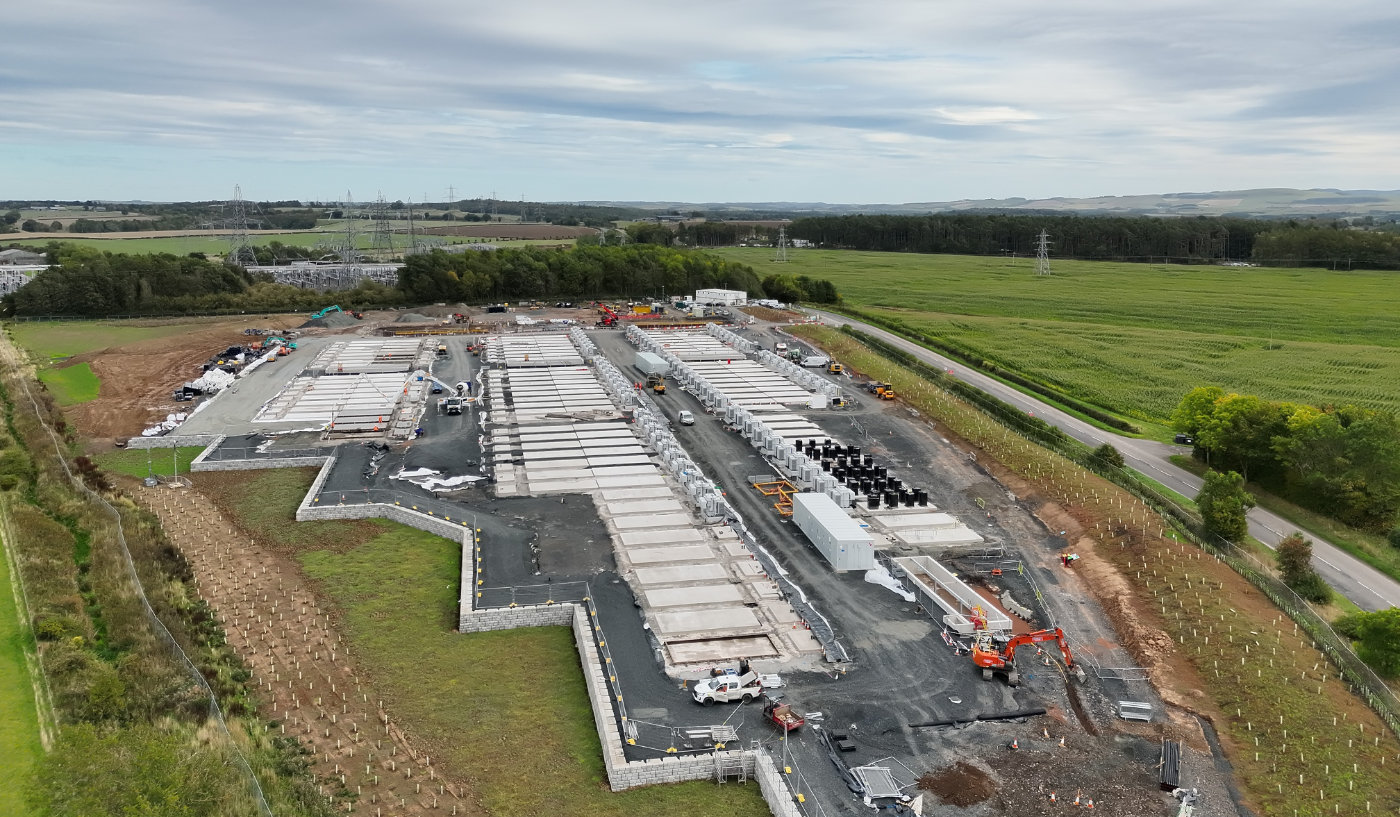
Voltwise has begun building a 56 MW/125 MWh battery storage installation in Leopoldshöhe, North Rhine-Westphalia, marking the UK developer’s first large-scale project of this kind in Germany. Construction was marked by a groundbreaking ceremony on 19 November. The Lippe district facility is scheduled to enter operation in the second half of 2027, subject to completion of the electrical works, testing and commissioning.
The project will use Fluence SmartStack battery equipment, with a connection to the 110 kV network through Bielefelder Netz’s Bechterdissen substation. The planned facility occupies about 4,000 square metres. Project information also identifies a fire water tank and a four-metre noise barrier among the site provisions. The developer has not released a more specific operational date within the second half of 2027.
The 56 MW figure describes the plant’s rated electrical output, while 125 MWh represents its energy storage capacity. Dividing one by the other gives a nominal full-power duration of approximately 2.23 hours. That calculation describes the relationship between the published ratings, rather than the guaranteed energy a customer or grid operator could receive. Conversion losses, operating reserves, state of charge and any dispatch restrictions will affect the useful output available during individual operating periods.
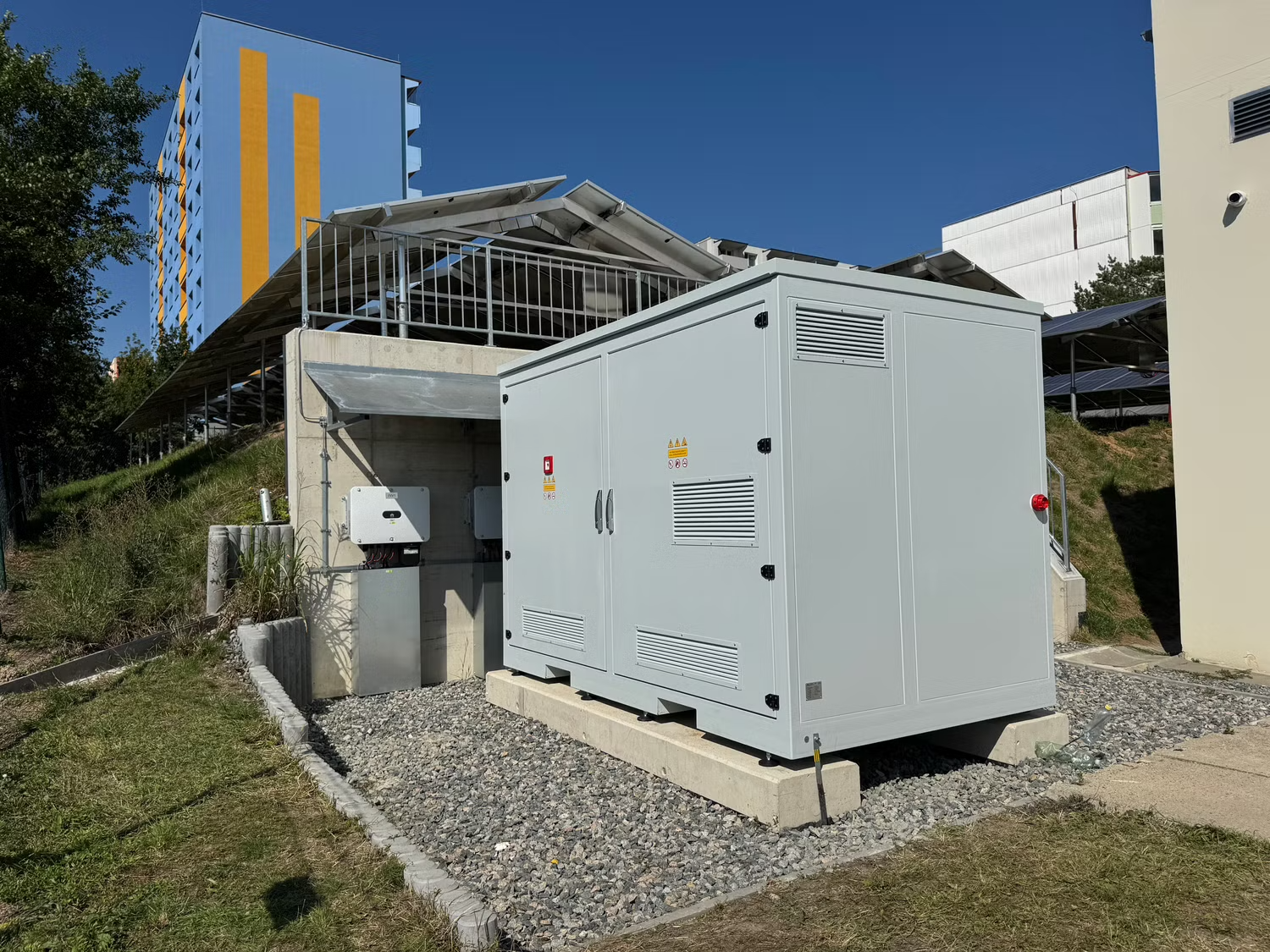
Fluence’s AC-based SmartStack architecture brings the battery storage and power conversion functions together in modular blocks. Electricity is held in the cells as direct current, while the connected network operates with alternating current, so bidirectional conversion equipment must control charging and discharge. Transformers, switchgear, protection devices and monitoring systems then form part of the wider electrical interface. Voltwise has not published the number of blocks to be installed or a detailed single-line electrical design for the site.
Connecting a 56 MW facility at 110 kV involves more than providing sufficient export capacity. Its electrical interface must be designed for charging as well as discharging, with suitable protection coordination and operating limits for both directions of power flow. The network operator also has to consider voltage behaviour, fault contribution and dispatch conditions when evaluating how a storage installation will interact with other users. The choice of Bechterdissen as the proposed connection point gives the project a defined network interface, but does not establish that grid energisation has already taken place.
Battery operation can be scheduled for different system conditions, but the available project information does not identify a committed trading or balancing service contract. The asset could in principle charge when electricity is relatively abundant and discharge during periods of higher demand, with the actual operating programme constrained by its state of charge and network agreement. Participation in ancillary services would also depend on technical qualification and the associated control and metering requirements. None of those potential uses establishes a guaranteed revenue stream for the Leopoldshöhe project.
Voltwise must complete foundations, cable installation, protection testing and grid energisation before the Leopoldshöhe battery can enter service. The specified fire water tank provides for emergency response infrastructure, while a four-metre noise barrier is intended to reduce the acoustic impact on nearby properties. Transformers and supervisory controls must also be tested against the 110 kV connection requirements. The developer has not disclosed project-specific performance specifications for either the water tank or the barrier, and the site area alone does not establish the final equipment layout.
The project extends the German presence of a UK-based storage developer at a time when electricity networks are accommodating increasing amounts of variable wind and solar generation. Energy storage can absorb electricity in some periods and return it during others, but the electrical value of each site depends on its location and connection arrangements rather than storage capacity alone. At Leopoldshöhe, dispatch will also be constrained by the 56 MW power rating, the usable energy remaining in the cells and the requirements of Bielefelder Netz. Voltwise has not published a firm operating profile, so output during particular hours cannot yet be inferred from the equipment ratings.
Leopoldshöhe gives Voltwise a first German construction project rather than an operating German battery fleet. The next verifiable milestones are completion of the storage installation, its 110 kV interface and commissioning tests. Commercial operation remains targeted for the second half of 2027, when the project’s actual dispatch capabilities and operating arrangements can be assessed against the published ratings. The developer has not specified the asset’s annual cycling expectations, contracted availability or dispatch restrictions; those details will determine its practical use once it has connected to the network.