IN Brief:
- At least 25 million kilometres of new power lines and 15 million kilometres of upgrades or replacements will be needed over the next decade.
- Under the IEA's Current Policies Scenario, annual grid investment averages US$585 billion to 2035, up 75% from the previous decade.
- Storage, demand response, grid-enhancing technologies, and secure equipment supply chains will become increasingly important to electricity system reliability.
At least 25 million kilometres of new power lines and 15 million kilometres of existing networks requiring replacement or upgrades will be needed worldwide over the next decade, according to the International Energy Agency (IEA)‘s World Energy Outlook 2026.
Published on 19 November amid severe disruption to oil and gas supplies through the Strait of Hormuz, the outlook reflects a growing strategic emphasis on electricity. Electrification can reduce dependence on imported fuels, but it also requires substantial network investment as consumption increases and power systems become more complex.
Electricity demand rises by more than 10,000 terawatt-hours (TWh) between 2025 and 2035 under both the IEA’s Current Policies Scenario (CPS) and Stated Policies Scenario (STEPS). Its share of final energy consumption increases from 23% in 2025 to almost 30%, while global peak electricity demand grows by approximately 40%. The IEA estimates that electricity already underpins economic activity representing more than 45% of the global economy, rising to around 55% by 2035.
These are outcomes under specified policy and market assumptions, rather than unconditional forecasts. The detailed STEPS assessment projects 26 million kilometres of new lines and around 16 million kilometres of refurbishment or replacement by 2035, compared with the rounded minimum requirements cited in the report’s executive summary.
Network investment and material supply
Existing electricity networks extend for more than 85 million kilometres, having grown by 20 million kilometres over the preceding decade. More than 90% of those additions were in lower-voltage distribution systems, which deliver electricity from higher-voltage networks to consumers. Distribution expansion remains central as electric vehicles, heating equipment, and new industrial loads add connections and increase demand on local networks.
Most additional lines are needed in emerging market and developing economies, where electricity consumption and access continue to grow. In advanced economies, the CPS projects five million kilometres of network additions by 2035, compared with two million kilometres over the preceding decade, alongside refurbishment of ageing assets. In the European Union, electricity’s share of final energy consumption rises from 24% to 32% under STEPS as transport, heating, and industry electrify.
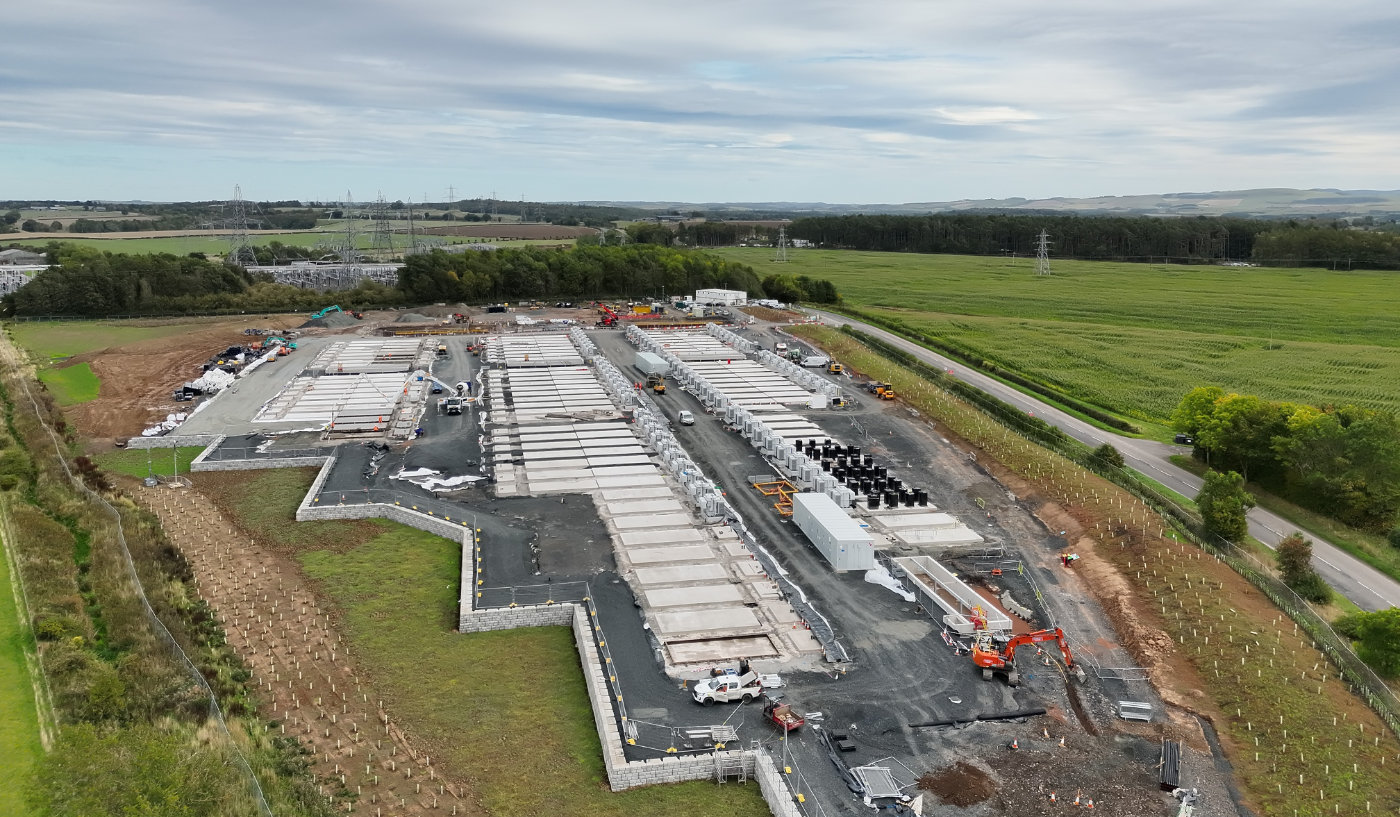
Major transmission lines can take five to 15 years to plan, permit, and build, against one to five years for renewable generation projects, the IEA finds. Where networks fall behind, new generation and large electricity users may face connection delays, while congestion can force some renewable output to be curtailed.
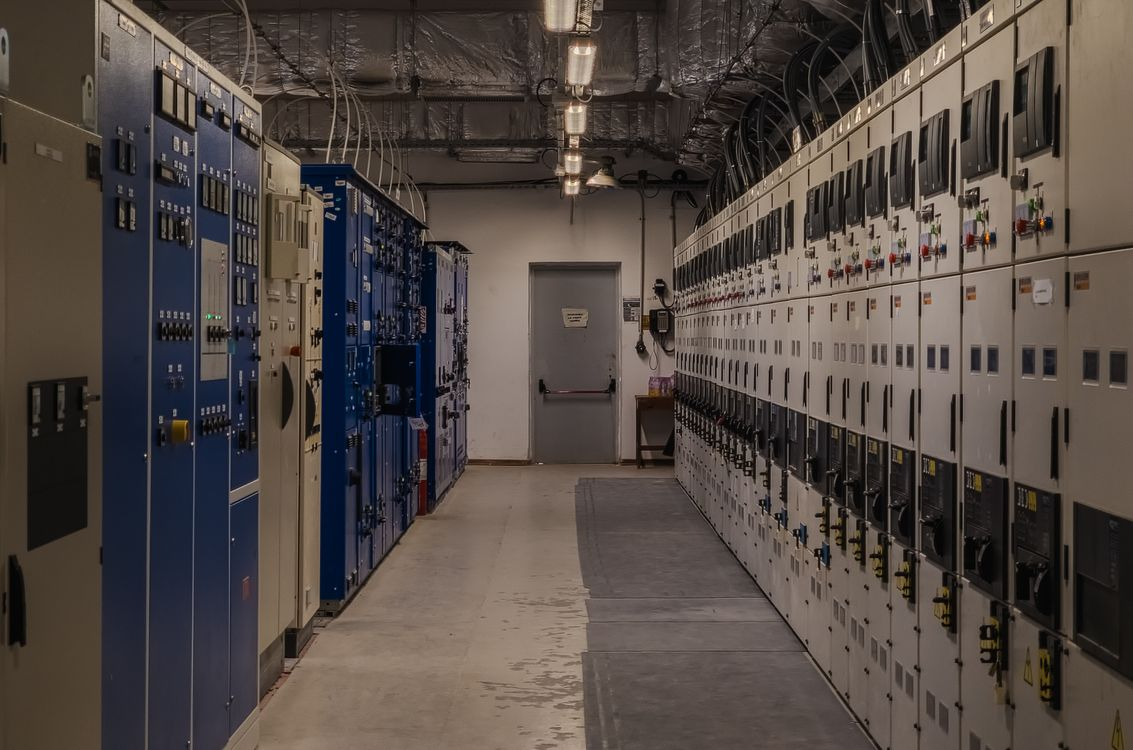
In the CPS, average annual transmission and distribution investment reaches US$585 billion over the period to 2035, 75% above the previous decade. The work requires transformers, switchgear, cables, and specialist installation capacity, with lead times and equipment availability influencing how quickly approved investment becomes operational infrastructure.
Network expansion also faces a raw material constraint: the IEA identifies a potential 25% gap between projected primary copper requirements and expected supply from existing and announced mining projects by 2035 under STEPS. The shortfall is conditional on the current project pipeline and could change with additional production, recycling, and demand developments.
Joachim Braun, Global Division President of ABB‘s Process Industries division, argues that mining productivity must improve while new capacity is developed. “Higher recovery means more saleable metal from the same ore. Greater equipment availability will increase throughput.”
Braun points to electrification, automation, digitalisation, condition monitoring, and predictive maintenance as means of reducing interruptions and improving recovery at operating mines. Those measures cannot replace new projects, but they offer scope to increase output from facilities that already have extraction infrastructure and established routes to market. Copper availability will affect electrical manufacturing well beyond power lines, including transformers and other equipment needed for network reinforcement.
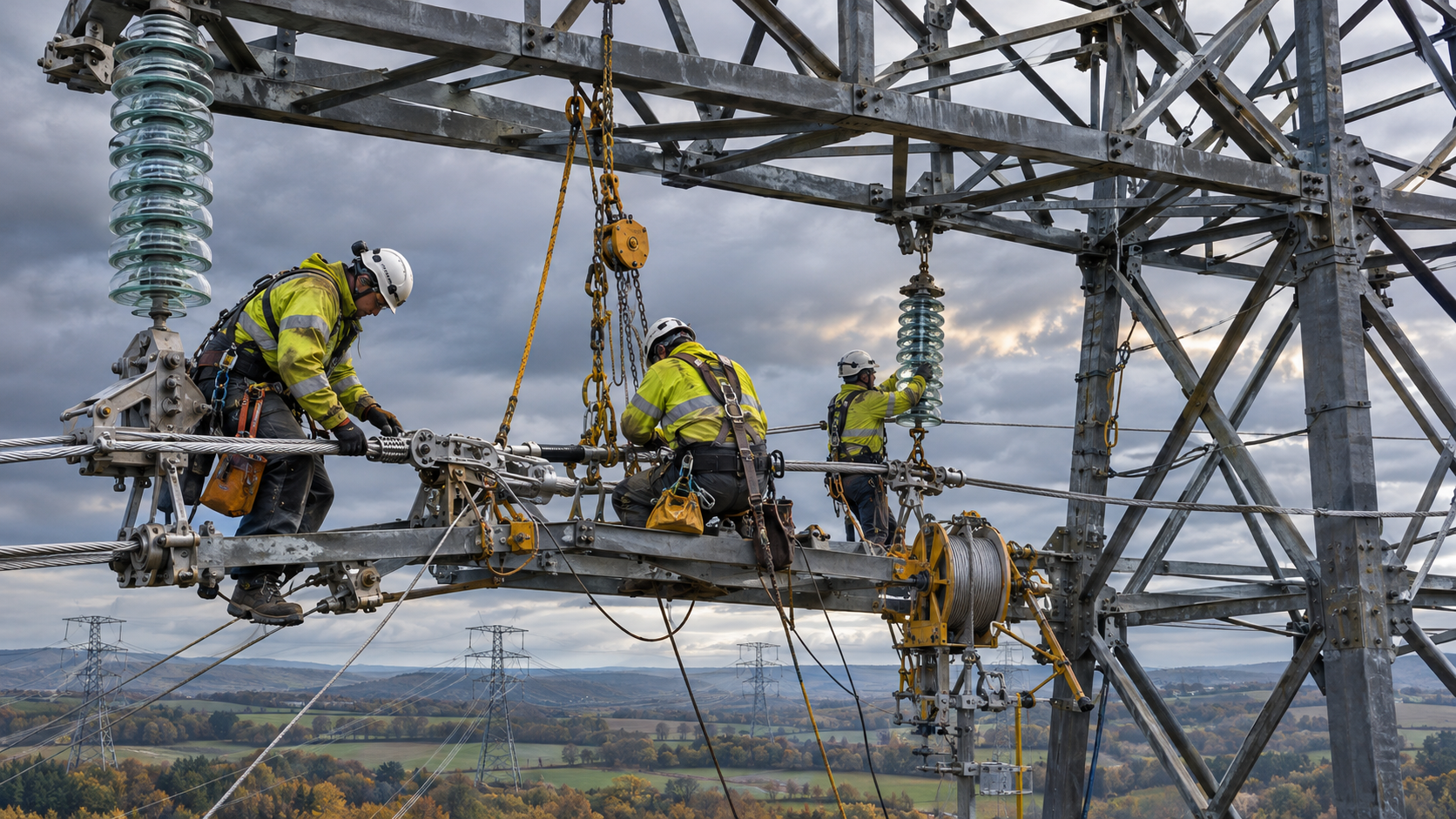
While new lines are developed, grid operators can increase the capacity of existing assets. Dynamic line rating uses monitored operating and weather conditions to assess the current carrying capacity of conductors, while reconductoring replaces existing conductors to improve line performance. Alongside power flow control and network digitalisation, grid-enhancing technologies could release 450–700 gigawatts of additional hosting capacity, according to the IEA. Flexible connections and related measures could allow a further 750–900 gigawatts of demand to connect to existing grids, although new infrastructure remains necessary.
Balancing demand and protecting electricity supply
Changes in generation increase the demands placed on network operations and system balancing. Under STEPS, renewables supply half of global electricity generation by 2035, up from 33% in 2025, with solar photovoltaics becoming the largest individual source. Nuclear generation also grows, while gas-fired power and other dispatchable resources continue to contribute during periods of high demand or low wind and solar output.
The IEA projects that short-term system flexibility requirements will rise to between two and two-and-a-half times their present level by 2035 under CPS and STEPS. Batteries meet between 30% and 40% of those requirements and demand response around 20%, while hydropower and thermal generation remain important for longer balancing periods. Storage can shift electricity from hours of abundant supply to periods of higher demand, and responsive consumers can reduce or move consumption when networks are under pressure.
Interconnections allow systems to share generation across wider geographical areas, although reinforcement and operational coordination are required to use them effectively. The report also acknowledges that some renewable curtailment can be cheaper than building enough storage and grid capacity to accommodate every unit of production. Network and flexibility investment consequently involves choices about costs and system adequacy, rather than simply maximising installed capacity.
New electricity loads are growing rapidly and are often concentrated on particular networks. Under the CPS, additional consumption from appliances and cooling reaches about 3,500 TWh by 2035, while electric vehicles and data centres together account for a quarter of global demand growth. Under STEPS, data centre electricity consumption doubles to around 1,000 TWh by 2030; large concentrations of proposed capacity are already putting connection processes under strain in some markets.
Cooling demand can compound summer peaks, particularly during extreme heat. Electricity consumption for cooling rises by 1,700 TWh by 2035 under STEPS, and a separate IEA heatwave case adds another 700 TWh. High temperatures can increase peak loads when some generation and transmission equipment is also operating under more demanding thermal conditions, tightening the margin available to meet demand.
Natural hazards have been associated with around 3,000 major energy outages worldwide since 2022, affecting more than 850 million households and businesses, according to the IEA. It also reports more than 2,000 cyberattacks per week on energy utilities in 2025. As protection, monitoring, and control functions become more connected, network modernisation must account for the reliability and security of the operational systems on which electricity delivery depends.
Electricity generation and consumption both expand rapidly across the IEA’s scenarios, with transmission and distribution investment rising sharply to support them. New generating capacity cannot be fully used where connections are delayed or networks remain congested. With major transmission projects taking years longer than many generating assets, planning, procurement, and construction schedules will determine how quickly investment translates into reliable electricity supply.