IN Brief:
- Canadian Solar's e-STORAGE business has signed five battery supply agreements with X-ELIO, covering 590 MW/1.43 GWh DC.
- Four projects are in Texas and one is in New South Wales, with SolBank 3.0 systems, power conversion equipment and plant controls specified.
- Shipments have begun, commercial operation is expected in 2027 and 2028, and each project has a 22-year service agreement.
e-STORAGE, Canadian Solar’s utility-scale battery storage business, has signed five supply agreements with renewable energy developer X-ELIO covering a combined 590 MW of power capacity and 1.43 GWh of direct-current energy storage.
Four of the projects are located in Texas, while the fifth is in New South Wales, Australia. The agreements were confirmed on 18 November and cover integrated battery systems, power conversion equipment and plant controls, together with long-term servicing arrangements.
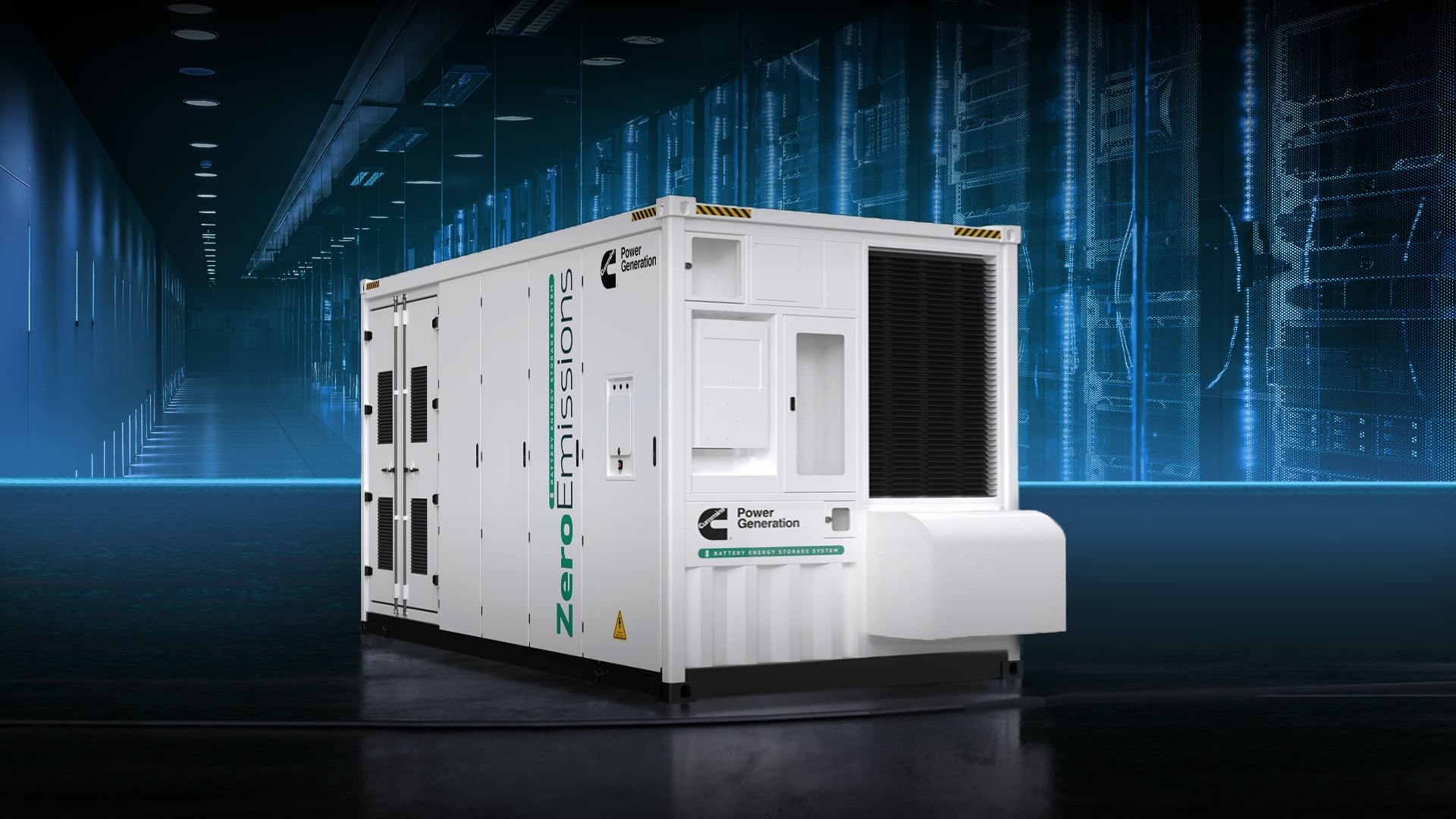
Each project will use e-STORAGE’s SolBank 3.0 battery platform and is covered by a 22-year long-term service agreement. Equipment shipments have begun, with the installations expected to reach commercial operation during 2027 and 2028.
The companies have not disclosed the individual capacity breakdown for all five projects in the corrected announcement. The aggregate 590 MW/1.43 GWh DC figure therefore establishes the combined scale of the procurement without identifying the electrical ratings of each separate site.
The agreements were announced at RE+ 2026 in Las Vegas, where representatives of the two companies marked the start of the supply relationship. X-ELIO develops renewable energy projects internationally and is owned by Brookfield.
SolBank 3.0 is a utility-scale battery energy storage platform incorporating battery cells and associated equipment within an integrated system. Canadian Solar confirmed that the cells used for the five projects are manufactured at its own facilities.
Battery energy storage systems absorb electrical energy during charging and release it during discharge. Their operation depends on electrochemical storage within the cells, together with electrical conversion, monitoring and protection equipment that allows the stored energy to be exchanged with the electricity network.
The two capacity measurements in the agreement describe different operating characteristics. The 590 MW figure represents the combined power rating of the projects, while the 1.43 GWh DC figure describes their total stated energy capacity on the battery side of the electrical conversion system.
Dividing the aggregate energy capacity by the aggregate power rating gives a nominal ratio of approximately 2.4 hours. That calculation does not establish that each of the five projects has the same discharge duration, nor does it represent the precise amount of energy available for export through their grid connections.
Usable capacity depends on the operating range permitted for the battery cells, the system’s state of charge, conversion losses and other technical limits. The alternating-current energy delivered to a grid connection will therefore differ from the stated DC storage capacity.
Power conversion systems provide the interface between the batteries’ direct-current circuits and the alternating-current electricity network. During charging, conversion equipment manages electricity entering the battery system; during discharge, it converts stored DC energy into electrical output suitable for the connected AC system.
These systems must operate within the voltage, current and frequency requirements applicable to the connection. Protection equipment monitors abnormal conditions and provides arrangements for isolating affected equipment when necessary.
Battery controls also manage the operating limits of the cells and supporting equipment. Charging and discharging rates must remain consistent with permitted battery conditions, while thermal management and equipment monitoring help maintain the installation within its specified operating range.
The supplied plant controls will coordinate operation across the integrated storage installations. They must interface with the power conversion equipment and other electrical systems while supporting the dispatch requirements established for each project.
Specific equipment and software configurations can vary between projects because connection conditions, commercial operating requirements and local electricity market rules differ. Canadian Solar has confirmed the use of SolBank 3.0 across all five sites but has not established a separate named energy management platform for any individual project in its corrected announcement.
In Texas, X-ELIO intends to use the batteries to move electricity generated during periods of strong solar production into the evening. Solar output typically declines as daylight fades, while electricity demand can remain elevated after sunset.
Charging during periods when electricity is available and discharging later allows stored energy to contribute during those higher-demand hours. The effectiveness of that operating pattern depends on available charging energy, the battery’s stored capacity and the conditions of the relevant electricity market.
The Texas projects will also need to meet the technical requirements of their grid connections. Import and export limits determine how much electricity can be transferred, while metering, communications and control arrangements support operation within the permitted conditions.
New South Wales faces a different electricity system transition as conventional generating capacity is retired and further renewable generation is developed. Battery storage can support the transfer of electricity from periods of available generation into periods when demand exceeds the output from variable renewable sources.
Storage does not create additional electrical energy, and charging and discharging involve losses. Its contribution lies in changing when electricity can be delivered, subject to the amount previously stored and the system’s operating limitations.
Both markets also require batteries to respond to changing conditions within their respective electricity networks. The ability to provide particular market or system services depends on local rules and the technical arrangements established for each installation.
The 22-year service agreements cover a period extending well beyond the initial construction and commissioning stages. Utility-scale batteries require continuing maintenance, inspection and equipment support throughout their operating lives, with particular attention to cell performance, electrical systems, cooling and controls.
Battery capacity and performance can change over time through repeated use and ageing. Operating temperatures, charging and discharging patterns and maintenance conditions influence the behaviour of the equipment, making long-term asset management an important part of the commercial arrangement.
A 22-year service agreement does not mean that every original component is guaranteed to remain installed without replacement for that entire period. The companies have not disclosed the detailed maintenance provisions, performance guarantees or component replacement obligations associated with the contracts.
e-STORAGE reported more than 23 GWh of battery energy storage solutions shipped globally by the time of the announcement. Canadian Solar also identified a contracted storage backlog worth approximately $3.5 billion as of 30 June 2026.
Those figures describe the company’s broader supply activities and are separate from the newly agreed 1.43 GWh programme. The value of the individual X-ELIO contracts and their combined contract price have not been disclosed.
Equipment deliveries have begun, but none of the five projects has been confirmed as commercially operational under the latest announcement. Installation, electrical integration, testing and commissioning must be completed before each storage system can provide its intended services.
Commissioning will involve verification of the installed battery and conversion equipment, protection arrangements, control functions and interfaces with the connected network. The programme must also establish that the complete installation can operate within the limits of its electrical design and connection agreement.
The five projects are expected to reach commercial operation during 2027 and 2028. Further construction and commissioning updates will establish when each installation becomes available and how the combined 590 MW/1.43 GWh programme progresses into operation.