IN Brief:
- Bad Bederkesa is the first of six proposed Lower Saxony battery sites to enter construction.
- The developer quotes 10 MW/25 MWh for the first plant; the state ministry quotes 10 MW/24 MWh.
- Flexible EWE NETZ connections cover the wider 120 MW/480 MWh programme, whose sites will commission separately.
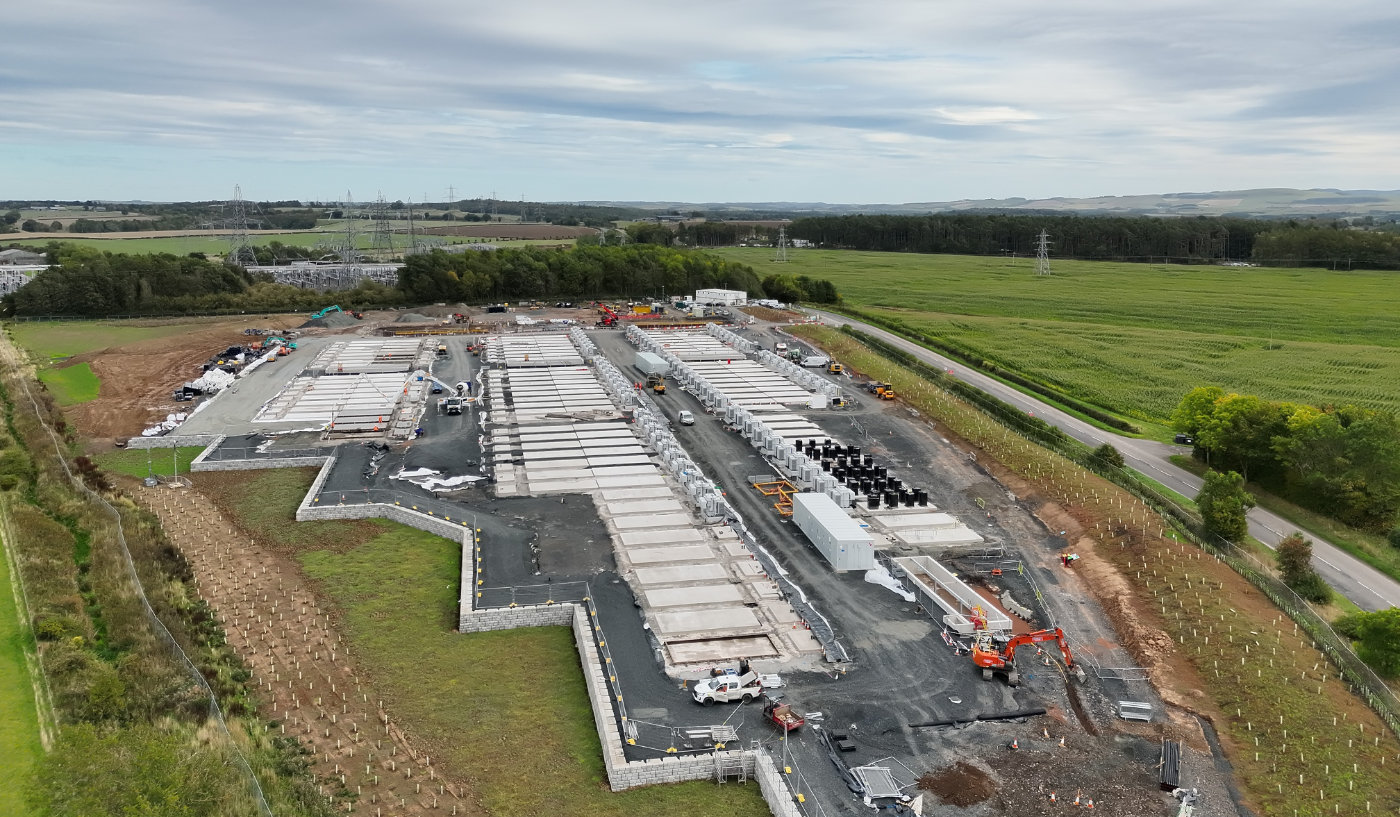
Green Flexibility has begun construction at Bad Bederkesa in Geestland, Lower Saxony, launching the first of six planned battery storage projects across the German state. The wider programme is intended to deliver around 120 MW of power and 480 MWh of storage capacity, backed by approximately €150 million of investment. Work has started at the first site; the announcement does not establish that the other five batteries are already under construction.
The developer specifies 10 MW of output and 25 MWh of storage capacity for Bad Bederkesa, while Lower Saxony’s environment ministry gives the energy capacity as 24 MWh. Both figures indicate a nominal full-power duration of roughly two and a half hours, although the source discrepancy remains unresolved. The first system is due to start operating in the second quarter of 2027. Neither figure should be confused with the proposed programme-wide total of 480 MWh.
The other five planned sites are Lindern, Hagen im Bremischen, Esterwegen, Bremervörde and Zeven. Green Flexibility identified those locations in an earlier portfolio announcement, before the construction start at Geestland. At the aggregate rating of 120 MW/480 MWh, the programme has a four-hour power-to-energy ratio, but that average does not establish the duration of every individual battery. Capacity, connection limits and commissioning dates can differ between locations; no common construction completion date has been established for all six.
Distribution network operator EWE NETZ has agreed flexible connection arrangements covering the six projects. Green Flexibility says the approach uses its REGIOlink concept to take regional network conditions into account when managing import and export. Unlike an unrestricted connection, a flexible agreement can place operating limits on a battery at times when the network is constrained. The precise contractual thresholds and any curtailment requirements for each site have not been published, so the agreements should not be interpreted as a guarantee of unconstrained dispatch.
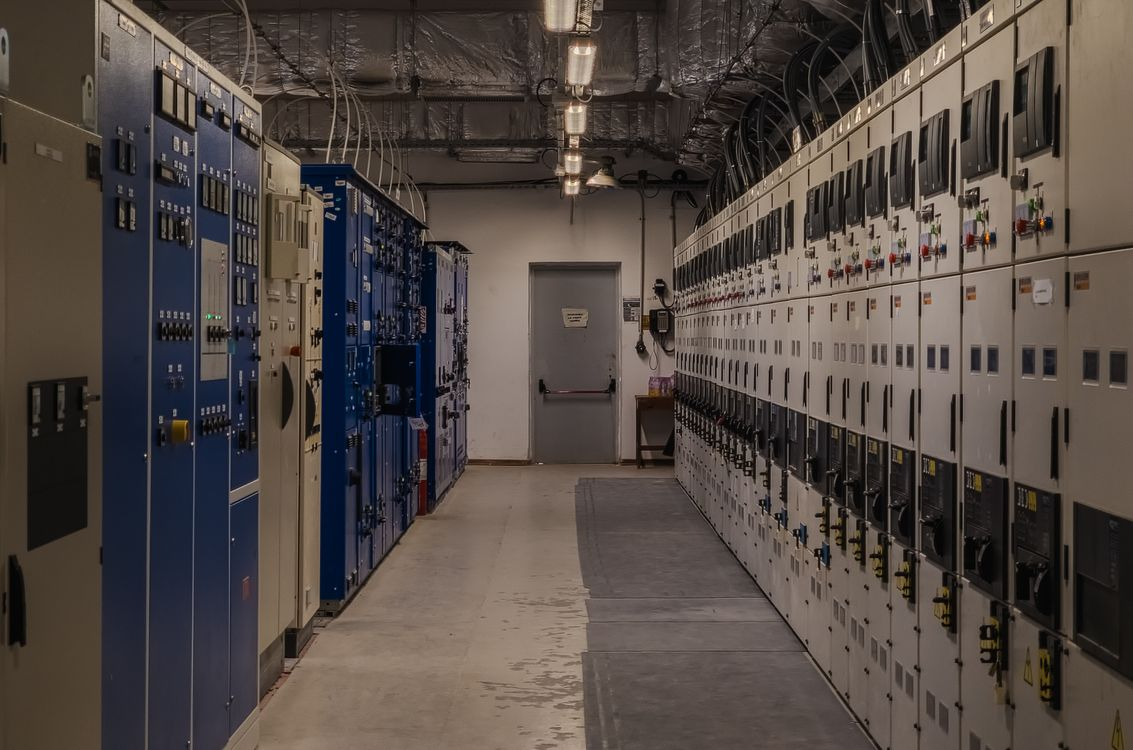
The electrical function of a battery storage facility depends on its bidirectional converters, transformer and protection arrangements as much as on the stored energy in its cells. When charging, power electronics convert grid-supplied alternating current into the direct current required by the battery. During discharge, conversion runs in the opposite direction and the equipment synchronises its output with the grid. Controls also manage state of charge, operating temperature and electrical limits, while the connection agreement determines the external conditions under which the asset can import or export.
A flexible grid connection can change the hours in which a battery is able to earn income from charging and discharging. High local generation may constrain export even when wholesale prices make discharge attractive; high demand or other network flows may constrain import at different times. Controls must coordinate the battery’s trading schedule with the agreed network limits, while maintaining protection and voltage requirements at the point of connection. The developer has described the overall concept, not a site-by-site schedule of restrictions or expected curtailment volumes.
Bad Bederkesa is now the first of the six Lower Saxony sites to progress from the September portfolio plan into physical construction. It still requires equipment installation, grid connection and testing before the targeted second-quarter 2027 operating date. Green Flexibility is separately developing a 40 MW/90 MWh installation at Obergünzburg in Bavaria, where it held an open day in November ahead of a planned December start. Obergünzburg is outside the six-site Lower Saxony portfolio.
Germany’s growing pipeline of battery projects is partly a response to the operational characteristics of a system supplied by increasing amounts of wind and solar generation. Storage can absorb power when available and return it during other periods, and suitably qualified installations can provide balancing services. The capacity of a battery to relieve a specific grid constraint, however, depends on where it is connected and how its charge and discharge schedule is controlled. Local network operating conditions remain as important as aggregate megawatt-hour figures.
The immediate delivery milestone is commissioning the 10 MW Bad Bederkesa plant in 2027. Additional operating capacity will depend on construction and energisation at the other five sites, whose combined ratings account for the remainder of the proposed 120 MW/480 MWh portfolio. The flexible EWE NETZ agreements define the approach to grid access, but do not replace the physical commissioning and operational controls required at each connection. Every installation must be tested against its local network conditions before the proposed portfolio capacity can be counted as commissioned storage.