IN Brief:
- The US Department of Energy announced approximately $967 million in additional Grid Resilience State and Tribal Formula Grant funding on 20 October.
- Funding flows to eligible states, territories and tribal entities, which select suitable resilience projects through the programme arrangements.
- Potential engineering measures include line hardening, equipment relocation, monitoring and control, and distributed resource integration; individual new project awards were not identified in the announcement.
The US Department of Energy (DOE) has announced approximately $967 million in additional funding through its Grid Resilience State and Tribal Formula Grant programme. The allocation will support electricity infrastructure improvements selected by eligible states, territories and tribal entities. The department announced the national funding figure on 20 October, while individual jurisdictions remain responsible for developing or selecting the qualifying works it will support.
The programme addresses the risk of disruptive electricity events such as storms, flooding, extreme heat and wildfires. Its purpose is to harden vulnerable equipment, improve the ability of networks to withstand damage and shorten restoration times where feasible. DOE also links the latest funding to growing electricity demand, although the announcement does not quantify a forecast reduction in outages or bills for any individual network.
Funding is distributed under a statutory formula instead of being awarded through a single national competition for a fixed portfolio of construction projects. The factors include population, land area, the probability and severity of disruptive events and previous spending on mitigation. Each eligible recipient then follows its own programme arrangements for choosing suitable projects or making sub-awards to organisations able to carry out the work.
A state or tribal body receiving an allocation may prioritise different hazards according to its geography and network condition. A hurricane-exposed coastal area could require stronger poles and substations, while wildfire-prone regions may focus on vegetation management and line protection. The decisions must be matched to the equipment that serves the local population, including the routes and substations whose failure would interrupt essential electrical loads.
Line hardening can involve replacing poles, upgrading conductors, reinforcing structures and improving maintenance regimes. Where severe weather or fire creates recurring exposure, relocating circuits or converting selected overhead routes to underground cable may reduce particular risks. The preferred intervention depends on asset condition, terrain, loading and the nature of past faults; underground cable introduces different repair requirements and can remain exposed to excavation or flooding.
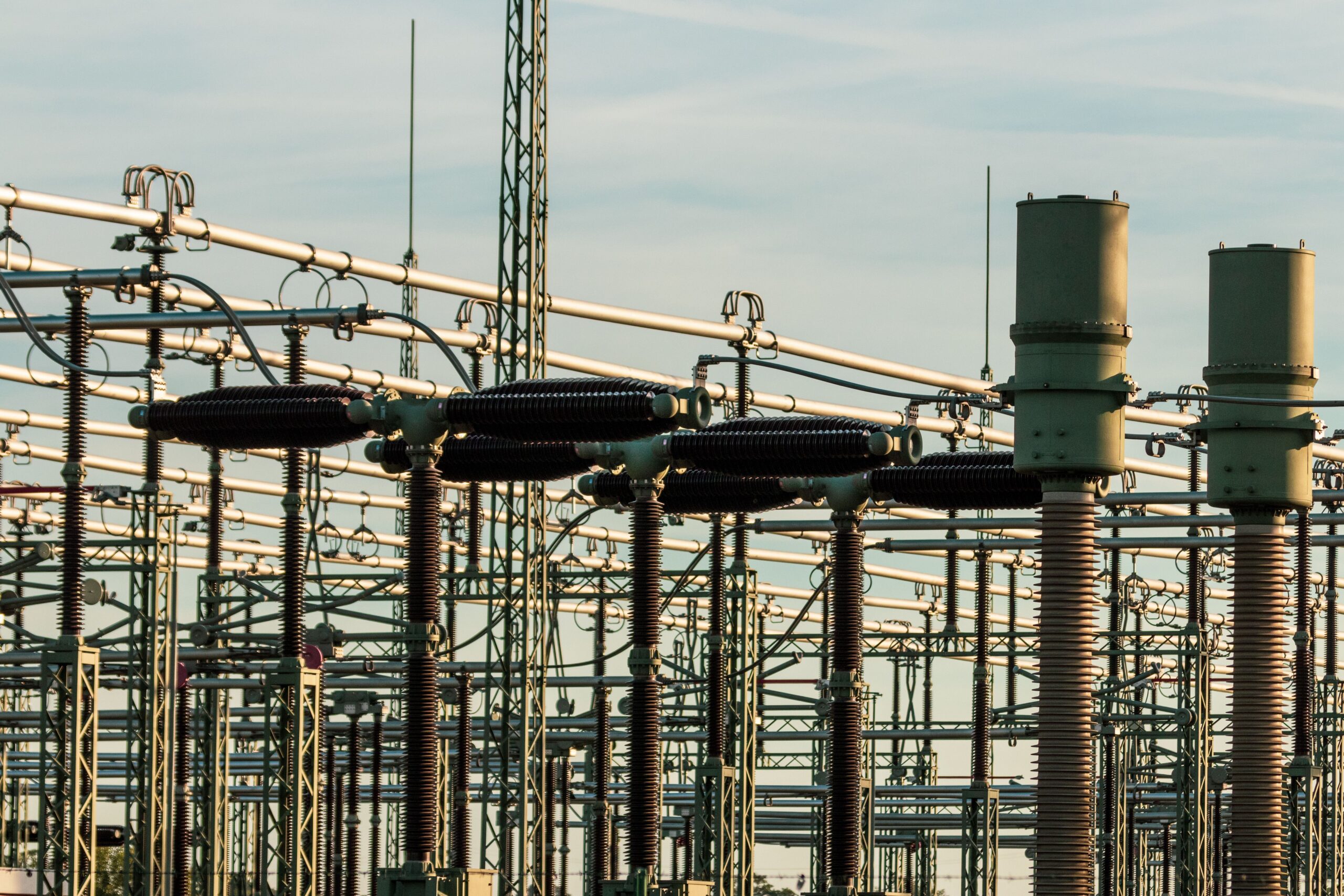
Substations and control facilities may also need physical protection. Relocation of vulnerable equipment, weather-resistant enclosures and improved access can help keep switching and transformation assets available during disruptive conditions. Engineers must consider flood levels, ventilation, cooling, spare parts and the ability of crews to reach sites after an event. Those practical details determine whether an equipment upgrade improves restoration capability beyond meeting its installation specification.
Network monitoring and control offer another route to resilience. Fault sensors, remote measurements and automated switching can allow operators to locate an interruption and restore unaffected feeders more quickly. Reliable communications, protection coordination and tested operating procedures are necessary for that equipment to work under abnormal conditions. A control installation that depends on a failed communications link may offer limited value during precisely the event it is intended to help manage.
The established grant rules also allow technologies that enable distributed resources to contribute to resilience. A local storage system or properly engineered microgrid may support designated loads when the wider network is interrupted, if switching, protection and the available energy permit safe islanded operation. Such work differs from constructing a new generating facility, which the programme excludes; large batteries must meet the programme's adaptive-capacity requirement rather than being justified solely by ordinary market trading.
Other spending boundaries are set out in DOE's published guidance. Cybersecurity measures are excluded from this formula-grant stream, although they remain important to wider electricity network operations and may be addressed through other programmes. Jurisdictions will also need to apply the grant's sub-award, matching and reporting requirements. The eligibility rules influence project scope before a local utility seeks engineering quotations or begins procurement.
The performance of resilience work is assessed differently from that of a new generating station. A stronger pole line or elevated substation can be inspected against design requirements, while the avoided cost of an outage depends on its probability, duration and the customers affected. Monitoring systems can shorten fault-location and switching work, but performance improvements require records from real events or defensible testing rather than assumptions based only on installation.
DOE's latest announcement provides a national funding envelope, leaving local recipients to allocate it across programmes appropriate to their systems. As recipients establish eligible projects, utility companies and electrical contractors may receive opportunities for equipment supply, construction and controls integration. Engineering schedules will follow those local selections and can differ according to each jurisdiction's procurement and environmental requirements.
The next identifiable steps are the publication and take-up of jurisdictional allocations, selection of funded works and delivery reporting as individual projects move through procurement and installation. The $967 million announcement therefore sets a current funding scale, while the eventual mix of lines, substations and monitoring systems will emerge from decisions closer to the networks being reinforced.