IN Brief:
- Ørsted says construction has reached completion at Iceni, its first large-scale UK battery energy storage system near Norwich.
- Iceni comprises 170 Tesla Megapacks rated collectively at 300 MW/600 MWh, with two battery areas linked by 18 medium-voltage cables.
- Final electrical work, cable termination, transformer energisation and commissioning remain on the path towards the latest Q1 2027 operating target.
Ørsted says physical construction of the 300 MW/600 MWh Iceni battery energy storage system near Norwich has reached completion, with 170 Tesla Megapacks installed alongside the onshore converter station for its Hornsea 3 offshore wind farm. The update marks a substantial construction milestone for the developer’s first large-scale UK battery. Remaining electrical installation, the preparation of its transformer for energisation and commissioning activities will determine when Iceni can begin operating on the network.
Iceni occupies two battery areas separated by the Hornsea 3 onshore converter station, rather than a single uninterrupted storage compound. Ørsted describes 18 interconnecting cables rated at 33 kV, each longer than 600 metres, which link the two sides. The layout creates additional crossings and terminations within the plant’s medium-voltage collection system, and the electrical design must coordinate both compounds at the connection point. The physical separation is a significant engineering feature, not simply an unusual site plan.
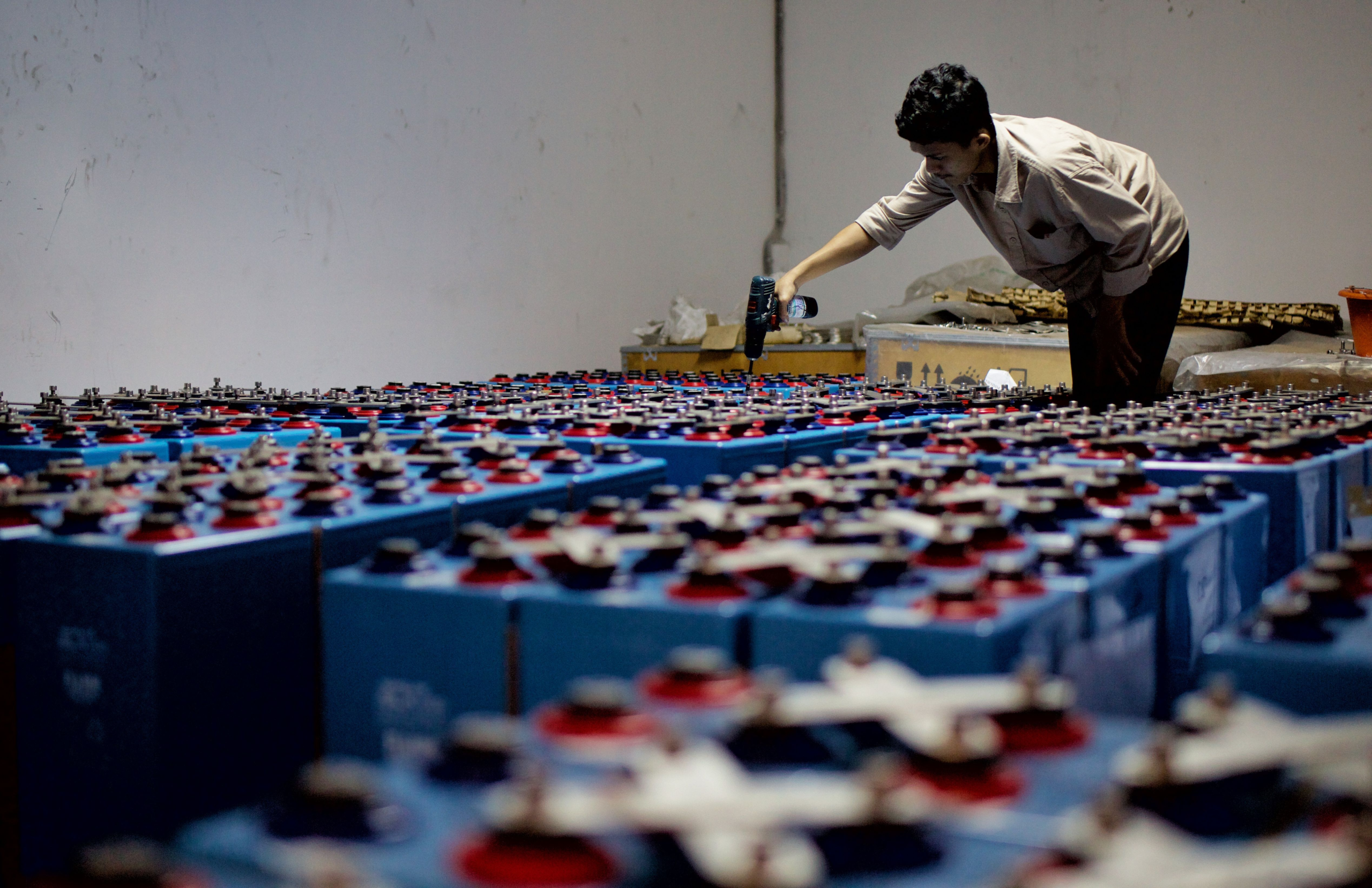
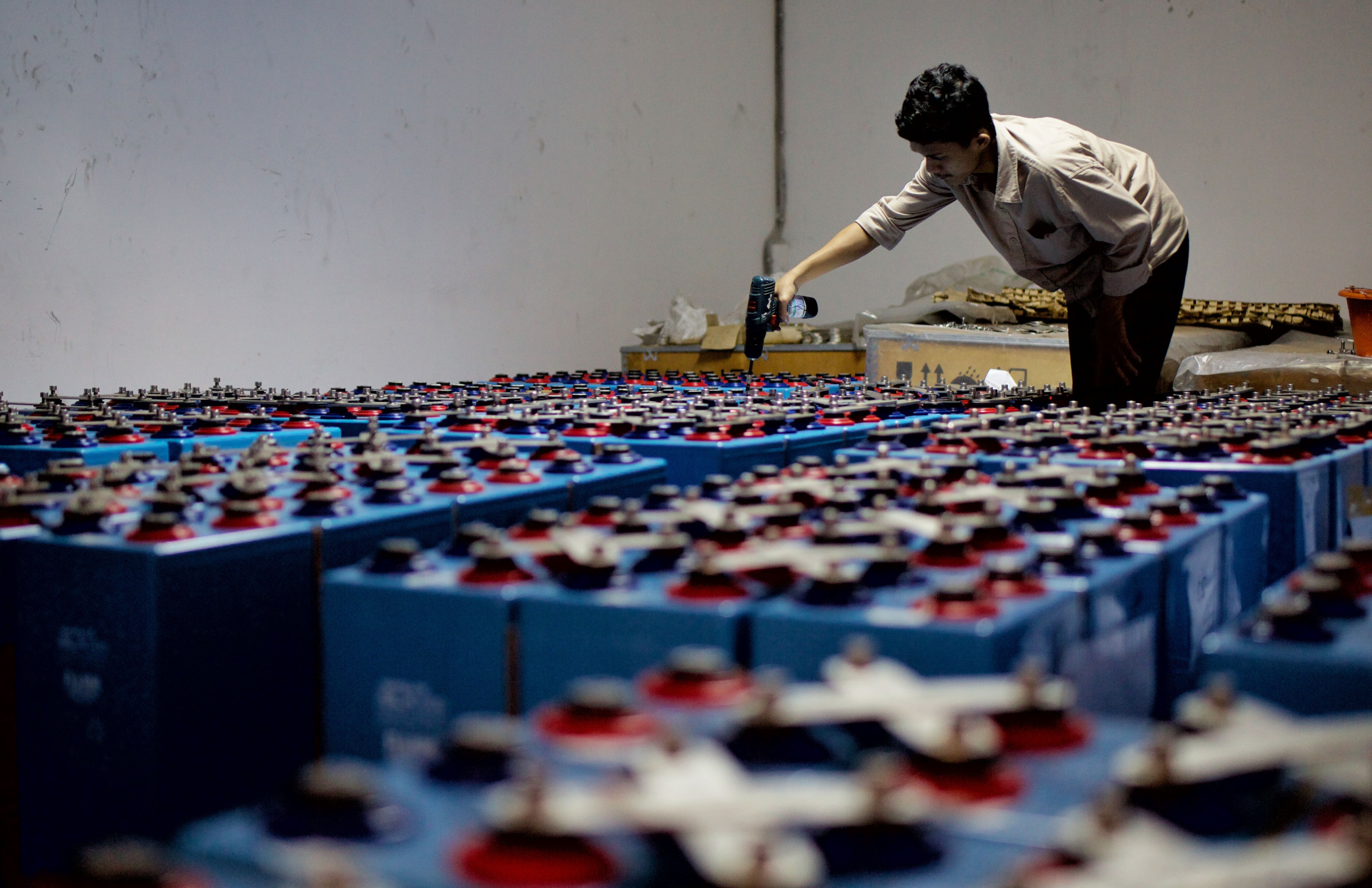
The 170 Megapacks contain the battery modules and associated equipment needed to store energy and deliver controlled electrical output. Tesla supplies the storage enclosures, while Ørsted, Hitachi Energy and Knights Brown have also participated in construction and integration. The storage equipment works alongside conversion, transformer, switchgear, protection and supervisory systems: the connection must be operated as a coordinated plant, rather than as a collection of independent battery containers.
The announced 600 MWh describes nominal stored energy and the 300 MW rating describes maximum power. Dividing one by the other gives a two-hour nominal discharge duration at full rated output. Available discharge over a particular interval will depend on usable state of charge, conversion efficiency, thermal limits, battery availability and any reserve energy required for contracted services. Equally, the capacity calculation alone does not establish the battery’s permitted import and export limits at the shared network connection.
Charging involves converting alternating-current electricity into direct current for storage in the battery cells, while discharging reverses the power flow. Battery management systems monitor cell conditions and operating limits; power conversion controls regulate active and reactive power; and plant-level control equipment coordinates dispatch across the site. Protection must isolate faults without exposing unaffected equipment to unsafe operating conditions. Together these functions govern the speed and extent of charging or discharging that the installation can safely provide.
Linking the two site areas introduces specific tests before energisation. The 33 kV cables must be terminated, checked for insulation integrity and integrated with the associated switching and transformer equipment. Protection settings must be coordinated so that a fault on a collection feeder can be isolated appropriately, while monitoring and control links must confirm the status of equipment across both compounds. The developer’s statement identifies further mechanical and electrical work, final cable installation and termination, and the preparation of the transformer for energisation, alongside its overall construction-completion milestone.
Iceni is intended to use transmission infrastructure shared with Hornsea 3, the 2.9 GW offshore wind development under construction off the east coast of England. A shared connection can allow wind output and storage imports or exports to be managed against available transfer capacity, making use of an existing grid interface. That requires coordinated operational limits, metering and protection arrangements, because the total flow at the connection must stay within the agreed envelope even as wind production and battery dispatch change.
A battery can charge when electricity is available and discharge during periods when demand or market prices justify doing so, but the two-hour nominal duration constrains how long it can sustain full output. Whether Iceni absorbs otherwise curtailed wind generation will depend on its charge level, permissible import arrangements, the output of Hornsea 3 and the system conditions at the time. Co-location therefore creates an opportunity for more flexible use of infrastructure without eliminating local or system-wide transmission constraints.
Ørsted has appointed Arenko to manage optimisation and trading through its Nimbus platform. That commercial role concerns how the storage asset participates in markets and schedules its available flexibility, separate from the safety-critical controls and grid connection functions needed for secure operation. The company began construction in March 2025, following an earlier investment decision, while its September 2026 optimisation arrangements identified operation in the first quarter of 2027, later than the end-2026 target in its original groundbreaking materials.
The next activities are completion and testing of the inter-site electrical cables, transformer energisation, controlled connection of the battery equipment and integrated commissioning. Those stages will establish that Iceni can charge, discharge and respond to network instructions within its technical and operating limits. Its construction milestone also shows progress in the Hornsea 3 onshore infrastructure programme, but the battery’s declared 300 MW rating becomes a deliverable network service only once that commissioning sequence is completed.