IN Brief:
- SSE Renewables has named Seaway7 preferred supplier for major foundations and inter-array cable works on the proposed 1.4 GW Berwick Bank B project.
- The potential contract covers around 90 fixed-bottom foundations in water depths averaging 52 metres, with an offshore installation campaign proposed for 2029–2031.
- The preferred-supplier agreement is conditional on final contracting and SSE’s planned investment decision in late 2027.
SSE Renewables has selected Aberdeen-based Seaway7 as preferred supplier for the engineering, procurement, construction and installation of foundations and inter-array cables at the proposed 1.4 GW Berwick Bank B offshore wind farm. The agreement identifies a prospective delivery partner and a defined scope for the next stage of development, while the final construction contract and SSE’s investment decision remain outstanding. If confirmed, Seaway7 would oversee critical offshore structures and the electrical collection links between turbines.
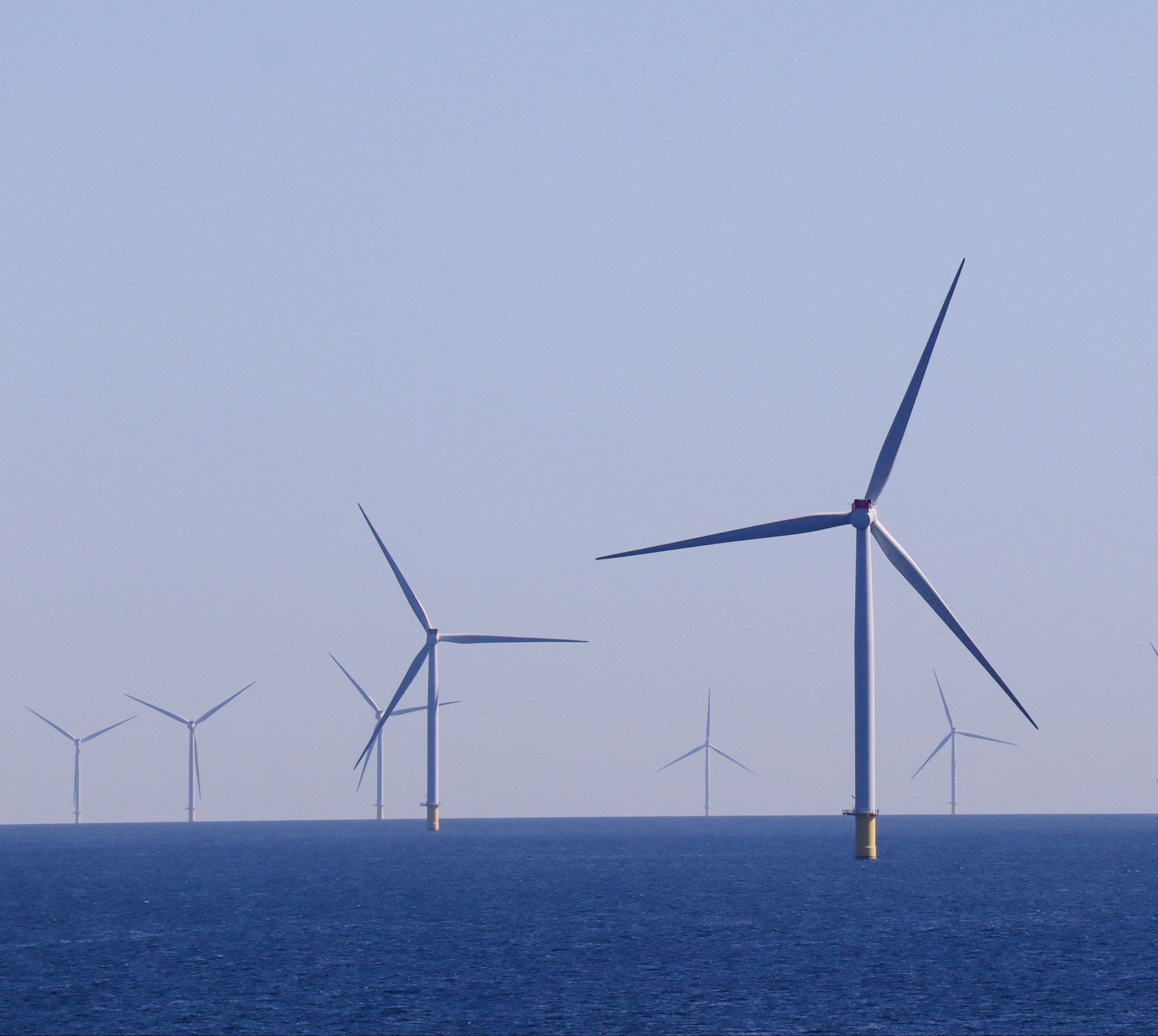
Berwick Bank B forms part of SSE’s wider 4.1 GW Berwick Bank development in the outer Firth of Forth, around 38 km off the Scottish Borders coast. The proposed foundation package covers approximately 90 fixed-bottom turbine positions, with site water depths averaging 52 metres and reaching up to 59.7 metres. SSE describes the completed scheme as potentially the deepest fixed-bottom offshore wind farm in the world; that description depends on the final design and delivery of the proposed installation.
Seaway7, part of the Subsea7 group, would design, source and install the foundations as well as the subsea inter-array cables. Its planned vessel fleet includes Seaway Alfa Lift, Seaway Strashnov and Seaway Phoenix, although the release does not assign each vessel to an exact task or contract window. Equipment fabrication, port marshalling, offshore transport and installation would have to be sequenced with turbine supply and the availability of the broader wind farm’s electrical infrastructure.
Fixed-bottom foundations carry the weight of the tower and turbine while transferring changing wind, wave and current loads into the seabed. Deeper water can increase structural and installation demands, while site-specific ground conditions affect foundation selection, geometry and installation methods. Geotechnical surveys, fatigue calculations and the lifting and positioning capabilities of installation vessels will inform the final engineering configuration. The 52-metre average is therefore a description of the proposed site conditions, not a universal foundation dimension.
The inter-array system collects electricity generated at individual turbines and delivers it towards the offshore electrical infrastructure. Cable selection must account for circuit voltage, current, thermal loading, fault duty and the route through the seabed. During installation, contractors must manage seabed clearance, minimum bend radius, burial or mechanical protection and terminations at the turbines. Cable placement also needs to be coordinated with foundation works and access by other vessels, reducing clashes between installation campaigns.
Connecting the turbine circuits requires more than laying the cables. Joints and terminations must meet insulation and mechanical standards, with electrical testing establishing continuity, insulation integrity and acceptable operating characteristics. The complete array must then interface with switching, protection, transformers and the export system before it can be energised. Combining foundation work and cable installation within a prospective engineering, procurement, construction and installation package can reduce coordination boundaries, but final technical responsibilities and risk allocation will be settled in the executed agreement.
SSE estimates that work under the prospective Seaway7 contract will create or support 465 jobs across the UK, including 400 in Scotland. Its breakdown comprises about 160 direct positions with Seaway7, 105 indirect roles in the domestic supply chain and 200 direct and indirect roles associated with foundation marshalling at a Scottish port not yet selected publicly. These figures include employment supported by project activity as well as potential new positions and are forecasts dependent on the scope proceeding.
The company puts the cumulative Berwick Bank B employment associated with its commitments at around 600 people across the UK and more than 500 in Scotland. Previous commitments include the selection of Montrose Port as the planned operations and maintenance base, with 100 long-term jobs and roughly 30 construction roles identified. That decision concerned the eventual operating wind farm; the Seaway7 arrangement addresses an earlier construction phase and an entirely different type of contract. The two job announcements should not be counted independently of SSE’s cumulative total.
Berwick Bank secured development consent in July 2025, and SSE says Berwick Bank B subsequently received a 20-year Contract for Difference in January 2026. The revenue arrangement provides a route towards long-term contracted generation if the 1.4 GW phase is built, while the capital commitment still depends on completing the project design, procurement and investment case. SSE and Seaway7 previously worked together on Beatrice and Seagreen, and their ongoing offshore work at Dogger Bank provides a further source of delivery experience.
SSE expects its final investment decision in late 2027. Subject to a final contract and authorisation to proceed, preparatory offshore work could begin in 2028, followed by the foundation and inter-array cable installation campaign from 2029 through 2031. Further milestones include selection of the foundation marshalling port, detailed design and supplier commitments, and finalisation of the vessel programme. For now, the confirmed development is Seaway7’s preferred-supplier appointment and the intended engineering scope attached to it.