IN Brief:
- The EBRD is arranging a loan package of up to $265 million for Nefer Menya, a 1.2 GW solar project in Egypt’s Minya region.
- An aggregate debt package of up to $566 million also involves DEG, FMO and Proparco, alongside EBRD-arranged finance.
- The project includes 600 MWh of batteries and a 25-year electricity sale agreement with the Egyptian Electricity Transmission Company.
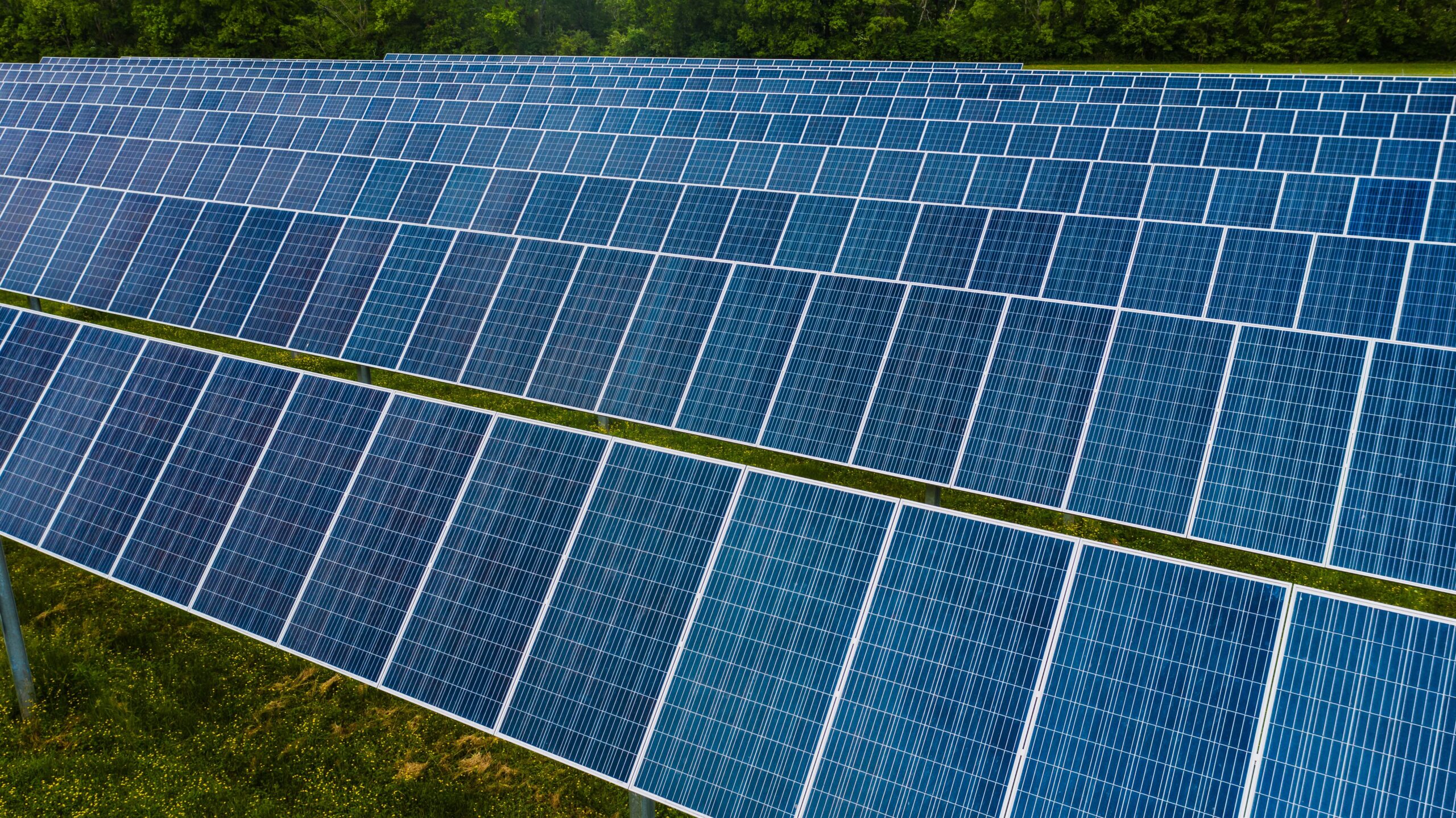
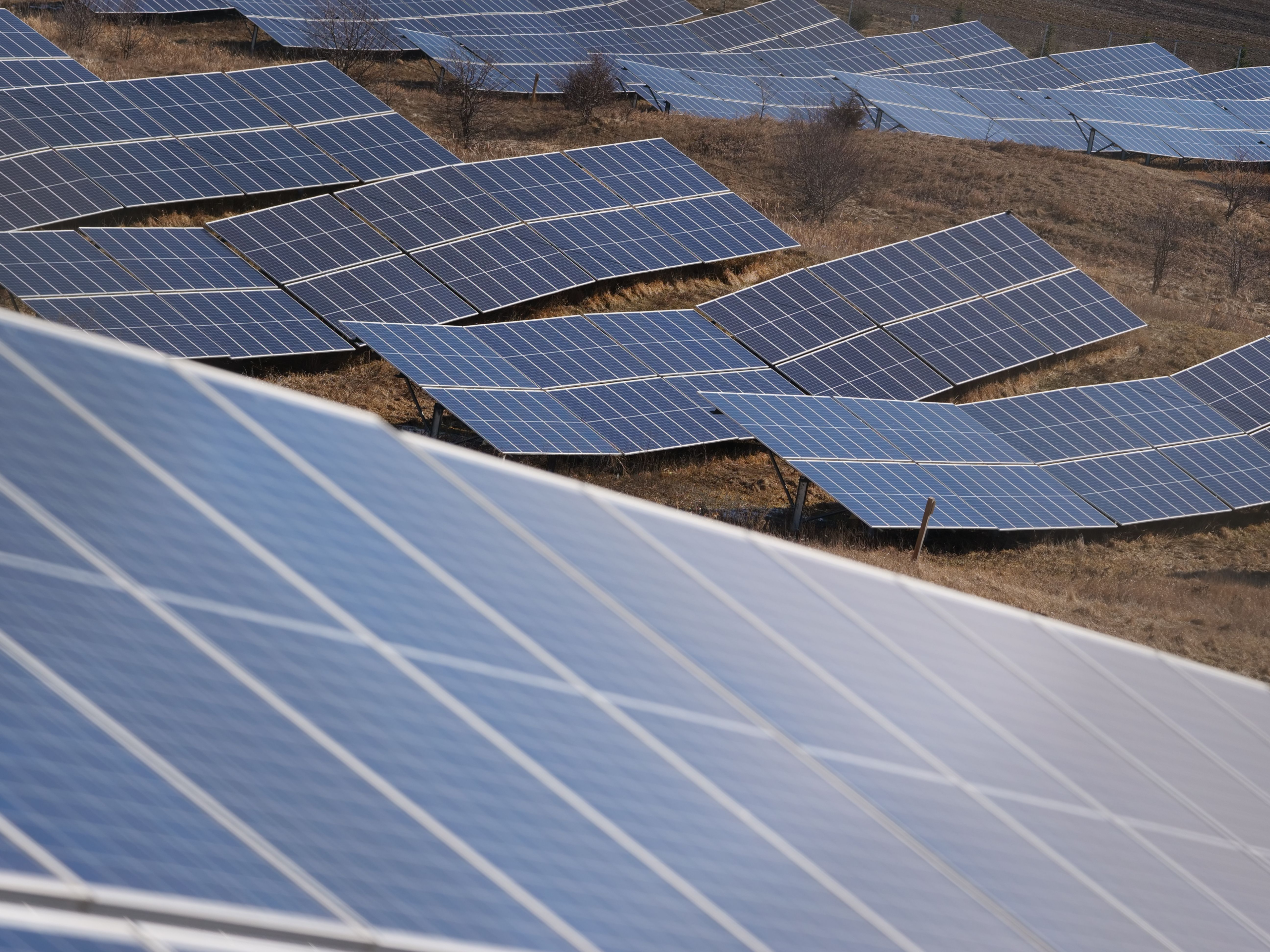
The European Bank for Reconstruction and Development (EBRD) is arranging up to US$265 million in financing for Nefer Menya, a proposed solar and battery development in Egypt's Minya region. The project combines 1.2 GW of photovoltaic generation, as described in the bank's 20 October announcement, with a 600 MWh battery energy storage system. Across participating lenders, the aggregate debt package could reach US$566 million, supporting construction and eventual operation of both assets.
Nefer Menya for Renewable Energy S.A.E. is the project company, backed by Infinity Power and HAU Energy. The EBRD-arranged amount comprises a US$160 million loan from the bank's own resources, US$75 million mobilised from Bank of Jordan and up to US$30 million in concessional Clean Technology Fund financing. Each sum forms part of the US$265 million arrangement; the US$566 million figure also encompasses debt from the wider lender group.
Other financing institutions include Germany's DEG, the Netherlands' FMO and France's Proparco. Together, their participation and the EBRD-arranged funds support a development whose revenue model includes a 25-year power purchase agreement with the Egyptian Electricity Transmission Company. That long-term purchase arrangement provides a basis for selling electricity, while the plant's actual output and availability will depend on its generating conditions, battery operation and electrical connection.
The newly announced 1.2 GW solar capacity should be read alongside an earlier EBRD project summary that specifies a 1,000 MW AC photovoltaic installation. Those records use different figures and do not expressly reconcile their rating bases. Photovoltaic developments commonly distinguish module nameplate capacity from inverter or grid export capacity, so both source figures should be retained rather than assuming an undocumented change in the project's scope.
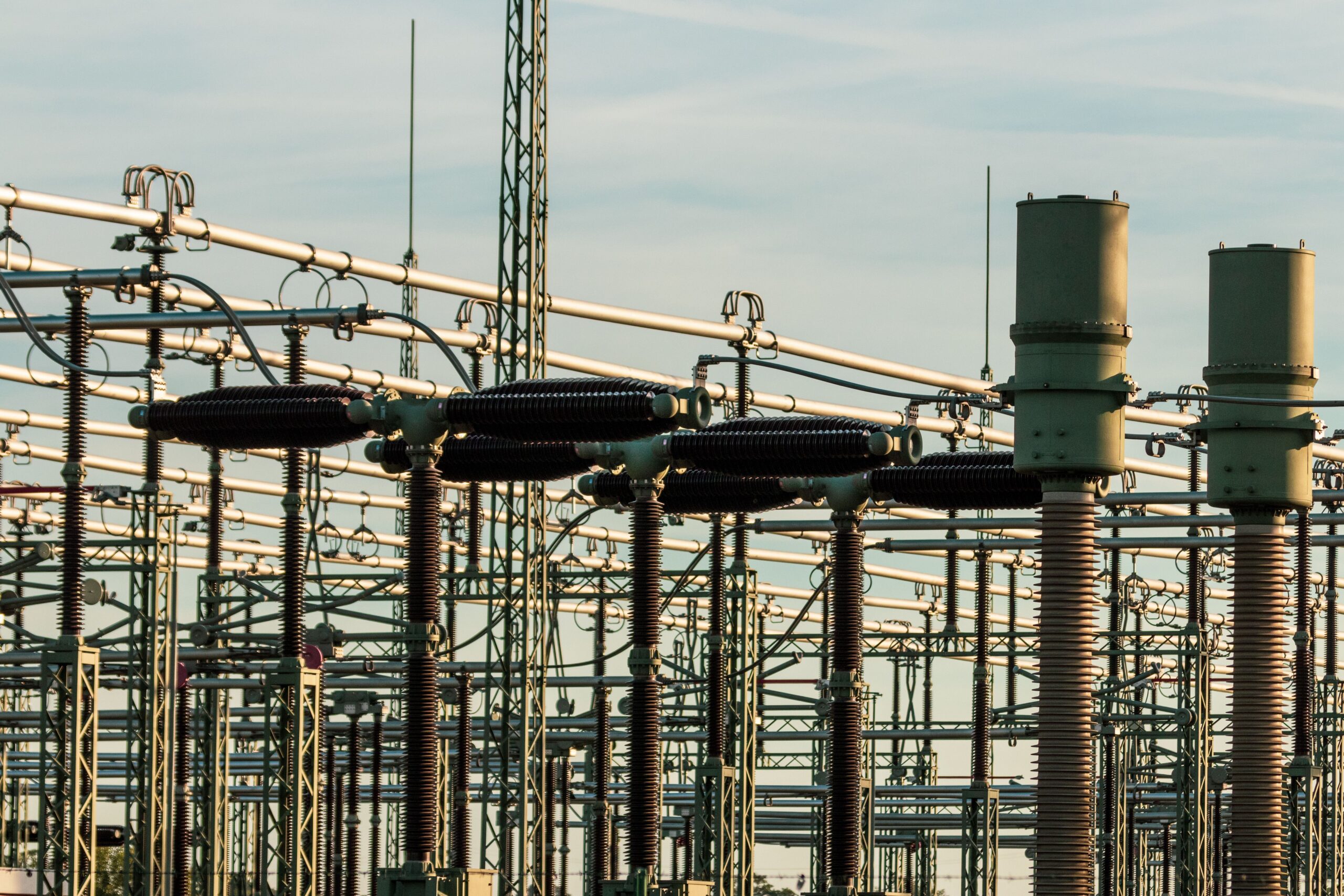
Solar modules produce direct-current electricity whose output varies with irradiation, module temperature, shading and the way strings are interconnected. Inverters convert the resulting electricity into alternating current, and transformers raise the voltage for transfer through the site's collection system towards the grid connection. Electrical design must coordinate those devices with switchgear, metering, protection equipment and the controls that govern export at the point of connection.
The planned battery is rated at 600 MWh of stored energy, while the October release does not state its maximum discharge power in MW. The two ratings measure different things: storage duration follows from usable energy divided by actual discharge power, with operating reserves and conversion losses also affecting delivery. The arrangement therefore cannot be assigned a confirmed two-, four- or six-hour duration from the energy figure alone.
During daylight hours, electricity from the photovoltaic plant could charge the battery, making some of that energy available after solar production falls. The EBRD identifies evening supply as a central purpose of the storage component. Charging and discharge will nevertheless have to be coordinated with the solar output, electricity purchase terms and instructions from the system operator, as well as the battery's permitted state-of-charge range.
The battery's power conversion system must control real and reactive power within the limits of its inverter and cell equipment. Fault protection, switching and communications must work with the solar collection network, so operating one asset does not create unsafe conditions for the other. Converter supplier, chemistry, grid-forming capability and the connection voltage have not been identified in the October announcement; the article therefore attributes no particular performance specification to them.
Physical delivery brings together civil foundations for the solar arrays, cable trenches, equipment access, inverter platforms, transformers and a protected battery compound. Solar string and insulation testing, transformer checks, protection settings and communications tests each provide evidence that the completed equipment can operate safely. Storage commissioning adds charge-discharge tests and validation of thermal management, shutdown controls and any performance obligations attached to commercial operation.
The generation and storage elements will play different roles in the electricity system. A 1.2 GW photovoltaic rating describes an installed solar capacity under specified test conditions, not continuous output, while the battery can deliver finite energy only after charging. Its potential contribution to the evening peak also depends on network transfer limits and the instructions governing dispatch. These differences determine how much firm supply the combined installation can provide when demand rises.
The financing has significance for the scale of renewable construction envisaged in Egypt, but the immediate engineering challenge is to integrate a large variable generator with dispatchable storage. Site controls will need to allocate available solar output between export and charging, maintain voltage and protection requirements and preserve the battery's operational limits. The project's 25-year electricity agreement provides a commercial framework for those functions without specifying every dispatch or ancillary-service provision.
The EBRD's October announcement establishes the size of the financing arrangements and the planned generating and storage assets. The next project milestones will be equipment procurement, construction of the electrical collection and connection systems, completion of acceptance testing and a confirmed commercial operation date. Those later steps will determine when Nefer Menya begins supplying electricity from solar generation and stored energy to Egypt's grid.