IN Brief:
- Pivot Energy has closed a $500 million bilateral corporate credit facility lasting three years with Nuveen Energy Infrastructure Capital.
- The facility supports late development work and equipment procurement across its growing US solar and storage business.
- Pivot targets more than 1 GW of solar and 700 MWh of battery storage in operation by the end of 2029.
Pivot Energy has closed a $500 million corporate credit facility with Nuveen Energy Infrastructure Capital to fund the expansion of its distributed solar and battery storage business in the United States. The bilateral arrangement runs for three years and will support late development work, equipment procurement, and borrowing capacity alongside Pivot’s expanding portfolio of operating assets. The independent power producer, based in Denver, which is backed by ECP, completed the financing on 20 October.
The agreement provides capital at company level rather than identifying a single solar installation or battery project to be financed. Pivot intends to deploy it as projects approach construction and as it adds generating assets to its operating portfolio. Neither the initial amount drawn nor the interest margin, security arrangements, covenants, repayment structure, or allocation between individual projects has been disclosed. The $500 million therefore represents the size of an agreed credit facility, not evidence that the full amount has been spent on construction or equipment.
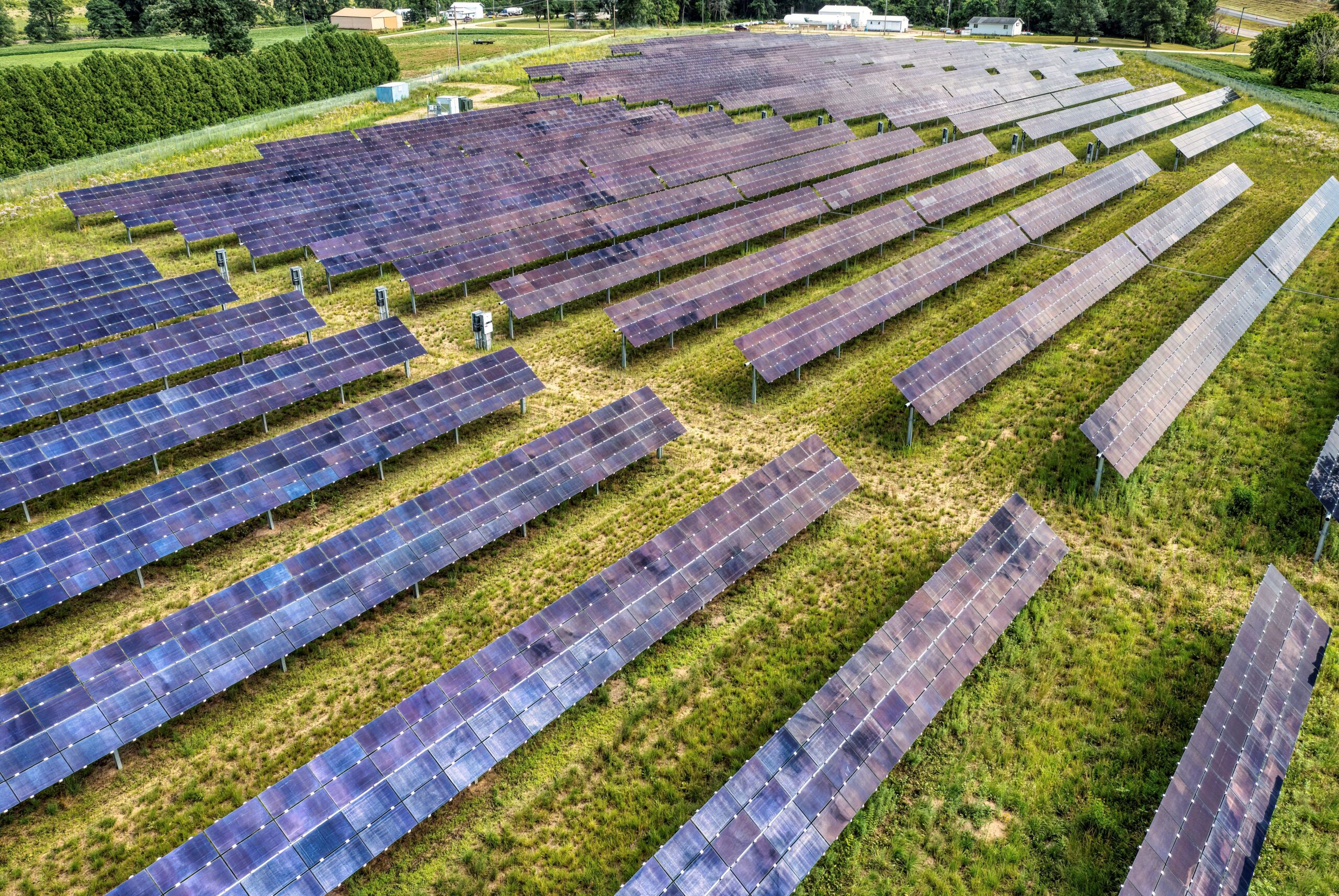
Pivot expects to have more than 1 gigawatt of solar generation and over 700 MWh of battery storage in operation by the end of 2029. These are company targets, not capacity already delivered or automatically secured by the financing. Its existing portfolio comprises more than 200 megawatts DC of operating solar projects, while development activity extends across more than 100 communities in 15 states. The planned increase will require projects to progress through permitting, procurement, network connection, construction, and commissioning before they can contribute to the reported operating totals.
Distributed solar projects incur significant expenditure before electricity is available for sale. Developers must complete site design, engineering assessments, connection studies, and equipment specifications, often while navigating different permitting and utility requirements. Procurement can involve photovoltaic modules, support structures, inverters, transformers, protection equipment, and monitoring systems whose ratings depend on the electrical design. Financing equipment orders before construction can secure a supply position, but the facility announcement does not specify the projects receiving funds or confirm any individual purchase order.
Pivot says the financing will help it develop projects in parts of the grid where network capacity is constrained. The effect of connecting local generation depends on the relationship between output, nearby demand, and the characteristics of the distribution feeder. Solar electricity consumed locally can reduce upstream imports, while surplus generation can create reverse power flows and requirements for voltage management. Connection limits, network protection, and the timing of local demand determine whether an installation can export its full available output. Those conditions must be assessed at the individual connection point rather than inferred from a project’s geographic proximity to demand.
Battery storage can change that operating profile by absorbing electricity at one time and discharging it later. Inverter capability governs the rate at which power can flow, whereas usable stored energy, operating limits, and the battery’s state of charge constrain how long dispatch can continue. Control systems may coordinate storage with photovoltaic output, local consumption, or an agreed export limit. Such equipment can help manage peaks and shifting demand, although a project’s contribution to a constrained feeder depends on the actual control strategy, connection agreement, and available storage capacity.
The company’s 2029 solar and storage ambitions use different measures. Solar capacity is expressed in gigawatts, reflecting a generation power rating, while the battery figure of 700 MWh describes stored energy. A battery’s discharge power is specified separately in megawatts; without it, neither the portfolio’s discharge duration nor its instantaneous contribution to network support can be calculated from the energy figure alone. Similarly, the operating solar baseline of more than 200 MWdc is a DC rating, which should not be treated as a measured level of electricity delivered to the grid at a particular time.
The Nuveen agreement is separate from Pivot’s $173 million term loan announced on 8 October. That earlier transaction covered 51 community solar projects totalling 135 MWdc across six states. First Citizens Bank, Huntington Bank, and BankUnited provided financing that refinanced completed portfolios out of a construction warehouse and consolidated them under a term loan. It also released capacity in Pivot’s revolving construction facility for further projects. The term loan concerned a defined portfolio of assets; the Nuveen facility is a new corporate borrowing arrangement, and its headline amount must not be added to the earlier loan as if both represented unspent construction capital.
The distinction reflects the different financing requirements across a project’s life. Development spending can begin before all permissions and connections are secured, whereas construction borrowing may be tied to milestones, equipment delivery, or other agreed conditions. Once a project operates, revenues and contracted payments can support a different lending structure. Pivot has not released enough detail to establish which of these mechanisms applies to individual drawings under the Nuveen facility. Its closing does not by itself establish financial close, a notice to proceed, or energisation for any named new asset.
Tom Hunt, chief executive of Pivot Energy, described the agreement as “the most transformational financing in Pivot’s history”, linking it to the business’s progression from an early developer to an independent power producer that owns and operates the assets it builds. That model carries ongoing operational obligations, including generation monitoring, maintenance, revenue management, and performance reporting after commissioning. The company works with utilities, businesses, and community customers, but the October transaction does not identify additional power purchase agreements or customer contracts associated with the facility.
Nuveen Energy Infrastructure Capital provides private credit for energy businesses and identifies distributed generation among its investment priorities. Don Dimitrievich, head of the business, described the arrangement as tailored financing for Pivot’s expansion. Nuveen’s published investment approach includes attention to cash flow and borrower protections, but the commercial terms of this particular agreement have not been disclosed. The financing gives Pivot additional corporate capacity to move its portfolio forward, while the next measurable delivery steps remain individual projects securing connections, completing construction, and entering operation ahead of the company’s targets for the end of 2029.